
 Worksheets
Aerospace OHD Quiz
Total questions: 11
Worksheet time: 4mins

Why do astronauts avoid bringing bread to space?
It’s too crumbly
Bread becomes rock-hard in space
Zero gravity ruins the yeast
Tortillas are more delicious
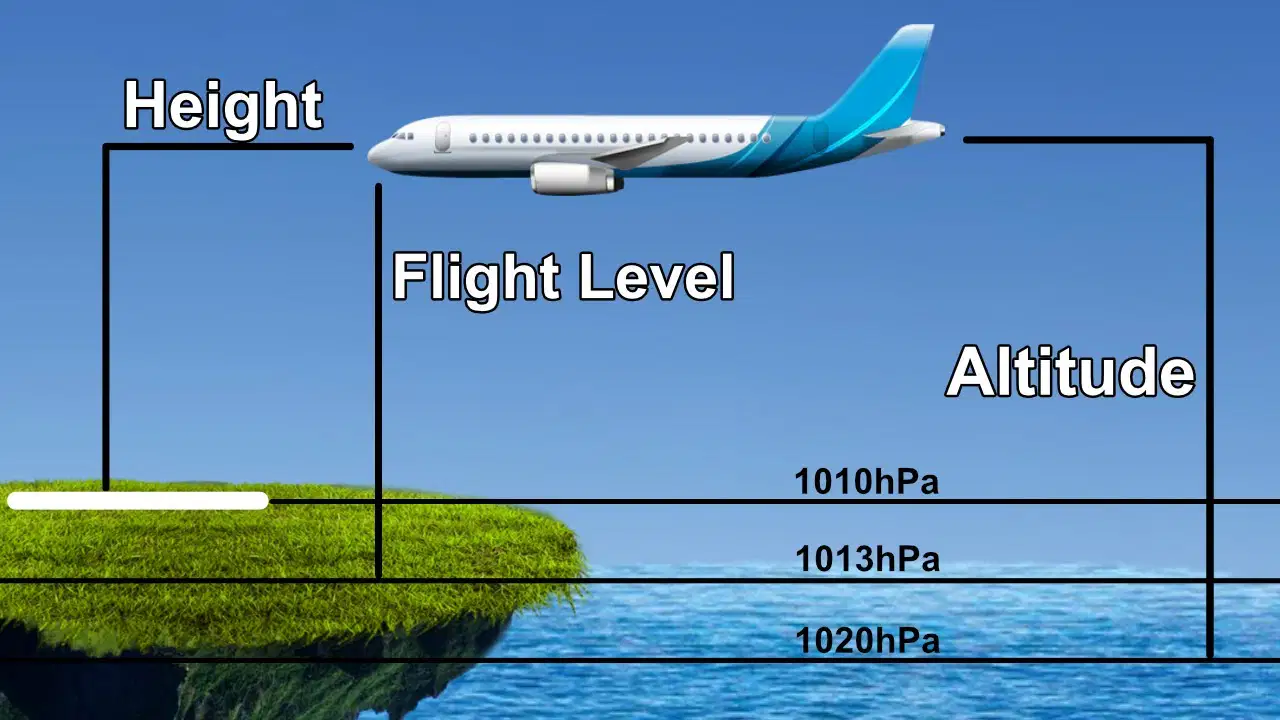
As altitude increases, the amount of lift generated by an aircraft's wing:
remains unchanged.
increases.
decreases.
no idea!
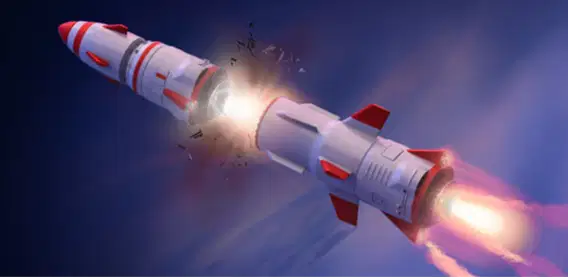
What’s the real reason rockets have multiple stages?
To improve aerodynamics during ascent.
To enable reusability of rocket components.
To distribute fuel more efficiently across the mission.
To lose weight as fuel burns.

Pressing on an aircraft's rudder pedals will cause the aircraft to:
pitch (nose moves up/down)
yaw (nose moves side-to-side)
roll
accelerate
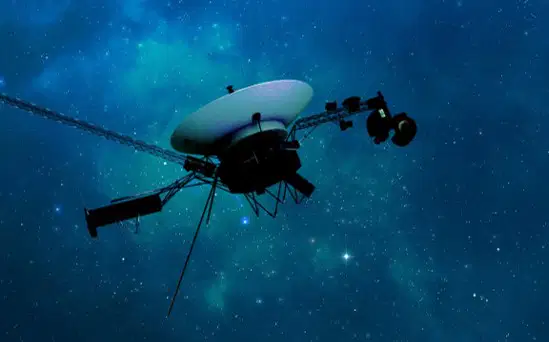
Where is the farthest a human-made object has travelled to in space?
We have sent spacecraft up to Pluto.
The Moon.
We passed the solar system boundaries and we’re still going.
Mars has been the farthest we have gone.

The aircraft engine shown is a:
turboprop engine
turbofan engine
turboshaft
turbojet

What is the minimum distance above the surface of Earth where you can have a spacecraft on a stable orbit?
2,000 km
15,000 km
180 km
35,786 km
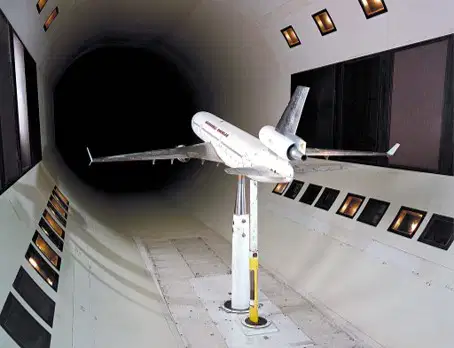
A 1:16 scaled plane-model is tested in a wind tunnel. How can we get the same force as the full-scale plane?
By using the same wind speed.
By increasing wind speed by 2 times.
By increasing wind speed by 4 times.
By increasing wind speed by 16 times.
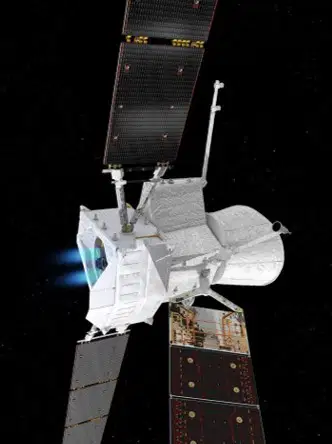
Which propulsion system would be best suited for a very long-duration mission?
electric propulsion
chemical propulsion but using liquid propellants
chemical propulsion using solid propellants
cold gas systems
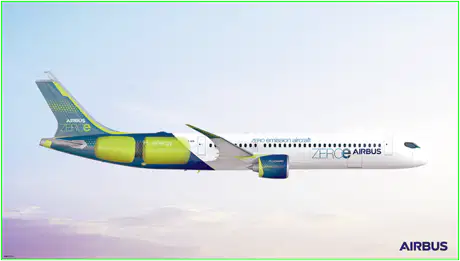
At normal atmospheric conditions, you would need approximately _____ litres of gaseous hydrogen to achieve the same amount of energy as one litre of kerosene jet fuel.
3
30
300
3000

A cyclist wants to break the world record. In terms of reducing aerodynamic resistance, where should they attempt this performance best?
Edinburgh, UK (47 m above sea level)
Högvalen, Sweden (835 m above sea level)
Mexico City (2250 m above sea level)
La Paz, Bolivia (3640 m above sea level)

