
 Worksheets
Sustainable Consumption
Total questions: 130
Worksheet time: 1hrs 4mins

What does this symbol stand for?
affordable and clean energy
sustainable cities and communities
climate action
life on land

What does this icon represent?
life below water
sustainable cities and communities
climate action
life on land
What is sustainable development?
The development that meets the needs of the present without compromising the ability of future generations to meet their own needs
To conserve natural resources and to develop alternate sources of power while reducing pollution and harm to the environment.
It is the practice of developing land and construction projects in a manner that reduces their impact on the environment by allowing them to create energy-efficient models of self-sufficiency.
all of the choices
What year were the Sustainable Development Goals created?
2015
2000
1995
2018 during pandemic
Why were the sustainable development goals created?
Help extinct animals
End poverty, fight inequality and address the urgency of climate change
Create new communities with less diseases and higher pay
End poverty, save the turtles and locate the countries that have been lost
Which is NOT an SDG goal?
Life below water
Reduced inequalities
Clean water and sanitation
Recycle innovations
How is poverty currently measured?
Earning less than $1.25 per day
Not knowing when you will have your next meal
Living in a homeless shelter
Going without a meal for three days in a row
The future we want includes cities of opportunities for all with access to basic services.
Industry, innovation and infrastructure
Life in land
Sustainable cities and communities
Climate action
This aims at doing more and better with less:
Responsible consumption and production
Life in land
Reduce inequalities
Industry, innovation and infrastructure
In order to measure the SDG's data, Michael Green uses.....
The Economic Progress Index
The SDG Progress Index
The Poverty Progress Index
The Social Progress Index

What does this SDG symbol mean?
reduced inequalities
equality between men and women
equity in wealth
life below water
Who implements the SDGs?
UN
ASEAN
World Health Organization
World Trade Organization
Which of the following is NOT true about the SDGs?
They are a legally binding international treaty that all nations are required to follow.
They encourage the promotion of health, wellbeing and education for all, at all ages
They explicitly promote innovation
They include the development of sustainable cities, infrastructure and industry
Which of the following is not part of the Sustainable Development Goals?
Provision of decent jobs for all
Provision of clean water for all
Provision of internet services for all
Provision of sustainable energy for all
The concept of sustainable development has three pillars namely: social, environmental and _______ .
mental
human resources
economic
political
How many targets are there for SDGs?
17
193
169
100
How much percentage of the poor in the world will there be in 2030 as a goal of SDG1?
10%
100%
0%
1%
Based on the 2020 Climate Change Performance Index, which country ranked the highest achievement in climate protection?
Greenland
Philippines
Sweden
France
What are the 5P’s to measure the progress of the SDGs that highlight how the SDGs are an intertwined framework?
People, Planet, Practicality, Peace, Partnerships
People, Plants, Prosperity, Peace, Partnerships
People, Planet, Prosperity, Peace, Partnerships
People, Planet, Principles, Peace, Partnerships
Which is NOT an aim of Sustainable Development Goals?
environmental protection
social inclusion
social exclusion
economic development
Ensure healthy lives and promote well-being for all at all ages.


Ensure sustainable consumption and production patterns.


Promote peaceful and inclusive societies; provide access to justice for all and build effective, accountable, and inclusive institutions at all levels.


Make cities and human settlements inclusive, safe, resilient, and sustainable.


Build resilient infrastructure, promote inclusive and sustainable industrialization, and foster innovation.


Full, productive employment and decent work for all.

Ensure access to affordable, reliable, sustainable, and modern energy for all.


Equitable quality education and lifelong learning opportunities.


Strengthen the means of implementation and revitalize the global partnership.


Conserve and sustainably use the oceans, seas, and marine resources.


People in developed countries are likely to
A. earn an unstable income at their jobs.
B. have a high level of personal consumption.
C. live in rural areas and work on farms.
D. have no benefits provided by their governments.
Which of the following is NOT a principle of choosing goods and services?
To buy goods and services that can satisfy our needs
To buy goods and services that are affordable
To buy goods that meet safety standards
To buy goods that contains excessive packaging
A sensible consumer...
consume based on their needs but not desires.
consume based on their desires but not needs
follow friends' suggestions and trends blindly.
always bargain no matter what.
As consumers, we should avoid__________________ that leads to _________________.
excessive consumption; waste
bringing our own bags; a shortage of plastic bags we can get from shops
bargaining; shops making less money
buying fake goods; the closing down of fake good shops
Which one below is not a focus of green consumption?
Energy saving
Environmental protection
Sustainable consumption
Materialistic consumption
Is composting good for the environment ?
Yes
No
Maybe
I dont know
Which of the following are examples of responsible consumption and production ?
Fighting pollution
Reducing The Overall Waste Generation
Improving The Management Of Chemicals And Toxic Wastes
Ensuring People Use Plastic Bags
1.3 billion tonnes of food is wasted every year
True
False
Composting can help reduce household waste, but which one of these should not be used?
Egg shells
Meat trimmings
Fruit Peels
Seeds
Everything you eat on a raw food diet should be cold.
True
False
The __________ industry generates nearly one-fifth of the man-made greenhouse gas emissions worldwide.
Meat
Dairy
Processed Food
Which of the following accounts for the largest portion of carbon footprint when it comes to food?
Processing
Transportation
Cooking
Waste disposal
If a food label says ‘organic’, what does it mean?
It contains no genetically modified organisms
It was produced using the best sustainable agricultural methods.
It is free of antibiotics, growth hormones and pesticides
All of the above
True or False: 'Sustainable' means causing little or no damage to the environment and therefore able to continue for a long time.
True
False
Would you pay more for food if it was grown using sustainable farming techniques?
Yes, definitely
Maybe
No, never

What is the point of reducing meat consumption?
It reduces the environmental impact and makes us healthier.
It reduces our health and improves the environmental impact.
Making the meat industries give meat to the poor.
Making a hunger strike and demanding changes in the meat production process.
The word 'sustainable' means
to be able to continue over a longer period of time
use everything at once
throw things into the ocean
goes on forever
Choose the sustainable option.
Throwing away food
Composting food

Which SUSTAINABLE FARMING PRACTICE is shown?
Hydroponics
In-situ Rainwater Harvesting
Planting in hollows
Vertical gardens
“Food miles” refers to
distance to the nearest food store.
how much money is made by foreign food producers.
the distance in which food is transported from production to the consumers.
Size of fields needed for food production.
What are the 3 E's of Sustainability?
Energy
Equity
Economy
Environment
Exposure
Which of the following is NOT a renewable energy source?
a. Nuclear energy
b. Hydroelectric
c. Geothermal energy
d. Solar energy
Does the 3E's provide a practical framework for achieving sustainable development?
True
False
The governments can help with sustainability by providing essential services, even if it involves use of natural resources.
True
False
Which one doesn't belong in the crucial role of governance in achieving sustainability?
Facilitating Collaboration and Coordination
Innovation and Adaptation
Establishing Rules and Regulations
Encouraging Inequality
Meeting the needs of the present without compromising the ability of future generations to meet their needs?
(a)
Sustainable development focuses solely on environmental protection and resource management without considering social and economic factors.
True
False
What is something we do daily that affects our ecological footprint?
taking a shower
driving to school
blowdrying your hair
buying new clothes
What measures does Starbucks use for sustainability?
Increasing water and energy usage
Only traditional packaging materials
Local market sourcing
Recycling and composting programs
How many sets of goals does Sustainable Development Goals (SDG) have?
15
17
16
18
The SDGs emphasize environmental sustainability, highlighting the need to protect seas and forests, prevent climate change, and promote sustainable consumption and production.
True
False
How can businesses incorporate sustainable supply chain management practices into their operations?
By prioritizing cost reduction over sustainability
By increasing energy consumption and waste production
By ignoring environmental regulations and standards
By adopting green procurement, and reducing waste
IKEA's focus on renewable energy and sustainable sourcing is primarily aimed at minimizing environmental effects and demonstrating commitment to addressing climate change.
True
False
Starbucks' emphasis on ethical sourcing and waste reduction primarily aims to reduce operational costs rather than attract environmentally concerned consumers and demonstrate social and environmental responsibility.
True
False
Provide an example of a corporate social responsibility initiative taken by a well-known company.
McDonald's Happy Meal toy giveaway
Amazon's Prime Day sales event
Coca-Cola's sponsorship of the Olympics
Starbucks provides loans to coffee farmers in need
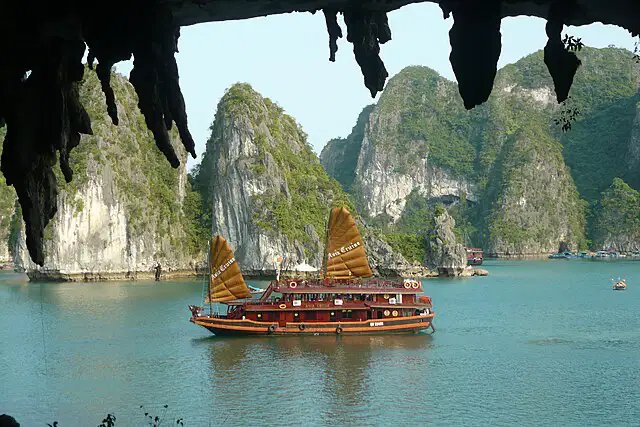
What is the primary goal of sustainable tourism in Vietnam according to the United Nations Sustainable Development Goals (SDGs)?
To increase the number of tourists visiting Vietnam
To promote responsible travel that conserves the environment and improves the well-being of local people
To build more luxury hotels and resorts
To reduce the cost of travel for international tourists

Which of the following is a key practice in sustainable tourism that helps protect Vietnam's natural resources?
Encouraging tourists to buy more souvenirs
Promoting the use of single-use plastics
Supporting eco-friendly accommodations and tours
Increasing the number of flights to Vietnam

How can tourists contribute to the economic sustainability of local communities in Vietnam?
By staying in international hotel chains
By purchasing locally made products and services
By only visiting popular tourist attractions
By bargaining aggressively for lower prices
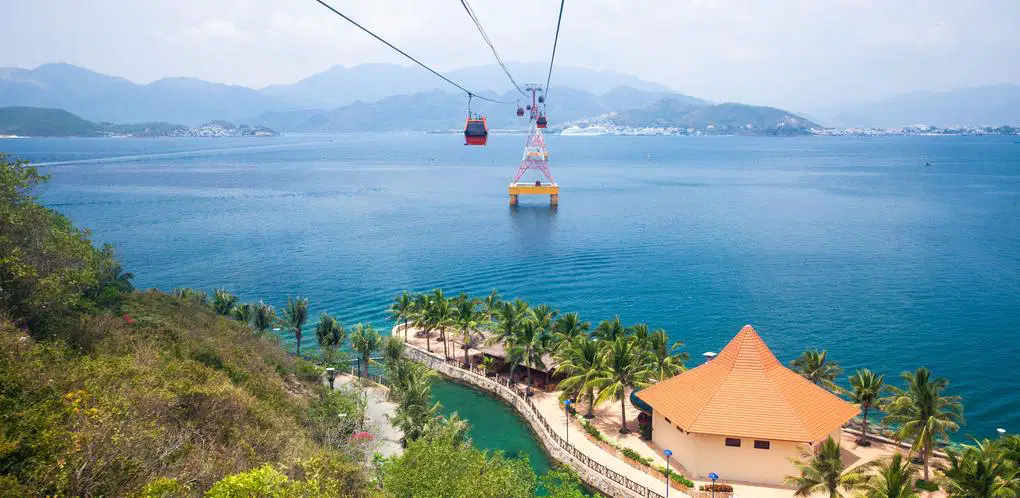
Which of the following is an example of cultural sustainability in tourism?
Building modern shopping centres in rural areas
Encouraging tourists to learn about and respect local customs and traditions
Replacing traditional festivals with international events
Promoting fast food chains over local cuisine
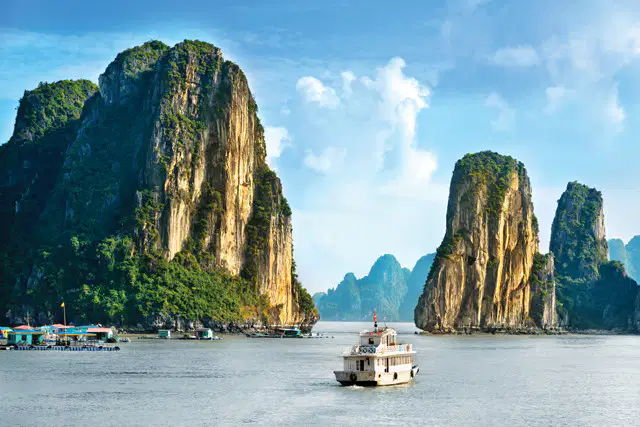
Vietnam is home to a UNESCO World Heritage site known for its karst landscapes and boat tours. Which SDG does the sustainable tourism of this area primarily align with?
SDG 1: No Poverty
SDG 12: Responsible Consumption & Production
SDG 14: Life Below Water
SDG 15: Life on Land
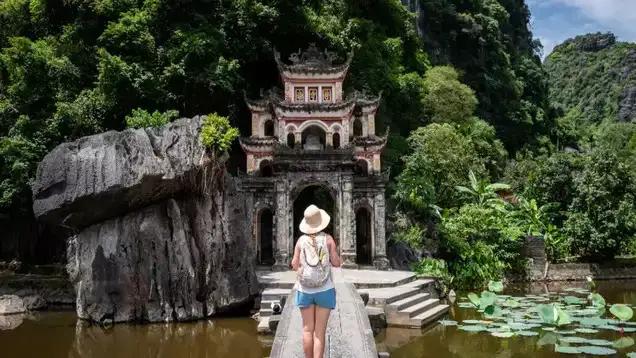
Which practice in sustainable tourism most directly supports SDG 8: Decent Work and Economic Growth in Vietnam?
Promoting eco-friendly accommodations
Ensuring fair wages and safe working conditions for tourism workers
Reducing single-use plastics at tourist sites
Supporting local artisans and craft industries
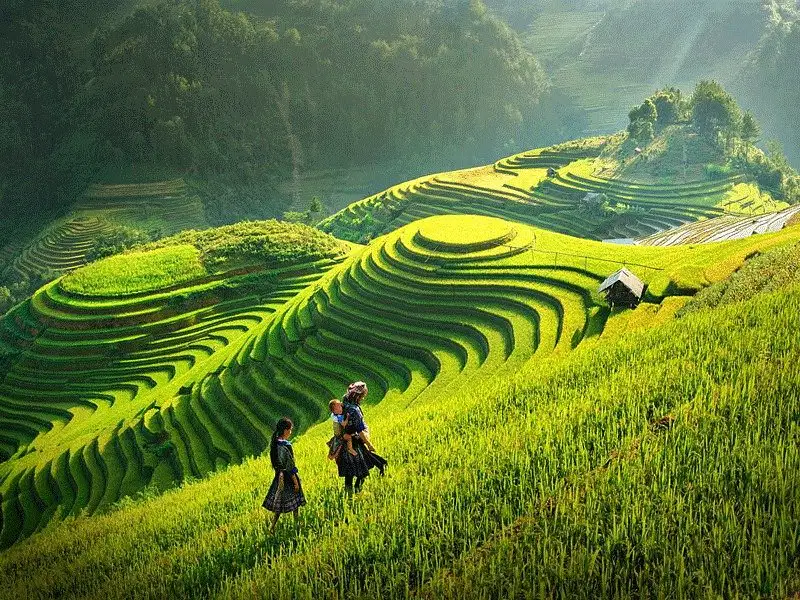
What is one way that sustainable tourism can help combat climate change in Vietnam?
By increasing the number of flights to the country
By promoting the use of renewable energy sources in tourism facilities
By encouraging tourists to travel by car
By building more roads in natural areas
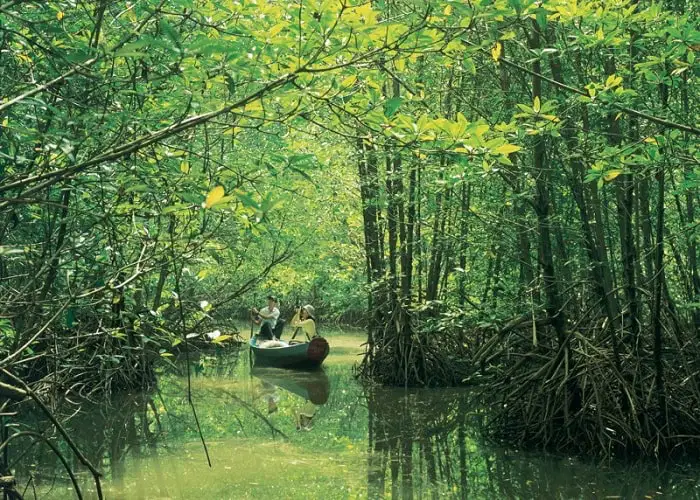
Visitors to Vietnam are encouraged to participate in mangrove replanting programs. Which SDG does this activity most directly support?
SDG 6: Clean Water and Sanitation
SDG 13: Climate Action
SDG 14: Life Below Water
SDG 15: Life on Land

Which of the following is a benefit of sustainable tourism for tourists visiting Vietnam?
Experiencing overcrowded tourist spots
Engaging in authentic cultural experiences
Contributing to environmental degradation
Facing higher travel costs
National short term goals include
To enhance public education and awareness on Green Technology and
encourage its widespread use.
Facilitate the growth of the Green Technology industry
To minimise growth of energy consumption while enhancing economic
development
To ensure sustainable development and conserve the environment for
future generations
Enhance public education and awareness on (a)
Technology and its widespread use
Below are example of programmes supporting mid term goals except
Green Public Procurement
Green Technology Financing Scheme
Green ICT
Green Research
Define Green Procurement
procurement activities of products,
services
and works
considering of environmental criteria
and
standard
that conserve the natural environment
and resources and minimizes and
reduces the negative impact of human
activities
All of the answers
Green Procurement are categorized into TWO (2) which are
Government
Green
Procurement (GGP)
Green
Private
Procurement (GPP)
Green Technology Procurement (GTP)
To minimize GROWTH of energy consumption while enhancing economic
development;
Short term goals
Mid term goals
Long term goals
To increase national capability and capacity for innovation in Green
Technology development and enhance Malaysia’s competitiveness in Green
Technology in the global arena;
Short term goals
Mid term goals
Long term goals
Expand local SME/SMI green technologies companies into
global market and
Short term goals
Mid term goals
Long term goals
Enhance public education and awareness on Green
Technology and its widespread use
Short term goals
Mid term goals
Long term goals
Programmes supporting long terms goals includes;
Green Technology Masterplan
Electric Vehicle Infrastructure Roadmap
Integration of green topics in the syllabus and curriculum to all levels
of Schools and Higher Education Institutions
Which Sustainable Development Goal (SDG) focuses on ensuring access to affordable, reliable, sustainable, and modern energy for all?
SDG 7
SDG 9
SDG 11
SDG 13
SDG 8 aims to promote sustained, inclusive, and sustainable economic growth, full and productive employment, and decent work for all. Which of the following is NOT a target under SDG 8?
Eradicate extreme poverty
Achieve full and productive employment
Promote youth employment
Reduce income inequality
Which SDG focuses on building resilient infrastructure, promoting inclusive and sustainable industrialization, and fostering innovation?
SDG 7
SDG 9
SDG 11
SDG 13
SDG 10 is dedicated to reducing inequalities within and among countries. Which of the following is NOT a key area of focus under SDG 10?
Reducing income inequality
Addressing gender inequality
Promoting social inclusion
Ensuring environmental sustainability
Which Sustainable Development Goal emphasizes the importance of making cities and human settlements inclusive, safe, resilient, and sustainable?
SDG 7
SDG 9
SDG 11
SDG 13
SDG 12 encourages responsible consumption and production. What is one of the targets of this goal?
Reduce greenhouse gas emissions
Reduce food waste and loss
Increase the use of single-use plastics
Promote fast fashion industry
Which Sustainable Development Goal addresses the need for urgent action to combat climate change and its impacts?
SDG 7
SDG 9
SDG 11
SDG 13
SDG 7 focuses on ensuring access to affordable, reliable, sustainable, and modern energy. Which of the following is a target under SDG 7?
Promote clean and safe drinking water
Achieve universal access to the internet
Double the global rate of improvement in energy efficiency
Increase deforestation rates
Which Sustainable Development Goal aims to ensure sustainable consumption and production patterns?
SDG 7
SDG 10
SDG 12
SDG 13
SDG 8 aims to promote sustained, inclusive, and sustainable economic growth, full and productive employment, and decent work for all. Which of the following is a key target under SDG 8?
Eliminate taxation on businesses
Achieve gender equality in the workplace
Halve the number of road traffic accidents
Ensure access to quality education for all
SDG 10 aims to reduce inequalities within and among countries. Which of the following is a target under this goal?
Reduce income inequality only
Reduce income and gender inequality
Increase income inequality
Eliminate all forms of inequality
Which Sustainable Development Goal focuses on taking urgent action to combat climate change and its impacts?
SDG 7
SDG 13
SDG 10
SDG 9
SDG 9 promotes industry, innovation, and infrastructure for sustainable development. What is one of the targets of this goal?
Reduce access to clean water
Develop sustainable transportation systems
Increase greenhouse gas emissions
Promote deforestation
SDG 11 focuses on making cities and human settlements inclusive, safe, resilient, and sustainable. Which of the following is NOT a key area of focus under this goal?
Affordable housing
Promotion of rural areas
Sustainable transportation
Reduction of air pollution
SDG 13 addresses climate action. What is one of the targets of this goal?
Increase greenhouse gas emissions
Strengthen resilience and adaptive capacity
Reduce air quality standards
Promote deforestation
Which Sustainable Development Goal aims to promote responsible consumption and production?
SDG 7
SDG 12
SDG 11
SDG 10
SDG 10 is dedicated to reducing inequalities within and among countries. Which of the following is NOT a key area of focus under SDG 10?
Reducing income inequality
Addressing gender inequality
Promoting social inclusion
Ensuring environmental sustainability
SDG 9 aims to promote industry, innovation, and infrastructure for sustainable development. What is one of the targets of this goal?
Encourage the use of outdated technology
Promote sustainable industrialization
Decrease access to the internet
Halt urbanization
SDG 11 focuses on making cities inclusive, safe, resilient, and sustainable. Which of the following is a key target under this goal?
Increase air pollution
Improve urban planning and management
Reduce access to public transportation
Encourage deforestation in urban areas
SDG 12 encourages responsible consumption and production. What is one of the targets of this goal?
Increase electronic waste
Reduce food waste and loss
Promote single-use plastics
Encourage excessive resource consumption
Which of the following is not a characteristic of globalization?
Increased interconnectedness
Cultural homogeneity
Technological advancements
Economic integration
What is the main purpose of the United Nations?
Promote global peace and security
Facilitate international trade agreements
Protect human rights
Address global environmental issues
What is the Sustainable Development Goals (SDGs)?
A set of global targets for poverty eradication and sustainable development
A trade agreement between developed and developing nations
A global initiative to combat climate change
A military alliance formed to address security threats
Which technological innovation has significantly transformed the way people communicate and share information?
Social media
Electric cars
Artificial intelligence
Virtual reality
What is the main cause of the global water crisis?
Climate change
Overpopulation
Pollution
Lack of infrastructure
Which organization is responsible for overseeing international trade rules and resolving trade disputes?
World Health Organization (WHO)
World Trade Organization (WTO)
International Monetary Fund (IMF)
World Bank
Which country is known for its "one-child policy" that was implemented to control population growth?
China
India
Brazil
Nigeria
What is globalization?
The process of a country becoming self-sufficient
The integration and interdependence of countries through the exchange of goods, services, and ideas
The imposition of cultural norms on other countries
The formation of regional alliances for economic cooperation
Which of the following is a positive impact of globalization?
Cultural homogeneity
Increased economic inequality
Improved access to global markets
Preservation of local traditions
Which technological advancement has greatly facilitated globalization?
Internet and communication technologies
Nuclear power
Artificial intelligence
Genetically modified organisms (GMOs)
How many Sustainable Development Goals (SDGs) were adopted by the United Nations?
8
12
17
20
Which of the following is not one of the Sustainable Development Goals?
Zero Hunger
Quality Education
Gender Equality
Sustainable Energy for All
Which SDG focuses on ensuring access to clean water and sanitation for all?
SDG 6: Clean Water and Sanitation
SDG 7: Affordable and Clean Energy
SDG 13: Climate Action
SDG 16: Peace, Justice, and Strong Institutions
Which SDG aims to promote sustainable economic growth, full employment, and decent work for all?
SDG 1: No Poverty
SDG 5: Gender Equality
SDG 8: Decent Work and Economic Growth
SDG 12: Responsible Consumption and Production
Economic globalization refers to:
The spread of cultural practices and values across borders.
The exchange of goods, services, and capital among countries.
The formation of regional trade agreements.
The flow of information and communication technologies.
Technological globalization is characterized by:
The rapid advancements in information and communication technologies.
The globalization of manufacturing and production processes.
The expansion of international transportation networks.
The adoption of global technical standards and protocols.
Political globalization involves:
The increasing influence of multinational corporations on national governments.
The establishment of global governance organizations like the United Nations.
The standardization of laws and regulations across different countries.
The diffusion of democratic values and institutions.
Cultural globalization refers to:
The global spread of fast food chains and popular entertainment.
The assimilation of local cultures into a dominant global culture.
The promotion of cultural diversity and preservation of traditional practices.
The development of a universal language for global communication.
Technological globalization is characterized by:
The rapid advancements in information and communication technologies.
The globalization of manufacturing and production processes.
The expansion of international transportation networks.
The adoption of global technical standards and protocols.
Environmental globalization involves:
The global cooperation to address environmental challenges and protect ecosystems.
The transnational movement of environmental activists and organizations.
The standardization of environmental regulations and policies across countries.
The integration of environmental considerations into economic and development practices.
Cite 5 concepts you have learned from our subject, Contemporary World.
What is the key characteristic of a sustainable house?
Reduces negative impact on the environment
Increases energy consumption
Raises housing costs
Requires high maintenance
What is prefabrication in the context of housing?
Building elements off-site and assembling them on-site
Building elements on-site
Not using any energy
Using only natural materials
What is the primary material used in shipping container homes?
Steel
Wood
Concrete
Glass
How do Earthships heat and cool themselves?
Using nuclear power
Not heating or cooling
Using fossil fuels
Using solar power and wind power

