
 Worksheets
Debt, Credit and year 9 Economics
Total questions: 35
Worksheet time: 21mins
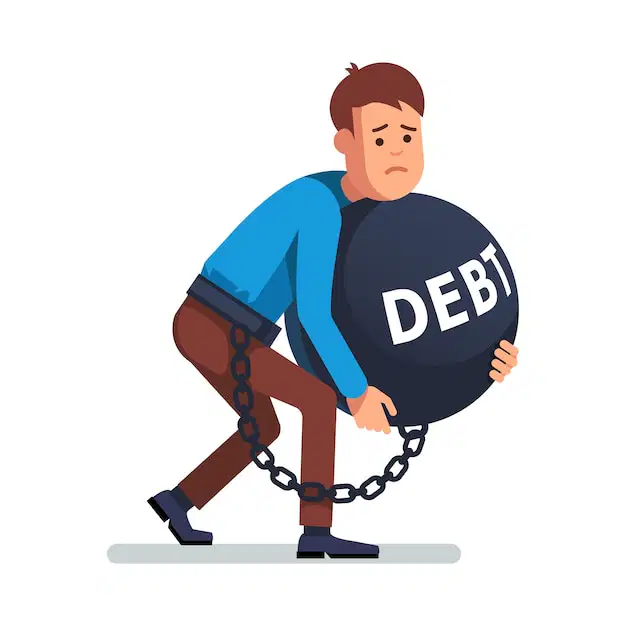
Which of the following is the best definition of debt?
An arrangement to borrow money and repay it later
The amount owed by a borrower to the lender
A legal arrangement to buy property
Money owed that does not improve financial situation

What does credit allow you to do?
Increase your net worth
Borrow money now and repay it later
Buy property with a bank loan
Owe money that does not improve your financial situation

What is a mortgage?
A type of bad debt
An arrangement to borrow money and repay it later
A legal arrangement to buy property with a bank loan
Money owed by a borrower to the lender
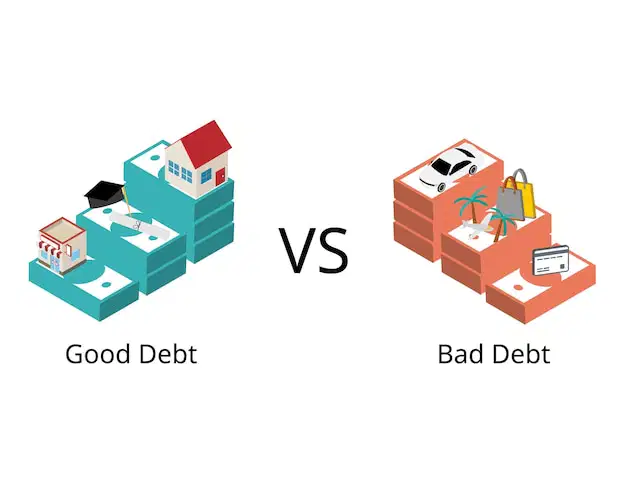
Which of the following is considered 'good' debt?
Credit card debt
Car loans
Study loans or a home loan/mortgage
Money owed that does not improve financial situation

What is 'bad' debt?
Debt that increases your net worth
Money owed that does not improve your financial situation
An arrangement to borrow money and repay it later
A legal arrangement to buy property
What is the largest source of household debt in Australia?
Mortgages for family homes
Car loans
Study loans
Credit cards

Which of the following is NOT a common source of household debt in Australia?
Mortgages
Loans for investment properties
Star Wars Merchandise
Credit cards
What is a competitive advantage?
Anything that places a firm in a better position than its competitors.
A strategy to increase employee salaries.
A method to reduce product quality.
A way to increase production costs.
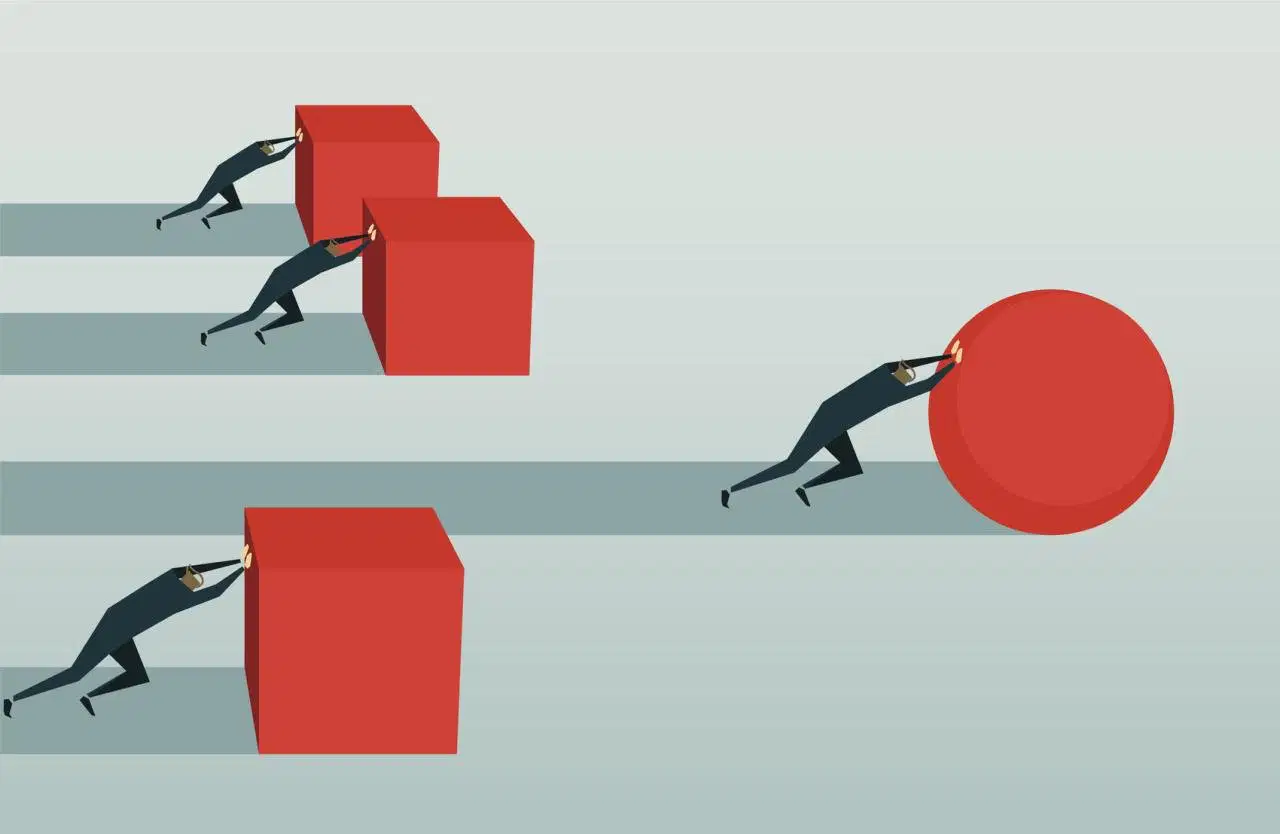
Which of the following is a source of competitive advantage?
Cost leadership
Employee dissatisfaction
Increased production time
Higher product prices
What does cost leadership involve?
Providing a product at a lower price than the competition
Increasing the cost of production
Reducing product quality
Offering fewer product options
What is product differentiation?
Supplying products that are different/better than competitors
Reducing the variety of products offered
Increasing the cost of products
Offering the same products as competitors

What role does successful marketing play in a firm?
It decreases the firm's competitive advantage.
It boosts the firm's competitive advantage.
It has no effect on the firm's competitive advantage.
It makes the firm's products more expensive.

What can marketing convince people to do if done well?
Ignore the product.
Buy the product even if better options are available.
Wait for a sale.
Choose a competitor's product.

What is a benefit of targeted online marketing?
Reaches fewer generations
Sends advertisements to those consumers most likely to buy those products.
It spreads advertisments to everyone.
Reduces advertisement frequency
How can social media benefit a brand?
By reducing customer interaction
By allowing consumers to learn more about the brand
By limiting the brand's online presence
By focusing only on traditional marketing
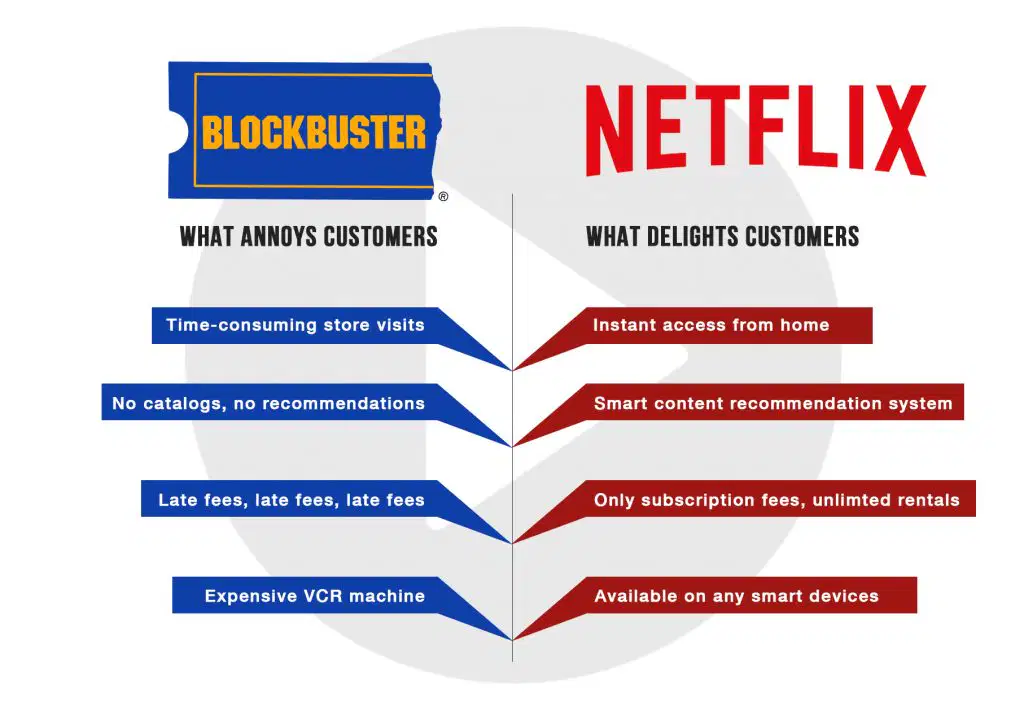
Why do firms need to foster innovation?
To reduce costs
To remain competitive
To increase staff
To decrease production
What role does government help play in fostering innovation?
It increases competition
It supports research and development to reduce risk
It limits intellectual property rights
It focuses on short-term profits
What is the purpose of intellectual property laws in fostering innovation?
To allow firms exclusive benefits to ideas for a period of time
To increase competition
To reduce government intervention
To focus on managerial culture
What is a Transnational Corporation (TNC)?
A company that operates in only one country.
A company that operates in more than one country at the same time.
A company that only sells products online.
A company that is owned by the government.
What is globalisation?
The process of increasing connection and interdependence between countries through trade, technology, and the movement of people and information.
The isolation of countries to protect local industries.
The reduction of international trade barriers.
The increase in local production and consumption.
What does interdependence mean in an economic system?
The way consumers and producers rely on each other to obtain products they cannot make themselves.
The complete independence of countries in producing all goods.
The reliance on a single country for all economic needs.
The elimination of trade between countries.
Why can large companies often produce items more cheaply than smaller ones?
They have fewer employees
They benefit from economies of scale
They use more expensive materials
They have less competition
What is driving globalization?
National comparative advantage
Reduced transportation costs
Communications development
Removal of trade barriers
What is national comparative advantage?
The ability of a country to produce goods at a lower opportunity cost than others.
The ability of a country to produce all goods more efficiently than others.
The ability of a country to import goods at a lower cost.
The ability of a country to produce goods with higher quality than others.
Why is Australia able to produce minerals like iron and gold at a lower cost?
Due to its advanced technology.
Due to its natural comparative advantage.
Due to its large population.
Due to its high import rates.
What gives Southeast Asian nations a comparative advantage in manufacturing?
Access to advanced technology.
Access to a large pool of labor at a lower cost.
Access to abundant natural resources.
Access to high-quality education.
What has contributed to reduced transportation costs according to the text?
Advances in transport technologies
Increased fuel prices
Decreased demand for shipping
Higher import taxes

What innovation has greatly reduced shipping costs over the last 50 years?
Containerisation
Digital marketing
Renewable energy
Automated driving
What is one effect of reducing trade barriers like tariffs and import quotas?
It makes imported items more expensive.
It makes it harder to trade with other nations.
It makes imported items cheaper compared to locally produced products.
It discourages the development of the global economy.
How have governments encouraged the development of the global economy?
By increasing tariffs on imports.
By forming free trade agreements between nations.
By restricting trade with other countries.
By promoting local products over imported ones.
Failure to repay debts could result in?
Repossession of goods (shops taking back things you can't pay for)
Money taken from wages each pay
Risk of being sued
Bankruptcy
Select all that is a form of Good Debt
Mortgage
Credit Card
Student loan
Macy's Credit card
What is the basic economic problem?
How do we achieve economic growth
The need to increase GDP
Resources are scarce but our wants are infinite
How to create businesses to make money
What is a market?
any situation where people exchange goods and services
a physical place, such as Coles supermarket, where goods are purchased
an informal collection of stalls selling crafts, food products and souvenirs
where stocks and shares are traded

Money flows to workers (households) in the form of wages, and money flows back to firms (sellers or producers) in exchange for products is a description of
The circular flow model
The economic problem
An opportunity cost
A value proposition canvas

