
NEW
Font size
 Worksheets
Unit 1 The Solar System and Universe Vocabulary PART 2
Total questions: 17
Worksheet time: 9mins
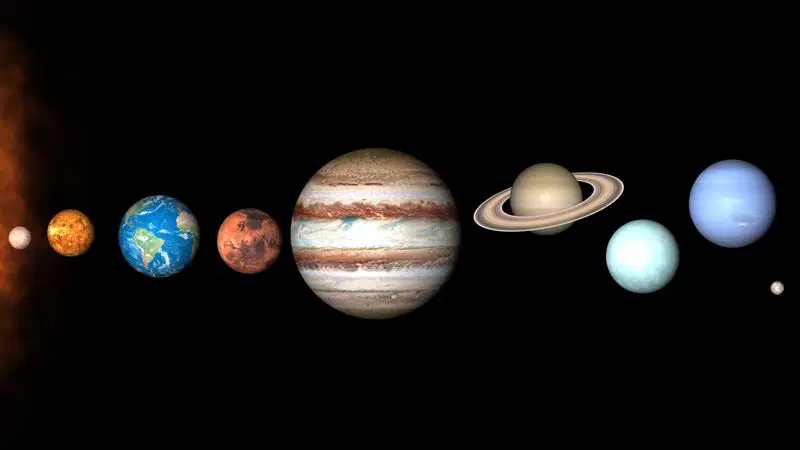
What is a planet?
A relatively large spherical body that orbits a star.
A small rocky body orbiting the sun, mostly found between Mars and Jupiter.
A natural satellite orbiting a planet.
A luminous celestial object made of plasma held together by gravity.
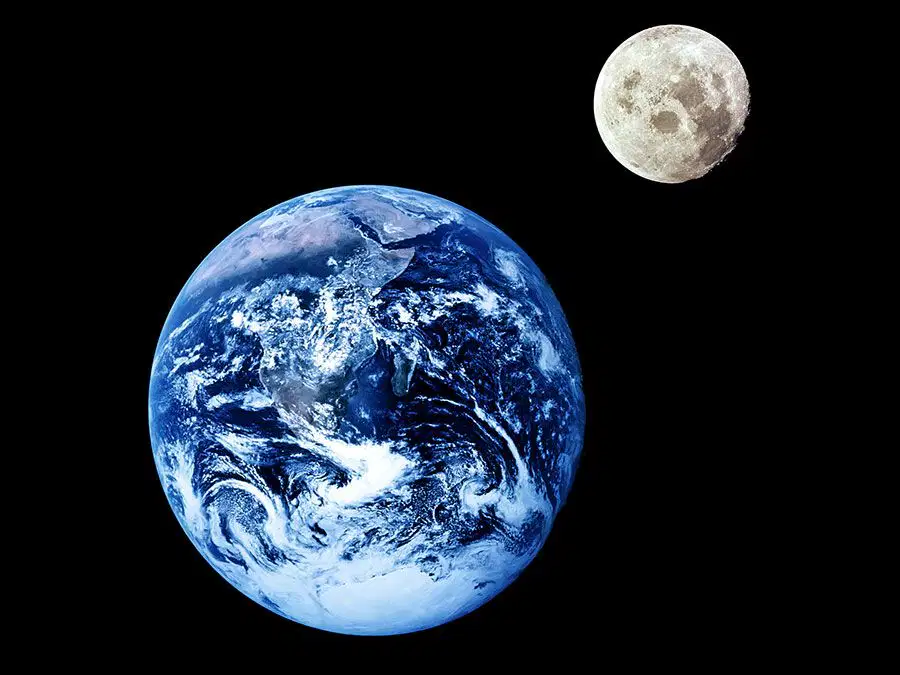
A satellite is:
a natural celestial body orbiting a planet
a type of star
a type of galaxy
a type of comet
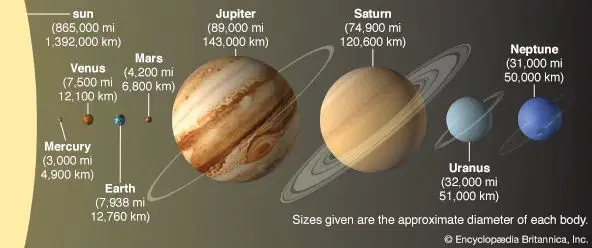
A terrestrial planet is:
A planet with a solid rocky surface
A planet made entirely of gas
A planet with rings
A planet that orbits a star
What is gravity?
A force that attracts objects towards each other
A type of electromagnetic radiation
A chemical reaction
A form of energy
What is rotation?
The spin of a body on its axis.
A process of increasing the size of an object.
A method of changing the color of an object.
A technique for measuring the weight of an object.
Revolution is a:
One complete trip along the orbit
A type of dance
A weather phenomenon
The spin of a body on its axis

An astronomical unit is a measure of:
distance between the Earth and the Sun
distance between the Earth and the Moon
distance between the Sun and the nearest star
distance between the Earth and Mars

An asteroid is a:
planet
star
small rocky body orbiting the sun
comet
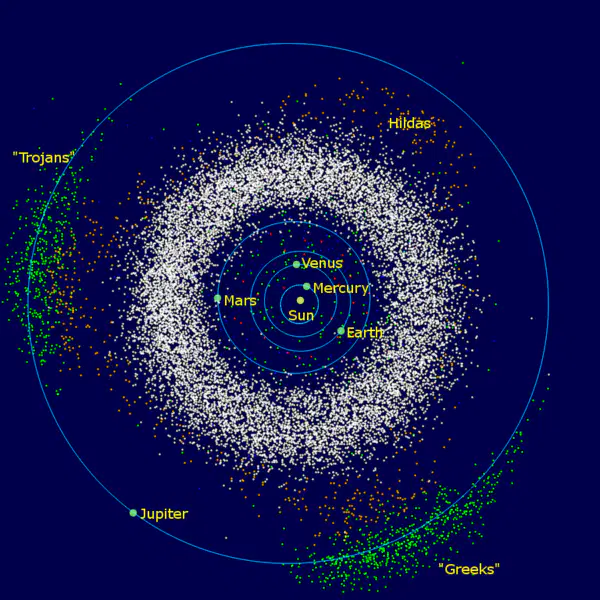
What is an asteroid belt?
A region of space between the orbits of Mars and Jupiter where most asteroids are found
A type of belt worn by astronauts
A ring of dust and ice around a planet
A type of galaxy far away from Earth

A meteoroid is a ______
A large planet in the solar system
A small rocky or metallic body in outer space
A type of star
A comet
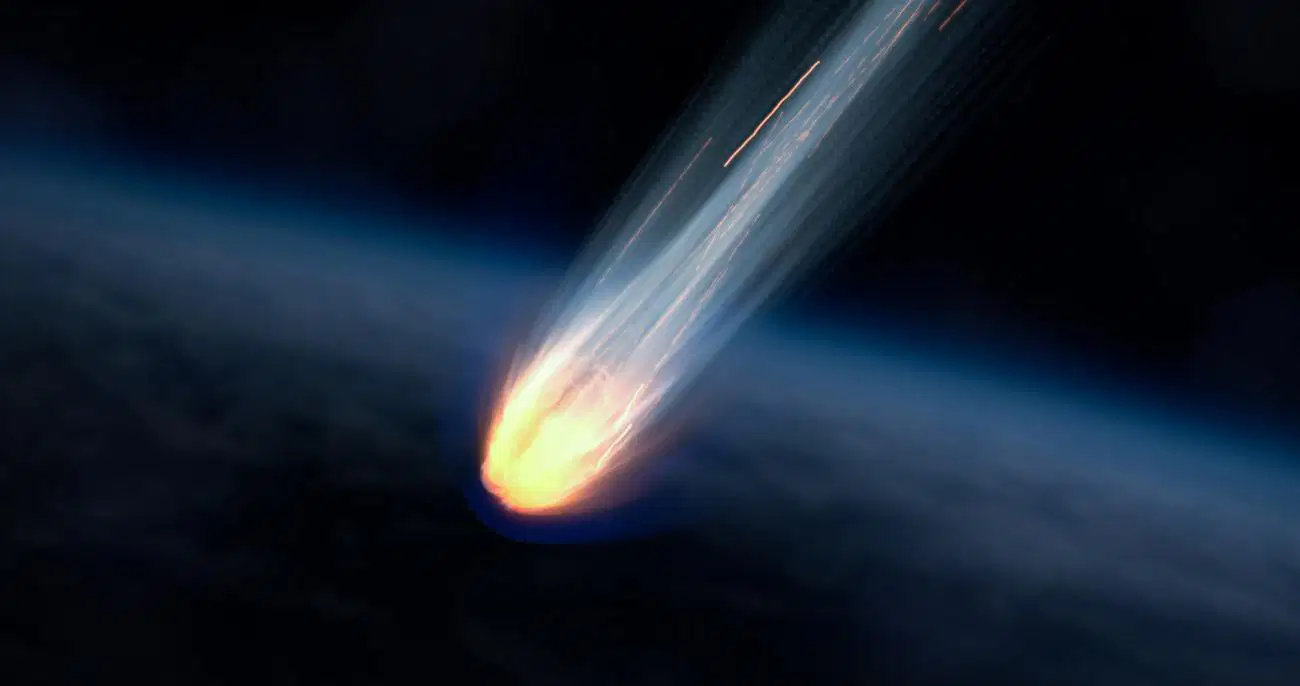
A meteor is a:
A relatively small, rocky body that travels through space
comet
A bright streak of light that results when a meteoroid burns up in Earth’s atmosphere
A meteoroid that reaches Earth’s surface without burning up completely

A meteorite is:
A bright streak of light that results when a meteoroid burns up in Earth’s atmosphere
a rock from space that hits the Earth's surface
A relatively small, rocky body that travels through space
a type of rock
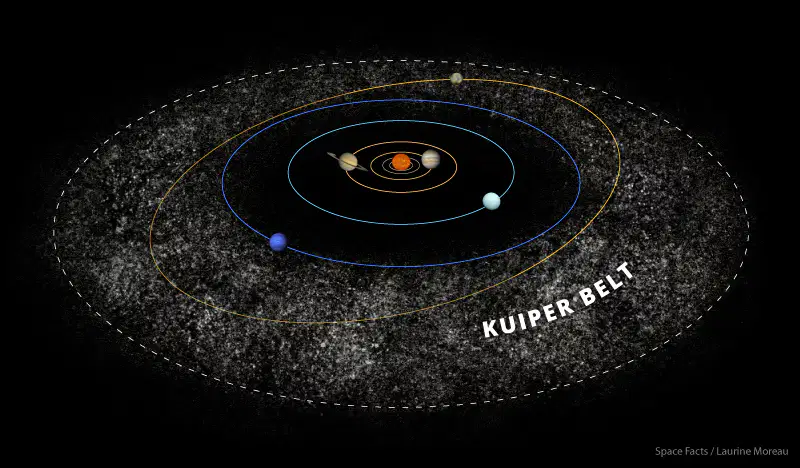
The Kuiper Belt is:
a region of the Solar System beyond the orbit of Neptune, populated with many small icy bodies
a type of asteroid belt located between Mars and Jupiter
a large cloud of gas and dust surrounding the Sun
a distant galaxy cluster

A comet is _________
A celestial object with a nucleus of ice and dust, having a tail when near the sun
A type of star
A relatively small, rocky body that travels through space
A satellite orbiting Earth
The Oort Cloud is:
a region of space containing icy bodies and comets surrounding the solar system
a type of cloud found in the Earth's atmosphere
a galaxy located near the Milky Way
a star cluster in the Andromeda galaxy

The appearance of the gas and dust given off by a comet as it moves through space around the Sun; it faces away from the Sun
Comet's tail
Comet's nucleus
Asteroid
Comet head
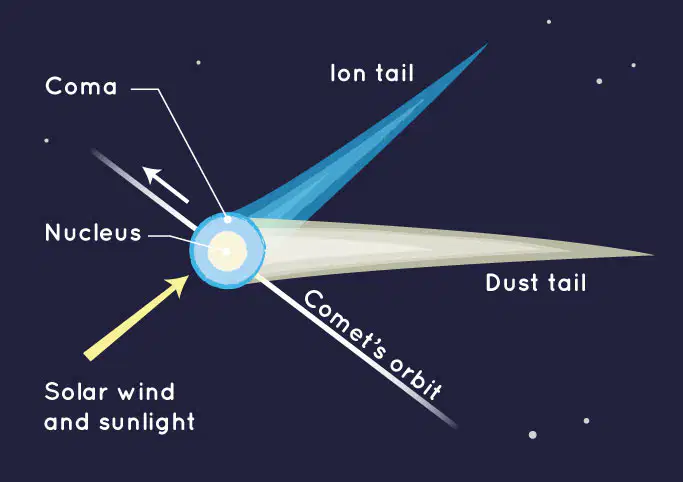
The frozen center of a comet
Rock
Center
Tail
Nucleus

