
 Worksheets
Unit Science Q4
Total questions: 155
Worksheet time: 2hrs 52mins
is the bouncing of light.
(a)
The lens of your eyes creates an image of the object at the
part of your eye called the (a) .
The (a) behind the retina sends a message to
the brain about the image.
A (a) is an object that reflects light and produces a laterally inverted image as it
bounces back the light that hits on its surface.
(a) is the bending of light.
is a transparent material that refracts light and produces an image.
(a)
when light will not be reflected, instead converted into heat.
(a)
(a) materials can transmit all the light.
materials do not transmit light.
(a)
(a) materials can transmit only some light.
it is formed when the light is blocked.
(a)
is the bouncing of light as it strikes a surface.
Reflection
Refraction
Absorption
Transmission
is the bending of light as it passes through materials.
Reflection
Refraction
Absorption
Transmission
involves absorbing light and converting it to heat.
Reflection
Refraction
Absorption
Transmission
happens when light is allowed to pass through an object.
Reflection
Refraction
Absorption
Transmission
Opaque objects transmit light.
True
False
Light reflects from objects that you see.
True
False
Heat becomes light every time a black object hits the light.
True
False
You can see because objects reflect from your eyes.
True
False
When light passes through a transparent window, it refracts.
True
False
A shadow is formed in areas where light is blocked.
True
False
The object looks shorter or distorted underwater.
True
False
It is called a translucent object if it can transmit all light.
True
False
Water absorbs light and converts it to heat.
True
False
Light interacts with different kinds of objects.
True
False
it is composed of of various electromagnetic waves such as
X-rays, infrared radiation, and ultraviolet radiation.
(a)
The visible portion of the
electromagnetic spectrum is called (a) .
refers to the separation of white light into its component colors.
(a)
is a transparent object that disperses white light into different colors.
(a)
An incandescent bulb is a source of white light.
True
False
A red shirt absorbs red light and reflects all the other colors.
True
False
A black shirt absorbs black light and reflects all the other colors.
True
False
Different colors of visible light slow down when it enters the prism.
True
False
A water droplet can be like a prism and disperses white light.
True
False
White light changes speed as it travels through a prism.
True
False
Red light and violet light have different speeds in a medium.
True
False
The red light is the slowest and most bent color.
True
False
The violet light is the fastest and least bent color.
True
False
When light is absorbed, it is converted to heat.
True
False
It can appear when white light travels through drops of water.
(a)
It is how the object appears when it absorbs all the light.
(a)
It is an object that can split white light into different colors of visible light.
(a)
It is the separation of white light into the colors of visible light because of refraction.
(a)
It is the combination of all the colors of the rainbow.
(a)
It is the abbreviation of all the colors of visible light.
(a)
It refers to the bouncing back of light when it hits an object.
(a)
It is the fastest color of visible light.
(a)
It is the slowest color of visible light.
(a)
It symbolizes the separated colors of visible light.
(a)
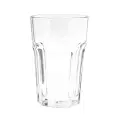
Write TR if the material is transparent, TL if the material is translucent, and
OP if the material is opaque. Write your answer on the space provided.
(a)
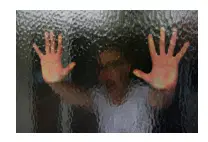
Write TR if the material is transparent, TL if the material is translucent, and
OP if the material is opaque. Write your answer on the space provided.
(a)
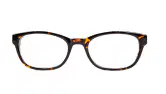
Write TR if the material is transparent, TL if the material is translucent, and
OP if the material is opaque. Write your answer on the space provided.
(a)
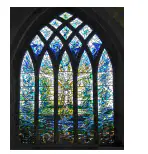
Write TR if the material is transparent, TL if the material is translucent, and
OP if the material is opaque. Write your answer on the space provided.
(a)
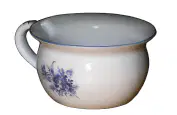
Write TR if the material is transparent, TL if the material is translucent, and
OP if the material is opaque. Write your answer on the space provided.
(a)
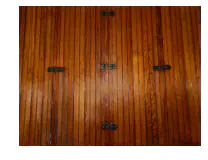
Write TR if the material is transparent, TL if the material is translucent, and
OP if the material is opaque. Write your answer on the space provided.
(a)
When a sound wave hits a hard surface, and cannot pass through, the sound bounces back.
The bouncing back of the sound is called (a) .
it is a repeated sound reflected
from a hard surface.
(a)
Sound reflected multiple times is called (a) .
is the use of reflected sound to locate an object.
(a)
(a) allows bats to know the exact location of possible food when they hunt
in the dark.
sound waves are refracted away from the warm air and bent upward towards the cooler air
True
False
When the air near the ground is warmer than the cold air above, sound waves bend
downward.
True
False
Materials that are soft absorb sound better than
rigid materials.
True
False
uneven and porous surfaces absorb sound better than smooth
materials
True
False
When sound hits a soft material like a pillow, most of the sound is absorbed and is converted to fuel energy.
True
False
The curtains and chairs in this auditorium will increase the clarity of sound because
there will be fewer chances for echoes to occur.
True
False
Sound reflects on soft surfaces only.
True
False
Sound that passes through a surface is transmitted.
True
False
The kind of material determines whether the sound will be
absorbed or not.
True
False
Sound that is not absorbed and transmitted becomes heat.
True
False
Bats can use the reflection of sound for them to know where
to go to dark places.
True
False
Reverberation is higher in a bigger space than in an enclosed
space.
True
False
Sound is transmitted faster through thicker materials.
True
False
The temperature of a medium affects the speed of the sound.
True
False
Refraction happens when the sound waves bend as they
travel.
True
False
Hard objects absorb sound better than soft objects.
True
False
The walls of their classroom can (a) sound because students from the
classroom beside them can still hear them even when their door is closed.
The chirping of birds became louder at the camp because sound (a)
better during cold nights.
The soft walls and carpet in her room (a) sound, so when you sleep
over for fun movie-watching, you won’t be disturbing her parents with our noise.
There must have been another mountain other than the one he was on top of.
That is why his shout produced an (a) back to him.
Sound waves change (a) as they travel through the air at different
temperatures.
It depends on the (a) of the object if the sound will be absorbed or
transmitted.
(a) will occur when we talk in an empty and enclosed room.
Bats are using (a) when they find food in the dark.
The hall was so big and empty that you could hear the (a) of your
footsteps when you passed by.
Sound could be formed once it hits its (a) .
is glass that is made into a transparent wire-like material.
(a)
Fiber optics are like superhighways, and light is the fastest vehicle that can carry
information through these glass cables.
True
False
Unpleasant sound is also described as (a) , which can be harmful physically and emotionally.
the technology that bump off sound waves outside the earpieces
to prevent sounds from getting into your ears other than your music.
(a)
Ultrasonic frequency is also known as
(a)
Light can carry information and travel through (a) .
Telescope, microscope and camera all have (a) .
The use of artificial light helps increase people’s (a) especially at night.
Reflection of (a) is used to produce a picture of an internal organ.
The focused beam of (a) can cut through hard objects such as rocks
and metal.
is a narrow and focused beam of light that can be used for different purposes such as
cutting metals and eye surgery.
Light Amplification by Stimulated Emission of Radiation
Laser Amplification by Stimulated Emission of Radiation
Light Amplification by Stimulated Environment of Radiation
Light Amplification by Stimulated Emission of Radio
Sound will reflect better on the soft and bumpy walls in a music
studio.
True
False
Light can travel through fiber optics to reach different parts of
the world.
True
False
Different colors of visible light are used to project images on TV
screens.
True
False
The high volume of ultrasound produces images inside the
body.
True
False
A noise-canceling device absorbs sound from the headphones
to prevent noise.
True
False
LASER is used to eliminate abnormal eye cells without
damaging other parts of the eye.
useful
harmful
Fiber optic speeds up communication and internet
connectivity.
useful
harmful
Excessive exposure to loud sound through headphones can
cause temporary ear damage.
useful
harmful
Sound waves are used to locate things underwater through
sonar.
useful
harmful
Blue light from mobile devices can cause eye strain.
useful
harmful
The medical practitioner can view the image created by
reflected ultrasound using a computer monitor.
useful
harmful
Sound absorbing materials line the walls of music studios.
useful
harmful
Directly looking at the bright light in a dark place.
useful
harmful
Artificial lights enable people to extend their working and
socializing hours.
useful
harmful
Listening to sounds with too much high frequency.
useful
harmful
is the movement of electrons along a path that flows from negative to positive.
(a)
The path in which the current flows is called a (a) .
This is the source of energy in an electric circuit.
(a)
It opens or closes the circuit.
(a)
It connects the load and the source.
(a)
This object consumes the electrical energy in a circuit.
(a)
Type of an electric circuit where the electricity flows
completely.
(a)
It is the type of electric circuit where the electricity flow is interrupted.
(a)
This happens when two or more wires that are not
supposed to be touching each other become in contact.
(a)
The movement of electrons along a path that flows from
negative to positive.
(a)
Type of object where electricity cannot flow
(a)
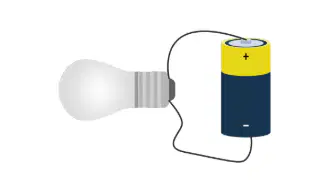
Choose YES if the circuit diagram shows a bulb that will light up and cross
NO if not.
YES
NO
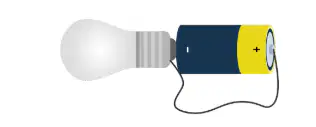
Choose YES if the circuit diagram shows a bulb that will light up and cross
NO if not.
YES
NO
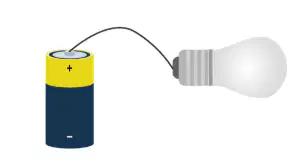
Choose YES if the circuit diagram shows a bulb that will light up and cross
NO if not.
YES
NO
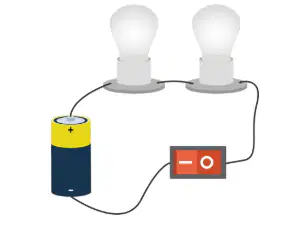
Choose YES if the circuit diagram shows a bulb that will light up and cross
NO if not.
YES
NO
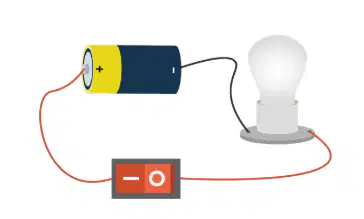
Choose YES if the circuit diagram shows a bulb that will light up and cross
NO if not.
YES
NO
Electricity flows completely in an open circuit.
true
false
A wire that is disconnected from the switch shows a closed circuit.
True
False
Electric current is the movement of electrons along a path.
True
False
Electric current flows from the negative end to the positive end.
True
False
A material that has a property of a conductor is often used as a
wire in a circuit.
True
False
electric current flows through all the electric devices in one path.
(a)
each bulb is connected to the battery separately.
(a)
The bulbs are connected to one after another in a single chain.
parallel circuit
series circuit
Each bulb is connected to the battery separately. Thus, each
bulb is a part of a different circuit.
Parallel Circuit
Series circuit
When one bulb is loosened, taken out, or busted in this circuit,
the other bulbs still light up.
Parallel circuit
series circuit
When one bulb gets busted or removed, all the other bulbs in
the circuit will not light anymore.
Parallel circuit
Series circuit
The electric current can still flow through the other paths and
maintain a complete circuit.
Parallel circuit
series circuit
When more bulbs are added to this circuit, the brightness of
each bulb decreases.
Parallel circuit
series circuit
The loads in this circuit are connected in more than one path.
Parallel circuit
Series circuit
The busted or loosened bulb opens the pathway, so the flow
of electric current stops.
Parallel circuit
Series Circuit
The bulbs have the same brightness initially, but they become
dimmer when more bulbs are added.
Parallel circuit
series circuit
Each bulb in the circuit uses only the amount of current it
needs enough to light up to its full brightness.
Parallel circuit
Series circuit
This is used in making ceiling lamp decorations.
Parallel circuit
Series circuit
This is used for making Christmas lights.
Parallel circuit
Series circuit
This is applied in lighting the whole house.
Parallel circuit
Series circuit
This is used for making a simple refrigerator.
Parallel circuit
series circuit
This can be used in receptacle wings for safety.
Parallel circuit
Series circuit
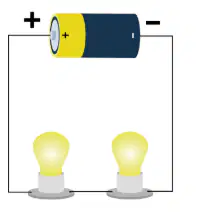
Analyze the following circuit illustrations below. Write P if the illustration shows a
parallel circuit. Otherwise, write S if it is a series circuit.
P
S
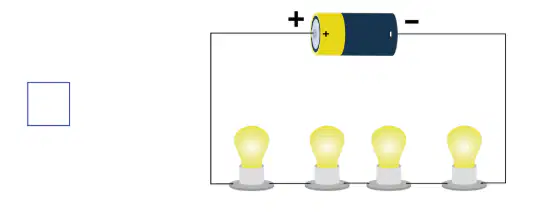
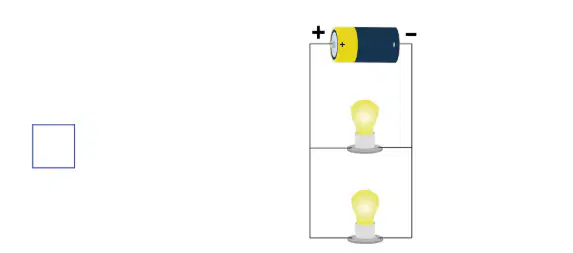
Analyze the following circuit illustrations below. Write P if the illustration shows a
parallel circuit. Otherwise, write S if it is a series circuit.
P
S
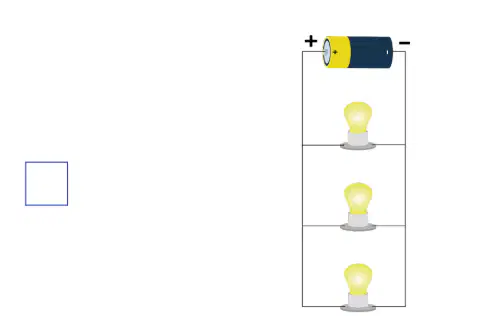
Analyze the following circuit illustrations below. Write P if the illustration shows a
parallel circuit. Otherwise, write S if it is a series circuit.
P
S
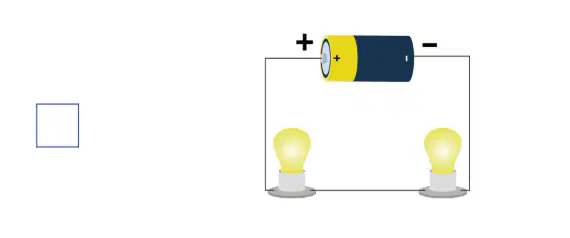
Analyze the following circuit illustrations below. Write P if the illustration shows a
parallel circuit. Otherwise, write S if it is a series circuit.
P
S
Analyze the following circuit illustrations below. Write P if the illustration shows a
parallel circuit. Otherwise, write S if it is a series circuit.
P
S

