
 Worksheets
MP4 Elective Vocabulary Cart Sort Review
Total questions: 48
Worksheet time: 35mins
Biodiversity
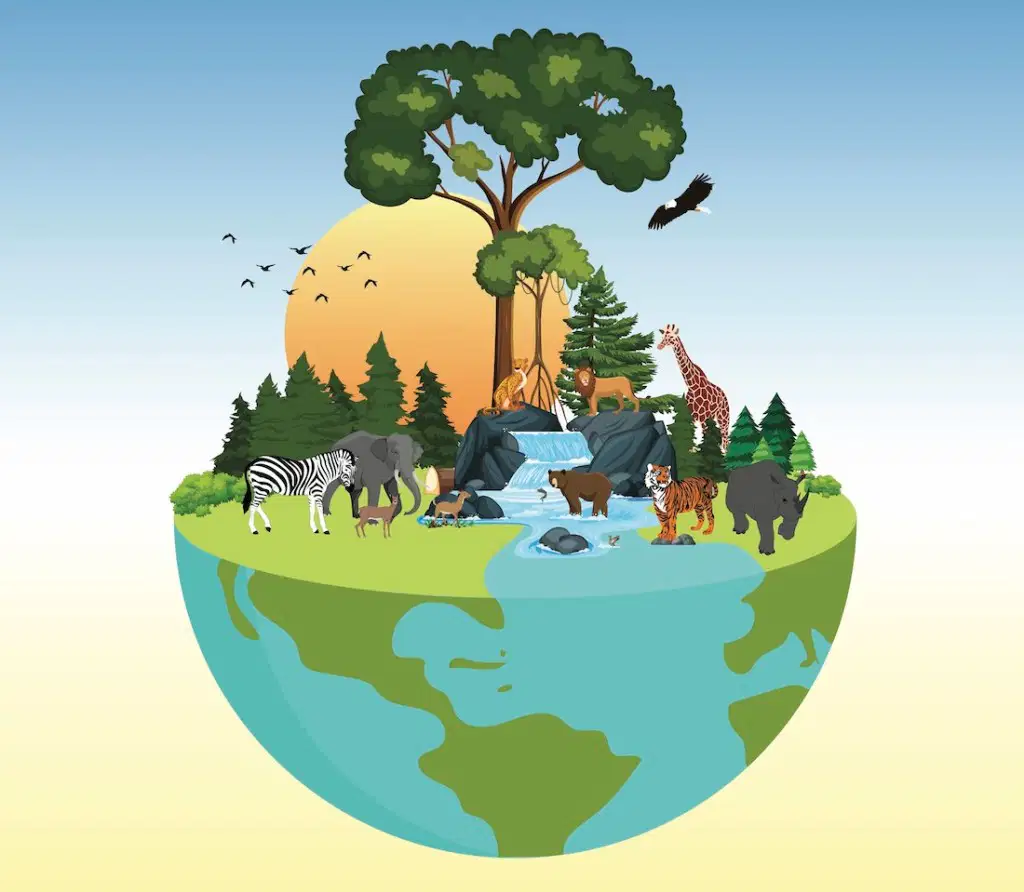
the variety of living things in an area
living things in an environment
a group of living things that are similar and can interbreed
non-living factors in an environment

Endangered species
animals or plants that are at risk of disappearing forever
animals that have successful adaptations and are thriving in an area
a group of the same type of organisms
a group of organisms that are similar

Predator
an animal that hunts and eats other animals
an animal that gets hunted
an animal that is a herbivore
an animal that goes through photosynthesis
Prey
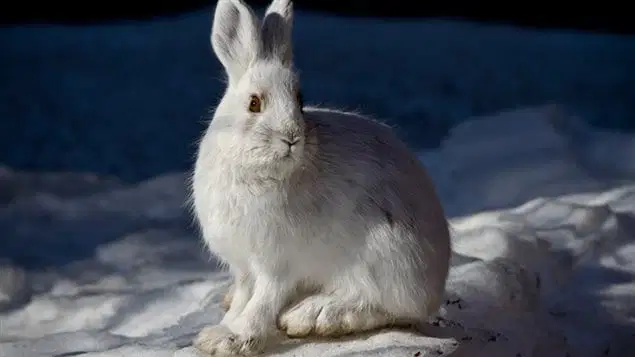
an animal that gets hunted and eaten by other animals
an animal that hunts and eats other animals
a plant
a host to another organism
Abiotic
non-living things in an environment
living things in an environment
a symbiotic relationship
a population in a habitat
Biotic
living things in an environment
non-living things in an environment
a relationship where two different species live closely together
rocks, water, and temperature
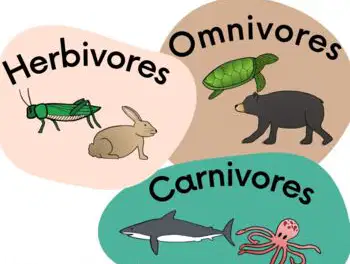
Carnivore
tiger
rabbit
tick
mushroom
Herbivore
rabbit
snake
bee
squirrel
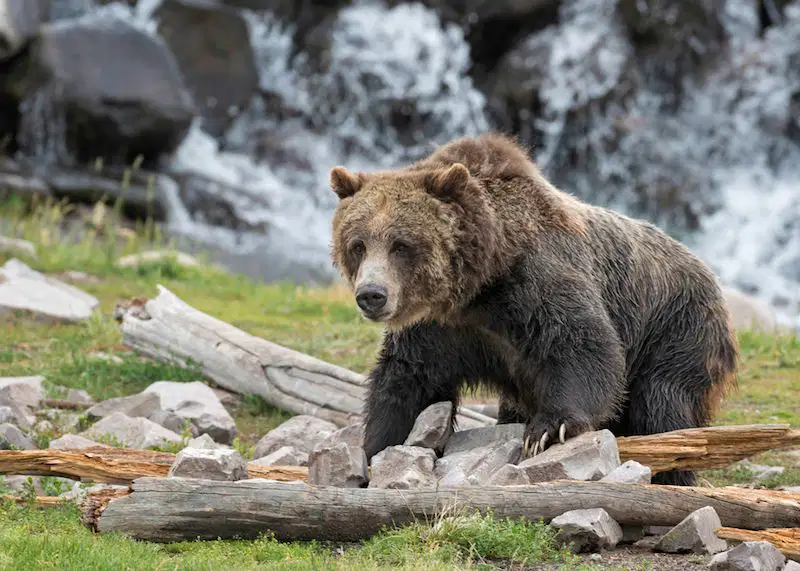
Omnivore
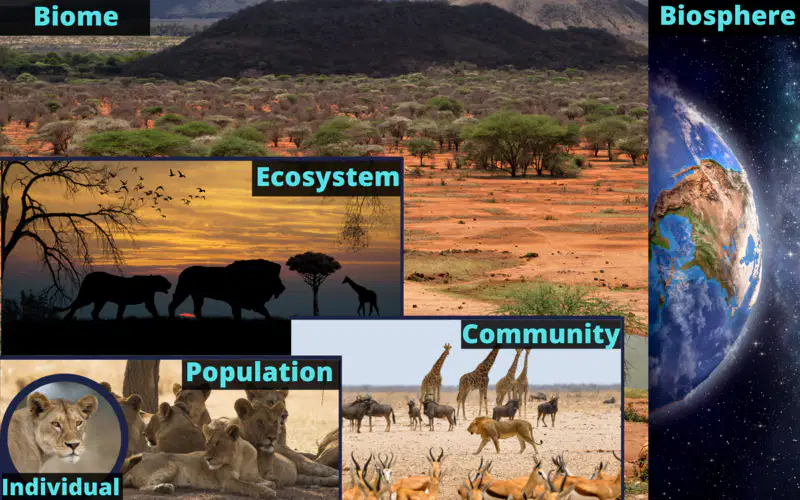
Community
all different living things in one area that interact with each other
all living and non-living things in one area
a population of organisms that are similar and can interbreed
all the deer in a forest

Ecosystem
pond
Tundra
all the living things in an area
all the deer in a forest
Biome
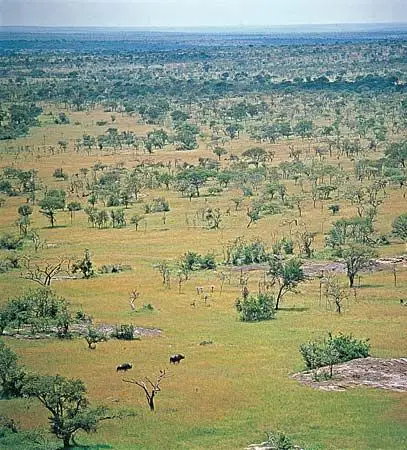
a large area on earth with a certain climate and types of plants and animals
all living things in a small community
all non-living things in one area
the variety of living things in an area
Population
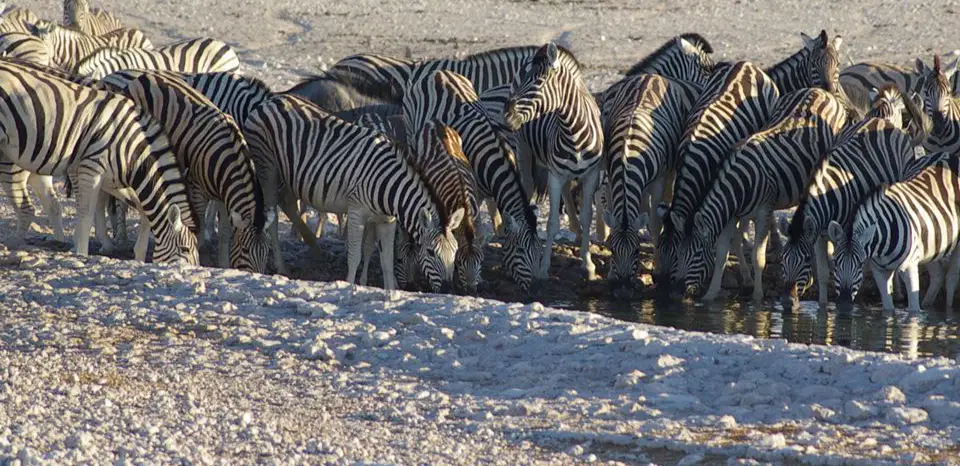
a group of individuals of the same species living in a specific area
all consumers in a specific area
all living things in an area
a small community
Decomposer
herbivore
an organism that eats both plants and animals
an organism that recycles nutrients
an autotroph
Symbiosis
where two different species live close together
similar organisms living in one area
all the different species in an ecosystem
something that an animal does to survive
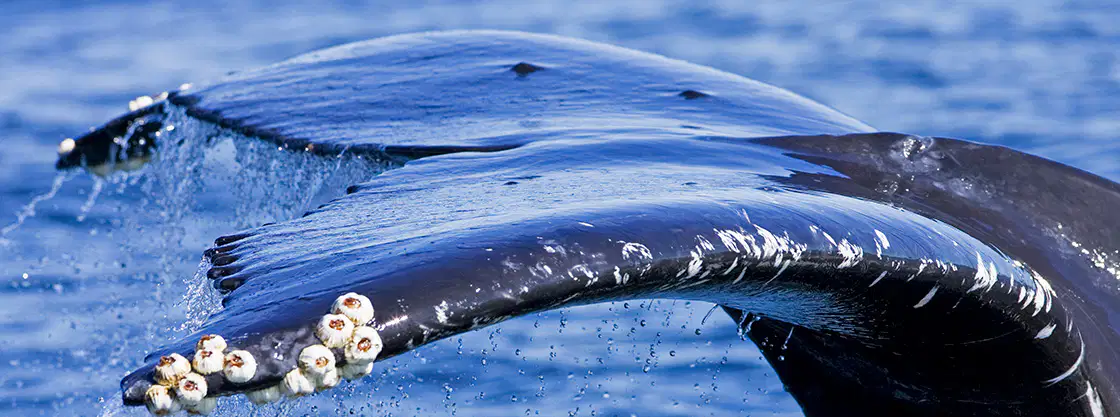
Commensalism
a relationship where both organisms benefit.
a relationship where one organism harms another.
a relationship where one organism benefits and the other is unaffected.
a relationship where both organisms are harmed
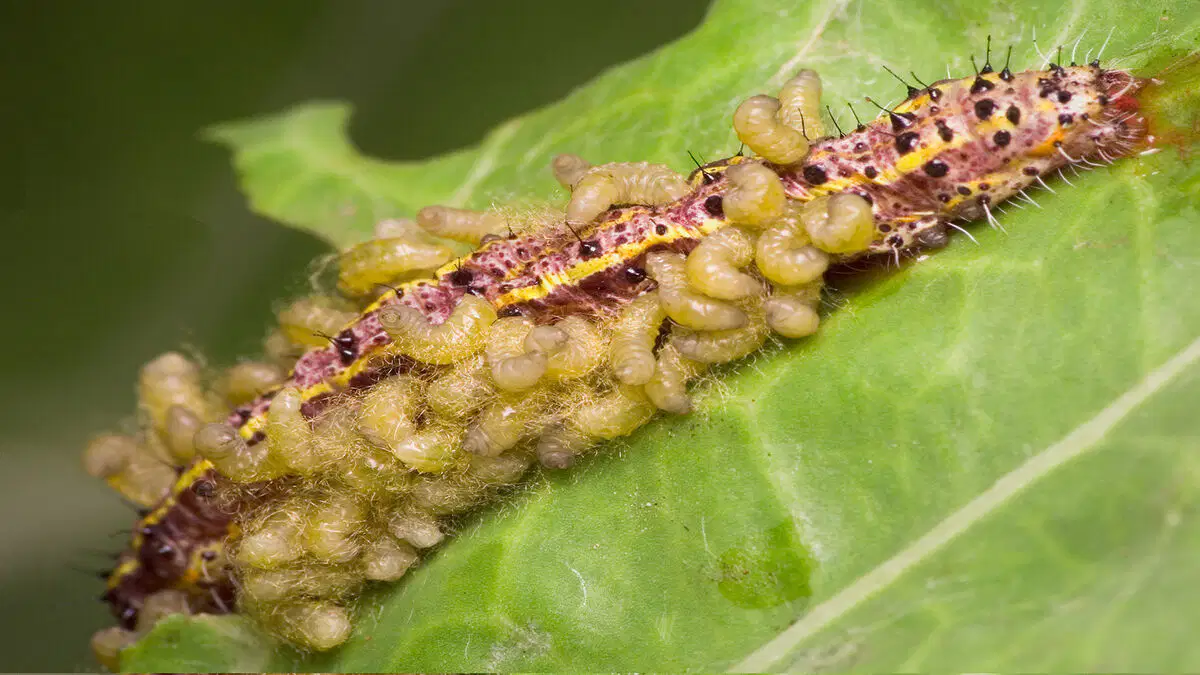
Parasitic relationship
tick and a dog
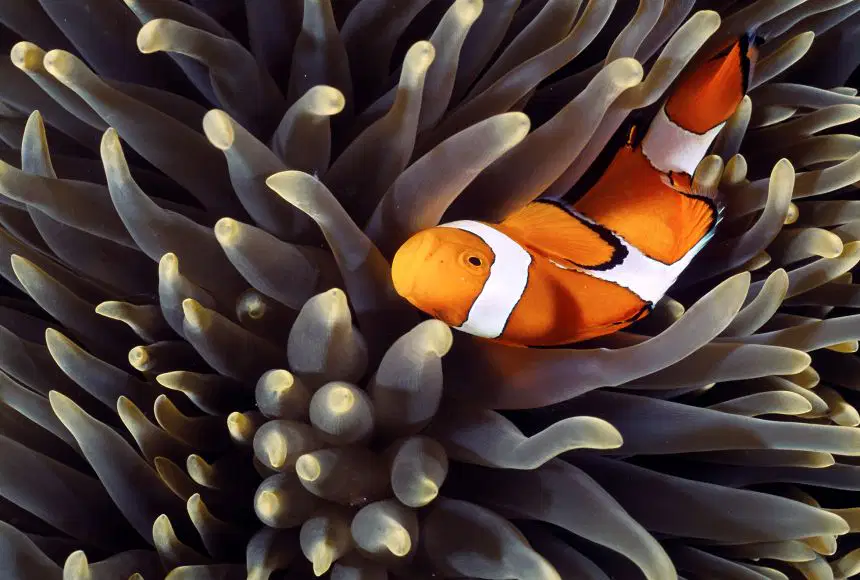
clown fish and sea anemones
bees and flowers
humans and gut bacteria
A mutualistic relationship is when
both species benefit
both species are harmed
one species benefits and the other is not affected
one species benefits and the other is harmed

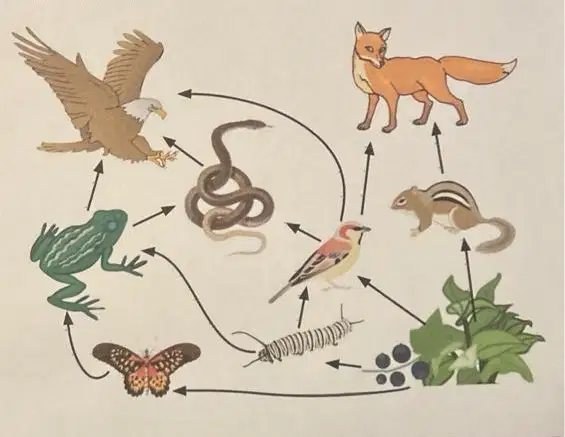
The diagram is a food web because it shows
how different food chains connect in an ecosystem.
only predator-prey relationships.
how energy moves form one living thing to another
only successful organisms within an ecosystem
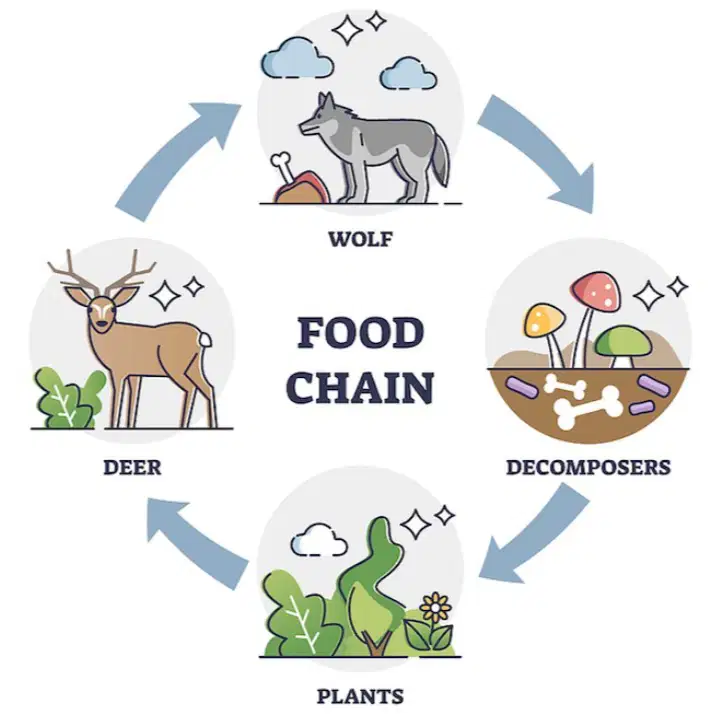
A food chain
shows how energy moves form one living thing to another
shows the predator- prey relationships in a habitat
shows the relationship between the biotic and abiotic factors in a habitat
always begins with a herbivore

Hermit crabs live in shells made and then abandoned by snails. This relationship neither helps nor harms the snails. Which interaction is this?
Parasitism
Mutualism
Commensalism
Competition

Mistletoe extracts water and nutrients from the spruce tree to the trees detriment (causing harm). What type of interaction is this?
Parasitism
Competition
Commensalism
Mutualism


What is the name for all populations of a species living within an certain area?
Community
Ecosystem
Biosphere
Biome
More than one of the SAME species living together in the same area at the same time.
Organism
Population
Community
Ecosystem
Biome
More than one population living and interacting in the same area.
Organism
Population
Community
Ecosystem
Biome
What does high species diversity indicate?
A healthy ecosystem with a wide variety of species coexisting.
A lack of competition among species.
An ecosystem that is prone to diseases.
A decrease in the number of species present.
Which habitat exhibits the greatest biodiversity?
A habitat with 15 different species with about 300 individuals each.
A habitat with 10 different species with about 500 individuals each.
A habitat with 20 different species with about 100 individuals each.
A habitat with 5 different species with about 1000 individuals each.
What is an invasive species?
A species that is native to a specific habitat.
A non-native species that spreads widely in a new habitat, often causing harm to native species and ecosystems.
A species that is endangered and protected by law.
A species that has been introduced for agricultural purposes.
Abiotic factors are
The living parts of an environment
The non-living parts of the environment
All the organisms that live in an area
None of the above
The arrows in a food chain represent
The flow of electrons
How water moves through a habitat
The flow of energy from one organism to another
How sunlight moves through a system
An organism that obtains energy by consuming plants and animals.
Omnivore
Carnivore
Herbivore
Insectivore
The living parts of an ecosystem
Biotic factors
Abiotic factors
Animals
Molecules
Shows ALL the feeding relationships between plants and animals and how they connect.
Food Chain
Food Web
Lines
Ecosystem

The rabbit in this food web is a
Producer
Primary Consumer
Secondary Consumer
Tertiary Consumer
Which statement describes an autotroph?
It is an organism that makes its own food.
It is an organism that eats other organisms.
It is an organism that eats decaying matter.
None of the above.

What are the five levels of environmental organization, from largest to smallest?
biosphere, ecosystem, community, population, organism
ecosystem, biosphere, population, organism, community
biosphere, population, ecosystem, community, organism
biosphere, ecosystem, population, community, organism
Which are NOT considered heterotrophs?
herbivores
carnivores
decomposers
producers


If a disease strikes the snake population in the food chain shown, what will be the initial effect on the populations of hawks and rabbits?
The populations of hawks and rabbits will decrease.
The populations of hawks and rabbits will increase.
The population of hawks will increase. The population of rabbits will decrease.
The population of hawks will decrease. The population of rabbits will increase.
Climate change can alter the distribution of species in an ecosystem. Which factor is primarily responsible for these changes?
Migration patterns
Temperature shifts
Solar energy variations
Ocean currents

