
 Worksheets
Unit 2 - Energy, Materials, System and Devices
Total questions: 70
Worksheet time: 38mins
Which of the following is a renewable energy source?
Oil
Wind
Coal
Natural Gas
What is a key disadvantage of non-renewable energy sources?
They are unlimited
They cause pollution
They are always available
They are cheap
Which energy source is non-renewable?
Solar
Geothermal
Natural Gas
Wind
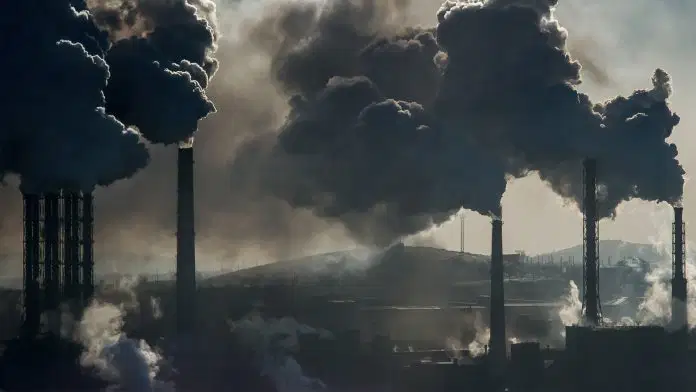
What is a major environmental impact of burning fossil fuels?
Clean air
Water purification
Air pollution
Soil improvement
Which of the following is a future energy innovation?
More coal mining
Carbon capture technology
Increased oil drilling
Diesel engines

What is an advantage of using solar energy?
It is always available at night
It produces no emissions during operation
It is the cheapest form of energy
It requires no equipment
Which of the following is true about wind energy?
It is a finite resource
It can be used without wind
It depends on weather conditions
It emits carbon dioxide
Why is coal usage declining?
It is too cheap
It is too abundant
It has a high environmental impact
It is renewable

What is a benefit of hydroelectric power?
It is non-renewable
It produces a lot of waste
It is a stable energy source
It relies on fossil fuels
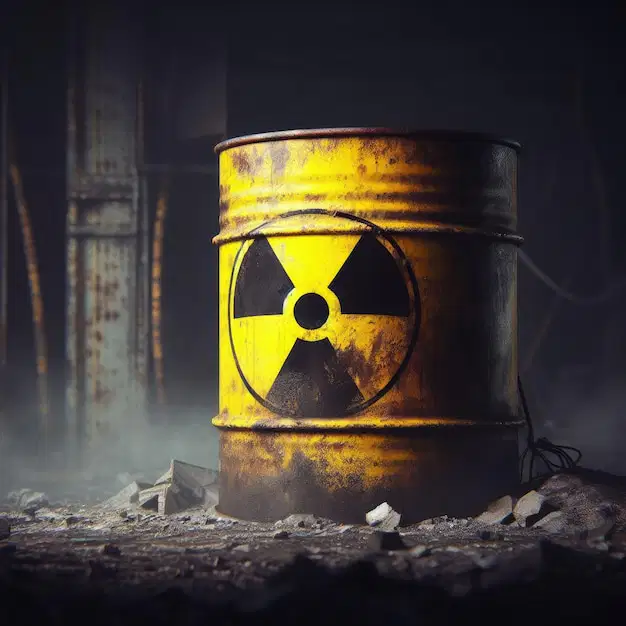
What is a risk associated with nuclear energy?
It produces no waste
It is renewable
Radioactive contamination
It depends on weather
Which of the following is an example of Biomass?
Coal
Food Waste
Uranium
Natural gas
What is a challenge of using renewable energy?
High fossil fuel costs
Variability of supply
Lack of interest
Too many resources
How can energy efficiency be improved in homes?
Using incandescent bulbs
Installing double-glazed windows
Increasing water usage
Using more fossil fuels
What is the main goal of future energy innovations?
Increase fossil fuel use
Reduce costs at any environmental cost
Create sustainable energy solutions
Eliminate all energy forms
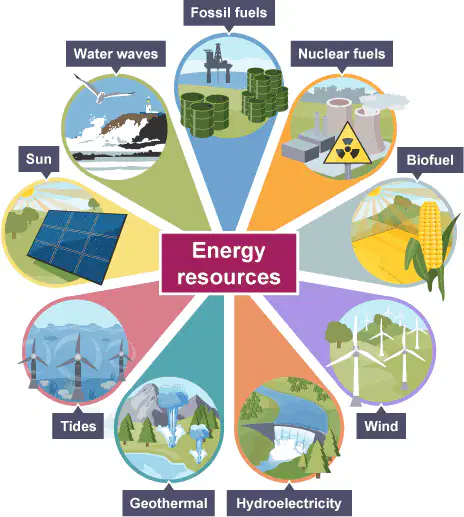
Why is it beneficial for a nation to gather energy from a variety of sources?
To ensure costs are down
To produce high greenhouse gases
To ensure there is a constant and reliable supply of energy
To make sure fossil fuels run out more quickly
What is the primary purpose of a system diagram in design and technology?
To provide a detailed list of materials
To illustrate the flow of information and processes
To calculate the cost of production
To show the aesthetic design of a product
Which of the following is a common input device in a system?
LED
Motor
Sensor
Speaker
In a systems approach, what is the role of a process block?
To store data
To convert inputs into outputs
To display information
To power the system
Which of the following is an example of an output device?
Microcontroller
Thermistor
Buzzer
Resistor
What is the function of feedback in a system?
To increase the speed of the system
To provide information about the output to adjust the input
To reduce the cost of production
To enhance the aesthetic appeal
Which of the following best describes a closed-loop system?
A system with no feedback
A system that operates manually
A system that uses feedback to control its operation
A system that is always on
What is a common use of a microcontroller in a system?
To act as a power source
To process data and control devices
To amplify sound
To measure temperature
Reorder these stages of an electronic system into a typical order
Input
Process
Output
Which of the following is an advantage of using a systems approach in design?
It limits creativity
It increases the complexity of the design
It ensures a structured and organised process
It reduces the need for collaboration
What is the primary benefit of using flowcharts in system design?
To reduce the cost of materials
To visually represent the sequence of operations
To enhance the colour scheme of the product
To increase the size of the product
What is the role of a sensor in a system?
To provide visual output
To detect changes in the environment
To power the system
To store data

Which of the following is a characteristic of an open-loop system?
It requires manual intervention
It operates without feedback
It is always on
It uses feedback to adjust its operation
What is the main advantage of using a microcontroller in a system?
To increase the size of the system
To reduce the need for sensors
To simplify the control of complex processes
To enhance the aesthetic design
Which technique is specifically mentioned as being used for the design of electronic devices?
Pie Charts
Isometric Drawing
Flow Charts
Mood Boards

Which two words can go in this symbol? [2 answers]
Start
Input
End
Output
Which of the following are valid flowchart symbols?


This shapes below indicate the different steps in a system. Match the below shapes to their correct step in a flow chart.

Process

Start/End

Input/Output

Arrow (shows flow direction)

Decision
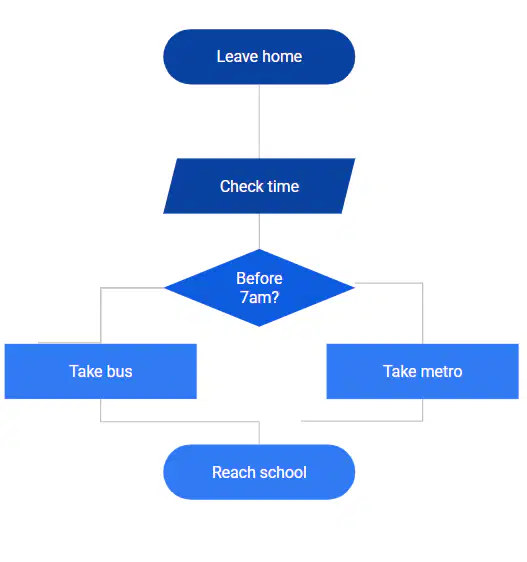
Click to enlargen the image. What decision will John make if it is 7:15 am?
Take the metro
Take the bus
Walk
Check the time
A benefit of using flow charts is:

Match the following definitions with the material types they define.
a material that has one or more properties that can be significantly changed in response to an external stimuli
Smart materials
a material that has been developed through the invention of new or improved processes to improve the properties of the material
Modern materials
a material that is produced from two or more existing materials, to improve its properties
Composite materials

PLA Filament is a common material used in 3D Printing. PLA stands for
Polylythate Acid
Polylactic Acid
Parts Like Atoms
Polystyrene Liquid Acid
Malleability is...
Stretch and bend and return to their original shape
The ability to withstand scratching and abrasion
Materials can be bent and shaped
The ability to withstand forces without breaking
Hardness is...
The ability to withstand scratching or abrasion
The ability to withstand forces without breaking
The ability to be bent and shaped
Hard to break or snap, the material changes shape instead
Ductility is...
Hard to break or snap, the material changes shape instead
These materials can be bent and shaped
The ability to withstand scratching or abrasion
The ability to be drawn or pulled into a wire
Bioplastics are...
plastics produced from renewable biomass sources
plastics produced from oils and insects
plastics produced from petrochemicals
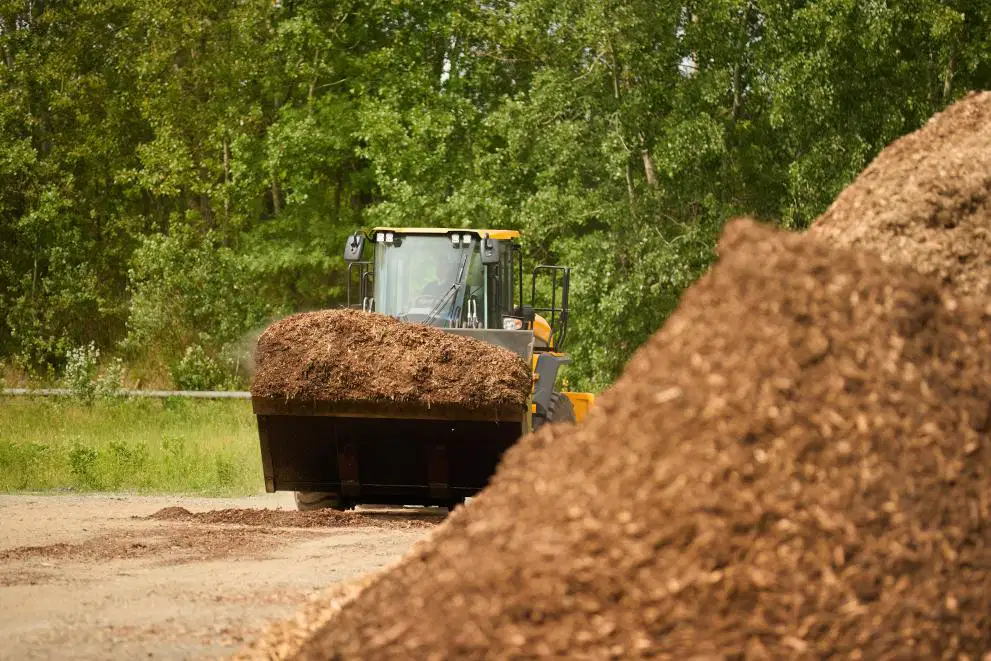
Examples of biomass sources are...
vegetable oils
corn starch
woodchips
recycled food waste
All of these
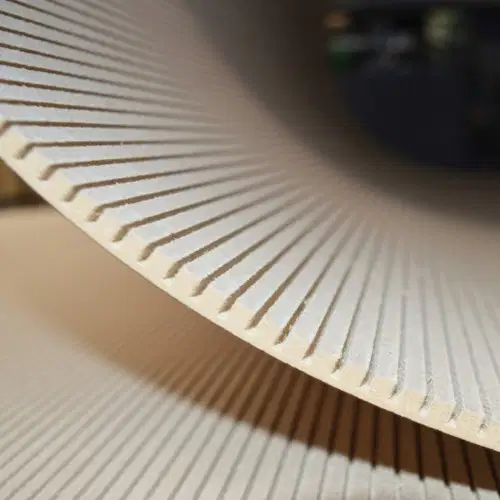
Flexible MDF is...
Pin hole MDF with the sole intention of creating a malleable panel
Criss-crossed MDF with the sole intention of creating a malleable panel
Slatted MDF with the sole intention of creating a malleable panel
Grooved MDF with the sole intention of creating a malleable panel
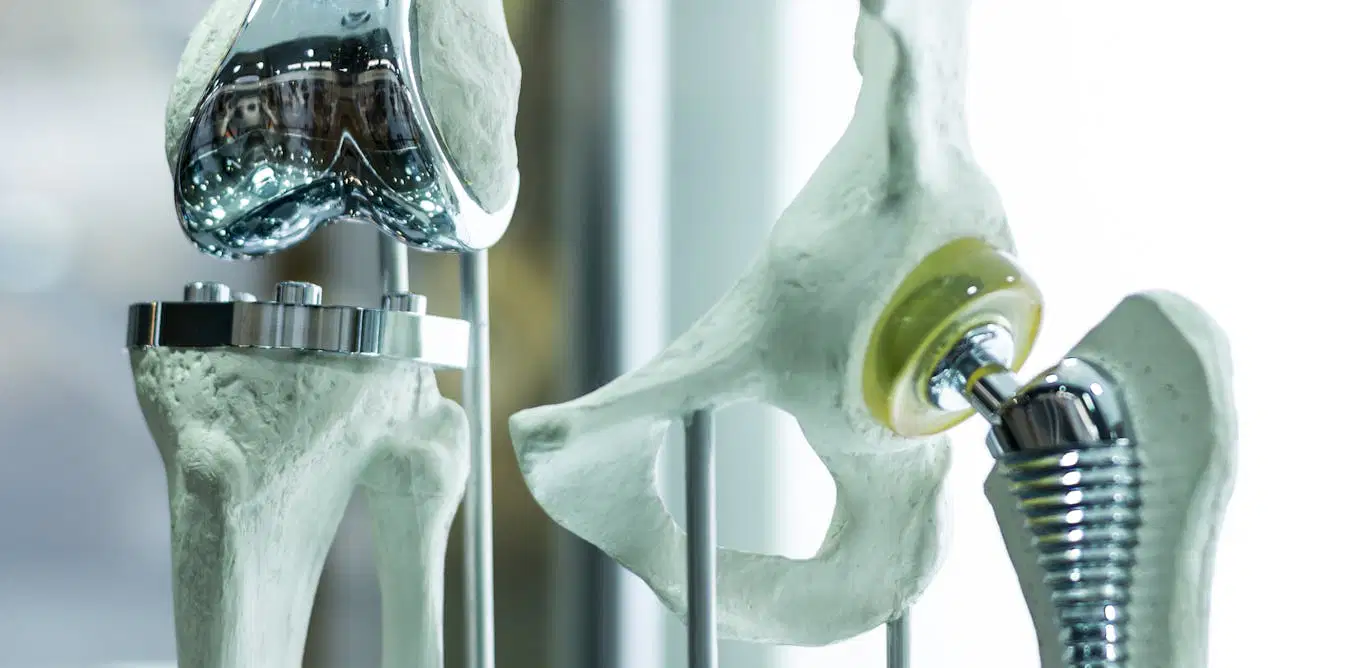
Titanium is suitable for use in artificial joints because..
it is highly reflective
it has low density, high strength
it is lightweight
it does not react with human tissue
Graphene is about 200 times stronger than the strongest steel.
True
False
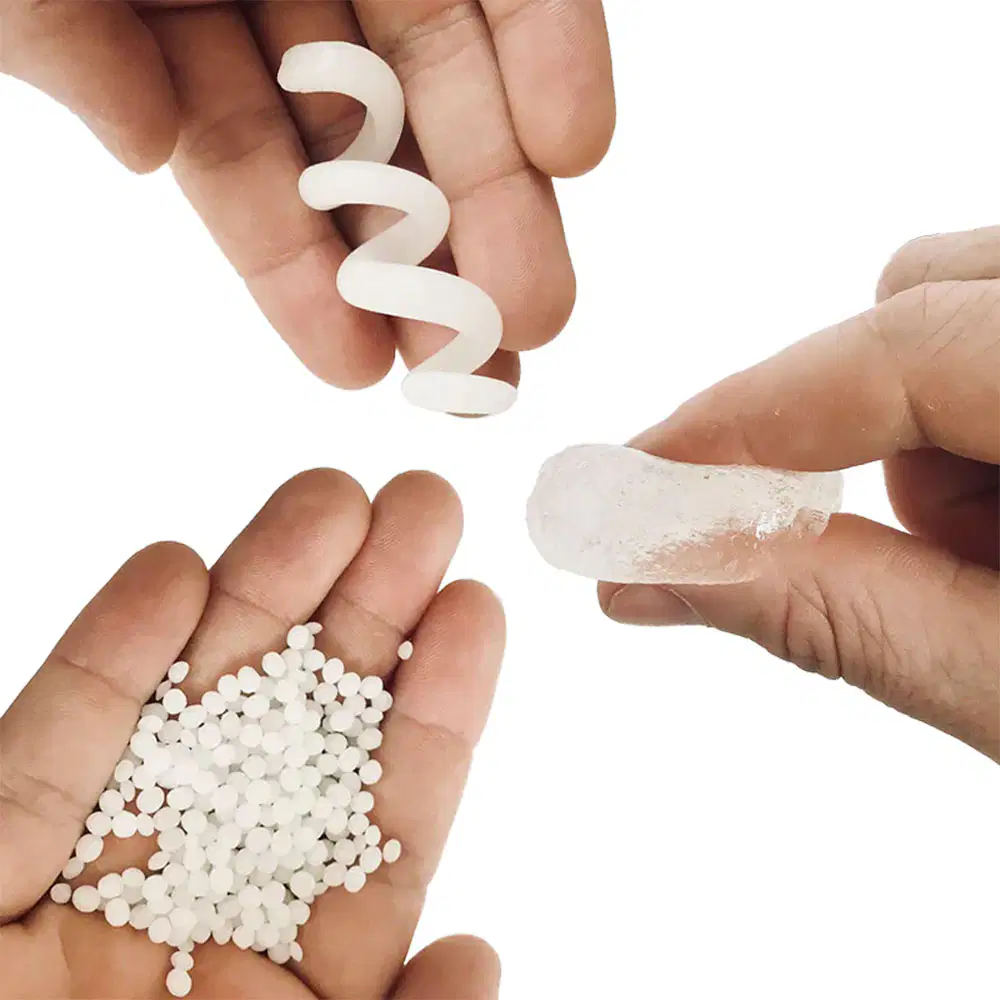
Polymorph is biodegradable. True or false?
True
False

Match the following modern, smart and composite materials with their common uses.
Kevlar
Used in bulletproof vests
Nylon
Used in clothing and fabrics
Teflon
Coats non-stick cooking pans
Metal Foam
Used in lightweight structural materials

The material shown is (a)
Fibre Optics
Carbon Fibreglass
LCD Screen
Metal Foam
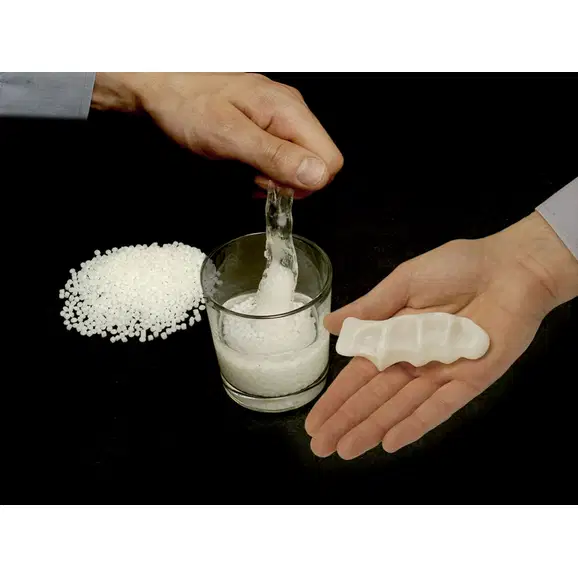
What makes Polymorph a useful prototyping tool?
the ability to withstand heat
the ability to be reheated and reshaped with ease
the ability to change colour due to temperature changes
the ability to break easily
Kevlar is primarily used for...
Waterproof coatings
Food packaging
Bulletproof vests
Electrical wiring
What is the primary advantage of using carbon fiber in manufacturing?
Biodegradability
Lightweight and high strength
High electrical conductivity
Low cost
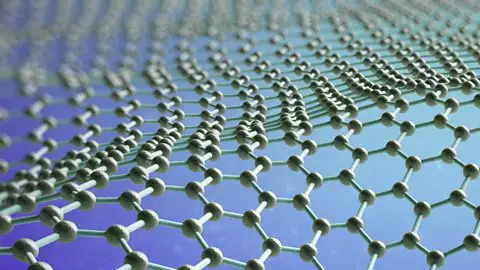
A modern material is...
a material that has been recently developed for specific applications.
a material that reacts to a stimulus
a material invented since the year 2000
a material with useful properties
These materials respond to changes in temperature by changing colour, t-shirts, mugs and temperature strips
Nanomaterials
Thermochromic materials
Integrated electronics
Thermochronic Materials
A smart material is...
a material made from two or more materials
a material made from only technology
a material that responds to an external stimulus, such as temperature, light or water
a material that has been made within the last 50 years


Continuous straight line movement
Back and forth straight line movement
Back and forth along a curved path


Scissors
Nutcracker
Tweezers or kitchen tongs

A CAM is a rotary system that converts rotary motion to which other type of motion...
Follower
Reciprocating
Linear
Oscillating
A pivot point around which a lever turns is called the
Effort
Fulcrum
Load
Match the following motions to the images below:

Linear

Oscillating

Rotary

Reciprocating

