
 Worksheets
Ecosystems Test
Total questions: 31
Worksheet time: 1hrs 20mins


What type of growth does this graph represent? Select all that apply.
carrying capacity
exponential growth
linear growth
logistic growth

What effect will a decrease in the frog population most likely have on the other trophic levels?
The slug population will decrease, and the heron population will increase.
The slug population will increase, and the heron population will decrease.
The slug and heron populations will increase, and the plant population will decrease.
The slug and heron populations will decrease, and the plant population will increase.
parasite/host
parasitism
parasitism
parasitism


Which organism do the owl and the weasel compete for in the food web?
Hawk
Spider
Grasshopper
Shrew

If the producers produce 1000 J of energy, how much energy does the secondary consumer level receive?
1000 J
10 J
100 J
1 J

How did the increased population of wolves in year 5 affect the deer population in year 6?
The increase in wolves led to a decrease in deer.
There was no effect because the data showed that the population stayed the same.
The increase in wolves led to an increase in deer.
What causes competition to occur in an environment?
Good conditions make resources plentiful.
Organisms struggle for a limited resource.
Members of a population have different roles.
A population falls below the environment’s carrying capacity.

in 2021, which group had the highest population?
bears
dolphins
whales

Grouse, hares, and voles feed on vegetation. Where on the graph would you expect vegetation to be in short supply?
I
II
III

What happened to the Hare population after the decrease in Lynx population in 1860?
The decrease of lynx led to an increase in the amount of hares.
The decrease of lynx led to a decrease in the hare population.
The hare population stayed the same.

Which scenarios best applies to the above graph? Select all that apply.
The fox population is increasing because they have not reached their carrying capacity.
The rabbit population stayed the same because they were not being hunted.
The fox population increase because there are plenty of rabbits to eat.
The fox population decreased, while the rabbit population increased.
To assess a population's growth rate, what things would a scientist need to know? Select all that apply.
how many individuals are born
how many individuals die
how many individuals move into and out of an area
the ages of the individuals in the population

Cattle egrets forage (feed) in fields among cattle. The egret gets easy access to flying insects stirred up by the cattle, and the cattle don't care if they are there or not. This type of relationship is:
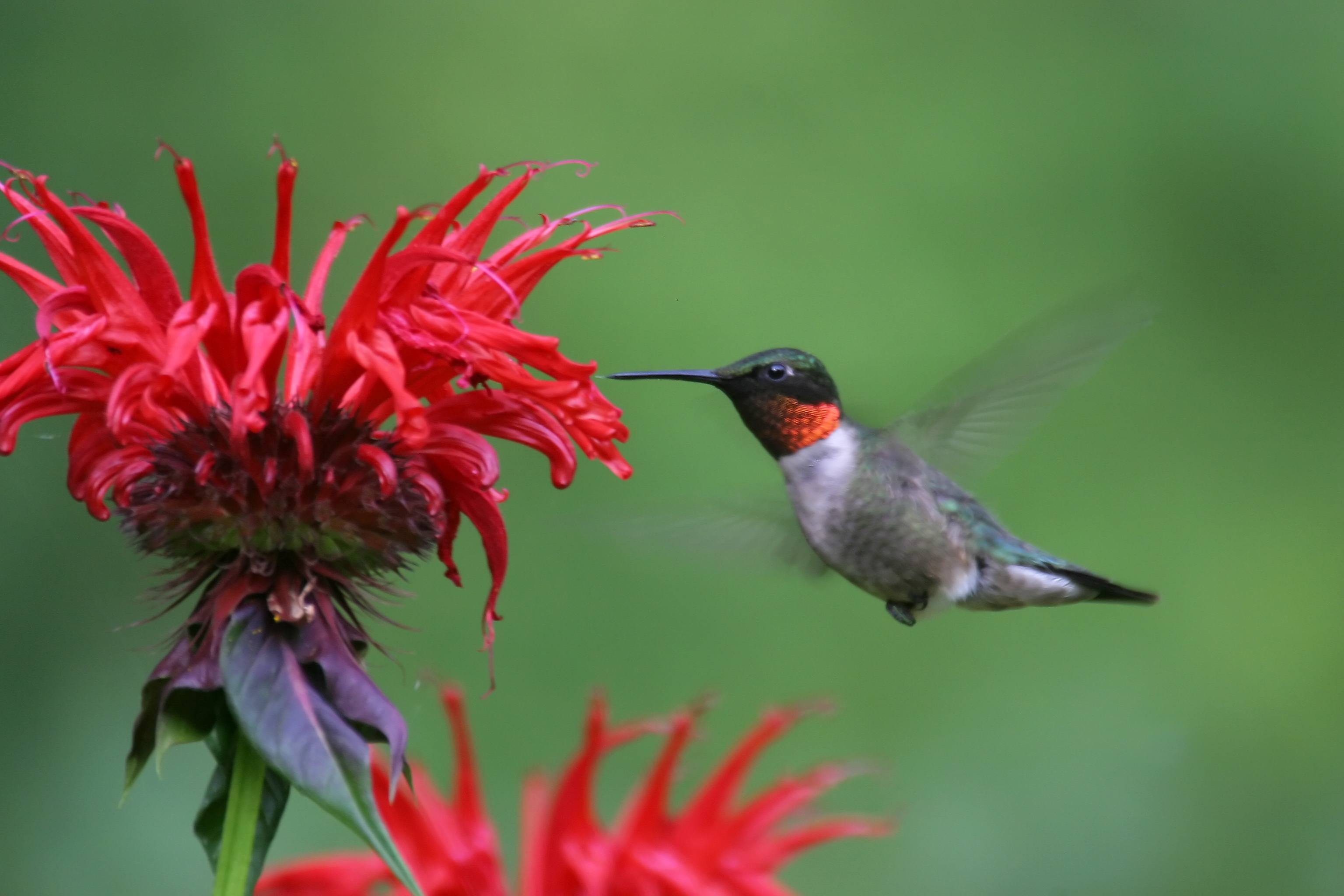
Hummingbirds feed on nectar from flowers. The flowers are pollinated by hummingbirds as they move from flower to flower. What type of relationship does this show?
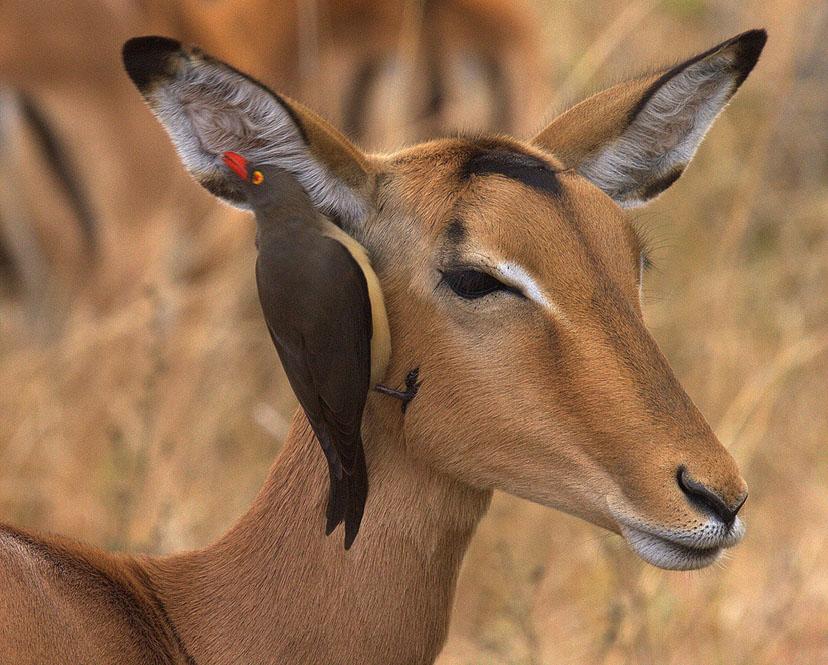

Which kind of organism is an autotroph?
consumer
producer
decomposer
herbivore
Which organisms are heterotrophs?
photosynthesizers
producers
consumers
plants
Which organism is an example of a producer?
moth
mushroom
rose bush
cheetah
Maggots feed on dead and decaying organisms for energy. What are maggots?
autotrophs
producers
decomposers
heterotrophs

Click on ALL abiotic factors in the picture. (Click on more than one.)
fish
pond
dragonfly
frog
sun
Click on ALL biotic factors in the picture. (Click on more than one.)
fish
pond
dragonfly
frog
sun

