
NEW
Font size
 Worksheets
Unit 9.1 AQA DT ALevel - Metal Forming Methods Quiz
Total questions: 22
Worksheet time: 11mins
Which are types of casting metal you need to know about?
Sand, die, investment, and low temperature
High pressure, cooling, and lime
Investment, die and welding
High temperature, injection moulding and wax casting
What is the process of shaping metal by using force called?
Forging and drop forging
Melting and cooling
Painting and coating
Cutting and slicing
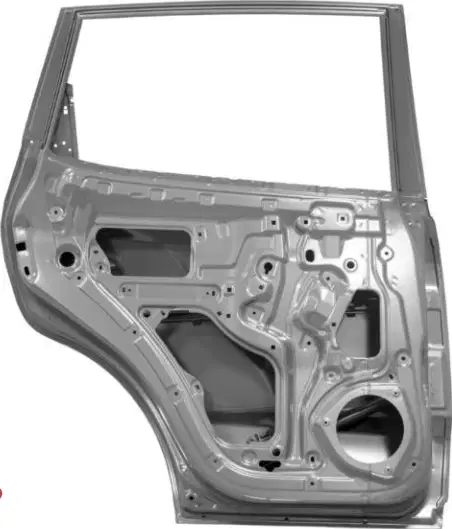
What is press forming used for?
Shaping sheet metal into 3D forms
Melting metals into liquid form
Painting metal surfaces
Cutting metal into small pieces
Why is press forming common in mass production?
Due to the cost of producing the dies
Because it requires no machinery
Because it uses only recycled materials
Due to its colorful finishes
What are dies made from in press forming?
Hardened steel
Plastic
Wood
Glass
Which objects are typically made using the spinning process?
Kettles and saucepans
Cars and airplanes
Books and pencils
Shoes and hats
How can spun products be identified?
By their shiny surface
By parallel lines on the surface
By their color
By their weight
Which objects are commonly made using cupping and deep drawing?
Books and magazines
Fire extinguishers and aerosol cans
Wooden chairs and tables
Plastic bottles and bags
What happens during deep drawing?
The metal is melted
The depth of pressing exceeds the diameter
The metal is painted
The metal is cut into squares
Why are the corners of the punch rounded in deep drawing?
To make the metal shiny
To ensure the metal stretches instead of shearing
To make the process faster
To reduce the weight of the metal
Why is deep drawing best suited to mass or continuous production?
Because it uses less energy
Because of the high set-up costs of the hydraulic press and dies
Because it requires no machinery
Because it is a manual process
What is a press brake used for?
Cutting metal sheets
Bending sheet or plate metal
Welding metal parts
Painting metal surfaces
Which of the following objects is made using drop forging?
Metal chair legs
Wooden chairs
Spanners
Tin cans
What is the primary purpose of rolling in metal processing?
To increase the thickness of metals
To reduce the thickness of metals
To change the color of metals
To melt metals completely
Which of the following is typically made using rolling in the construction industry?
Plastic pipes
Wooden beams
Structural steels like I beams
Glass panels
Which casting process involves using a mold made from a wax pattern?
Investment Casting
Pewter Casting
Sand Casting
Die Casting
What type of metals is die casting used with?
High melting point metals
Lower melting point metals
Precious metals
Radioactive metals
Which material is used for the reusable dies in die casting?
Aluminum
Pewter
Tool steel
Zinc
What are the two types of die casting?
Gravity die casting and low pressure die casting
Gravity die casting and high pressure die casting
High pressure die casting and low pressure die casting
Gravity die casting and medium pressure die casting
What is sand casting used for?
Forming low melting point metals
Forming high melting point metals
Creating plastic products
Making glass items
Why is sand casting considered a slow process?
It uses automated machines
It is labor-intensive and molds are single-use
It requires a lot of electricity
It uses expensive materials
Which of the following products is NOT typically made using sand casting?
Engine blocks
Post boxes
Train wheels
Toy cars

