
 Worksheets
HBS UNIT 3 25-26
Total questions: 50
Worksheet time: 25mins
What role do valves play in the heart?
Valves help in pumping blood out of the heart.
Valves prevent the backflow of blood.
Valves oxygenate the blood.
Valves regulate the heartbeat.
What is the largest artery in the body?
Aorta
Pulmonary artery
Carotid artery
Femoral artery
Tiny branches connecting vein and artery vessels are called:
Arterioles
Venules
Capillaries
Lymphatics
Veins popping out on the back of legs that typically develop in older people or those who stand long periods of time during their careers are called:
Varicose veins
Spider veins
Deep vein thrombosis
Arterial veins
True/False: The flow of blood around the body ensures that essential nutrients are delivered and wastes are moved away for disposal. At the center of this system is the amazing pump, the human heart.
True
False
True/False: A series of tubes, or vessels, serve as the highways for the transportation of blood. Arteries are responsible for carrying blood back to the heart and veins are responsible for returning blood away from the heart.
True
False
True/False: Pulmonary circulation moves blood to the lungs to pick up oxygen and back to the heart so this oxygenated blood can be delivered.
True
False
True/False: Systemic circulation pumps oxygen rich blood to the body and returns deoxygenated blood back to the heart to be sent out for refueling.
True
False
True/False: The pulmonary arteries move blood from the heart (the right ventricle) to the lungs to pick up carbon dioxide.
True
False
True/False: Pulmonary Vein collects the oxygenated blood and carry it from the lungs back to the heart.
True
False

True/False: The superior vena cava carries blood from the head, neck, arms, and chest. The inferior vena cava carries blood from the legs, feet, and organs in the abdomen and pelvis. The vena cava is the largest vein in the body.
True
False
True/False: The renal vein services the kidney and takes de-oxygenated blood back to the heart.
True
False
True/False: The femoral artery services the leg and takes de-oxygenated blood back to the heart.
True
False

True/False: The subclavian artery runs behind the clavicle and takes oxygenated blood from the heart and services the upper limb.
True
False
After each heartbeat, a pressure wave or ______________, passes along an ______________ as its walls bulge and then relax to withstand the surge of blood. By pressing on an ______________, the number of pulses or heartbeats per minute can be counted.
pulse, artery, artery.
wave, vein, vein.
beat, capillary, capillary.
throb, vessel, vessel.
Pressure in the arteries when the heart contracts to push blood throughout the body.
Systolic pressure
Diastolic pressure
Venous pressure
Capillary pressure
Pressure in the arteries when the heart is at rest, allowing chambers to fill with blood.
Diastolic pressure
Systolic pressure
Pulse pressure
Mean arterial pressure
5. ________________________ - a measure of how much blood is pumped by both ventricles in one minute.
Cardiac output
Heart rate
Stroke volume
Blood pressure
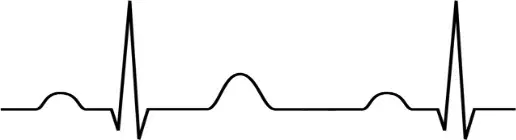
Faulty signaling can cause the heart to beat too fast, which is referred to as _______________, or too slow, referred to as _______________, or an unpredictable pattern.
tachycardia; bradycardia
arrhythmia; fibrillation
bradycardia; tachycardia
fibrillation; arrhythmia
An ___________________________ is a simple-to-use device that can analyze and interpret electrical signals within the heart and determine whether providing an electrical shock or series of shocks to the heart may help restore the heart to a normal rhythm.
AED
pacemaker
stethoscope
electrocardiogram
Narrowing of bronchi, bronchioles, and trachea due to inflammation causes reduced inhalation and oxygen exchange.
pulmonary fibrosis
common cold
drowning
lung cancer
asthma
What is the tool used to measure lung volumes?
spirometer
thermometer
barometer
hygrometer
In the right lung, a ________________ fissure separates the superior and middle lobes, and
horizontal
vertical
oblique
transverse
TRUE/FALSE: Tidal volume is the volume of air breathed in and out without conscious effort.
True
False
TRUE/FALSE: Minute volume is the volume of air remaining in the lungs after maximum exhalation.
True
False
TRUE/FALSE: The bronchi is the lung structure that is responsible for the exchange of gases with blood.
True
False
TRUE/FALSE: Lung capacity is equal to VC + RV.
True
False
Any infectious agent that can cause disease is called ___________.
pathogen
antibody
vaccine
antigen
___________, the largest organ of the body, is the first layer of defense for the body and is an immediate barrier to outside invaders.
skin
heart
liver
lungs
___________ acts as an army to fight and destroy pathogens (outside invaders) such as viruses, bacteria, or abnormal cells such as cancer cells.
The immune system
The digestive system
The respiratory system
The nervous system
___________ drains and filters the excess fluid and absorbs fats from the digestive tract.
Lymphatic system
Circulatory system
Respiratory system
Digestive system
___________ - helps in the development of T-Cells.
thymus
liver
pancreas
spleen
___________ - filters the blood of foreign cells.
Spleen
Liver
Kidney
Pancreas
___________ - glands in the immune system that usually enlarge in response to bacterial or viral infections.
lymph nodes
salivary glands
sebaceous glands
sweat glands
10. ___________________ - Non-specific immune defense mechanisms that people are born with.
Innate immunity
Adaptive immunity
Acquired immunity
Passive immunity
11. ___________________ - acquired over a lifetime.
Adaptive immunity
Innate immunity
Passive immunity
Natural immunity
________________ are fragments that assist in protecting the body by helping your blood clot.
Platelets
Red Blood Cells
White Blood Cells
Plasma
________________ help transport oxygen throughout the body.
Red blood cells
White blood cells
Platelets
Plasma
________________ that really function to keep you well.
White blood cells
Red blood cells
Platelets
Plasma
A foreign invader such as a pathogen.
Antigen
Antibodies
Neutrophil
Macrophage
Proteins that work to neutralize pathogens.
Antigen
Antibodies
Neutrophil
Macrophage
Examines eyes and diagnoses and treats eye conditions.
Optometrist
Ophthalmologist
Optician
Examines eyes and diagnoses and treats eye conditions; can provide medical treatments and surgical procedures.
Optometrist
Ophthalmologist
Optician
Pink eye, infection, inflammation, red, itchy, watery, discharge.
Loiasis
Trachoma
Traumatic iridodialysis
conjunctivitis
Vision impairment due to infection damaged cornea
Conjunctivitis
Loiasis
Onchocerciasis
Trachoma
Senses light and sends images to the brain.
cornea
pupil
iris
retina
protects the eye
cornea
pupil
iris
lens
colored part of the eye that adjusts pupil
cornea
retina
iris
sclera
White part of the eye
vitreous humor
cornea
sclera
lens
Where light enters
cornea
lens
iris
pupil

