
 Worksheets
Moon Phases, Tides, Eclipses Review
Total questions: 33
Worksheet time: 17mins
The light is on the right and increasing
Gibbous
Crescent
Waxing
Waning
Waning means
There is less than half lit and it is on the left
The light is on the right and increasing
The light is on the left and decreasing
There is more than half of the moon lit and the light is on the left
Crescent means
More than half lit
Less than half lit
The light is on the right
The light is on the left
Gibbous means
More than half lit
Less than half lit
The light is on the right
The light is on the left
What moon phase comes next after New Moon?
Waning Crescent
Full Moon
Waxing Crescent
1st Quarter
What moon phase comes right before Waning Gibbous?
New Moon
Full Moon
3rd Quarter
Waning Crescent
What moon phase comes right after Full Moon?
Waning Crescent
Waning Gibbous
Waxing Crescent
Waxing Gibbous
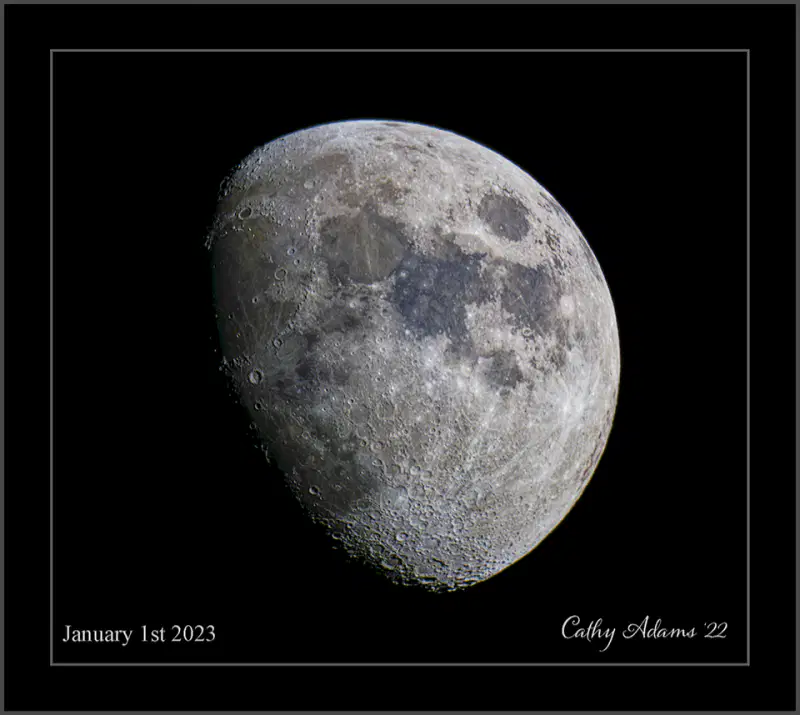
Name that phase!
Waning Gibbous
3rd Quarter
1st Quarter
Waxing Gibbous
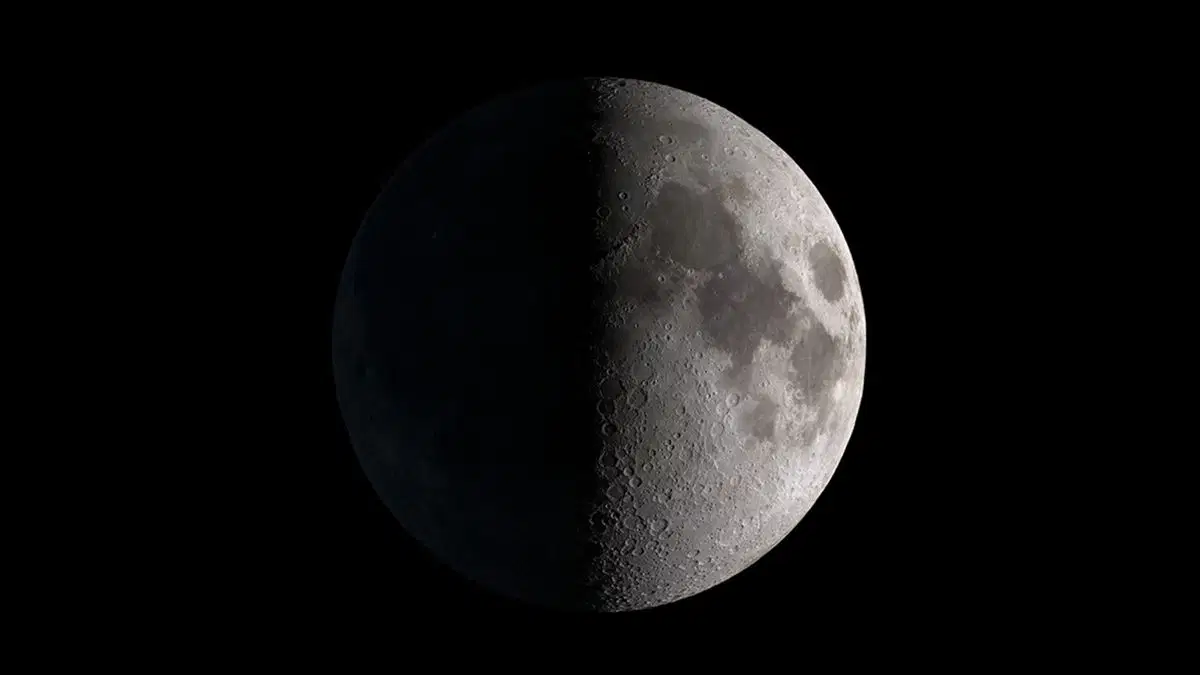
Name that phase!
Waxing Crescent
1st Quarter
3rd Quarter
Waning Crescent
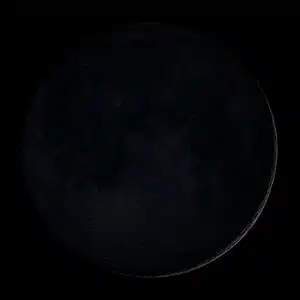
Name that phase!
Waxing Gibbous
Waning Gibbous
Full Moon
Waxing Crescent
Why don't we have an eclipse each month?
The moon has a 5 degree tilt so, it is usually above or below earth
The moon's orbit has a 5 degree tilt, so it's usually above or below the earth
It usually only lines up when the moon is positioned in March
The moon is too small to cause an eclipse every month
Why does the moon change in appearance throughout the month?
Different parts of the moon are reflected back as the moon rotates around the earth
Our perspective changes as the moon rotates around the earth
Our perspective changes as the moon revolves around the earth
The moon grows and shrinks as the month goes on
Why are the moon phases considered a cycle?
As the moon revolves around the sun it creates a circle
As the moon revolves around the earth it creates a circle
It never ends and repeats itself
It stops eventually and starts again
What two moon phases cause a Spring Tide?
New Moon and 1st Quarter
1st Quarter and 3rd Quarter
Full Moon and 3rd Quarter
New Moon and Full Moon
What two moon phases cause a Neap Tide?
New Moon and 1st Quarter
1st Quarter and 3rd Quarter
Full Moon and 3rd Quarter
New Moon and Full Moon
The biggest factor in determining the ocean's tides is
the sun
the moon
the earth
the planets
As the moon goes from New Moon to Full Moon
The light is increasing on the right
The light is decreasing on the left
The light is increasing on the left
The light is decreasing on the right
As the moon goes from Full Moon to New Moon
The light is increasing on the right
The light is decreasing on the left
The light is increasing on the left
The light is decreasing on the right
When the Earth, Sun, and Moon are in a straight line the oceans will experience a __________ tide.
Neap
Fall
Spring
Solar
How often do high tides occur?
Every Week
Every 2 weeks
Every 12 hours
Every 2 hours
Neap Tides occur when the Sun, Earth, and Moon form a
straight line
90 degree angle
Obtuse triangle
Spring Tide
When the Sun, Earth, and Moon are in a straight line (in that order) what type of eclipse will occur?
Solar Eclipse
Lunar Eclipse
Total Solar Eclipse
Partial Solar Eclipse
When the Sun, Moon, and Earth are in a straight line (in that order), what type of eclipse will occur?
Solar Eclipse
Lunar Eclipse
Total Lunar Eclipse
Partial Lunar Eclipse
When the sun's surface is completely blocked out by the moon
Partial Solar Eclipse
Total Solar Eclipse
Total Lunar Eclipse
Partial Lunar Eclipse
What type of eclipse occurs when only part of the sun's surface is blocked by the moon
Partial Solar Eclipse
Total Solar Eclipse
Total Lunar Eclipse
Partial Lunar Eclipse
What moon phase occurs during a solar eclipse?
Full Moon
New Moon
1st Quarter
3rd Quarter
What type of eclipse occurs when the moon passes into the darkest part of Earth's shadow?
Total Solar Eclipse
Total Lunar Eclipse
Partial Lunar Eclipse
Annular Eclipse
What phases is the moon during a lunar eclipse
New Moon
Full Moon
1st Quarter
3rd Quarter
The lighter/outside part of the shadow of an eclipse
Umbra
Penumbra
Annular
Partial
What type of partial eclipse occurs when the moon is the farthest from the earth resulting in a thin ring around the moon?
Partial Solar Eclipse
Annular Eclipse
Total Solar Eclipse
Partial Lunar Eclipse
How many high tides and low tides occur each day?
One of each
Two of each
One high and two low
One low and two high
During a total solar eclipse everyone sees the same thing during the day no matter where they are.
True
False
During a lunar eclipse, everyone in the world will see the same thing at night no matter where you are.
True
False

