
 Worksheets
Unit 04: Toxins
Total questions: 86
Worksheet time: 1hrs 24mins
A solution is made by completely dissolving a sample of sodium hydrogen carbonate in water. This solution is classified as a
heterogeneous compound
heterogeneous mixture
homogeneous compound
homogeneous mixture
In which sample of matter can the proportion of its components be varied?
Cl2 (g)
Br2 (l)
KCl (s)
KBr (aq)
Which type of reaction yields a salt and water as the only products?
combustion
fermentation
neutralization
polymerization
What is the percent by mass of oxygen in CH3COOH (gram-formula mass = 60. g/mol)?
27%
32%
53%
60.%

According to one acid-base theory


Identify the positive ion in the sample of HCl (aq) solution.
(a)

Based on Table M, state the color of litmus when placed in a sample of the original HCl (aq) solution.
(a)

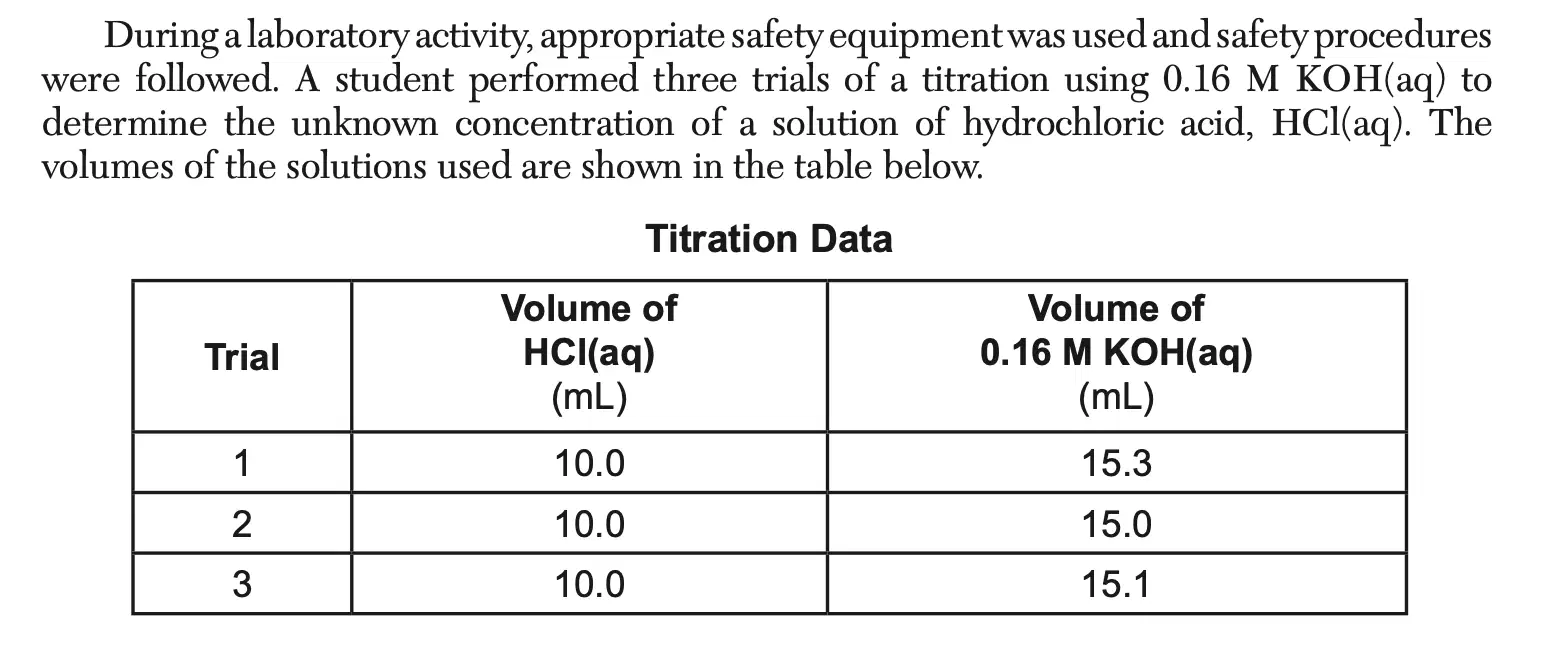
Using the titration data, determine the concentration of the HCl (aq) solution.
(a)
Which phrase describes the composition of a compound?
different elements physically combined
different elements chemically combined
the same element physically combined
the same element chemically combined
Which phrase describes a sample of NaCl (s)?
a mixture that has constant composition and
properties throughout
a mixture that varies in both composition and
properties
a substance that has constant composition
and properties throughout
a substance that varies in both composition
and properties
Which substance contains only atoms with the same atomic number?
ammonia
selenium
methane
water
The indicator methyl orange is red in an aqueous solution that has a pH value of
9.2
7.0
4.5
2.7
A student calculates the density of a sample of Fe to be 7.57 grams per cubic centimeter. Based on Table S, what is the percent error for the student’s calculated density of Fe?
-0.038%
-0.040%
-3.8%
-4.0%

Which type of chemical reaction is represented by this equation?
synthesis
decomposition
single replacement
double replacement
Which equation represents a physical equilibrium?





Which formula represents the missing reactant, X, in this equation?

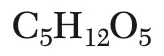

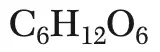
Which equation represents a combustion reaction?



Which statement describes a 0.1 M NaOH (aq) solution?
The solution contains an Arrhenius acid and conducts electricity.
The solution contains an Arrhenius acid and does not conduct electricity.
The solution contains an Arrhenius base and conducts electricity.
The solution contains an Arrhenius base and does not conduct electricity.

The mole ratio of oxygen molecules to carbon dioxide molecules is
1:2
1:3
3:2
3:3

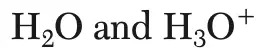
Which two formulas represent the H+ acceptors in this equilibrium?



Draw a Lewis electron-dot diagram for a molecule of ammonia.


Balance the equation. What is the sum of all coefficients?
(a)

Which compound is the precipitate in the reaction above?
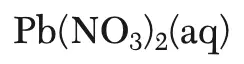
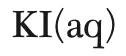
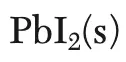
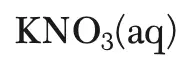

Write a chemical name for the aqueous product.
(a)

Determine the gram-formula mass of the yellow solid compound produced by the reaction.
(a)
A student investigated the properties of solutions by dissolving 46.0 grams of
NH4Cl(s) in 200. grams of water at 20.°C. The gram-formula mass of NH4Cl (s) is 53.5 grams per mole.
Determine the number of moles of NH4Cl (s) dissolved in the 200. grams of water in this investigation.
(a)
Identify the positive ion in the solution of hydrochloric acid.
(a)

Complete the equation for the reaction that occurs during this titration by writing a formula for each product.
HCl + KOH --> ____ + _____
KCl + H2O
HCl + KOH
ClK + H2O
ClK + HOH
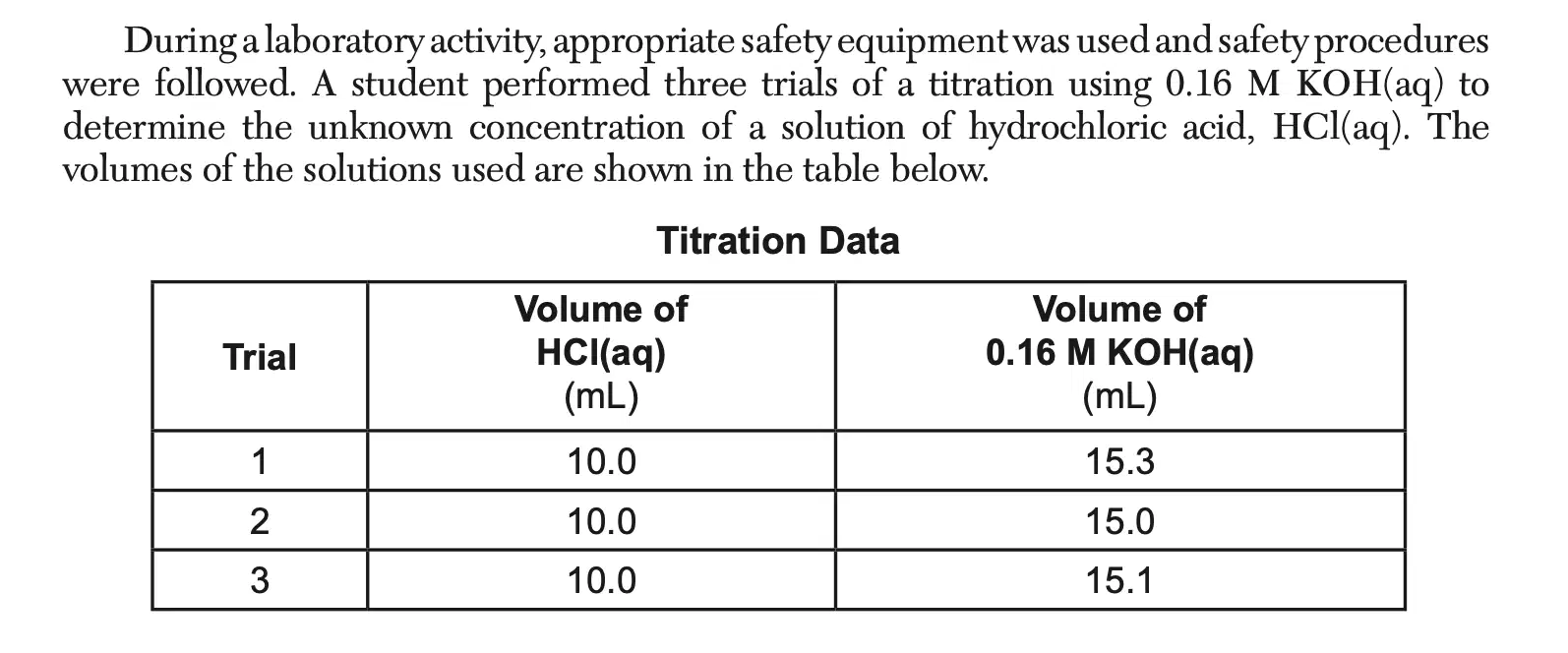
Show a numerical setup for calculating the molarity of the HCl (aq) solution using the titration data from trial 2.
(Ma)(10 mL) = (0.16M)(15 mL)
(Ma)(10 mL) = (0.16M)(15.3 mL)
(0.16M)(15mL) = (Mb)(10mL)
(Ma)(15 mL) = (0.16M)(10 mL)

is a(n)
acid
base

is a(n)
acid
base

is a(n)
acid
base
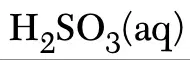
is a(n)
acid
base
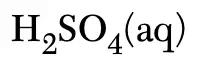
is a(n)
acid
base
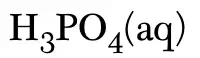
is a(n)
acid
base

is a(n)
acid
base
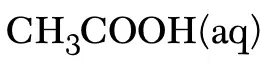
is a(n)
acid
base
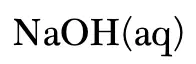
is a(n)
acid
base
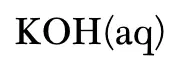
is a(n)
acid
base
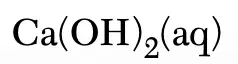
is a(n)
acid
base
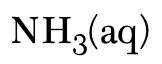
is a(n)
acid
base

is a(n)
acid
base
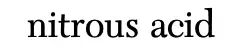
is a(n)
acid
base
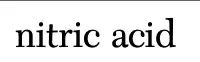
is a(n)
acid
base
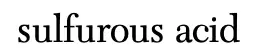
is a(n)
acid
base
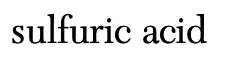
is a(n)
acid
base

is a(n)
acid
base

is a(n)
acid
base

is a(n)
acid
base

is a(n)
acid
base

is a(n)
acid
base

is a(n)
acid
base

is a(n)
acid
base
Acids have a pH of
lower than 7
7
higher than 7
Bases have a pH of
lower than 7
7
higher than 7
A neutral solution has a pH of
lower than 7
7
higher than 7
Alkaline solutions have a pH of
lower than 7
7
higher than 7
Acids have a greater concentration of
H+
OH-
Bases have a higher concentration of
H+
OH-
Acids have a greater concentration of
H+
OH-
Bases have a higher concentration of
H+
OH-
Which concentration ratio represents a neutral solution?
[H+] > [OH-]
[H+] = [OH-]
[H+] < [OH-]
Which concentration ratio represents an acidic solution?
[H+] > [OH-]
[H+] = [OH-]
[H+] < [OH-]
Which concentration ratio represents a basic solution?
[H+] > [OH-]
[H+] = [OH-]
[H+] < [OH-]
An Arrhenius acid can dissociate (break up) into ____ as the only positive ions in an aqueous solution.
H+
OH-
An Arrhenius Base can dissociate (break up) into ________ as the only negative ion in an aqueous solution.
H+
OH-
Acid
H+
OH-
Base
H+
OH-
According to Bronsted-Lowry, an acid is a
H+ donor
H+ acceptor
According to Bronsted-Lowry, a base is a
H+ donor
H+ acceptor
A H+ acceptor is a
acid
base
A H+ donor is a
acid
base
H+ donor
acid
base
H+ acceptor
acid
base
What four letters represent "bases accept, acids donate"?
(a)

0.025 M
0.250 M
0.625 M
1.60 M
According to one acid-base theory, an acid is a substance that
donates hydroxide ions
donates hydrogen ions
accepts hydroxide ions
accepts hydrogen ions
According to one acid-base theory, a base is a substance that
donates hydroxide ions
donates hydrogen ions
accepts hydroxide ions
accepts hydrogen ions
What is the name for OH-?
(a)
hydroxide
H+
OH-
hydrogen ion
H+
OH-
proton
H+
OH-
H+ is also called "proton".
True
False
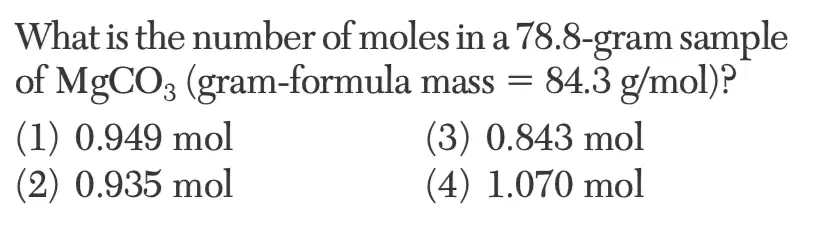
0.949 mol
0.935 mol
0.843 mol
1.070 mol

This is an example of what type of reaction?
neutralization
combustion
synthesis
decomposition

1
2
3
4

