
 Worksheets
Quarter 3 Review
Total questions: 62
Worksheet time: 58mins
An egg sitting on the kitchen counter, about to roll onto the floor.
Kinetic Energy
Potential Energy
A baseball in the air, thrown from the catcher back to the pitcher.
Kinetic Energy
Potential Energy
A roller coaster at the top of the hill about to fo down the big hill.
Kinetic Energy
Potential Energy
A soccer player running around the soccer field.
Kinetic Energy
Potential Energy
A batter is about to swing the bat.
Kinetic Energy
Potential Energy
A sled going down a snowy hill.
Kinetic Energy
Potential Energy
What is energy?
The ability to do work
Heat and motion
Which of the following is stored energy?
Kinetic energy
Potential energy
Which of the following is energy of motion?
Kinetic energy
Potential energy
What type of energy does a rubber band that is being stretched back have?
Kinetic energy
Potential energy
Where does a waterfall have more potential energy?
At the very top of a waterfall, right before the water falls down
As the water is falling down the waterfall
When my hands collide (or clap together), the kinetic energy is:
transferred to another person
converted into sound energy
transferred to my ear
I have the most energy if I am:
Running
Walking
Crawling

What form of energy comes from a battery operated device?
electrical
motion
thermal
chemical

Which statement is NOT true about a battery operated flashlight?
The flashlight converts chemical energy into light energy
The flashlight uses light energy to produce chemical energy
The flashlight produces both light and thermal energy
The flashlight produces light energy by converting chemical energy from the battery
A _______ is a device that changes kinetic energy into electrical energy.
magnet
generator
turbine
boiler
What are solar panels?
Devices that are used to turn the moon into electricity or heat
Devices that are used to turn the suns rays into sound energy
Devices that are used to turn the suns rays into electricity or heat
Devices that are used to turn the suns rays into butterflies
A toaster _______ electrical energy into heat energy.
converts
conserves
condenses
confirms
When energy moves from one place to another, it is called energy __________.
transport
transit
transmit
transfer

________ energy is made by a change in temperature.
Sound
Electrical
Thermal
Mechanical
The train conductor adds coal to the fire to make train move.
The heat energy from the coal is converted into ______ _______.
Gravitational potential energy
Kinetic energy
Light energy
Sound energy
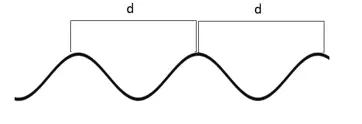
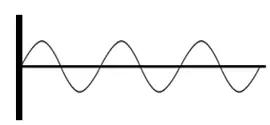
A student analyzes a picture of a wave. The student observes that the distance (d) between two crests is the same for all waves in the picture.
Which part of the wave is the student analyzing?
Amplitude
Wavelength
Frequency
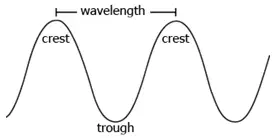
Which image correctly shows the wavelength of a wave?


Which wave has the most energy?
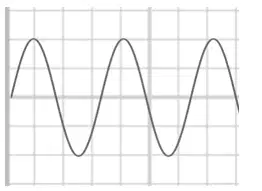
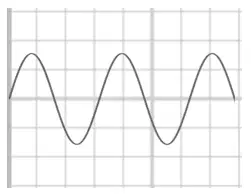
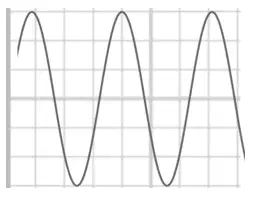
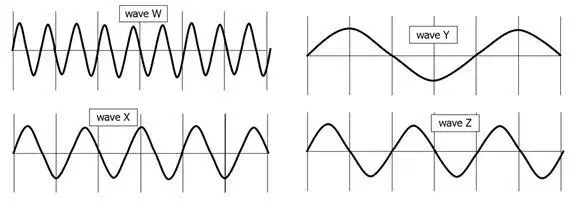
Which wave has the shortest wavelength?
W
Y
X
Z
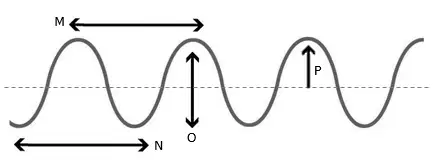
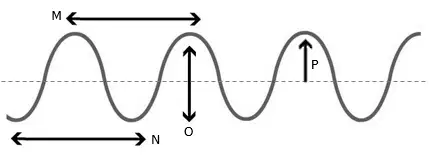
Which arrow represents amplitude?
M
N
O
P
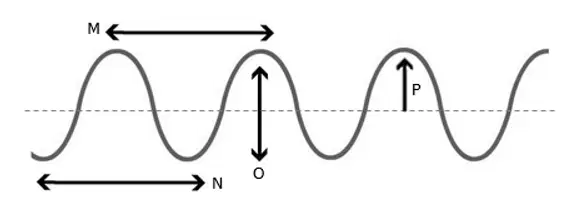
What characteristic of the wave is represented by arrow M?
Amplitude
Frequency
Wavelength
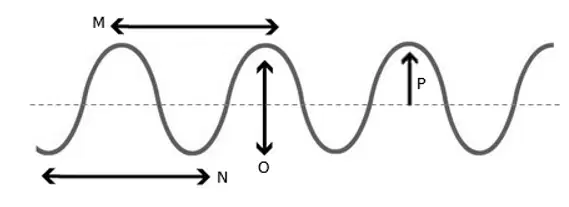
Which arrow(s) represent(s) wavelength?
M
O
M and N
O and P
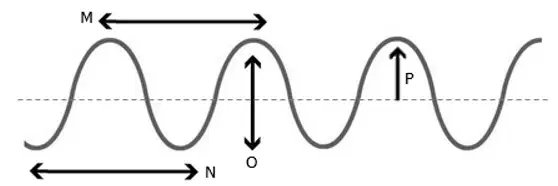
If the length of arrow P increases, how would the wave be affected?
Amplitude would decrease
Wavelength would decrease
Amplitude would increase
Light travels in waves. As the amplitude of a wave increases, light gets brighter.
Which image shows the brightest light wave?

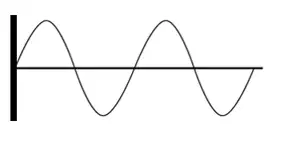
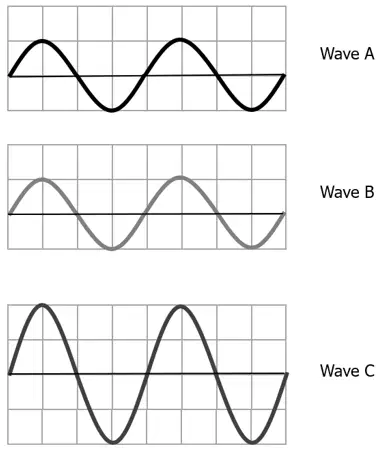
Wave A and Wave B are sound waves. When Wave A and Wave B are played at the same time, they combine and form Wave C.
How is Wave C different than Waves A and B?
Wave C has a smaller amplitude and wavelength
Wave C has a smaller amplitude
Wave C has a larger amplitude
What conclusion can be drawn about the amplitude and the frequency of the wave?
The amplitude and the frequency of the wave become longer with each repetition of the wave
The amplitude and the frequency of the wave remain unchanged with each repetition of the wave
The amplitude and the frequency of the wave become shorter with each repetition of the wave.
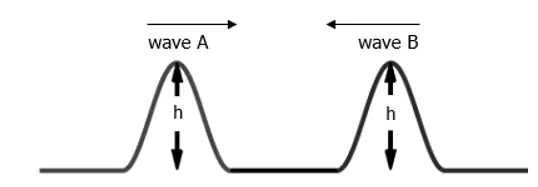
The image shows waves A and B moving toward one another.
What will occur when the two waves meet?
The amplitude will decrease to zero
The wavelength will decrease to zero
The amplitude will increase to h+h
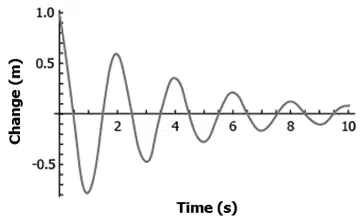
Which choice best describes the wave over time?
The amplitude decreases
The amplitude increases
The wavelength increases
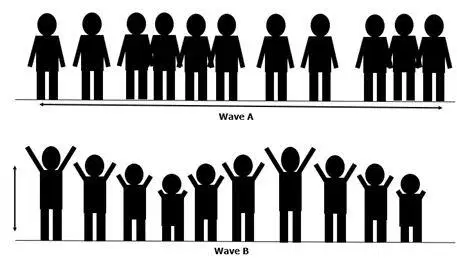
Which statement correctly identifies a type of wave created by the students?
Wave B is a longitudinal wave because the students are the same distance apart.
Wave A is a transverse wave because the students are holding hands in a pattern
Wave B is a transverse wave because the students are moving up and down in a pattern
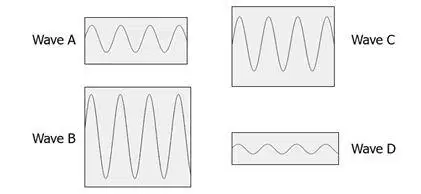
A teacher drops a heavy stone into a container of water from different heights. When the stone hits the water, waves are created, as shown.
Which wave is caused by the stone dropped from the highest height, and why?
Wave A; it has the smallest wavelength
Wave B; it has the largest amplitude
Wave D; it has the smallest amplitude
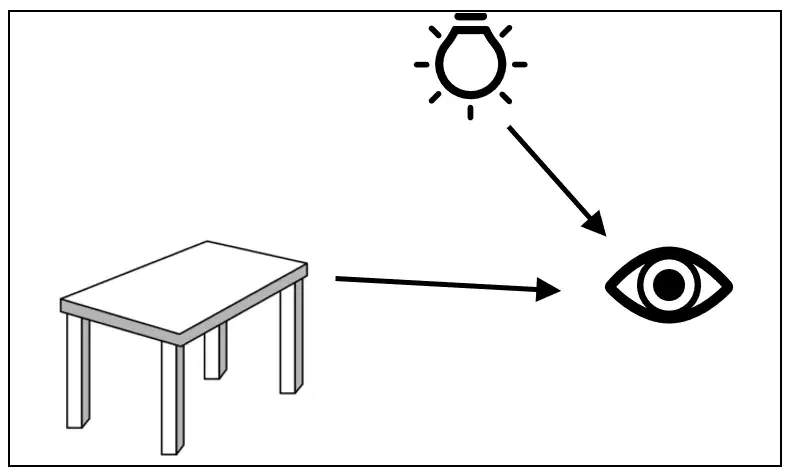
Which diagram shows how the person is able to see the table when a light is turned on?
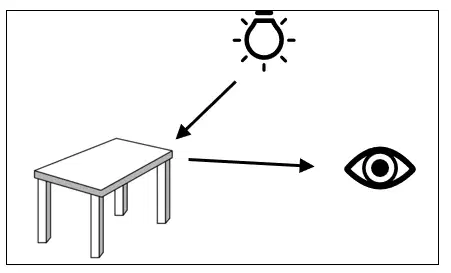
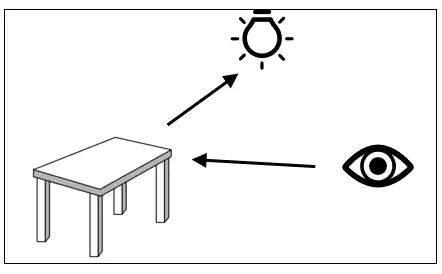
During an experiment, a student shines a red light on a white statue in an otherwise dark room. Which three results will the student get from this experiment?
The statue appears red when the red light is on
The statue causes the room to glow white when the red light is on
The statue can only be seen when the red light is on
The statue becomes red after the red light is off
The statue is not seen when the red light is off

A student shines a beam of white light through a prism.
What happens to the light that comes out from the other side of the prism?
It remains the same.
It appears to be dimmer
It splits into different colors
Which process causes light to bend and form a rainbow?
Refraction
Frequency
Reflection
When light is bounced off a mirror, the light is...
Absorbed
Reflected
Refracted
A class made a solar cooker out of a large can. What color should they paint the can in order to collect the most heat?
Blue
Pink
Black
White
Which of the following best describes what happens when a student looks in a mirror?
The mirror acts as a light source that lights the student’s face
The student’s eyes see light waves reflecting off the mirror as solid matter
Light waves bouncing off the student’s face reflect off the mirror
Choose all of the materials that are transparent.
White plastic milk bottle
Clear glass juice bottle
Plastic food wrap
Air in the refrigerator
Aluminum foil wrap
A student shines a flashlight at a prism.
What will the student see on the white wall behind the prism?
The prism will bend the white light from the flashlight, causing it to separate into multiple colors on the wall
The prism will cause the white light from the flashlight to become brighter on the wall
The prism will reflect the white light from the flashlight back to the student

A student puts a pencil in a glass of water and notices that the pencil looks like it is broken.
Why does the pencil look broken?
Light bends when moving from air to water
Light is made of different colors
Light travels in a straight line
A child uses a camera phone to take a picture of a sign. Which model best shows how the camera phone sees the sign?
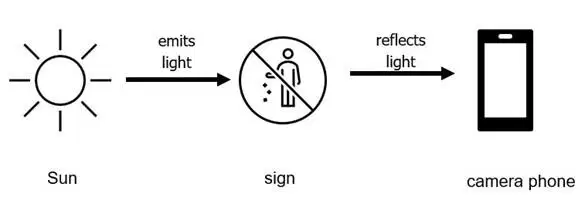
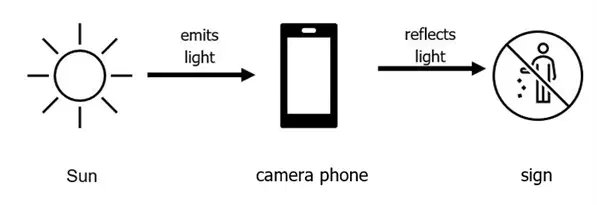
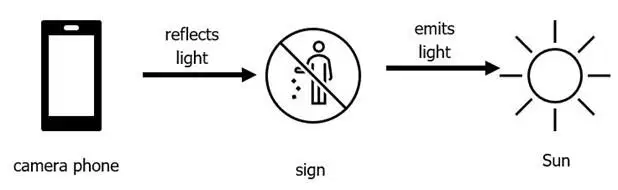
Eyeglasses help a nearsighted person see as a result of
Refraction
Reflection
Absorption
Which object best reflects light?
Gray door
Black sweater
White carpet
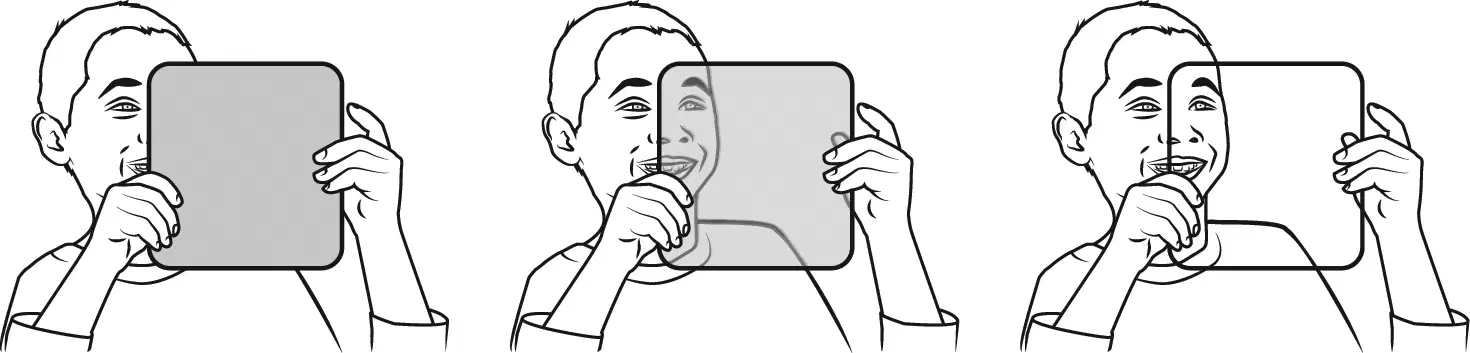
From left to right, what types of materials are these?
translucent, opaque, transparent
transparent, translucent, opaque
opaque, translucent, transparent
Lenses used in reading glasses make an object appear larger than it is. Choose the answer that correctly completes the sentence.
Lenses ___________ light rays that reach the eye.
Reflect
Refract
Absorb
Which devices can move digital information over long distances as waves?
Cell phone and computer
Computer and steel drum
Steel drum and whistle
What type of energy travels through the body of a microscope that allows it to work?
Heat
Solar
Light
Satellites orbit Earth in outer space. Satellites use radio waves to send information to different people’s cell phones on Earth.
Based on this information, what is true about radio waves?
Radio waves take a long time to travel to satellites
Radio waves can send information through the air and in outer space
Radio waves are dangerous to people.
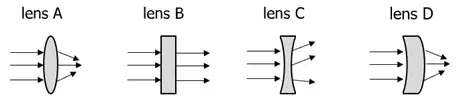
Which lens can be used in flashlights to provide a wider beam of light?
A
B
C
D

A coin collector uses a magnifying glass to look at the small words on the surface of a coin.
How does the magnifying glass help the coin collector?
The magnifying glass makes the small words appear larger
The magnifying glass brightens the color of the small words
The magnifying glass changes the material of the coin.
Which statement best describes how telescopes use lenses to cause objects to appear closer and larger?
The lenses filter the light an object produces, making the object closer and larger
The lenses reflect the light an object produces, causing the object to absorb more light and appear closer and larger
The lenses bend the light reflecting off an object, making the object appear closer and larger
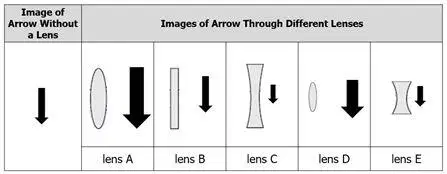
Which lenses can be used in a magnifying glass?
lens A and B
lens A and D
lens C and E

