
NEW
Font size
 Worksheets
8.13C: Structural, Behavioral, and Physiological Adaptations
Total questions: 22
Worksheet time: 16mins

The sharp teeth of lions are what type of adaptation?
Structural
Physilogical
Behavioral

Some kinds of birds migrate to the warmer places in the winter
Structural
Physilogical
Behavioral

The wings of a butterfly look like snake heads
Camouflage
Webbed Feet
Pretend Play
Mimicry

Octopus changes its own colors to blend in with the sand
Camouflage
Webbed Feet
Pretend Play
Mimicry

Skunk releases and sprays odor at predator
Structural
Behavioral
Physiological

Some animals pretend to be dead to protect themselves from predators
Structural
Behavioral
Physiological

Frogs use webbed feet to swim in water
Structural
Physilogical
Behavioral

Snake produces venom
Structural Adaptation
Behavioral Adaptation
Physiological Adaptation
Mimicry
What is a physical or behavioral trait that serves a specific function and improves an organism's fitness or survival?
Adaptation
Purebred
Hybrid
Mimicry
Migration, hibernation and nocturnal behavior are all
Physiological adaptations
Behavioral adaptations
Structural adaptations
All of the following are structural adaptations except:
Sharp Teeth
Ability to produce venom
Feathers
Porcupine quills

Physiological
Structural
Behavioral
What is an adaptation?
A trait that increases the survival of an organism.
A trait that an organism acquires without genetic influence.
A choice made by humans about what organisms breed for advantageous traits.


Plants grow towards sunlight to help them acquire as much sunlight as possible.
behavioral
structural

When threatened, some animals make warning sounds to help other animals escape a predator.
Behavioral Adaptation
Structural Adaptation
When an environment changes over time and a species adapts or changes to be better able to live and reproduce is called...
natural selection
offspring
behavioral adaptation
traits
During natural selection, an organism with successful traits will pass these traits to its __________________.
offspring
adaptation
camouflage
parents
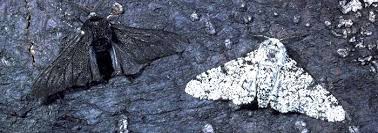
A brown mouse lives in the mountains. It blends with the soil. Predators cannot see it. Some of its babies are born with grey fur. Predators easily see the grey mice and eat them.
Then, a volcano erupts and changes the environment. The ground is now a black or gray color.
After natural selection, which mouse will there be more of? Why?
A mouse with grey fur because it would blend in better to the environment
A mouse with brown fur because it would blend in better to the environment
A variation is . . .
when organisms have camouflage like spots or stripes
an organism from a different dimension
when you order different food than your friend
differences between organisms in the same species
Any change in the sequence of DNA is a
recombination
mutation
chromatin
independent assortment

