
 Worksheets
Bio30 - U2ChD - Review
Total questions: 192
Worksheet time: 3hrs 8mins
What is the primary purpose of photosynthesis in plants?
To produce oxygen
To convert light energy into chemical energy
To absorb carbon dioxide
To release water
Which of the following is a product of the light reactions in photosynthesis?
Glucose
ATP
Carbon dioxide
Water
What is the main function of the Calvin Cycle?
To produce ATP
To fix carbon dioxide into glucose
To release oxygen
To absorb sunlight
Which of the following is the first stage of cellular respiration?
Krebs Cycle
Electron Transport Chain
Glycolysis
Fermentation
Where does glycolysis occur in the cell?
Mitochondria
Chloroplast
Cytoplasm
Nucleus
What is the main purpose of the Krebs Cycle?
To produce glucose
To generate ATP and electron carriers
To fix carbon dioxide
To split water molecules
Which of the following is NOT a stage of mitosis?
Prophase
Metaphase
Cytokinesis
Anaphase
During which stage of mitosis do chromosomes align at the cell's equator?
Prophase
Metaphase
Anaphase
Telophase
What is a key difference between mitosis and meiosis?
Mitosis results in four daughter cells
Meiosis involves two rounds of cell division
Mitosis occurs only in gametes
Meiosis produces identical cells
Which process is responsible for genetic variation in meiosis?
Crossing over
Cytokinesis
DNA replication
Binary fission
What is binary fission?
A type of sexual reproduction
A process of cell division in prokaryotes
A stage of mitosis
A method of energy production
Which of the following organisms primarily use binary fission for reproduction?
Plants
Animals
Bacteria
Fungi
What is an autotroph?
An organism that consumes other organisms for energy
An organism that produces its own food
An organism that decomposes organic material
An organism that relies on sunlight for warmth
Which of the following is a heterotroph?
A tree
A mushroom
A sunflower
A cyanobacterium
What is the role of chlorophyll in photosynthesis?
To absorb water
To absorb light energy
To release oxygen
To fix carbon dioxide
Which molecule is the final electron acceptor in the electron transport chain of cellular respiration?
Carbon dioxide
Oxygen
Water
Glucose
What is the main product of the Calvin Cycle?
Oxygen
ATP
Glucose
NADPH
Which stage of cellular respiration produces the most ATP?
Glycolysis
Krebs Cycle
Electron Transport Chain
Fermentation
What is the primary function of NADPH in photosynthesis?
To provide energy for the Calvin Cycle
To absorb light energy
To release oxygen
To transport carbon dioxide
Which of the following processes occurs in the thylakoid membranes of chloroplasts?
Calvin Cycle
Light reactions
Glycolysis
Krebs Cycle
What is the main purpose of the light reactions in photosynthesis?
To produce glucose
To generate ATP and NADPH
To fix carbon dioxide
To release oxygen
Which of the following is a characteristic of autotrophs?
They rely on other organisms for food
They perform photosynthesis
They decompose organic material
They are always multicellular
What is the role of oxygen in cellular respiration?
To act as a reactant in glycolysis
To serve as the final electron acceptor
To produce glucose
To fix carbon dioxide
Which of the following is a product of glycolysis?
Oxygen
Pyruvate
Carbon dioxide
Water
What is the main difference between autotrophs and heterotrophs?
Autotrophs produce their own food, while heterotrophs consume other organisms
Autotrophs are always multicellular, while heterotrophs are unicellular
Autotrophs decompose organic material, while heterotrophs do not
Autotrophs rely on sunlight for warmth, while heterotrophs do not
Which stage of meiosis is responsible for the separation of homologous chromosomes?
Prophase I
Metaphase I
Anaphase I
Telophase I
What is the significance of crossing over during meiosis?
It produces identical daughter cells
It increases genetic diversity
It reduces the chromosome number by half
It ensures the production of ATP
Which of the following processes is unique to meiosis and not found in mitosis?
Cytokinesis
DNA replication
Synapsis
Chromosome alignment
What is the main purpose of mitosis?
To produce gametes
To generate genetic diversity
To produce identical daughter cells
To reduce chromosome number
Which of the following best describes the process of binary fission?
It involves the fusion of gametes
It is a form of asexual reproduction
It occurs only in eukaryotic cells
It results in four daughter cells


Where do the dark reactions (Calvin cycle) take place?
thylakoid membrane
lumen
stroma

Using oxygen
anaerobic respiration
aerobic respiration
Not using oxygen
anaerobic respiration
aerobic respiration
The first step in Cellular respiration is
glycolysis
krebs cycle
ETC
Glycolysis begins with
pyruvic acid
fermentation
glucose
glycolysis happens in the
mitochondria matrix
cytoplasm
chloroplast
The investment into glycolysis is _____ ATP
2
4
1
The outcome is ____ ATP but since we invested some already the net outcome is ____
4; 2
2;4
2;1
Products of cellular respiration is
water and carbon dioxide
glucose and oxygen
The reactants of cellular respiration is
glucose and oxygen
water and carbon dioxide
How many high-energy electrons are passed to the carrier NAD+ to produce NADH in glycolysis?
2
8
5
4
After the NAD+ receives electrons, what does it change to?
ATP
NADH
ADP
Glycolysis requires oxygen
True
False
How many ATP molecules are synthesized from 4 ADP molecules?
2
4
6
1
How many ATP molecules are required to start glycolysis?
Four
Three
Two
One
Glycolysis has a net gain of how many ATP molecules?
2
4
6
Glycolysis DOES NOT need ATP to occur.
True
False
Glycolysis has the potential to produce lots of energy very quickly.
True
False
Glycolysis is the ________ stage of cellular respiration.
Second
First
Third
Forth
How many FADH2 molecules are produced by 1 turn of the Krebs Cycle (per Pyruvate)?

Hydrogen ions are pumped from the __________ to the ___________.
matrix; intermembrane space
intermembrane space; matrix
matrix; cytoplasm
intermembrane; cytoplasm
The final electron acceptor in electron transport chain is
NAD+
FAD
Oxygen
Water
How many ATP produced for each NADH that enter the electron transport chain from Kreb's cycle?
1
2
3
4
The effect of increased levels of hydrogen ions in the intermembrane space of the mitochondria is
Increase ATP production
Decreased levels of oxidative phosphorylation
Increased levels of water in intermembrane space
Decreased levels of chemiosmosis
Where does oxidative phosphorylation take place?
Cytosol
Matrix of mitochondria
Innermembrane of mitochondria
Intermembrane space of mitochondria
What does FADH2 and NADH bring to the electron transport chain?
Oxygen
Water
Electron
ATP
As electrons travel down the electron transport chain, they release
ADP
Energy
ATP
Hydrogen ion
In the absence of oxygen, ____ follows glycolysis.
the link reaction
the citric acid cycle
fermentation
the calvin cycle
ATP synthesis by ATP synthase is driven by
H+ movement
electron movement
NADH movement
FADH2 movement

What are the final products of oxidative phosphorylation? (Pick more than 1)
NADH
ATP
CO2
H2O
Which of the following processes creates the most ATP during aerobic cellular respiration?
glycolysis
fermentation
electron transport chain
Citric acid cycle

Which of the following is not true?
Cellular respiration...
happens only in animals.
results in 36-38 ATP.
converts food to energy.
consists of glycolysis, citric acid cycle, oxidative phosphorylation.

Please indicate the correct equation(s) for Cellular Respiration. (More than 1)
Glucose + Oxygen --> Carbon Dioxide + Water + Energy
C6H12O6 + O2 --> CO2 + H2O + ATP
Carbon Dioxide + Water + Energy --> Glucose + Oxygen
C6H12O6 + 6 O2 --> 6 CO2 + 6 H2O + ATP
up to 38
What do you call organisms that can make their own food?
heterotophs
autotrophs
trophies

________________ are consumers that eat ONLY PLANTS.
Herbivores
Carnivores
Omnivores
Producers

__________________ are consumers that eat ONLY MEAT (other animals)?
Omnivores
Carnivores
Producers
Herbivores

__________________ are consumers that eat BOTH Plants and Animals for food.
Omnivores
Producers
Herbivores
Carnivores
Which of the following organisms recycle materials from dead organisms and their waste products?
autotrophs
heterotrophs
scavengers
decomposers
Where do the leaves and stems of plants get their green color from?
glucose
oxygen
carbon dioxide
chlorophyll
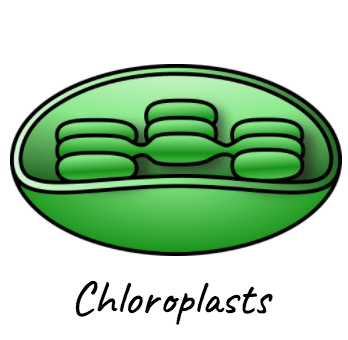
Which of the following is NOT a product of the light reactions?
Oxygen
NADPH
ATP
Glucose (Sugar)

What part of the plant cell performs photosynthesis?
The Mitochondrion
The Nucleus
The Chloroplast
The Cell Wall

What supplies the electron that is lost in Photosystem II?
oxygen
water
glucose
rubisco
Autotrophs (producers) can perform photosynthesis because they have -
Mitochondria
Ribosomes
A Nucleus
Chloroplasts
In the ________________________, energy from the sun is used to make ATP and NADPH.
light-independent reaction
dark reaction
light-dependent reaction
Calvin cycle
Which of the following equations represents the overall chemical reaction for photosynthesis?
6O2+ 6H2O → C6H12O6+ 6O2
C6H12O6 + 6H2O→ 6O2+ 6O2
6CO2+ 6H2O→ C6H12O6+ 6O2
6O2 + 6H2O→ C6H12O6 + 6CO2

Choose the statement that best describes light reaction.
It converts CO2 to sugar molecule
It converts light energy to chemical energy of ATP and NADPH
It takes place in the stroma
The correct word equation for aerobic respiration is
carbon dioxide + water (+ energy) → glucose + oxygen
water + oxygen → carbon dioxide + glucose (+ energy)
glucose + oxygen → carbon dioxide + water (+ energy)
glucose + water → carbon dioxide + water (+ energy)


Name the phase
telophase
metaphase
anaphase
prophase

What is the next phase of mitosis after the picture?
telophase
metaphase
anaphase
prophase
The process after mitosis is called (a) ?
The stage where the chromosomes line up in the middle of the cell.
telophase
metaphase
anaphase
prophase

Name the phase
telophase
metaphase
anaphase
prophase
The order of the stages of mitosis are
telophase, metaphase, anaphase, prophase
prophase, anaphase, metaphase, telophase
prophase, metaphase, anaphase,
telophase
telophase, anaphase, metaphase, prophase
What phase is Telephase?


What phase is metaphase?
What phase is anaphase?


Synthesis Phase (S Phase) of Interphase
1 cell division
MITOSIS
MEIOSIS
2 cell divisions
MITOSIS
MEIOSIS
A single cell produces 4 new cells
MITOSIS
MEIOSIS
Body cells are formed
Mitosis
Meiosis
Both
Neither
Nucleus breaks down
Mitosis
Meiosis
Both
Neither
Centrioles move to opposite ends of the cell
Mitosis
Meiosis
Both
Neither
Mitosis
Makes skin cells
Meiosis
Makes gametes (sperm & egg)
Asexual Reproduction
1 parent
Sexual Reproduction
2 parents
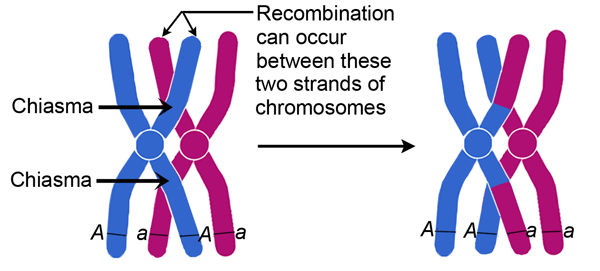
This image shows chromosomes during Prophase 1. Which of the following correctly describes the process shown?
segregation of sister chromatids
condensation and segregation of alleles
mutationin which the DNA content of the gene is altered
crossing over or recombination in which alleles are exchanged
In humans, sperm cell have ___________ chromosomes and are ___________________, while skin cells have _____________ chromosomes are are diploid.
23. haploid. 46 diploid
46. haploid. 23. diploid
23 diploid. 46 haploid
46. diploid. 23. haploid.


Is the following cell diploid or haploid?
Diploid
Haploid

The process on the right is:
Right: meiosis
Right: cloning
Right: meiosis
Right: mitosis
Chromosomes form tetrads during
metaphase I of meiosis.
prophase I of meiosis.
interphase.
anaphase II of meiosis.


What phase is represented?
Metaphase I
Metaphase II
Prophase I
Anaphase II

What do budding, binary fission and spore formation have in common ?
They require two parents
They require only one parent cell
They produce only one daughter cell
They are all forms of sexual reproduction
Which of the following methods do bacteria that cause tooth decay and cavities reproduce?
Budding
Binary fission
Spore formation
Vegetative reproduction
What are the end products of binary fission?
Two independent daughter cells that are identical to each other
One daughter cell that is genetically different from the parent
Two independent daughter cells that are different from each other
Two daughter cells that are genetically different from the parent cell
Yeast reproduce by
Budding
Binary fission
Spore formation
Vegetative reproduction
During budding, what is usually formed?
A bud from the daughter cell
New DNA from the parent cell
An outgrowth from the parent organism
New stems and roots
Which method does mould use to produce more mould on a piece of cheese or bread?
Budding
Binary fission
Spore formation
Vegetative reproduction
Asexual reproduction requires
Only one parent to produce offspring
Two parents to produce offspring
A combination of parents to produce offspring
Two clones to produce offspring
One key advantage of asexual reproduction is
Offspring complete for food and space
It allows organisms to reproduce quickly
Extreme temperatures can wipe out entire populations
Offspring are different than parent organism
One disadvantage of asexual reproduction is
A species cannot survive when predators increase
Large colonies can out compete other organisms for nutrients and water
Large numbers of offspring reproduce slowly
Extreme temperatures can wipe out entire colonies

