
NEW
Font size
 Worksheets
Microbiology Lab Practicum 3 Review
Total questions: 35
Worksheet time: 18mins
Which sugar can all bacteria use in phenol red sugar fermentation tubes?
Lactose
Maltose
Glucose
Sucrose
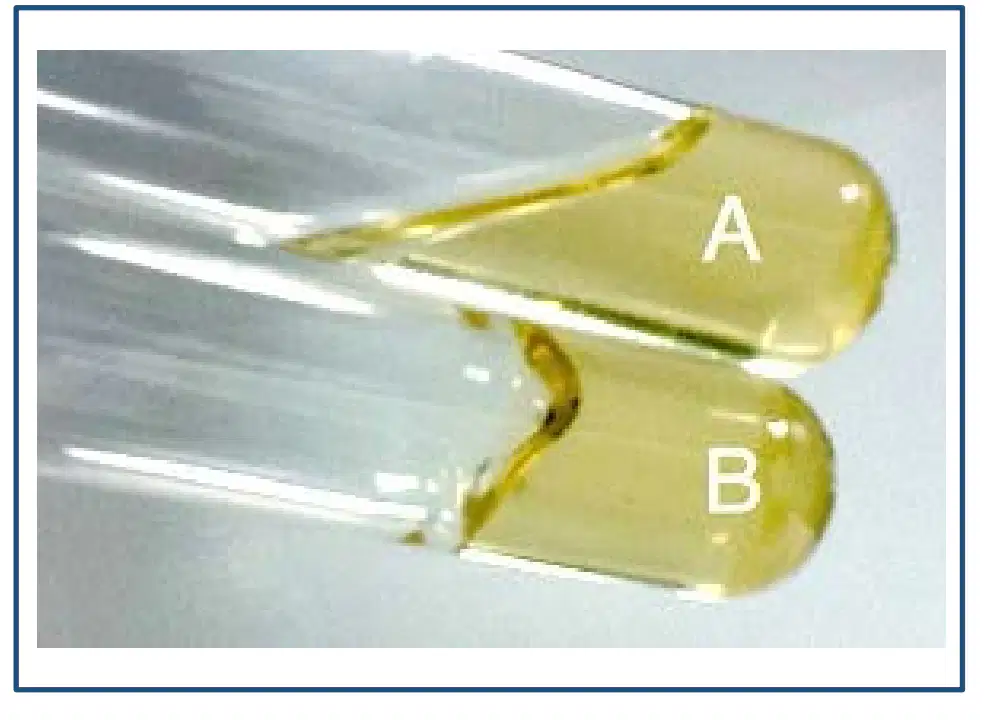
What enzyme is responsible for the degradation of gelatin in the gelatin hydrolysis test?
Amylase
Gelatinase
Lipase
Catalase
In the gelatin hydrolysis test, what does a positive result indicate?
Gelatin remains solid
Gelatin liquefies
Gelatin turns blue
Gelatin forms bubbles
What is the main component of gelatin that is degraded in the gelatin hydrolysis test?
Starch
Collagen
Cellulose
Hemoglobin
What does the Methyl Red test detect?
Production of acetoin
Production of acid by fermentation
Presence of glucose
Presence of oxygen
What is the significance of a yellowish color in the Voges-Proskauer test?
Positive result
Negative result
Neutral result
Inconclusive result
The Voges-Proskauer test is part of which set of tests?
IMViC
ABC
XYZ
DEF
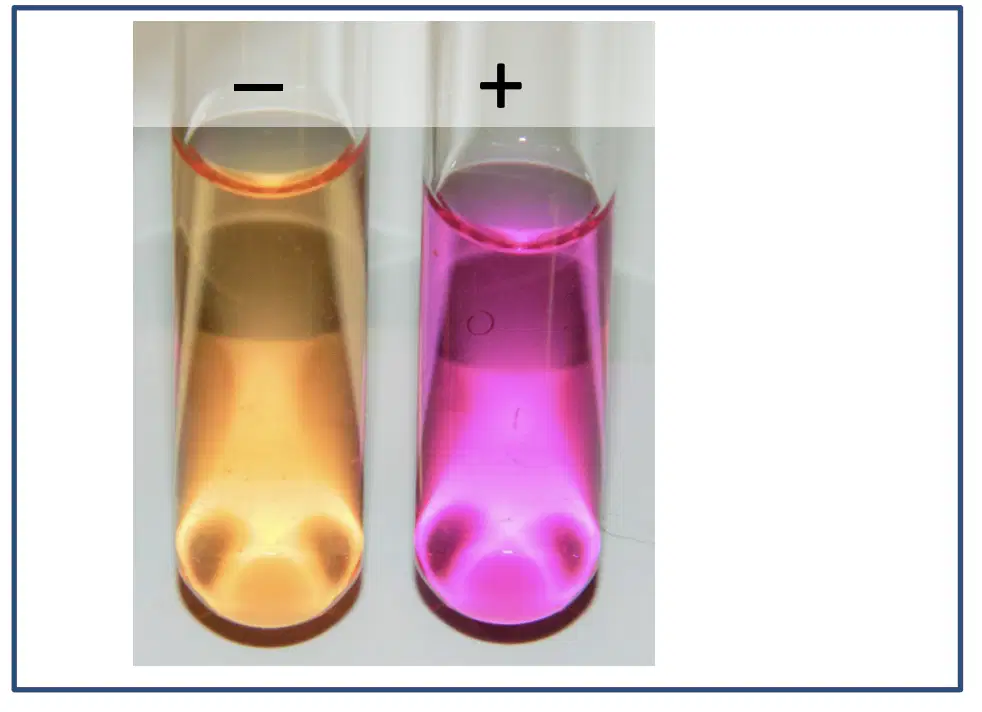
What color does the Urea Broth turn when alkaline?
Orange
Yellow
Pink
Blue
What happens to casein if enough acid is produced during the Litmus Milk Test?
It dissolves
It forms a curd
It evaporates
It remains unchanged
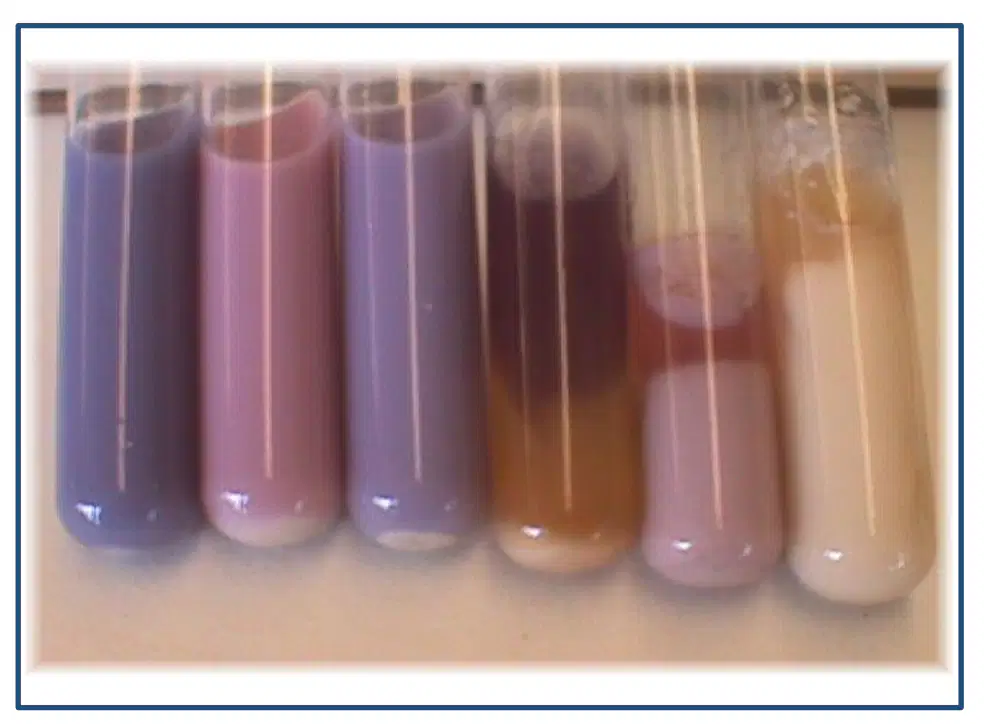
What occurs during litmus reduction in the Litmus Milk Test?
Litmus becomes red
Litmus becomes colorless
Litmus becomes green
Litmus becomes yellow
What indicates the presence of gas in the TSI test?
Bubbles on the surface
Cracks in the agar
Change in color to blue
Formation of a precipitate
What happens to the medium in Spirit Blue Agar when lipids are degraded?
It turns red
It becomes clear
It turns green
It becomes opaque
What enzyme is indicated by a clear zone in Spirit Blue Agar?
Amylase
Protease
Lipase
Cellulase
What does a negative result in the Spirit Blue Agar test indicate?
Presence of lipase
Absence of lipase
Presence of protease
Absence of protease
What type of organism is indicated by "ANA" in thioglycollate broths?
Aerobe
Microaerophile
Facultative anaerobe
Anaerobe (obligate)
What does "FAC ANA" represent in thioglycollate broths?
Aerobe
Facultative anaerobe
Microaerophile
Obligate anaerobe
What does "AERO ANA" stand for in thioglycollate broths?
Aerotolerant anaerobe
Obligate aerobe
Facultative anaerobe
Microaerophile
What is the visual indication of proteolysis in cooked meat broths?
Clear broth
Cloudy broth
Red broth
Blue broth
What is the significance of a "fuzzy" appearance in cooked meat broths?
Indicates bacterial growth
Indicates absence of bacteria
Indicates presence of fungi
Indicates absence of fungi
What does the term "facultative anaerobe" mean?
Requires oxygen to survive
Can survive with or without oxygen
Cannot survive in the presence of oxygen
Requires high temperatures to survive
What is the role of oxygen in thioglycollate broths?
To provide nutrients
To differentiate bacteria
To solidify the medium
To change the color of the broth
What does a cloudy appearance in cooked meat broths indicate?
Absence of bacteria
Presence of proteases
Presence of fungi
Absence of proteases
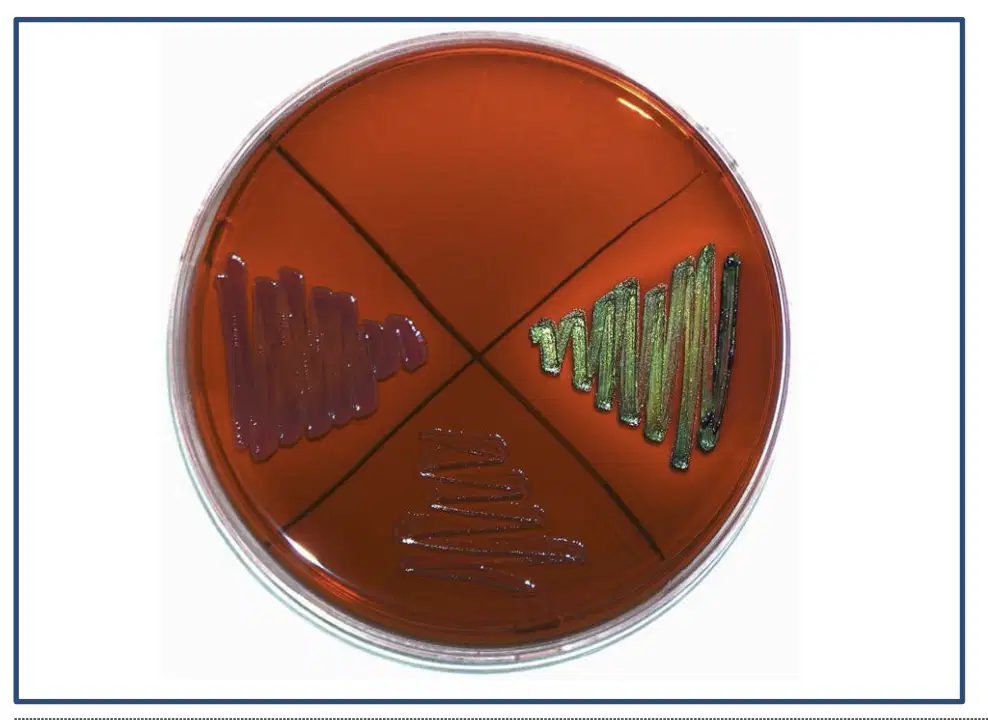
What is the primary use of Eosin Methylene Blue (EMB) agar?
To differentiate between Gram-positive and Gram-negative bacteria
To select and differentiate coliforms
To grow fungi
To identify viruses
What results in pink colonies on MacConkey agar?
Fermentation of glucose
Fermentation of lactose
Presence of bile salts
Absence of crystal violet
What does gamma hemolysis indicate about bacterial activity on blood agar?
Partial lysis
Complete lysis
No lysis
Partial greening
Which type of hemolysis is characterized by a greenish discoloration on blood agar?
Alpha hemolysis
Beta hemolysis
Gamma hemolysis
Delta hemolysis
What is the primary indicator of mannitol fermentation in Mannitol Salt Agar?
Gas production
Color change to yellow
Precipitate formation
Increase in pH
What is the effect of mannitol fermentation on the pH of the medium?
Increases pH
Decreases pH
No effect on pH
Neutralizes pH
Which type of hemolysis is associated with a clear zone around bacterial colonies?
Alpha hemolysis
Beta hemolysis
Gamma hemolysis
Delta hemolysis
What is the significance of a yellow color change in Mannitol Salt Agar?
Indicates alkaline conditions
Indicates acid production
Indicates no bacterial growth
Indicates high salt concentration
What is a coliform?
Gram -, lactose fermenting rods
Gram +, lactose forming rods
Gram -, lactose free rods
Gram +, lactose forming spheres
What is the purpose of Starch Hydrolysis Test?
Test for the presence/absence of amylase
Test for the presence/absence of caseinase
Test for ds DNA
Test for the presence/absence of lipids
Selective staining for gram-negative bacteria
What is the purpose of Skim Milk/Caseinase test?
differentiate between staphylococcus aureus and streptococci
test for presence/absence of caseinase
test for ds DNA
test for presence/absence of lipase
selective staining for gram-negative bacteria

Identify the positive result for Catalase Test.
Bubbles of CO2 are produced when catalse is present.
Bubble of O2 are produced when catalse is present.
Bubbles of CO2 are produced when catalase is absent.
Bubble of O2 are produced when catalse is absent.
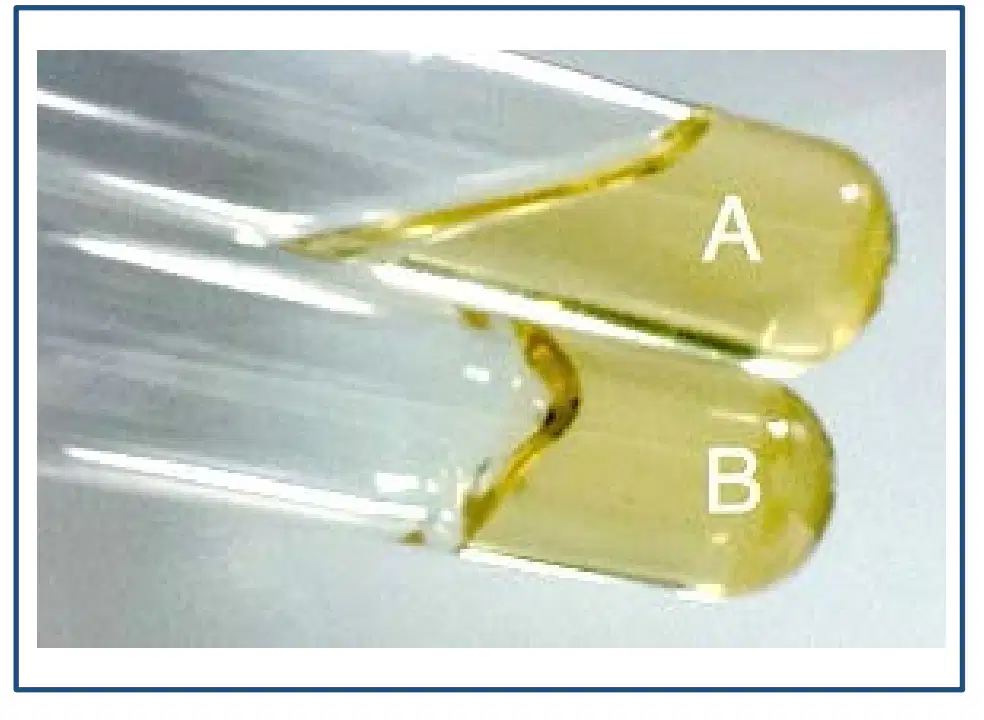
Identify the POSITIVE result for Gelatin Hydrolysis Test.
Test Tube A; Liquefaction due to presence of gelatinase
Test Tube B; Liquefaction due to presence of gelatinase
Test Tube A; Liquefaction due to absence of gelatinase
Test Tube B; Solid due to absence of gelatinase

