
 Worksheets
Creative Camera Modes
Total questions: 32
Worksheet time: 22mins
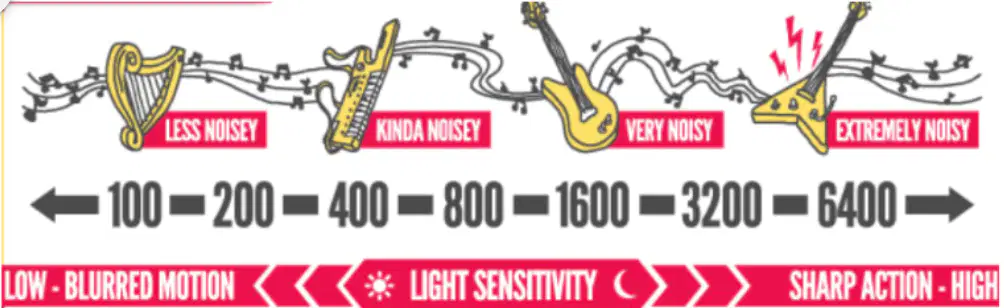
This infographic represents _________.
Aperture
Shutter Speed
Exposure Triangle
ISO

The creative camera modes, which allow you to manually control the settings, include...
Sports, Landscape, Food & Portrait
Manual, AV, TV & Program
Neutral, Monochrome & Standard
All of the above
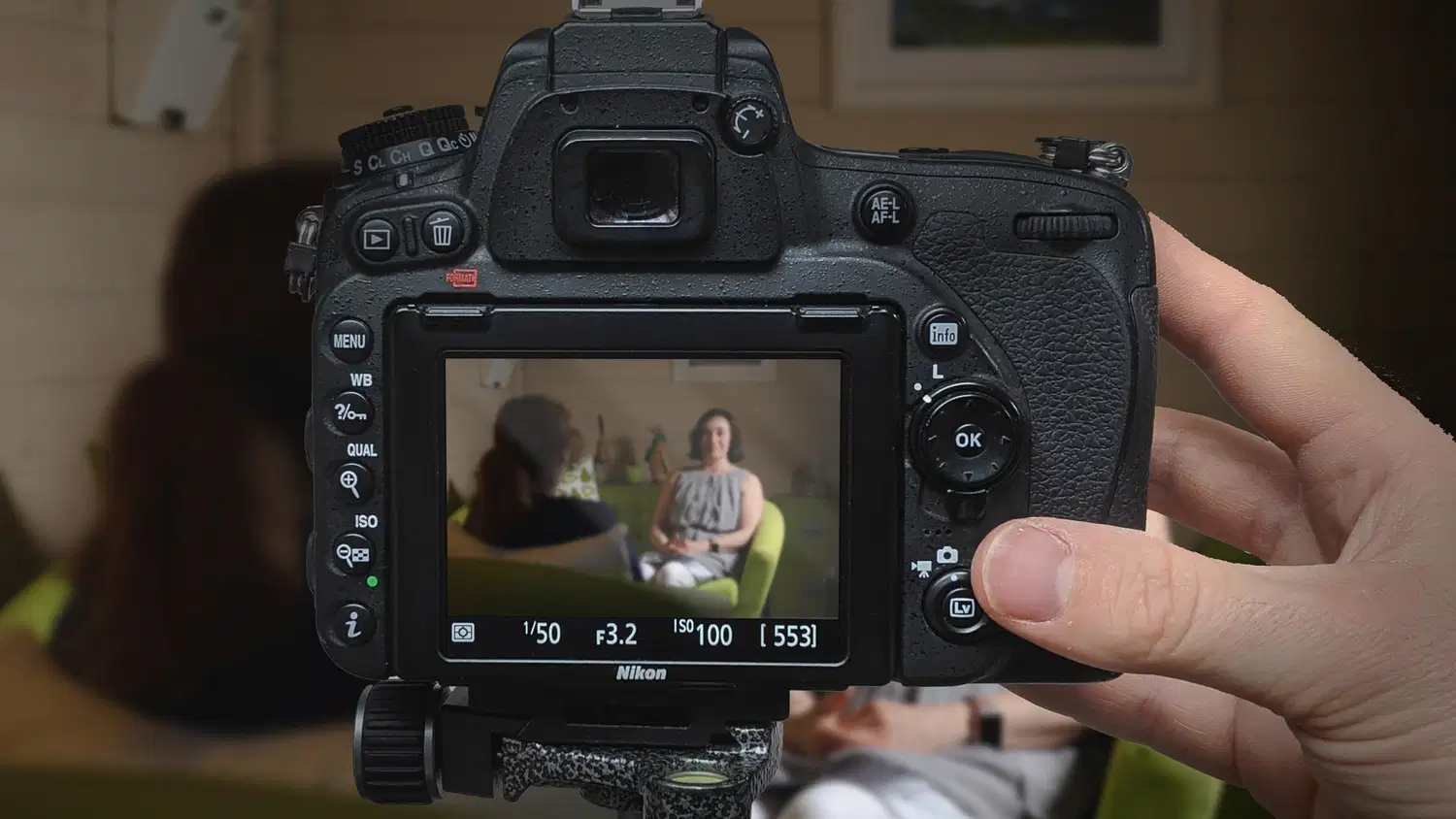
Aperture is measured in ________
F-stops
Meters
Picas
Inches

What is this camera's aperture set at?
1/60
Auto
F5.6
1562
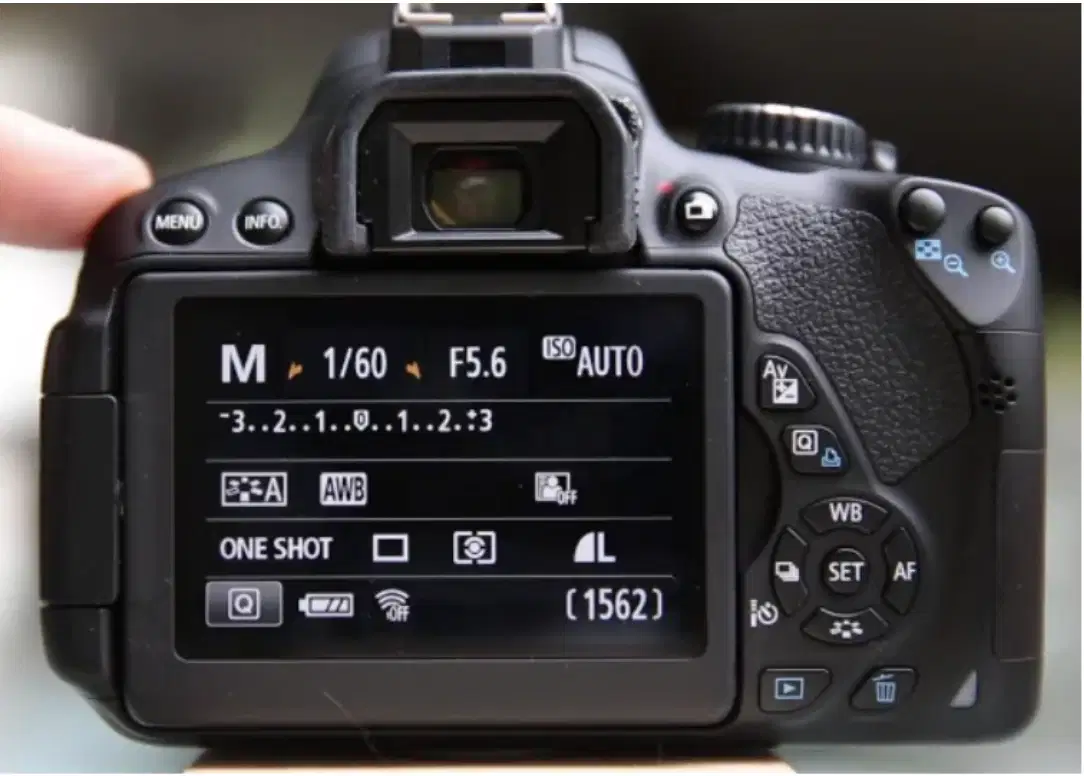
What is the shutter speed set at in this photo?
1/60
Auto
M
F5.6
A smaller f-stop refers to a larger aperture, while a larger f-stop refers to a smaller aperture.
True
False
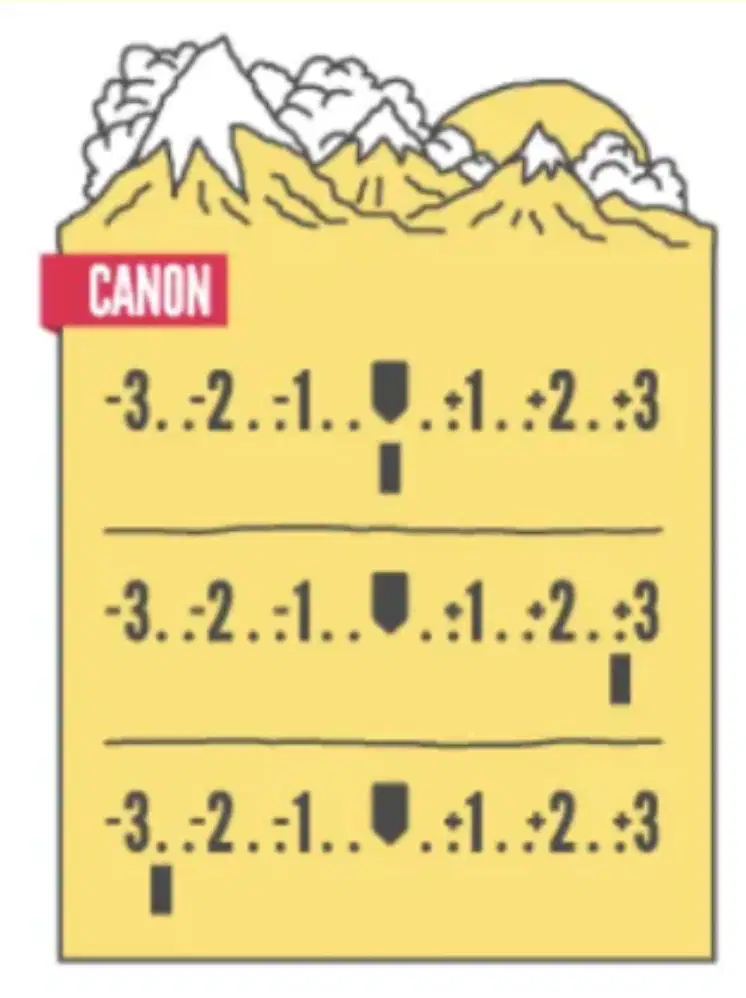
This graphic represents the
ISO
Shutter Speed
Exposure Meter
None of the above
The three main settings -- Shutter Speed, Aperture & ISO -- make up the _______.
Auto setting
options
Inverted Pyramid
Triad
Exposure Triangle
Increasing the ISO also increases the _____, which can create more ______.
Depth of field, detail
Sensitivity, noise or grain
Clarity, Blur
All of the above

These lighting options show the differences in ______?
ISO
Shutter Speed
White Balance
Aperture
Which creative mode allows you total control over all of the settings? (exept the exposure meter)
Program
AV
TV
Manual
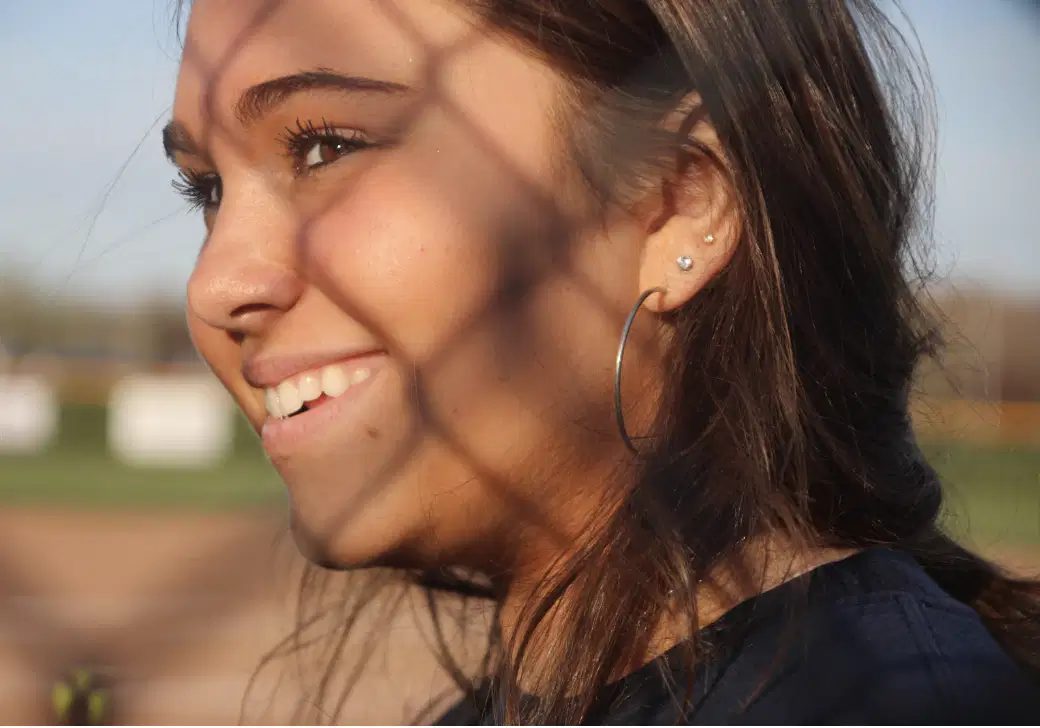
Which camera techniques are applied in this 2024 softball photo of Payton Williams? (by Addison Mrakovich)
Repeating patterns
Side light
Depth of field
All of the above
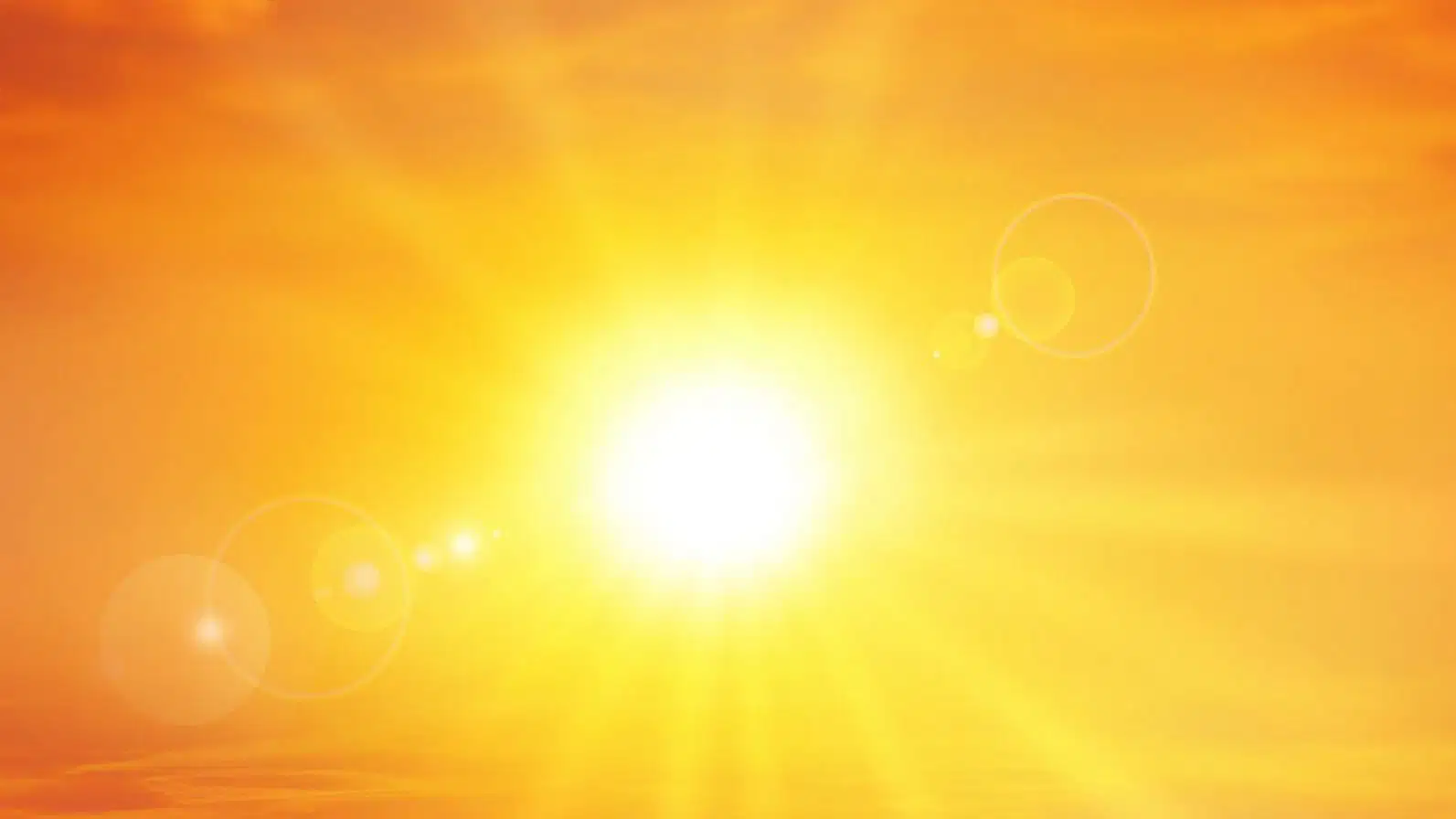
The overall brightness of an image is...
Shutter Speed
Exposure
Aperture
Backlight
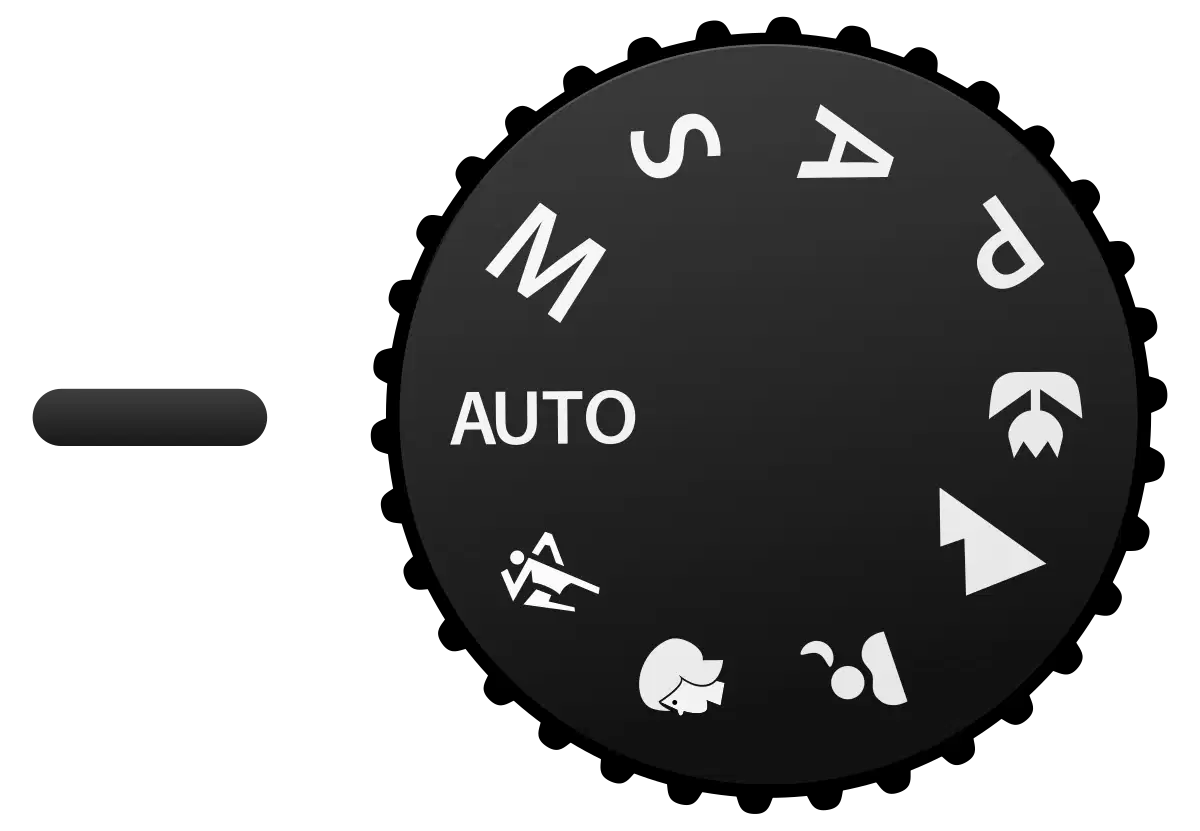
Match the modes...
Camera selects shutter speed & aperture.
Use for shooting indoors: offices, hallways, or concerts.
Program Mode
Use to manually select shutter speed & let camera
determine aperture. Use for stop-action photography: passing cars,
moving athletes or running children.
S/TV Mode
Use to make the image's foreground more in focus than
background (depth of field). You set the aperture.
AV Mode
You control the shutter speed and
aperture.
Example: Artsy firework shots
Manual Mode
Camera adjusts for light, focal length, and motion blur. for you.
Auto Mode
Think of ISO as... (a)
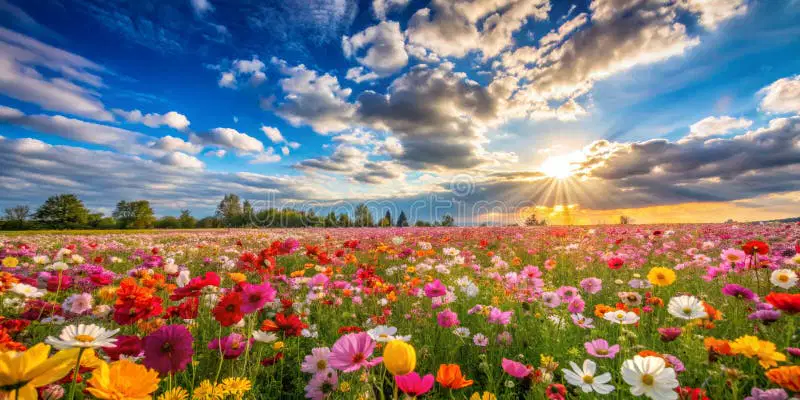
Use a (a) ISO for ambient light, outdoor photography, when the sun supplies a lot of light.

The orbs created when lights/snow/rain drops are out of focus in an image:
Overexposure
Bokeh
Backlight
Sidelight

A wide open (a) will let more light into the image for a brighter photo, while a smaller one lets in less light.
Which aperture would let in less light but create a sharper focus?
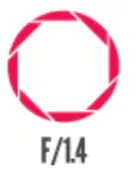
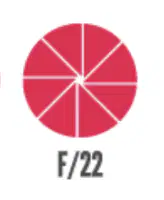
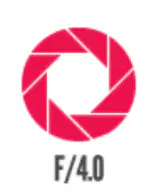
Select the best ISO setting for each lighting scenario...
ISO 200
Bright days outside
ISO 400
Average light days outside
ISO 800
Typical Classrooms
ISO 1000
Dark classrooms, hallways & the gym
ISO 1600
Theater & night games
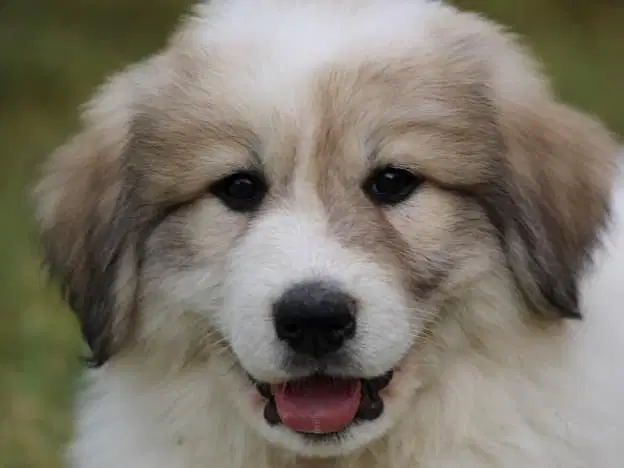
First thing you should check on the camera if your photos are out of focus:
The auto/manual focus switch on the lens
Is the battery charged?
The exposure meter
The ISO setting
Which white balance settings should you use in our typical gloomy Ohio winter/spring? (select two)
Cloudy
Flourescent Light
Daylight
Shade

Which compositional elements does this portrait of Olivia feature? (select all that apply)
Rule of thirds
Leading lines
Repetition
Bird's eye view
Rule of odds
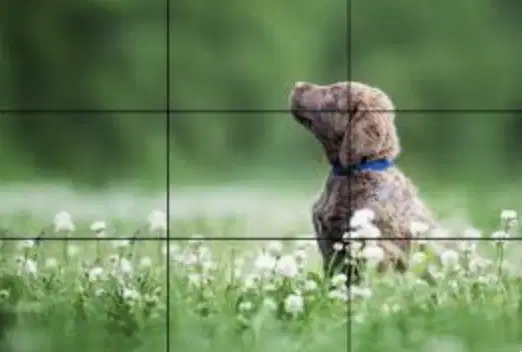
Which compositional technique is shown in this image?
Rule of Odds
Rule of Thirds
Fill the Frame
All of the above
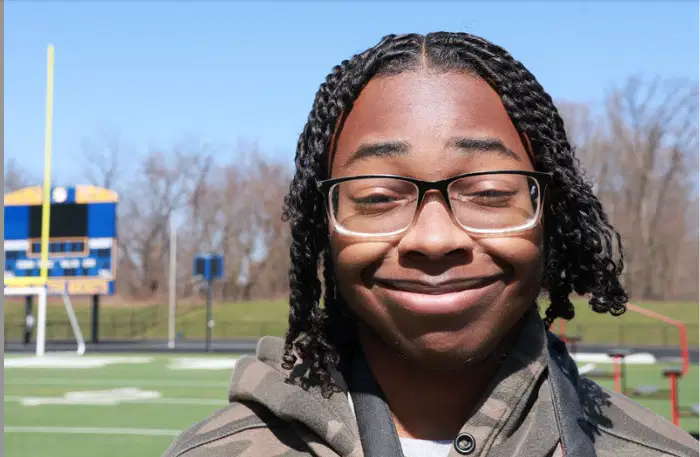
Jazlynn's portrait of DaeJon showcases...
Centering
The Rule of
Odds
The Rule of Thirds
A Merger

Christian's photo of Charles features which compositional elements? (select all that apply)
Framing & Depth of Field
A Merger
Leading Lines & Repetition
Bird's-eye View & Repetition

Meredyth's portrait of Gabby features...
A Merger
Side Light & Framing
Worm's-eye View & Repetition
All of the above
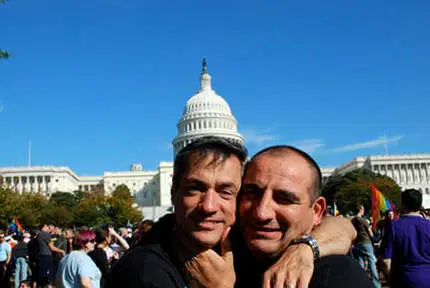
Photo mergers...
Are anywhere leading lines come together
Are ideal background elements
Are awkward elements that look like they're growing out of the body or are cut off at strange points
All of the above
Select the photo merger(s)

This is NOT Photoshopped!

Sorry, this one won't rotate for me...

Marissa doesn't have antennas FR
All of the above
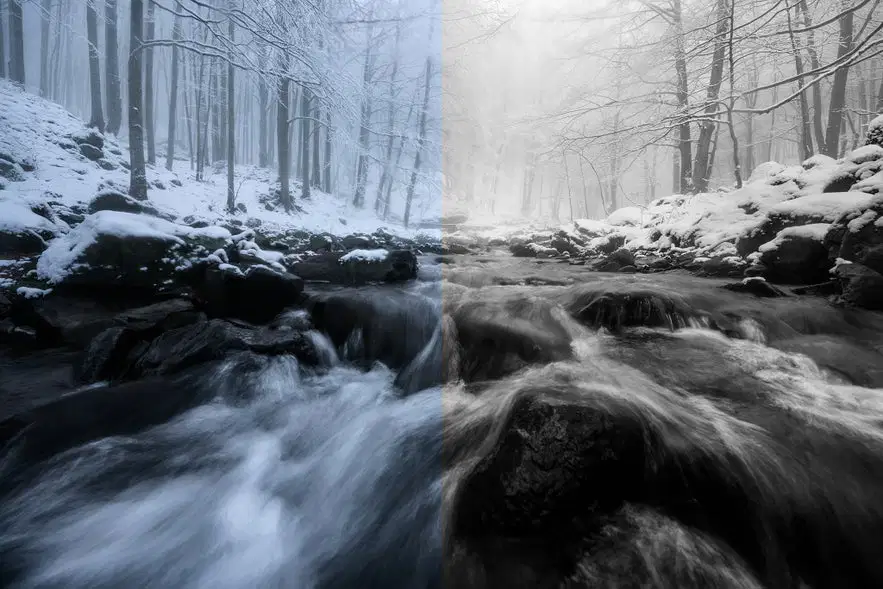
How do you access the Picture Styles like "Monochrome?" and "Landscape" on most of the cameras?
Belly Button
Q Button
WB Button
ISO Button

What is the focal point of the photo called?
CVI or Center of Visual Interest
Focal Length
Manual Focus
Lens Cap

