
 Worksheets
History STAAR Review 2025
Total questions: 100
Worksheet time: 1hrs 15mins
What are the three branches of government?
Legislative
Executive
Judicial
What is the role of the Executive branch?
Enforce Laws
Make Laws
Interpret Laws
Oversee Elections
What is the role of the Judicial branch?
Interpret Laws
Make Laws
Enforce Laws
Amend Laws
What does the 1st Amendment guarantee?
Freedom of speech, religion, press, petition, and assembly
Right to bear arms
Right to a fair trial
Protection against unreasonable searches and seizures
What right does the 2nd Amendment protect?
Right to bear arms
Right to free speech
Right to privacy
Right to a fair trial
What does the 3rd Amendment prohibit?
No quartering troops
Unreasonable searches and seizures
Double jeopardy
Cruel and unusual punishment
What protection does the 4th Amendment provide?
No search and seizure
Freedom of speech
Right to bear arms
Right to a speedy trial
What rights are included in the 5th Amendment?
Right to remain silent (Due Process + No Double Jeopardy)
Right to bear arms
Right to free speech
Right to a speedy trial
What does the 6th Amendment guarantee?
Right to a speedy trial
Right to bear arms
Right to free speech
Right to privacy
What right does the 7th Amendment provide?
Right to a jury (civil cases $$$)
Right to bear arms
Right to free speech
Right to remain silent
A political party who favored a weak central government
Democratic-Republicans
Alliance
Foreign policy
Domestic policy
What does the 8th Amendment prohibit?
No cruel or unusual punishment (no excessive bail)
Freedom of speech
Right to bear arms
Quartering of soldiers
What does the 9th Amendment state?
Rights to the people
Right to bear arms
Freedom of speech
Right to a fair trial
What power does the 10th Amendment reserve?
Power to the states
Power to the federal government
Power to the President
Power to the Supreme Court
What is the principle of Individual Rights?
Your Rights!
Collective Rights
Government Rights
Community Rights
What does Federalism mean in the context of the Constitution?
Federal and State governments SHARE power
Federal government has all the power
State governments have all the power
Local governments have more power than the federal government
What is the role of the Legislative branch?
Make Laws
Enforce Laws
Interpret Laws
Conduct Elections
What is the principle of Popular Sovereignty?
People Power ("We The People")
Divine Right of Kings
Rule by the Wealthy
Military Dictatorship
What was the purpose of the Magna Carta (1215)?
Limited the powers of the King of England
Established the first constitution in the colonies
Created the Declaration of Independence
Formed the Virginia House of Burgesses
The English Bill of Rights (1689) provided a list of freedoms for the people of _______.
England
France
Spain
Germany
The significance of the Virginia House of Burgesses (1619) was:
It was the first legislative assembly of elected representatives in North America.
It marked the beginning of the American Revolution.
It was the first colony to declare independence from Britain.
It was the first to implement the Bill of Rights.
Which document was the first constitution in the colonies, providing freedom of religion?
The Mayflower Compact
The Fundamental Orders of Connecticut
The Virginia Declaration of Rights
The Articles of Confederation
What did the Declaration of Independence (1776) include?
A list of grievances against the British king
A detailed plan for the new government
A declaration of war against Britain
A request for peace with Britain
The outcome of the Articles of Confederation (RIP-1787) was:
The establishment of a strong federal government
The creation of the United States Constitution
The continuation of British rule
The expansion of the United States territory
Who was the main author of the Constitution, known as the 'Father of the Constitution'?
George Washington
Thomas Jefferson
James Madison
Benjamin Franklin
What was the Great Compromise?
An agreement during the Constitutional Convention that established a two-house legislature
A treaty that ended the American Revolutionary War
A compromise between the North and South over slavery
An economic plan to stabilize the post-war economy
The 3/5 Compromise was a historical agreement during the Constitutional Convention. What did it entail?
It allowed states to count three out of every five slaves for representation and taxation purposes.
It was an agreement to divide the United States into three regions.
It was a treaty with Britain to end the Revolutionary War.
It was a compromise to establish three branches of government.
Who were the leaders of the Federalists and what did they want?
Alexander Hamilton and John Adams; they wanted a strong central government
Thomas Jefferson and James Madison; they wanted states' rights
George Washington and Benjamin Franklin; they wanted independence from Britain
Andrew Jackson and Martin Van Buren; they wanted to expand westward

The ________ branch is the lawmaking branch of the national government and includes the congress.
legislative
executive
judicial
K. Garcia
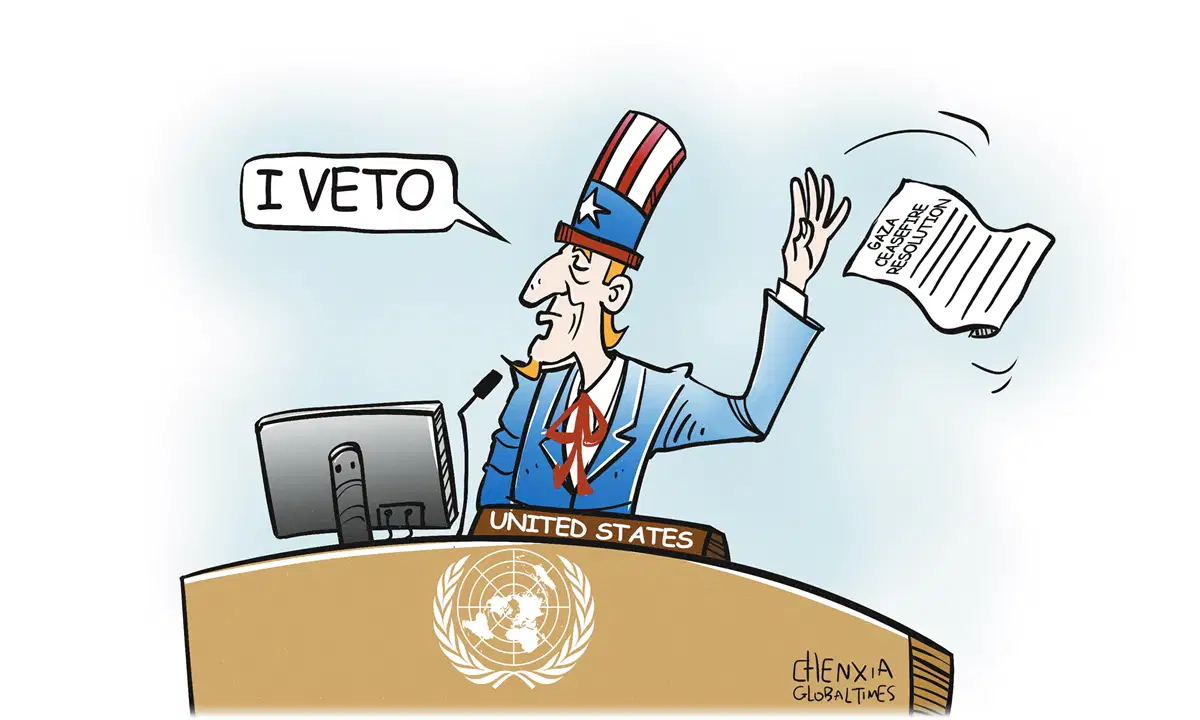
to say no to a law, reject a law
to sign a bill into law
to send a proposed law to voters
System of money
Currency
Alliance
Precedent
Domestic policy
A union or association formed for mutual benefit, especially between countries or organizations.
Currency
Alliance
Domestic policy
Democratic-Republican
A tradition set by someone who came before
Currency
Alliances
Foreign Policy
Precedent
Policies and decisions that are made regarding issues outside a country’s borders
Foreign policy
Domestic policy
Democratic-Republican
Alliance
Policies and decisions that are made regarding issues inside a country’s borders
Foreign policy
Domestic policy
Democratic-Republican
Alliance
To control
Precedent
Alliance
Regulate
Foreign policy
What was the major foreign policy event that took place during Adam's presidency?
The XYZ Affair
A war with Spain
Trying to move into Canada
Trying to buy Hawaii
What did French diplomats try to get the US to do when Adam's sent people over to keep the peace?
Give them all the US's weapons
Trade 3 warships
Pay a bribe
Go to war against Britain
True or false: The real goal of the Alien and Sedition Acts was to strengthen the Federalists and weaken the Democratic Republicans
True
False
What was the goal of the Kentucky and Virginia Resolutions
To declare the Alien and Sedition Acts unconstitutional
To get Adams kicked out of office
To get Adams deported
According to Jefferson and Madison, which amendment right did the Alien and Sedition Acts violate?
The 2nd Amendment
The 10th Amendment
The 22nd Amendment
The 1st Amendment


What are rights that you are born with and that can't be taken away called?
Unalienable
Self-evident
Equality
Autonomy
What does it mean to give permission or agree to something?
Proclamation
Consent
Tyranny
Oppression
What is it called when someone uses power in a mean or unfair way?
Freedom
Equality
Tyranny
Autonomy
Which term means so clear or obvious that it doesn't need to be explained?
Self-evident
Unalienable
Consent
Despotism
What is impressment?
The British would take sailors from American ships and force them to serve as soldiers in the British army.
The French would steal goods from American ships and use them to supply their war against England.
The British would kindly ask any sailors on American ships if they wanted to help them out.
Which of the following were causes of the War of 1812? (choose 3)
Impressment of American soldiers by the British
The British blocking the Americans from trading
Slavery
Native American attacks
Select THREE effects of the War of 1812.
Decreased Native American Resistance
Increased Manufacturing
Increased Patriotism
Increased trade with South Africa
McCulloch v. Maryland was about whether a state could _______ a national bank.
tax
issue
nullify
ratify

8.5(D) Which action completed this graphic organizer?
French naval attacks on U.S. harbors
French embargoes on trade with the United States
British invasions of countries allied with the United States
British impressment of U.S. sailors

The following map depicts the relocation of Native American tribes during the --
Great Migration
Trail of Tears
Westward Migration
Manifest Destiny
"A state has the right to overrule an act passed by Congress." This ideology led to the --
Nullification Crisis
Free Enterprise
Manifest Destiny
Trail of Tears

What was President Jackson's response to the nullification crisis?
He admitted that the Union was a "compact" of the states
He offered to raise tariffs to keep South Carolina in the Union
He conceded South Carolina's right to secede
He threatened to use force against South Carolina if it did not repeal its nullification policies
Andrew Jackson's election victory in 1828 depended on support from
the rich and well-born.
Native Americans.
the common people.
states' rights supporters.
The Trail of Tears refers to
Jackson’s angry negotiations with the Five Civilized Tribes.
the movement of Seminole Indians from the West to Florida.
government workers who lost their jobs due to Jackson’s spoils system.
the removal of Cherokee Indians from Georgia to Reservations in the West

Worcester v. Georgia was about...
a white missionary who tried to help the Cherokee keep their tribal lands
a Creek chief who signed a treaty ceding Indian lands
a Cherokee chief who signed a treaty ceding Indian lands
land companies that bribed members of GA's General Assembly

Who was the chief justice of the U.S. Supreme Court during the Worcester v. Georgia case?
Samuel Worcester
William McIntosh
John Marshall
Andrew Jackson

Who was the U.S. President that refused to support the Supreme Court's ruling in Worcester v. Georgia?
John Marshall
Andrew Jackson
Thomas Jefferson
Abraham Lincoln

What was President Andrew jackson's response to the Supreme Court's ruling in Worcester v. Georgia?
Jackson supported the Court's ruling and protected the Cherokee
Jackson resigned from office in protest of the Court's decision
Jackson refused to enforce the Court's ruling and did nothing to protect the Cherokee from the Georgians
Jackson had John Marshall impeached and removed from his seat on the Supreme Court


McCulloch v. Maryland was about whether a state could _______ a U.S. bank.
tax
issue
nullify
ratify
Which Supreme Court case established judicial review?
McCullough v. Maryland
Marbury v. Madison
US v. Nixon
Baker v. Carr
What case established the federal government’s control over interstate trade?
Marbury v. Madison
Brown v. Board
McCulloch v. Maryland
Gibbons v. Ogden
The Articles of Confederation had how many branches of government?
0
1
2
3
Which was a weakness of the Articles of Confederation?
Congress had no power to levy or collect taxes
US Bank regulated currencies
There was a bicameral congress
States & Federal Government split rights & responsibilities evenly
What was the resolution to the issue of slavery that was addressed at the Constitutional Convention?
The Great Compromise
The 3/5th Compromise
Abolishing Slavery
Ending tariffs
Which of the below created a bicameral legislature?
The New Jersey Plan
The Virginia Plan
The Great Compromise
The Bank of the United States (BUS)
These were the people who wanted to ratify the new Constitution
Federalists
Anti-Federalists
These people argued that the Constitution did not protect individual rights, and that a bill of rights was needed to protect freedom of speech, religion, and the press
Federalists
Anti-Federalists
Alexander Hamilton, James Madison, and John Jay
Federalists
Anti-Federalists
Wanted a weak national government that would not threaten states’ rights
Federalists
Anti-Federalists
Hamilton formed which party? (Supported strong central government & loose interpretation of constitution)
Federalist's
Democratic Republicans
Anti-Federalists
Republicans
Jefferson formed which party? (supported strong state governments & strict interpretation of the constitution)
Federalist's
Democratic Republicans
Anti-Federalists
Republicans

