
Font size
 Worksheets
Revision
Total questions: 70
Worksheet time: 53mins
Which organism would find its niche in a desert habitat?
oak tree
crab
cactus
alligator
One type of adaptation is a natural disguise that allows some animals to blend in with their surroundings. What is the name of this adaptation?
migration
mimicry
hibernation
camouflage

Look at this picture. Th insect shown looks very much like a stick. This body shape is an example of?
camouflage
migration
extinction
hibernation

I eat nuts
I eat insects
I eat fish
I eat mice

I eat nuts
I eat insects
I eat fish
I eat mice

By looking at its feet, I can tell that this bird can ________________
swim in water
hold onto a branch
tear its prey apart
Which of the following birds has webbed feet?


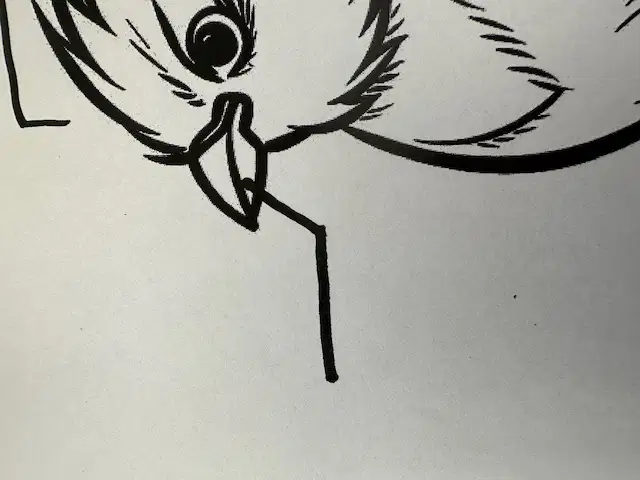
What is this part of a bird called?
beak
wing
tail feathers
crown

What is the function (purpose) of a short beak? Hint: Their beaks are small and strong. So they need to eat something small.
To open nuts and seeds
To tear apart meat
To help it fly
To eat nectar from flowers

An eagle has a sharp beak, what type of feet would an eagle have? Hint: It uses its beak to eat its prey, what type of feet would allow the eagle to catch its prey?


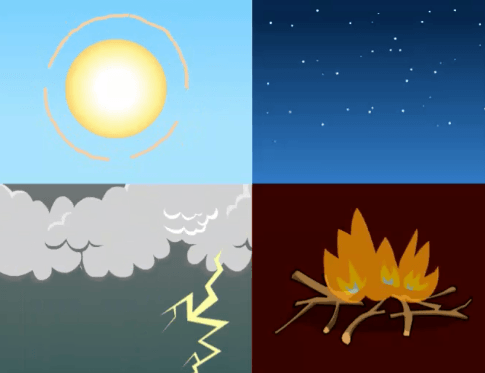
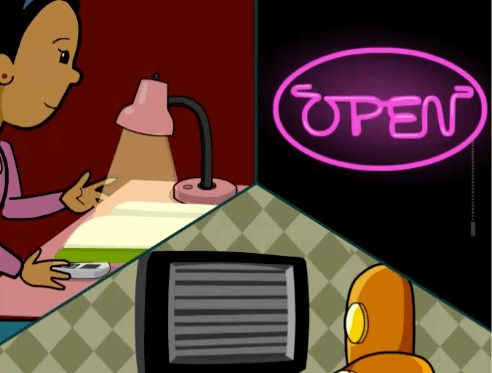


(bounces)


source of light
sun
glass


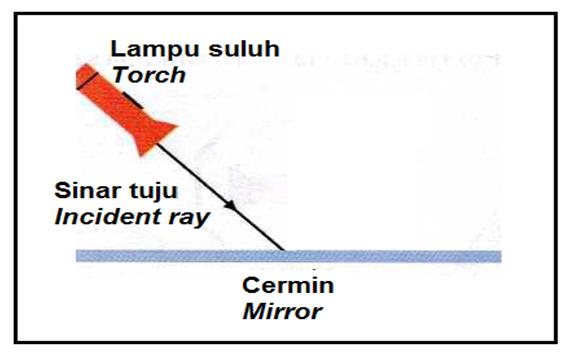
The following diagram shows the ray diagram when a torch light is torched towards a mirror. Which of the following is the correct reflected ray?
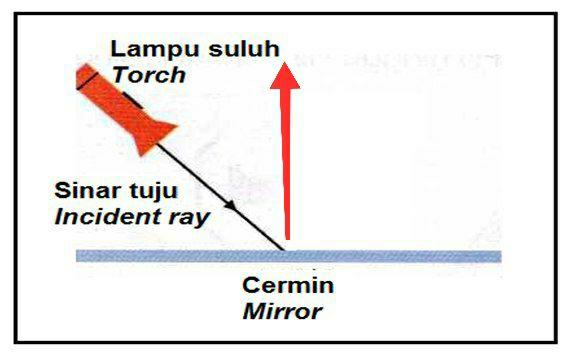
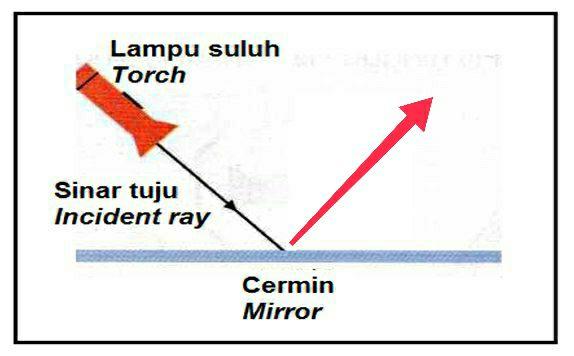
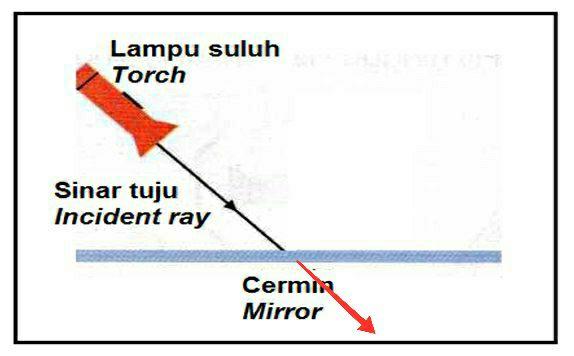

Diagram shows a phenomenon occurs when the spotlight is directed onto a mirror surface. What is the principle of light shown in the situation?
Light travels in a straight line
Refraction of light
Reflection of light
Light travels in parallel

The following diagram shows a driver who could see the image of a vehicle behind him without turning his back.
Why?
Light travels in a straight line
Light is refracted
Light is reflected
Light travels in two different mediums


In the diagram, which letter show reflected light?
A
B
C
D
One of these is not a source of light


Explane the ray diagram
Sun-ball-eye
eye-ball-sun
ball-sun-eye

We can see because of _______________
photons
black holes
dark energy
light

In the illustration, the light ray striking the object is?
refracted
reflected

In the diagram 1 is the ...................
arriving ray
light source
reflected ray

In the diagram 2 is ................................
light source
arriving ray
reflecting ray

In the diagram 3 is the ................................
arriving ray
reflecting ray
mirror
light source

Identify the light source in the picture
mirror
man
sun

Choose the correct statement.
The sun reflects the light to the boy's eye which helps him to see his image.
The light from the sun arrives on the water and the light is reflected to the boy's eye.
The boy cannot see his image.
The boy has a troch light which clearly shows his reflection.
Chose the right image
Light sorce to the mirror and then to our eyes
Our eyes and to the mirror

What is the aim of the investigation?
Light travels in a straight line
Light can be reflected
Light can be refracted

fill in the blanks
there is no object in the first one
The light ray is going oposite way
It is the right way
non of the above
A hoopoe takes out insects and worms from the holes in the ground with the help of its-
Strong, short and straight beak
Long and slender beak
Broad beak that has holes on the sides
Curved and hard beak
A bird with long and pointed beak
Owl
Humming bird
Pigeon
Birds have beaks of different ........ and ............
(a)
What is the advantage of small pointed beak?
It is easy to sip nectar from flower
Help to pick up and eat small grains
It is easy to catch the prey
I am the smallest bird with a long beak. I love sucking nectar from flowers. Identify me.
Sparrow
Falcon
Hummimg bird
........... and ............ have short and hard beak.
(a)
What is the function (purpose) of a short beak? Hint: Their beaks are small and strong. So they need to eat something small.
To open nuts and seeds
To tear apart meat
To help it fly
To eat nectar from flowers
What is the function (purpose) of a beak? Hint: You can tell a lot about a birds beak, what does a bird beak tell you?
What it eats
Where it comes from
What predators it has
The color of its feathers

look at this bird's beak what do you think is the shape of the beak.
short beak
hooked beak
spoonbill beak
flat and broad beak
An example of a bird with a 'strainer' sieve' beak might be?
a flamingo
Which of the following animals is known for its ability to change color to blend in with its environment?
lizard
lion
elephant
giraffe
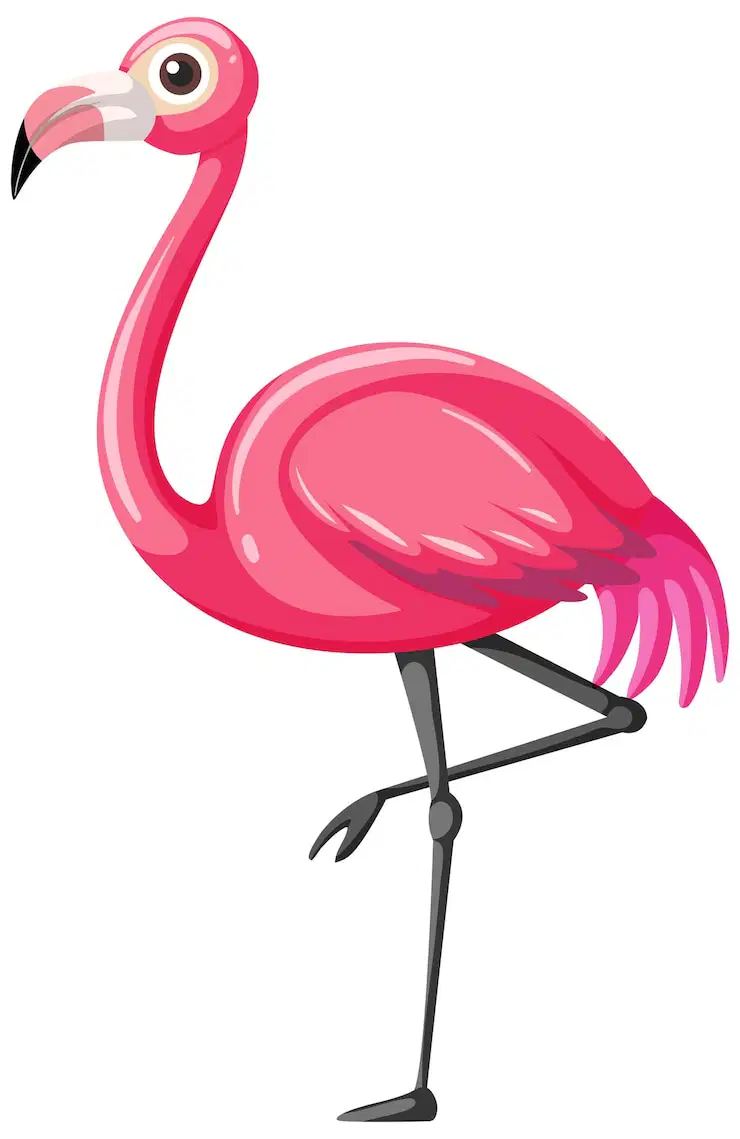
what is that bird
starling
kingfisher
pigeon
flamingo
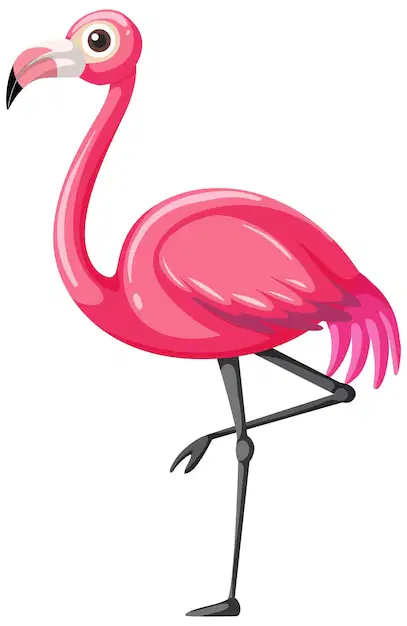
what are flamingo foods?
small animal and small fish
insect and worm
fish
nuts
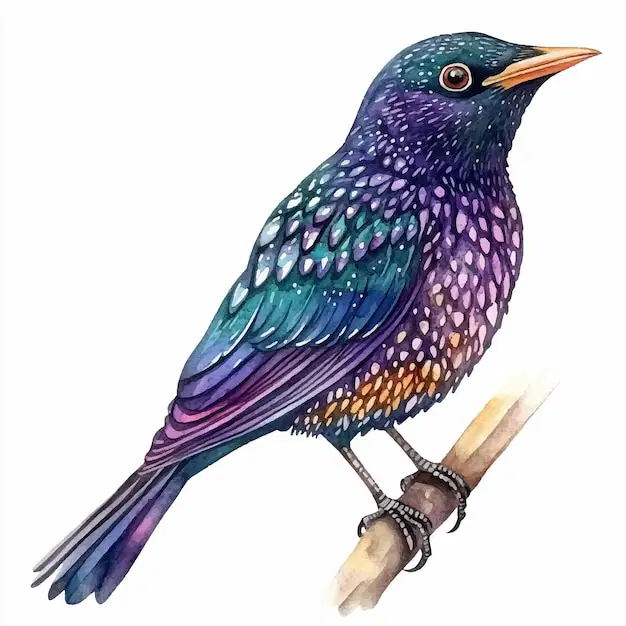
what are starling bird foods?
fish
insects and worms
seeds
plant
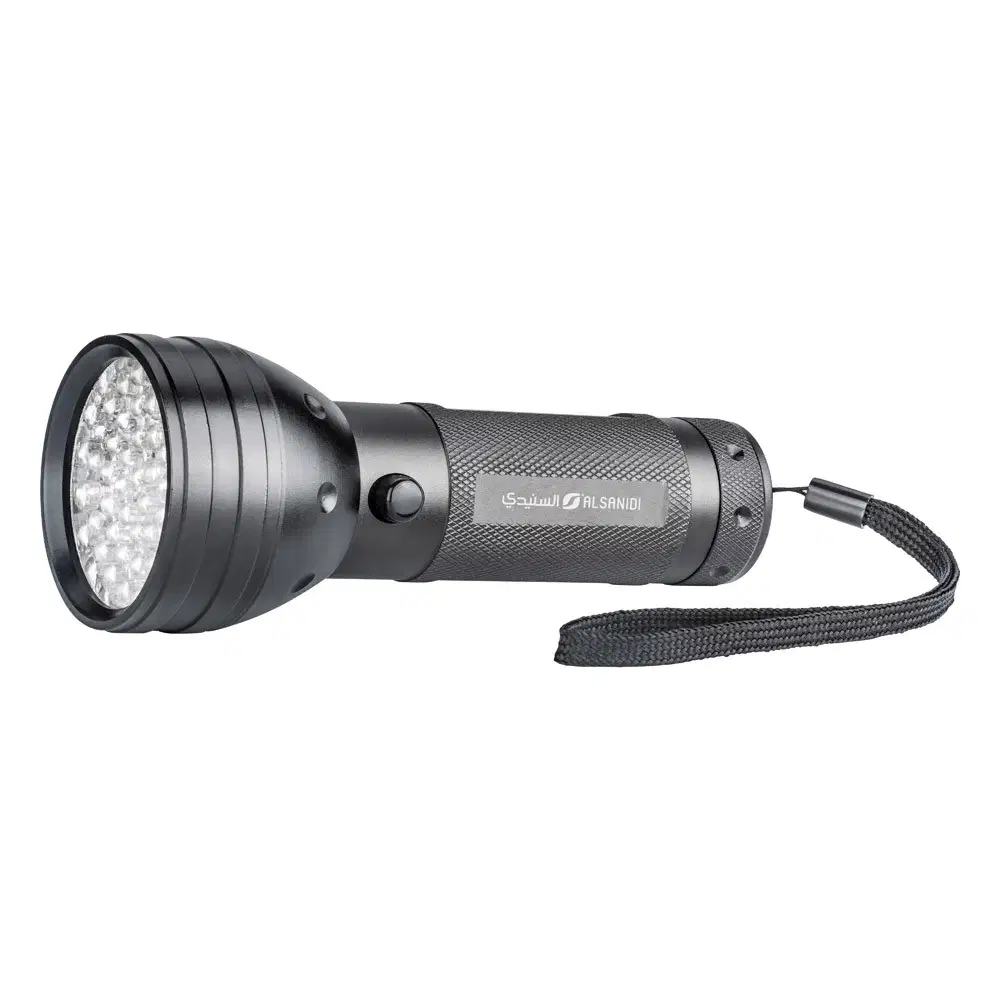
flashlight produce................................of light
rays
lines
shade

camouflage is................
to fly
blend with the environment to hide or hunt
to see well
to be warm

pigeon has...............................beak, so it feeds on seeds
small and pointed
large
curved
strain or sieve

kingfisher has ..............................beak, so it feeds on fishes
large with sharp point
small
curved
sieve

starling has ........................................ beak, so it feeds on insects and worms
strain
small
large and pointed
curved
animal can survive ................. changes
big
small
medium

