
 Worksheets
food webs and Ecosystem Disruptors
Total questions: 42
Worksheet time: 25mins
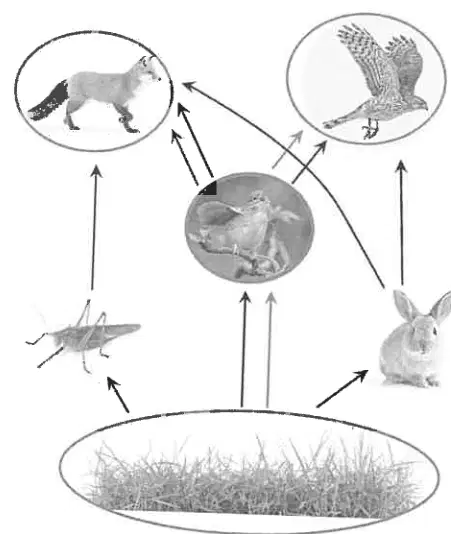
What is represented by food webs in an ecosystem?
The relationships between organisms
The amount of water in the ecosystem
The temperature of the environment
The speed of animal movement
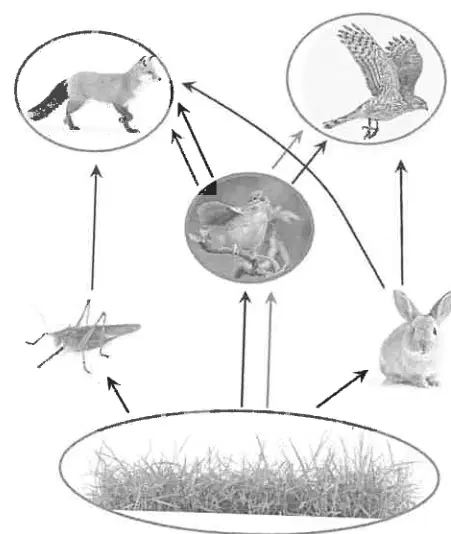
Fill in the blank: If one organism is added or removed from a food web, the entire ______ is altered.
food web
population
habitat
Invasive species are species that do not belong in a certain environment and usually get there by artificial, or non-natural, means.
True
False
What can happen if hundreds of an invasive species are introduced into an ecosystem at once?
They quickly find a place in the ecosystem, overpopulate, and cause harm
They help the ecosystem grow
They disappear quickly
They improve the food web
According to the passage, what are the four main things that can change an ecosystem?
Climate, human activity, introduction of new species, and natural disasters
Only climate and weather changes
Only human activity and pollution
Only introduction of new species and extinction
What is one way invasive species can harm ecosystems?
By increasing the number of native species
By outcompeting native species for resources
By making the ecosystem healthier
By providing more food for predators
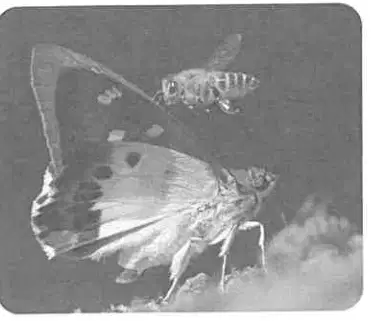
The spongy moth is an invasive species in the United States. Where is it originally from?
Africa and Australia
Europe and Asia
South America
Antarctica
Fill in the blank: Lower numbers of native species are a sign of ________ ecosystem health.
poor
excellent
stable
improving
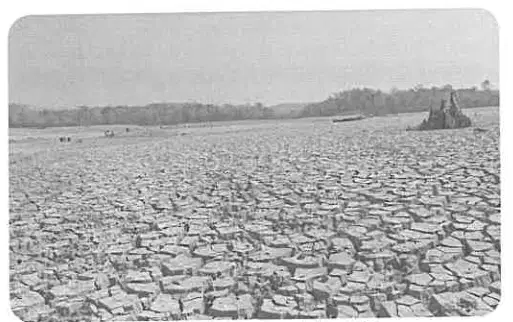
How can droughts and other severe weather events alter ecosystems?
By increasing biodiversity
By causing changes in species populations and habitat conditions
By preventing any changes in the ecosystem
By making ecosystems more stable
Removing predators from an ecosystem can lead to an overpopulation of herbivores like rabbits.
True
False
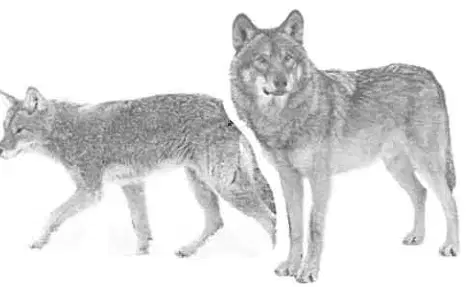
Predators like wolves play what role in an ecosystem?
They are primary producers
They are decomposers
They help control populations of other animals
They provide shelter for other species
All organisms need _______________to
survive.
ears
eyes
bones
energy
A food chain shows the transfer of energy from one organism to another.
True
False
Food webs are a bunch of food chains intersecting.
true
false

The direction of the arrows in a food chain are very important. The arrows point to the ________.
organism that receives the energy.
organism that gives the energy.
The original source of all energy in a food chain is the__________.
the biggest organism.
the sun.
food.
animals.
What is an example of a producer?
tree
cow
hawk
mouse

Which organism receives energy from the plant?
grasshopper
snake
owl

The bald eagle receives energy from what two animals
sea duck
tundra swan
large piscivorous fish
wading fish
wading birds

Which organism receives energy from the waste of the lion?
plant
beetle
deer
A consumer is an organism that eats
plants only
meat only
both plants and meat.
other organisms to survive.
What is an example of a consumer?
tree
grass
mushroom
deer

All plants get their energy directly from _________.
other plants
water.
the sun.
soil.
Plants are _____________.
producers
consumers
carnivores
herbivores

The snail receives its energy from which organism?
Thistle
Garden snail
Song thrush
Sparrowhawk

In this food web the Bees gives energy to the ______.
Bird
tree
A carnivore is an organism that eats____.
plants only.
meat only.
plants and meat.
When you eat a pizza, you become part of a food chain. The original source of energy in this food chain is from −
tomatoes.
wheat made into flour.
cheese.
the Sun.
A omnivore eats ________.
plants only.
meat only.
both plants and meat.

Sun.
river water.
plants.
large fish.
If there are no producers in a food chain what will happen?
Energy cannot enter the food chain.
Only the consumers will survive.
Carnivores will have a larger food supply.
Herbivores will be the only survivors.
A predator is an organism ______.
that hunt other organisms for food.
that is being hunted.
The organisms hunted are called _______.
predators.
producers.
prey.
all of the above.
An herbivore eats ________ only
meat
plants and meat
plants
anything
Decomposers break down dead plants and animals turning them into ________ for plants
gas
nutrients
nothing
air
Which is an example of a decomposer.
dog
worm
grass
cow

Choose all that apply. The eagle gets energy directly from the _______.
python
butterfly
corn
frog
rat

Choose all of the herbivores in the food web.
lion
goat
rabbit
snake
mouse

Why might an organism have more than one arrow coming FROM it in a food web?
More than one organism may eat them.
This organism gets its energy from multiple sources.
They may eat more than one other organism.

What do you call an animal that hunts and eats other animals?
predator
prey
herbivore
producer

An animal that is hunted and eaten for food is a _____________.
predator
prey
herbivore
producer

Which of these describes how animals get energy they need to live and survive?
They eat plants or other animals.
They use sunlight.
They drink water and juice.
They drink water.

