
Font size
 Worksheets
STAAR Review - 8th Grade SS
Total questions: 42
Worksheet time: 15mins
An Act in government means ________. Example: Stamp Act, Patriot Act
freedom
a law passed
a theater
a country
_________ were against the US Constitution because it didn't have a ______.
Federalists/president
Abolitionists/the 14th Amendment
Anti-Federalists/Bill of Rights
Reformers/Bill of Rights
___________ encouraged people to be more religious, led to Reform movements
Abolitionists
Transcendentalism
Temperance Movement
Second (2nd) Great Awakening
___________ worked to end slavery; lived mainly in the North of the USA
Abolitionists
Transcendentalism
Temperance Movement
Second (2nd) Great Awakening
__________ wrote Uncle Tom’s Cabin, was a cause of the Civil War
Harriet Tubman
Harriet Beecher Stowe
Dorothea Dix
Abigail Adams
__________ was an abolitionists, led the Underground Railroad
Harriet Tubman
Harriet Beecher Stowe
Dorothea Dix
Abigail Adams
_________ former slave, abolitionists, wrote newspaper; The North Star
Harriet Beecher Stowe
Frederick Douglass
Harriet Tubman
William Lloyd Garrison
____________ abolitionists, wrote the newspaper called The Liberator
William Lloyd Garrison
Harriet Beecher Stowe
Frederick Douglass
Harriet Tubman
__________ founded by Emerson and Thoreau; focused on ideal societies and individualism; used civil disobedience as a form of protest
Abolitionist
Temperance
Reform
Transcendentalism
________ was large meeting that called for women’s suffrage (right to vote)
Seneca Falls Convention
1st Great Awakening
2nd Great Awakening
Urbanization
_________ means right to vote.
Sectionalism
Abolitionists
Suffrage
economy
Susan B. Anthony, Elizabeth Cady Stanton were part of the __________ movement
immigrant
northern
southern
women's'
_________ - a region’s geography impacted its economy; North built factories, South farmed, West mined; a cause of the Civil War
Manifest Destiny
Westward Expansion
Sectionalism
Branches of Govt
Match the Branches of Govt
Makes laws (Senate and House of Representatives)
Legislative Branch (Congress)
Explains/Interprets laws
Judicial Branch (Supreme Court)
Enforces laws (Pres/VPres)
Executive Branch
________ started working outside the home, mainly in textile mills
convicts
women
children
slaves
________ - man-made rivers
Canals
Lakes
Ponds
Wells
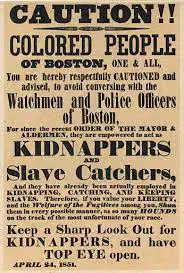
_________ was part of the Compromise of 1850; runaway slaves and free Blacks were at risk of being captured by slave hunters
Education Act
Kansas Nebraska Act
Fugitive Slave Act
Intolerable Acts
____________- major debate leading up to Civil War; Republican Party (Lincoln) against its spread into new territories
Slavery
Women's movement
Temperance
Reform
________ - North and South Fight Over Slavery
War of 1812
American Revolution
French and Indian War
Civil War
The USA government is know as the (a) , (b) , (c) and (d) .
During the Civil War the Union advantages were more ________, railroads, and _____, and leadership of General Grant
money
factories
rivers
mountains
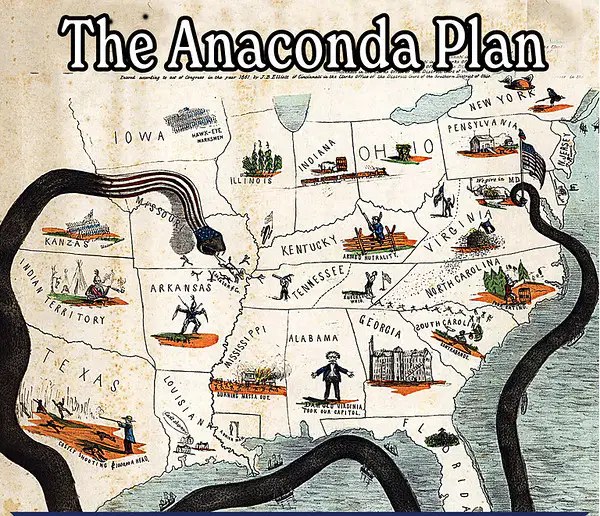
Known as the Anaconda Plan, the ____________is where the Union captured Mississippi River, dividing the Confederacy in half
Surrender at Appomattox
Battle of Gettysburg
Battle of Vicksburg
Battle of Antietam
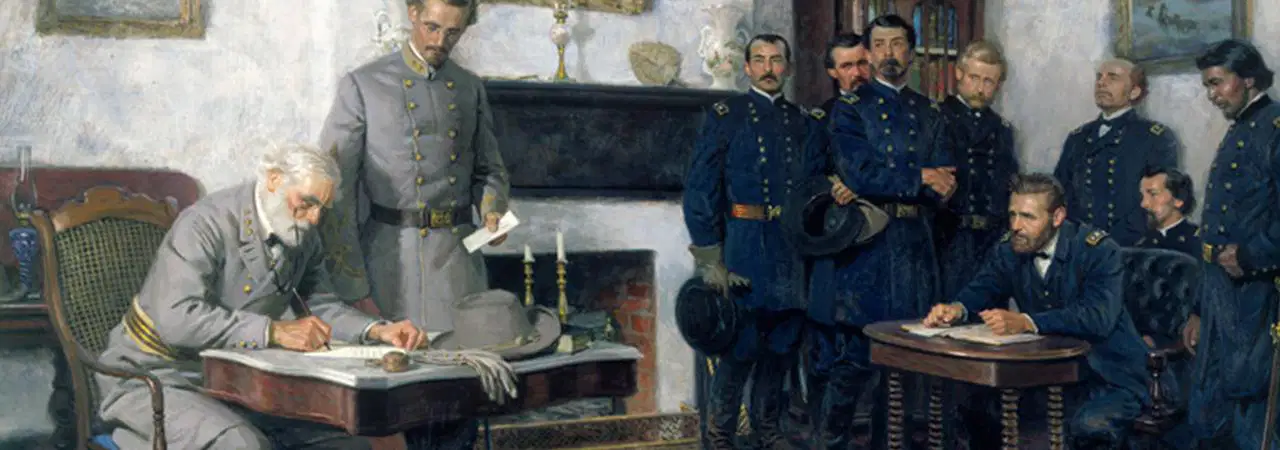
Confederacy surrendered to Union in Virginia; ended the Civil War
Surrender at Appomattox Court House
Battle of Gettysburg
Battle of Vicksburg
Battle of Antietam
_______ after the Civil War, South in financial ruin and divided into 5 military districts
Reform
Reconstruction
Debates
Southern
_______________took control after Lincoln’s death; punished Confederate leaders and Southerners for Civil War
Carpet Baggers
Scalawags
Civil War Veterans
Radical Republicans
_______ laws that limited the new freedom of former slaves
Reconstruction Act
Black Codes
Radical Republicans
Southern Act
________ means former slaves (blacks in the South)
Freedmen
Northerners
Radical Republicans
Scalawags
_________ worked to help newly freed slaves by providing: 1) education, 2) clothing/food, 3) jobs
Federal Bureau
Freedmen’s Bureau
Better Business Bureau
Credit Bureau
Reconstruction Amendments
13th Amendment
Slavery is illegal
14th Amendment
citizenship to all African-Am males
15th Amendment
voting (suffrage) for all African-Am men
________ means to change
Ratify
Suffrage
Amend
Veto
________ means to approve (say yes)
Ratify
Suffrage
Amend
Veto
______ means to reject (say NO)
Freedmen
Suffrage
Ratify
Veto
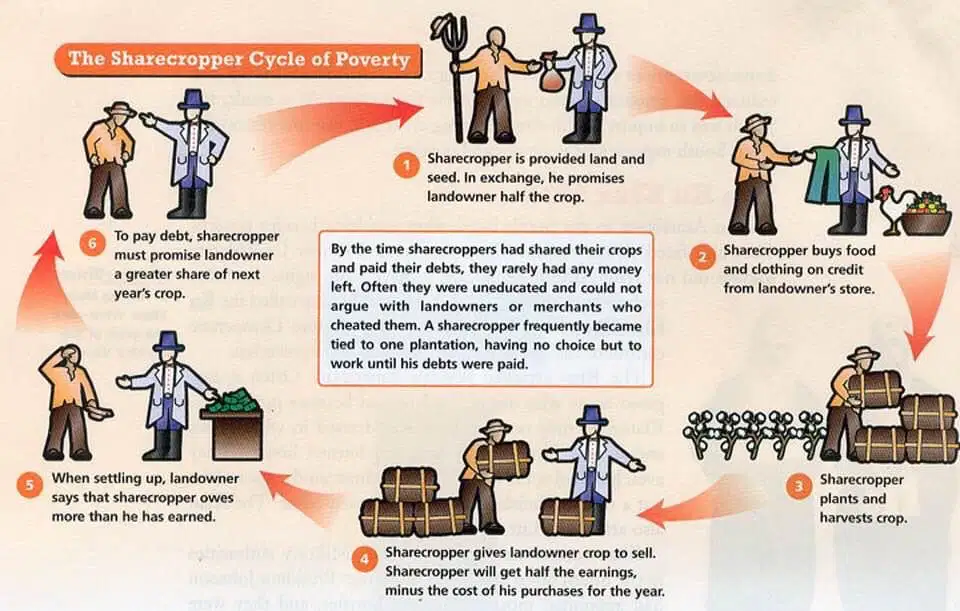
_________ farming system in which former slaves and poor whites were trapped in a cycle of debt (Reconstruction)
Sharecropping
Subsidized farming
Commercial Farming
Modern Farming
_____________ did South Carolina have the right to nullify (overturn) a federal law; argument over states’ rights vs federal rights
Bleeding Kansas
Amendment Process
Nullification Crisis
Shay's Rebellion
__________each branch of government has some power over the other two branches; helps to prevent anyone branch from becoming too powerful
Republicanism
Separation of Powers
Federalism
Checks and Balances
Match the term to the definition
region’s geography impacted its economy; North built factories, South farmed, West mined; a cause of the Civil War
Sectionalism
textile mills, trade, factories, immigrant labor, some trade-related slave labor
Northern economy
- plantation system, slave labor; cotton produced and sent to Northern factories
Southern Economy
mining (precious metals) and agriculture (farming and livestock)
Western Economy
________ - North and South agreed; California became a free state; strict fugitive slave law was passed
Great Compromise
Kansas-Nebraska Act
Compromise of 1850
Missouri Compromise
Match the year to the event
Jamestown, 1st permanent settlement
1607
Plymouth settlement, Mayflower Compact
1620
Declaration of Independence, No more KING!!!
1776
US Constitution ratified
1787
Louisiana Purchase, double the size of the USA
1803

The image depicted is the ___________.
Northwest Passage
Triangle Trade
Columbian Exchange
Middle Passage
_____________ happened when England didn't enforce the rules and laws on the colonies. This allowed the colonies to develop their own governments, economies, and way of life, kind of like having a playground with a lot of freedom
Parliament
Royal Courts
Salutary Neglect
Representative Govt.
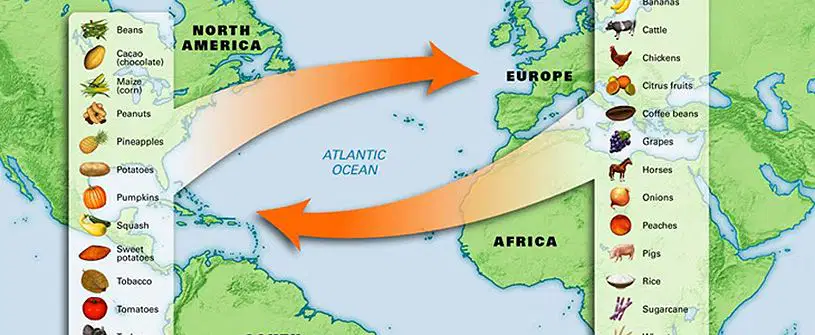
In the image depicted, the New World and Old World exchanged _________________ know as the Columbian Exchange.
food
tools
diseases
people
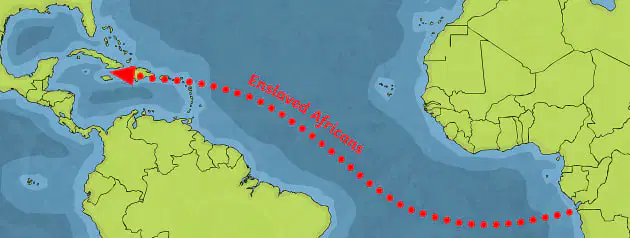
The 3rd leg (route) of the Triangular Trade was know as the _____________ and transported slaves. (Africa to America)
Colonial Trade
Silk Road
Middle Passage

