
 Worksheets
Nursing Process and Infection Prevention
Total questions: 24
Worksheet time: 12mins
What is the first step in the nursing process?
Assessment
Diagnosis
Planning
Implementation
Which type of data is collected through observation?
Objective data
Subjective data
Qualitative data
Quantitative data
Which type of data is collected through asking questions?
Objective data
Subjective data
Qualitative data
Quantitative data
What does the 'S' in SMART goals stand for?
Specific
Simple
Sustainable
Strategic
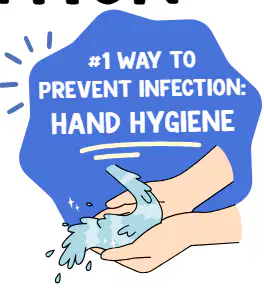
What is the #1 way to prevent infection?
Hand hygiene
Wearing masks
Vaccination
Using antibiotics
What type of immunity is acquired after being exposed to diseases or getting vaccinations?
Adaptive (acquired) immunity
Innate immunity
Passive immunity
Herd immunity
What is the first line of defense in immunity?
Innate immunity
Adaptive immunity
Passive immunity
Acquired immunity
What is the role of a susceptible host in the chain of infection?
Host left with compromised defense mechanisms
Host with strong immune system
Host that is vaccinated
Host that is isolated
What does the 'A' in SMART goals stand for?
Achievable
Actionable
Adventurous
Ambitious
What is the first step in fall precautions?
Conduct fall assessment at least once per shift.
Ensure all walkways are clear of obstacles.
Provide non-slip footwear to patients.
Install grab bars in bathrooms.
What does the acronym RACE stand for in fire safety?
Rescue, Activate, Confine, Extinguish
Run, Alert, Call, Evacuate
React, Assess, Control, Evacuate
Respond, Assist, Contain, Evacuate
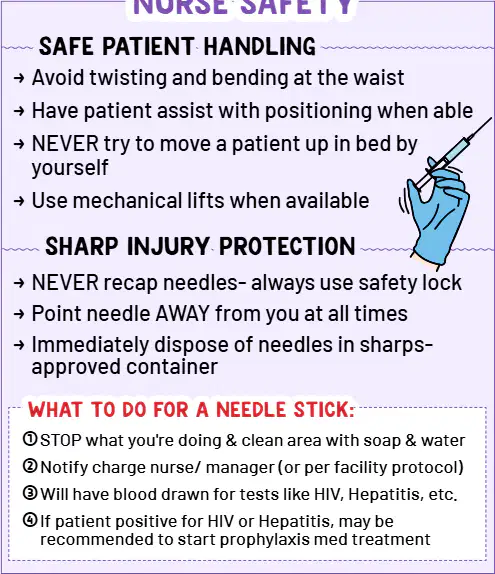
What should you do if you experience a needle stick?
Stop what you're doing & clean area with soap & water.
Ignore it and continue working.
Apply a bandage without cleaning.
Wait to see if symptoms develop.
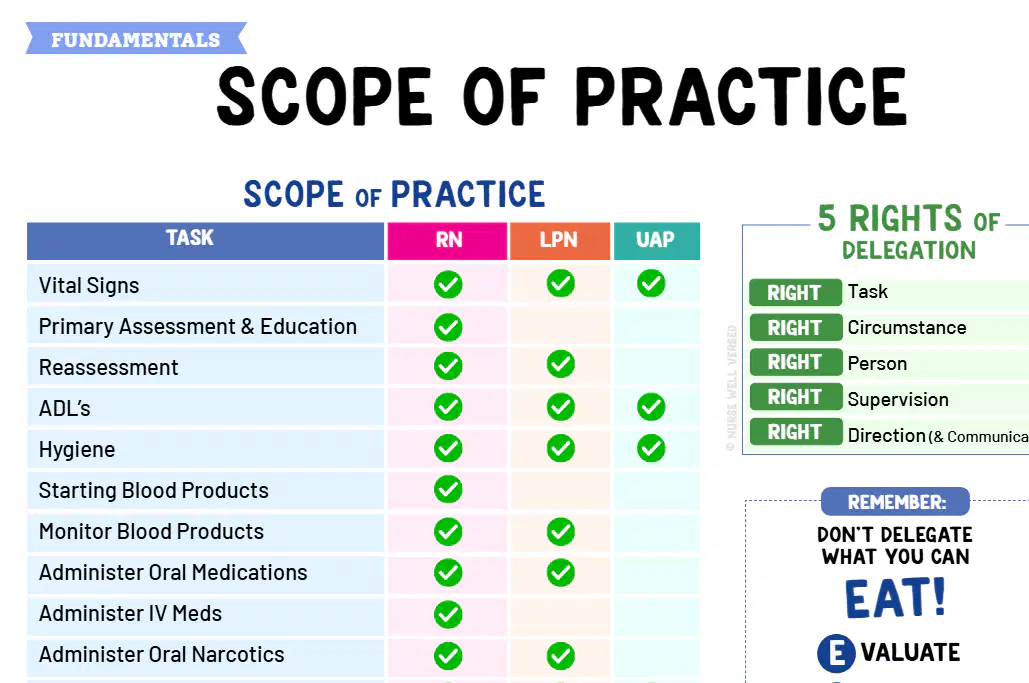
Which of the following is NOT a right of delegation?
Right Task
Right Person
Right Environment
Right Supervision
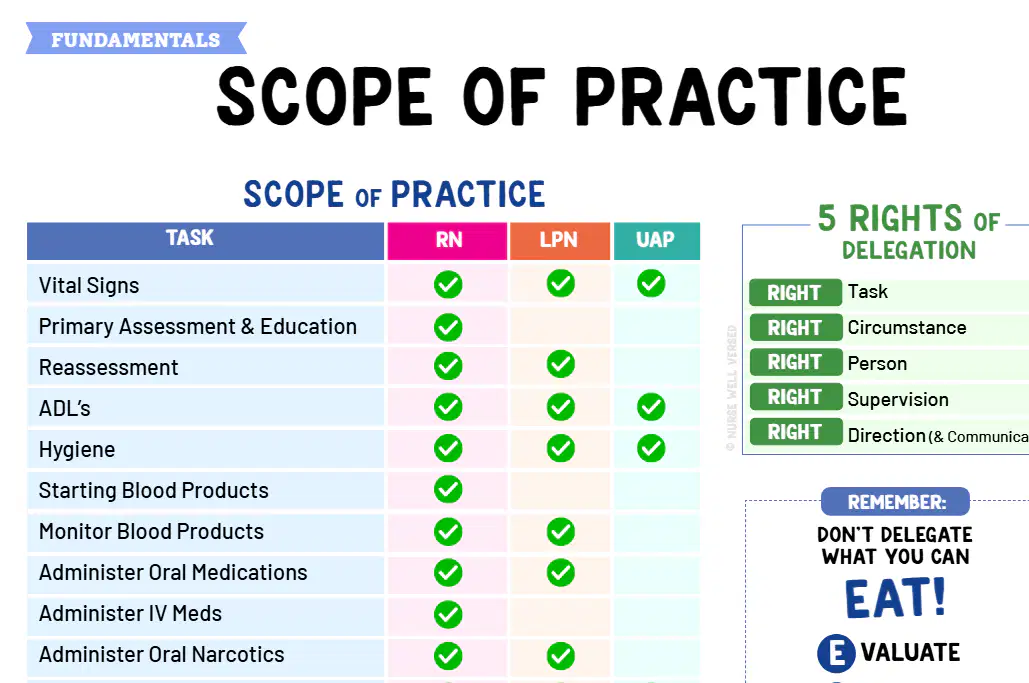
What should you not delegate according to the acronym EAT?
Evaluate, Assess, Teach
Execute, Analyze, Train
Examine, Apply, Test
Estimate, Allocate, Terminate
What is the first step in using a fire extinguisher according to the acronym PASS?
Pull the pin.
Aim at the base of the fire.
Squeeze the handle.
Sweep from side to side.
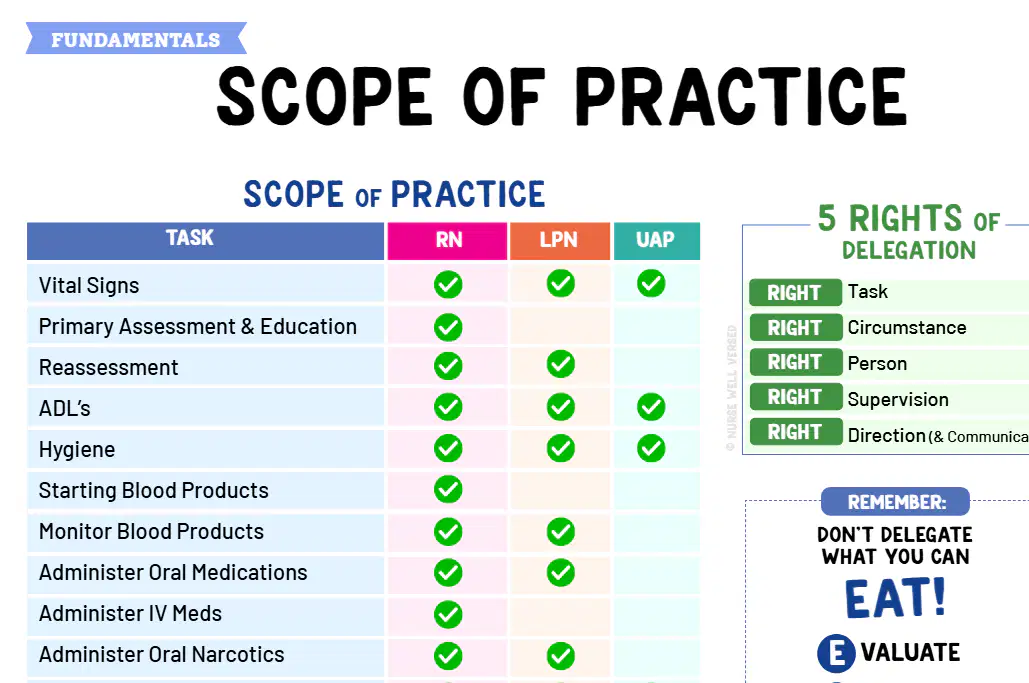
Which role is responsible for administering oral narcotics?
RN
LPN
CNA
Pharmacist
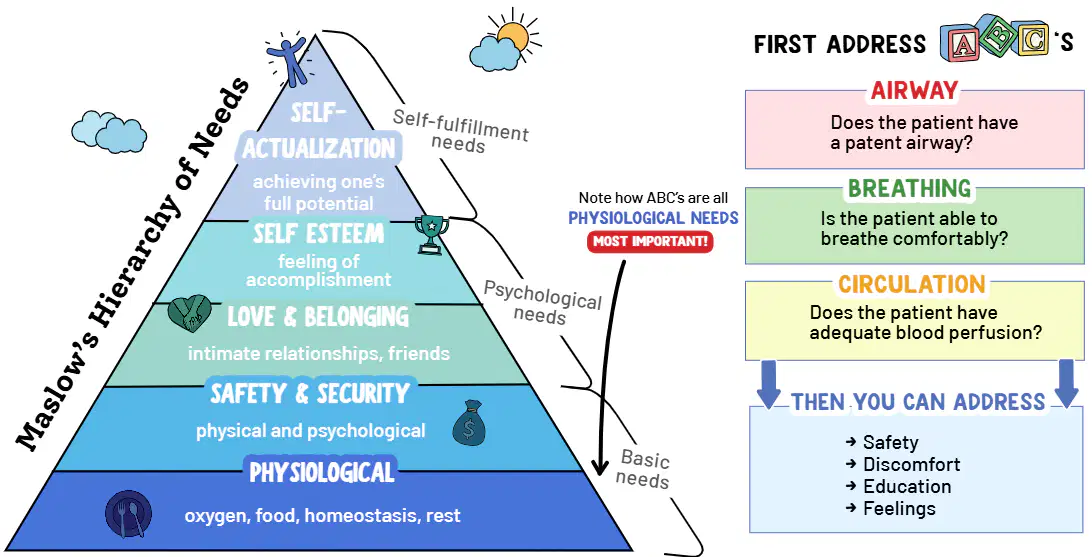
According to Maslow's Hierarchy of Needs, which needs are considered the most important?
Physiological needs are the most important.
Safety needs are the most important.
Social needs are the most important.
Esteem needs are the most important.
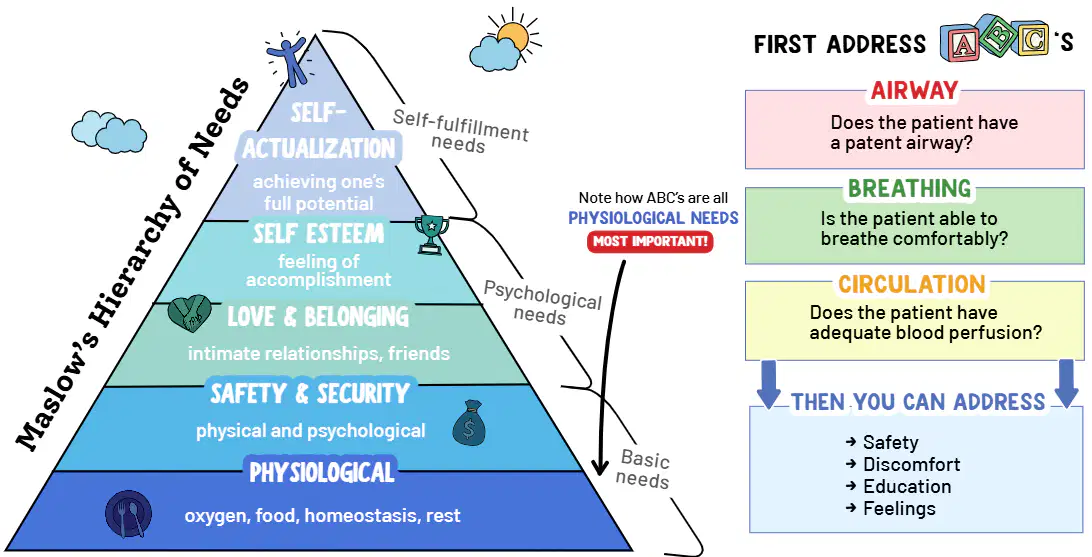
What should be addressed first according to the ABC's in the medical context?
Airway should be addressed first.
Breathing should be addressed first.
Circulation should be addressed first.
Disability should be addressed first.
What is the primary purpose of the nursing process?
To ensure medication is administered on time
To manage hospital resources efficiently
To document patient history
To provide a systematic approach to patient care
Which of the following is a key component of effective delegation?
Direct execution
Clear communication
Personal involvement
Immediate supervision
What is the main goal of infection control practices?
To eliminate all bacteria
To ensure all staff wear masks
To reduce the risk of transmission
To isolate all patients
What is the primary function of white blood cells in the immune system?
To regulate body temperature
To carry nutrients
To fight infections
To transport oxygen
Which of the following is a common method to break the chain of infection?
Using antibiotics for all infections
Practicing good hand hygiene
Isolating all patients
Administering vaccines to healthy individuals

