
 Worksheets
Renaissance assessment
Total questions: 25
Worksheet time: 25mins
2. One factor that enabled the Renaissance to flourish in Northern Italy was that the region had
• Leonardo DaVinci used movement and perspective in his work. Humanist scholars examined worldly subjects and classical culture Which period is associated with these statements?
4.Which factor best characterizes the art of both ancient Greece and the Renaissance?
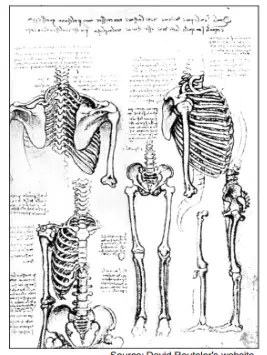
10. Explain why the Renaissance is considered a turning point.
In his book The Prince, Niccolo Machiavelli advises that a wise
ruler is one who
keeps taxes and food prices low
allows advisors to speak their minds
encourages education and the arts
does what is necessary to stay in power
Which statement best explains the periods of the
Gupta Empire of India, the Golden Age of Greece,
and the Renaissance in Italy?
Winning wars always inspires scientific and artistic
achievement.
A combination of wealth and time of relative peace
often leads to cultural achievement.
A dictatorship usually encourages cultural growth
and development.
Periods of censorship are needed for a nation to
achieve cultural and scientific greatness.
What was a significant impact of the invention of the printing press during the Renaissance?
It caused the Renaissance to spread only within Italy.
It allowed for the widespread dissemination of new ideas.
It resulted in the immediate end of the Middle Ages.
It led to the decline of the Catholic Church.
Some people claimed they already understood nature completely, and because of their pride and confidence, they stopped others from asking questions or learning new things. This hurt learning and discovery because it discouraged curiosity. The ancient Greeks, however, took a smarter approach. They kept studying nature and believed the best way to learn was not by arguing about ideas, but by testing them through real experiences and observations.
-Francis Bacon 1620
Francis Bacon wrote this in 1620, at the end of the Renaissance. He was criticizing medieval school learning and supporting the Renaissance idea that knowledge should come from firsthand observation and experiments.
Based on this quote, how did the Renaissance lead to the Scientific Revolution?
By discouraging the study of the natural world
By fostering a spirit of curiosity and questioning
By encouraging a return to medieval scientific methods
By promoting religious teachings over scientific inquiry
How did the Medici family contribute to the Renaissance?
They were patrons of the arts
They killed off anyone who challenged their power
They went on a crime spree
They formed the first government that collected taxes
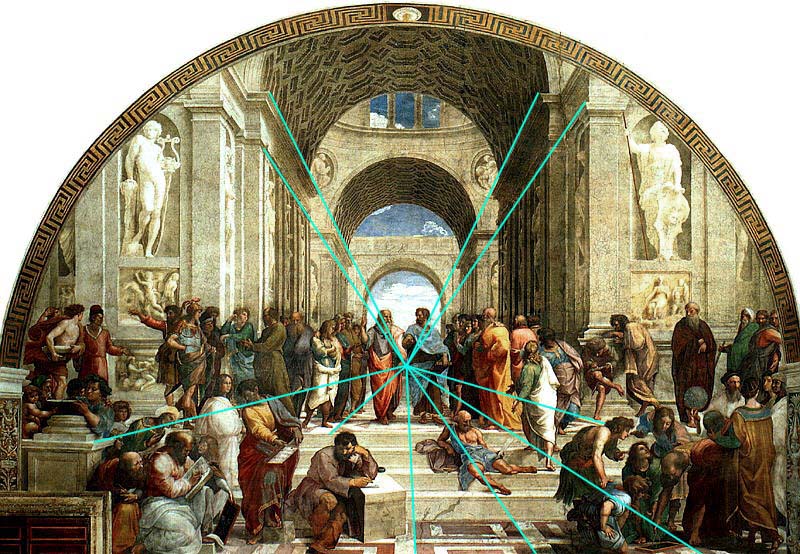

How did Renaissance art differ from Medieval art?
It was more godly
It was more realistic, and had three dimensions
it portrayed religious subjects
it was more biblical

Who was known as a Renaissance man (One who can do many things)?
Leonardo da Vinci
Michaelangelo
Dontello
Raphael
Explain the historical development of the renaissance in Italy .
Italy was not influenced by a classical heritage.
The Italian city-states were wealthy centers of trade and manufacturing.
Italy was politically unified by a strong central government.
The Catholic Church did not have any influence in Italy
Literature written by authors like Shakespeare and Cervantes changed the focus of written language to?
Spanish
Vernacular (Native Languages)
Latin
German
How did art change from the Middle Ages to the Renaissance?
Renaissance art was more relatable to everyday people.
Renaissance artists no longer painted religious figures.
Renaissance art focused on the extraordinary.
Renaissance artists tried to avoid Greek and Roman techniques.
Renaissance Literature impacted modern views of?
Heaven and Hell
Pax Romana
Crusades
Hundred Years' War
What role did the Catholic Church play during the Renaissance?
It took control of lost Roman lands.
It led military campaigns across Europe.
It was the main patron of the arts.
It was completely uninfluential.

