
 Worksheets
🚪 Exit Ticket 🎟️ - T10 Lesson 7 Energy Changes in Chemical Rea
Total questions: 33
Worksheet time: 20mins
What is the question to investigate in the experiment with baking soda and vinegar?
Does the temperature increase, decrease, or stay the same?
Does the color change?
Does the mixture become solid?
Does the mixture produce gas?
What is the expected result when vinegar and baking soda are combined?
The temperature increases by 7°C.
The temperature decreases by 7°C.
The temperature remains the same.
The temperature fluctuates randomly.
What happens to the energy in an endothermic reaction?
More energy is released than absorbed.
More energy is absorbed than released.
Energy remains constant.
Energy is not involved.
What is added to the baking soda solution during the experiment?
Salt
Calcium chloride
Sugar
Vinegar
What gas is produced during the experiment?
Oxygen
Hydrogen
Carbon dioxide
Nitrogen
What should be done after adding calcium chloride to the solution?
Stir the solution
Record the temperature change
Add more water
Remove the thermometer
What should be done if the temperature stops changing?
Add more calcium chloride
Record the final temperature
Remove the thermometer
Stir the solution again
What is required to break the bonds of reactants in a chemical reaction?
Energy
Water
Pressure
Light
What happens when atoms bond to make products in a chemical reaction?
Energy is absorbed.
Energy is released.
Energy remains unchanged.
Energy is destroyed.
What indicates that more energy was released than used in a reaction?
Smaller energy arrows going into the reactants
Larger energy arrows coming out of the products
No energy arrows
Equal energy arrows in and out
In the reaction between baking soda and calcium chloride, what is the byproduct gas?
Carbon dioxide
Oxygen
Hydrogen
Nitrogen
What is the chemical formula for calcium chloride?
CaCl2
NaCl
CaCO3
NaHCO3
In an exothermic reaction, how does the energy required to break bonds compare to the energy released when bonds are formed?
More energy is required to break bonds
Less energy is required to break bonds
Energy required and released are equal
No energy is involved
What happens to energy in an endothermic reaction?
It is absorbed
It is released
It remains constant
It is destroyed
What is the role of bond formation in chemical reactions?
Releases energy
Absorbs energy
No energy change
Destroys energy
What gas is produced when the self-inflating balloon is activated?
Oxygen
Carbon dioxide
Nitrogen
Hydrogen
What is produced when citric acid and baking soda react?
Oxygen
Nitrogen
Carbon dioxide
Hydrogen
This is when heat is absorbed, it is an
Exothermic reaction
endothermic reaction
both
none
When heat is released it is an
exothermic reaction
endothermic reaction
both
none
The temperature increases outside of this reaction
exothermic
endothermic
both
none
The temperature decreases outside of this reaction
exothermic
endothermic
both
none

Fire is an example of
exothermic reaction
endothermic reaction
none
both

Fireworks are an example of
exothermic
endothermic
both
none

A melting ice cube is an example of
exothermic
endothermic
none
both

An ice pack in an example of
exothermic
endothermic
both
none

photosynthesis is an example of
Exothermic reaction
Endothermic reaction
both
none
In an endothermic reaction, heat is ...
taken in
given out
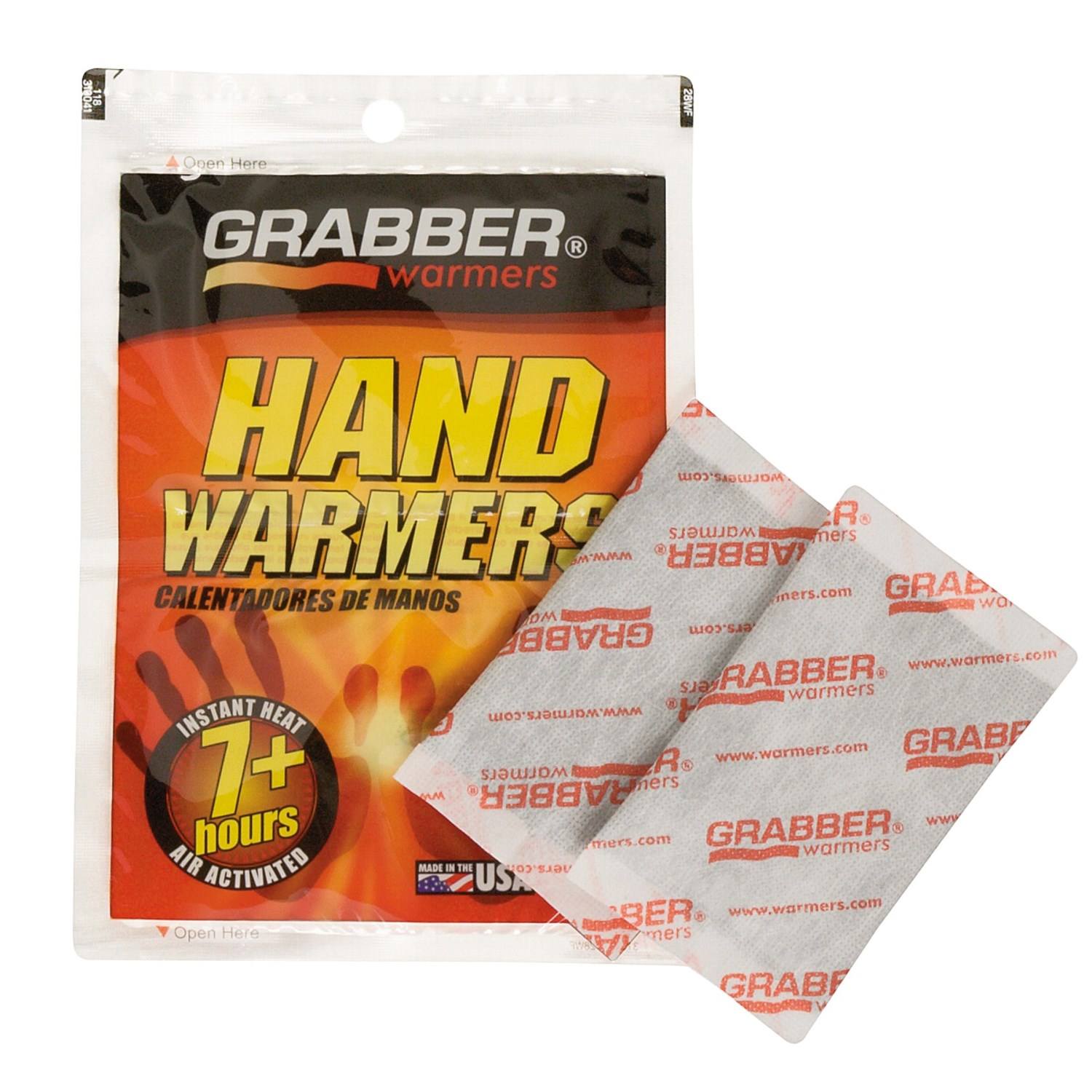
What type of reaction occurs in a hand warmer?
exothermic
endothermic
During chemical reactions, bonds are...
broken only
formed only
both broken and formed
none of the above are correct
What instrument would you use to detect an endothermic or exothermic reaction?
triple beam balance
ruler
thermometer

What kind of reaction is represented by the graph shown?
Endothermic
Exothermic
Cannot be determined
On top, label each graph as exothermic or endothermic reaction. On bottom, label as an example steel wool or NH4Cl + H2O + heat ---> NH4+ + Cl-.
Exothermic Reaction
Endothermic Reaction
Steel Wool Combustion
NH4Cl + H2O + heat ---> NH4+ + Cl-

