
 Worksheets
AUTO 101 FINAL
Total questions: 129
Worksheet time: 1hrs 1mins
Arjun is working on his car engine and wants to ensure everything is functioning properly. What is the main purpose of a leak-down test?
Measure horsepower
Check coolant condition
Diagnose cylinder sealing issues
Adjust valve timing
Emma is working on her car and needs to check the engine's condition. What tool does she need to perform a leak-down test?
Compression tester
Torque wrench
Leak-down tester
Vacuum gauge
Arjun is learning about car maintenance and wants to perform a leak-down test on his car's engine. What position should the piston be in during this test?
Bottom Dead Center
Mid-stroke
Top Dead Center (TDC) on compression
Any position
Before Aiden starts a leak-down test on his car, what should he do?
Drain the oil
Remove the air filter
Warm up the engine
Disconnect the battery
During a car maintenance class, Olivia is learning about different diagnostic tests. Her instructor asks, "What does a leak-down test measure?"
Engine temperature
Air pressure loss in a cylinder
Oil pressure
Fuel delivery rate
During a car maintenance class, Priya noticed air hissing through the throttle body of an engine. What does this indicate?
Piston ring wear
Exhaust valve leak
Intake valve leak
Blown head gasket
While working on her car, Anika noticed a hissing sound coming from the oil filler cap. This usually means:
Valve guide leak
Exhaust leak
Piston ring blow-by
Normal operation
Air bubbling in the radiator suggests:
Oil contamination
Exhaust valve issue
Blown head gasket
Normal pressure
Mason is working on his car and notices that air is exiting the exhaust pipe. Which component is most likely leaking?
Intake valve
Piston rings
Exhaust valve
Head gasket
Henry and Liam are troubleshooting a car engine. Why might they remove the spark plugs before turning the engine over by hand?
To check for oil leaks
To allow the engine to spin more easily
To adjust the timing belt
To replace the air filter
Maya is learning about car maintenance and she comes across a tool called a leak-down tester. She wonders, typically, how many gauges does a leak-down tester have?
One
Two
Three
Four
During a car maintenance class, Abigail noticed that all the cylinders in an engine had high leakage. What's a likely cause?
Bad injectors
Low oil level
Incorrect testing procedure
Normal wear
Luna is working on a car engine and needs to know what must be done before applying air to the cylinder?
Add oil to the cylinder
Block the radiator hose
Lock the crankshaft
Disconnect the muffler
Hannah is driving her car on a hot summer day. What is the main function of the engine coolant in her car?
Lubricate the engine
Remove carbon deposits
Regulate engine temperature
Increase fuel economy
Anika is learning about car maintenance and wants to know: What is the typical color of traditional ethylene glycol coolant?
Red
Green
Blue
Black
Rohan is working on his car and needs to understand the function of a radiator cap. What does a radiator cap do?
Mix air and fuel
Seal the combustion chamber
Maintain system pressure
Measure oil level
Avery is driving her car and notices that the coolant system pressure is too low. What happens in this situation?
Overheating risk increases
Engine runs too cool
Oil gets diluted
Fuel economy improves
During a car maintenance class, Daniel was asked: What component circulates coolant through the engine?
Fuel pump
Oil pump
Water pump
Radiator fan
While driving to school, Benjamin noticed that his car's temperature gauge was rising rapidly. A stuck-closed thermostat will cause:
Fast warm-up
Engine overheating
Low oil pressure
High fuel pressure
Maya noticed that her car's engine oil looked milky. What can cause coolant to mix with engine oil?
Clogged radiator
Faulty thermostat
Blown head gasket
Weak fuel pump
Sophia is preparing her car for winter and needs to know the usual coolant-to-water ratio for most climates. What should she use?
10:90
50:50
75:25
100:0
Mason is working on his car and needs to check the coolant's freezing and boiling points. What tool should he use?
Hydrometer
Thermocouple
Pressure gauge
Radiator cap tester
Avery is learning about car engines and wonders which part allows coolant to bypass the radiator until warm?
Fan relay
Overflow tank
Water pump
Thermostat
Benjamin is working on his car and needs to replace the coolant. What should he do?
Add oil
Use only water
Bleed the system of air
Increase engine RPM
Grace was driving home when she noticed her car's temperature gauge was in the red zone. What should she do before opening the hot radiator cap?
Check the battery
Turn the engine off
Let the engine cool completely
Add more coolant
Arjun noticed his car was overheating during a long drive. What could be a symptom of a failing water pump?
High fuel consumption
Coolant leak or overheating
Smooth idle
Clean spark plugs
During a car maintenance class, Abigail asked, "What is the primary function of engine oil in a vehicle?"
Cool the radiator
Lubricate moving parts
Increase horsepower
Clean the air filter
Emma is learning about car engines in her automotive class. She wants to know what component circulates oil throughout the engine?
Oil cooler
Oil pan
Oil pump
Oil filter
Where is the oil stored when the engine is off?
Oil cooler
Valve cover
Oil pan (sump)
Oil pump
William is learning about car maintenance. He wants to know, what does the oil filter do in a car?
Adds additives
Increases oil pressure
Removes dirt and contaminants
Circulates oil
Ethan is learning about car maintenance and wants to understand why oil viscosity is important. What is the purpose of oil viscosity?
Affect oil color
Determine oil life
Indicate oil pressure
Control flow rate under temperature
During a car maintenance class, Daniel asked, "What is the purpose of the oil pressure relief valve in an engine?"
Increase pressure
Prevent excessive pressure
Add oil
Bypass the oil cooler
During a visit to a car workshop, Anika observed a mechanic explaining engine parts. What part of the engine is lubricated by splash lubrication?
Crankshaft
Oil filter
Oil pump
Fuel injectors
Ethan noticed that his car's engine was not performing well. What might oil contamination cause?
Reduced wear
Engine overheating
Better compression
High fuel pressure
Anika noticed a milky appearance in the oil of her car. What can this indicate?
Fresh oil
Overfilling
Coolant contamination
Additive package
Henry is planning a road trip across different climates, from the cold mountains to the hot desert. He needs to choose an engine oil for his car. What does multi-grade oil (e.g., 10W-30) mean?
It lasts longer
It's good for diesel only
It performs in hot and cold temperatures
It's synthetic only
What happens if the oil filter is clogged?
Oil bypasses filter
Oil flow increases
No change
Fuel pressure rises
Mia is learning about car engines in her automotive class. She wants to know what part helps cool the engine oil. Can you help her?
Radiator
Thermostat
Oil cooler
Water pump
Noah is considering switching from conventional oil to synthetic oil for his car. What advantage does synthetic oil offer over conventional oil?
Less lubrication
Better high-temp performance
Higher fuel usage
Lower pressure
Ava just bought a new car and is wondering about the typical oil change interval for modern engines. What advice should she follow?
Every 1,000 miles
Every 3,000–7,500 miles
Every 20,000 miles
Never
Rohan is working on his car and wants to ensure it runs smoothly. What is the purpose of oil additives?
Lower cost
Clean air filter
Improve performance and protection
Add color to oil
Jackson is learning about car maintenance and asks, "What is the primary purpose of oil additives in vehicles?"
Add color to oil
Increase fuel economy
Enhance oil performance and engine protection
Make oil smell better
Arjun is learning about car maintenance and wants to know: What do detergent additives do in engine oil?
Boost oil pressure
Remove fuel deposits
Clean and neutralize contaminants
Thicken the oil
What function do dispersants serve?
Thicken oil
Lower fuel usage
Suspend contaminants in oil to prevent sludge
Reduce oil temperature
Noah is preparing his car for winter and wants to ensure that the engine oil maintains its flow even in cold temperatures. Which additive should he look for in the oil?
Friction modifiers
Detergents
Pour point depressants
Anti-foaming agents
Benjamin is working on his car's engine and wants to ensure that the engine oil performs well in both winter and summer. What do viscosity index improvers do?
Prevent overheating
Maintain oil thickness over a wide temperature range
Add color to the oil
Reduce fuel usage
During a science experiment, Hannah noticed that the oil in the mixture was forming air bubbles. What problem do anti-foaming agents address?
Carbon buildup
Water contamination
Air bubbles in oil
Fuel dilution
During a chemistry class, Hannah asked why corrosion inhibitors are added to oil in machinery. What is the reason?
Increase viscosity
Neutralize acids and prevent rust
Increase oil pressure
Improve mileage
Ethan is learning about engines in his mechanical engineering class. He wants to know how many strokes complete a power cycle in a 2-stroke engine. Can you help him?
1
2
4
6
How many strokes complete a power cycle in a 4-stroke engine?
1
2
4
6
What type of oil system does a typical 2-stroke engine use?
Pressurized oil pump
Separate oil pan
Oil mixed with fuel
External oil cooler
Which engine is generally more fuel efficient?
2-stroke
4-stroke
Both are equal
Depends on fuel type
Which engine typically produces more power per stroke?
2-stroke
4-stroke
Same power
None of the above
Which engine is commonly used in chainsaws and dirt bikes?
2-stroke
4-stroke
Both
Electric
Which engine typically lasts longer under the same conditions?
2-stroke
4-stroke
Same lifespan
Depends on maintenance
What is the effect of a fouled spark plug on engine performance?
It improves engine performance
It has no effect
It can cause the engine to run rough or misfire
It increases the engine's horsepower
What is the primary purpose of a turbocharger in an engine?
To increase fuel efficiency by reducing engine size
To reduce emissions by controlling exhaust flow
To increase engine power by forcing more air into the combustion chamber
To cool the engine by circulating extra air
What is the primary purpose of a compression test?
To measure the fuel efficiency
To check the oil level in the engine
To inspect the exterior condition of the engine
To assess the mechanical health of the engine
What is the first step in performing a compression test?
Removing the spark plugs
Starting the engine to warm it up
Checking the engine oil
Disconnecting the battery
Why is it important to inspect the spark plugs when performing a compression test?
Because they can indicate issues within the combustion chamber
To clean them
To replace them with new ones
To check their compatibility with the engine
What does a significant difference between dry and wet test results indicate?
Leaking engine oil
Worn out piston rings
Faulty spark plugs
A fully healthy engine
How can you disable the ignition system during a compression test?
By draining the engine oil
By removing the tires
By disconnecting the connectors at the distributor
By removing the engine
What does the 'clear flood mode' do?
Activates the emergency brake
Turns off the injectors
Increases engine power
Cleans the fuel system
What is indicated by two adjacent cylinders having low compression?
Faulty spark plugs
A healthy engine
A possible head gasket failure
A clogged fuel injector
What might be necessary if an engine has worn out piston rings?
Refilling the engine oil
Cleaning the fuel injectors
Boring or sleeving the cylinder
Replacing the spark plugs
What is the next diagnostic step if compression testing doesn't reveal the cause of engine issues?
Upgrading the exhaust system
A leak down test
Replacing the engine immediately
Checking the paint job
The coolant used in a particular vehicle has a service life of 1, 000 000 Km or 10 years. As a professional technician, how often should you check and test the coolant?
You should always test any coolant at the half recommended service interval, and replace it at the end of the full service interval. So in this case, test it after 500, 000 km or 5 years.
Once per year as a minimum, however, if possible, every time the vehicle drives through the shop door.
once a year
Every 1,000,000km or 10 years
Cooling system problem that occurs when an engine operating temperature is too high, warning light is on, temperature gauge shows hot, or coolant and steam blow out of the overflow.
overcooling
overheating
freeze plug
combustion leak test
Test that uses low air pressure forced into a sealed vehicle liquid-cooling system to locate leaks.
cooling system pressure test
overcooling
overheating
combustion tester
Tool used to measure the freezing point of the cooling system antifreeze solution. A coolant sample is pulled up into the clear scaled measuring reservoir and graded based on freezing point.
cooling system hydrometer
combustion leak tester
cooling system pressure sensor
tape measure
Cooling system problem that occurs when an engine fails to reach full operating temperature; causing poor or sluggish engine performance.
overheating
overcooling
over steering
thermostat
In a four-stroke engine, which stroke follows the intake stroke?
Power Stroke
Crankshaft stroke
Compression Stroke
Exhaust Stroke
Which component of the lubrication system is responsible for filtering out contaminants from the oil?
Oil cooler
Oil pump
Oil filter
Oil pan
Which part of the engine is directly lubricated by oil to reduce wear?
Spark plugs
Cylinder walls
Battery terminals
Radiator
Where is the engine thermostat usually located?
In the radiator
In the fuel tank
Between the engine and the radiator
Near the battery
Which component of the coolant system helps remove excess heat from the coolant?
Radiator
Oil pump
Spark plugs
Air filter
What is the function of the radiator fan in the engine coolant system?
To cool down the radiator and engine
To circulate air to the passenger cabin
To control engine timing
To improve exhaust emissions
What is the primary purpose of the engine's air filter?
To clean the air entering the engine
To cool the engine
To lubricate engine parts
To increase engine power
Which component in the engine is responsible for igniting the air-fuel mixture?
Camshaft
Fuel injector
Crankshaft
Spark plug
Which component is responsible for maintaining the engine's oil pressure?
Oil pan
Oil cooler
Oil pump
Oil filter
What can result from a malfunctioning thermostat in the coolant system?
Engine won't start
Engine overheating or running too cold
Lower oil consumption
Faster fuel combustion
What substance is typically mixed with water in the engine coolant system to prevent freezing and overheating?
Diesel
Antifreeze
Engine oil
Brake fluid
How does the oil pump in an engine lubrication system function?
It cools the oil
It pumps air into the oil
It circulates oil to engine components
It converts oil to fuel

Identify this part:
Engine Block
Cylinder Head
Valve
Camshaft

Identify this part:
Cylinder Head
Crankshaft
Engine Block
Cylinder Bore

Identify this part:
AC Pulley
Flywheel
Wheel
Harmonic Balancer

Identify this part:
Crankshaft
Camshaft
Connecting Rod
Oil Pump Drive

Identify the part:
Push Rod
Connecting Rod
Piston
Tie Rod

Identify the part:
Timing Gear
Tire
Balancer
Flywheel

Identify the part:
Bearings
Shims
Keepers
Washers

Identify the part:
Oil filter
Bearing
Lifter
Push Rod

Identify the part:
Shims
Washers
Retainers
Keepers

Identify the part:
Crankshaft
Pry Bar
Camshaft
Driveshaft

Identify the part:
Rings
Washers
Ear Rings
Bearings

Identify the part:
Camshaft
Piston
Valves
Connecting Rod

Identify the part:
Exhaust Manifold
Intake Manifold
Muffler Pipe
Header

Identify the part:
Exhaust Manifold
Intake Manifold
Air Heater
Fuel Injector

Identify the part:
Drain Pan
Valve Cover
Speed Bump
Oil Pan

Identify the part:
Oil Pan
Book End
Valve Cover
Brake Pad

Identify the part:
Oil Filter
Oil Pump Pickup
Drain Pipe
Wheel Arm

Identify the part:
Wheel Bearings
Tire Sprocket
Timing Chain and Gears
Timing Belt and Wheel

Identify the part:
Coil Spring
Rocker Arm
Lifter
Valve Spring

Identify the part:
Rocker Arm
Valve Train
Keeper
Retainer

Identify the part:
Valve
Piston
Cup
Bowl

Identify the part:
Rod Bar
Pencil
Connecting Rod
Push Rod

WHAT IS THIS?
Hydrometer
Refracometer
Micrometer
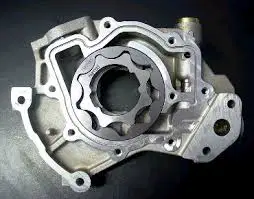
WHAT IS THIS?
Oil Pump
Timing Chain Tensioner
Water Pump
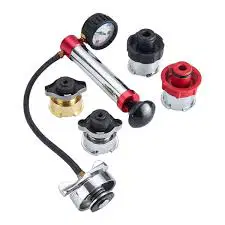
WHAT IS THIS?
Vacuum Pump
Cooling System Pressure Tester
Refracometer
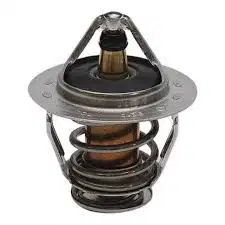
WHAT IS THIS?
Water Pump
Bypass Valve
Thermostat
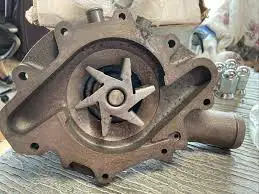
WHAT IS THIS?
Engine Pump
Oil Pump
Water Pump
What is the primary function of engine oil?
Increase engine noise
Clean fuel injectors
Lubricate moving parts
Cool the radiator
What does engine oil reduce in an engine?
Speed
Friction
Compression
Combustion
Which component does engine oil NOT directly lubricate?
Pistons
Crankshaft
Brake pads
Camshaft
What role does detergent in oil play?
Boost horsepower
Clean engine internals
Prevent fuel dilution
Increase viscosity
What happens when oil breaks down?
It turns to gas
It loses lubrication properties
It boosts power
It seals piston rings better
What does 'viscosity' refer to in oil?
Color of the oil
Thickness or flow rate
Detergent content
Temperature rating
Which rating system is commonly used for oil viscosity?
PSI
OHM
SAE
BTU
What does the “W” in 10W-30 mean?
Water resistance
Winter rating
Weight in grams
Wattage level
What type of engine oil is refined from crude oil?
Synthetic
Semi-synthetic
Conventional
Bio-oil
Which oil is best for extreme temperature conditions?
Cooking oil
Conventional oil
Synthetic oil
Vegetable oil
Why is synthetic oil considered superior?
It smells better
It has uniform molecular size
It's cheaper
It contains lead
What does synthetic blend oil combine?
Water and oil
Fuel and oil
Conventional and synthetic oils
Detergent and friction modifiers
What happens when you delay oil changes?
Increases mileage
Engine stays cleaner
Causes sludge buildup
Improves engine performance
What does sludge in an engine result from?
Cold weather
Over-lubrication
Old and dirty oil
Clean filters
What is one sign that oil should be changed?
Clear, yellow oil
Engine runs quietly
Dark, dirty oil
Increased fuel economy
Why does Valvoline test oil under extreme conditions?
For emissions
To ensure real-world performance
To reduce costs
To meet color standards
What is oil oxidation?
Oil getting thicker with heat
Oil reacting with oxygen and breaking down
Oil cleaning the pistons
Oil losing color
What is a benefit of regular oil changes?
Clogged filters
Less combustion
Longer engine life
Higher oil pressure
What is a common additive in oil?
Lead
Friction modifiers
Chlorine
Water

