
 Worksheets
Unit 5 Test Review: Electricity & Magnetism
Total questions: 16
Worksheet time: 8mins

What causes an electric current in a wire?
Electric fields cause atoms to move in the wire.
Electrons build up in the wire and create a charge.
Electrons move because of heat.
Electrons flow because of electrical attraction and repulsion.

Earth is like a bar magnet.
There are two magnetic north poles.
There is only a magnetic north pole.
There are both magnetic north and south poles.
There is only a magnetic south pole.
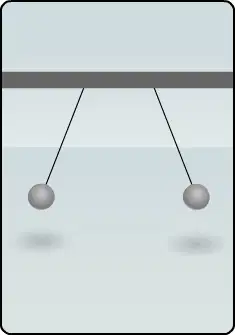
If two electrically charged objects repel one another, which statement must be true?
One object has more electrons, and the other has more protons.
The objects do not have strong electrical field.
The two objects have the same electric charge.
Electrons will flow from one object to the other when they touch each other.

Which statement is the best explanation for why two negatively charged balloons move apart without ever touching?
Electric charges have electric fields surrounding them that allow them to exert forces on other objects without touching them.
The space between objects is actually filled with charged particles that all interact.
Charged objects send little lightning bolts of electrons across the space between the two balloons.
Electrons from one balloon jump to the other and push it, without ever touching it.

Why are electromagnets used in metal scrap yards?
They are very powerful permanent magnets.
They are weak permanent magnets.
They are temporary magnets, so eventually the metal just falls off.
They are temporary magnets, so they can be turned on and off.

What does this diagram represent?
a motor
a generator
a turbine
an electromagnet

What are the materials necessary to create an electromagnet?
electrical conductor and power source only
metallic core and power source only
metallic core, magnet, and power source
power source, metallic core, and electrical conductor
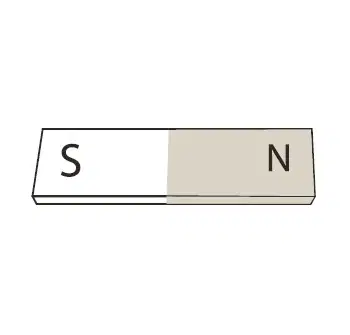
If magnetic field lines are drawn for this bar magnet, which statement would be true?
Arrows point away from north and toward south.
Arrows point away from south and toward north.
Arrows point away from both north and south.
Arrows point toward both north and south.
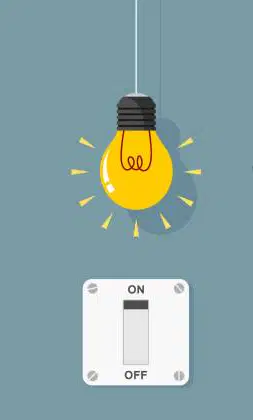
Why does the light bulb in a circuit turn on when the switch is closed?
The switch absorbs the electrical energy.
The switch changes the circuit from series to parallel.
The switch changes the direction of the flow of electrons.
Closing the switch completes the circuit, making it a closed circuit.
Which item is necessary to make an electromagnet?

paperclips

permanent magnet

copper wire

a switch
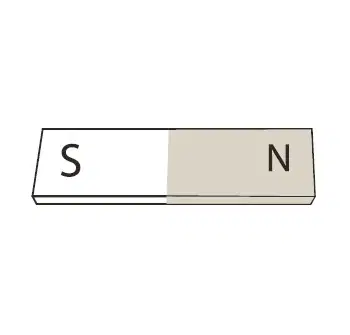
A bar magnet is dipolar.
This means it has how many poles?
zero
one
two
three
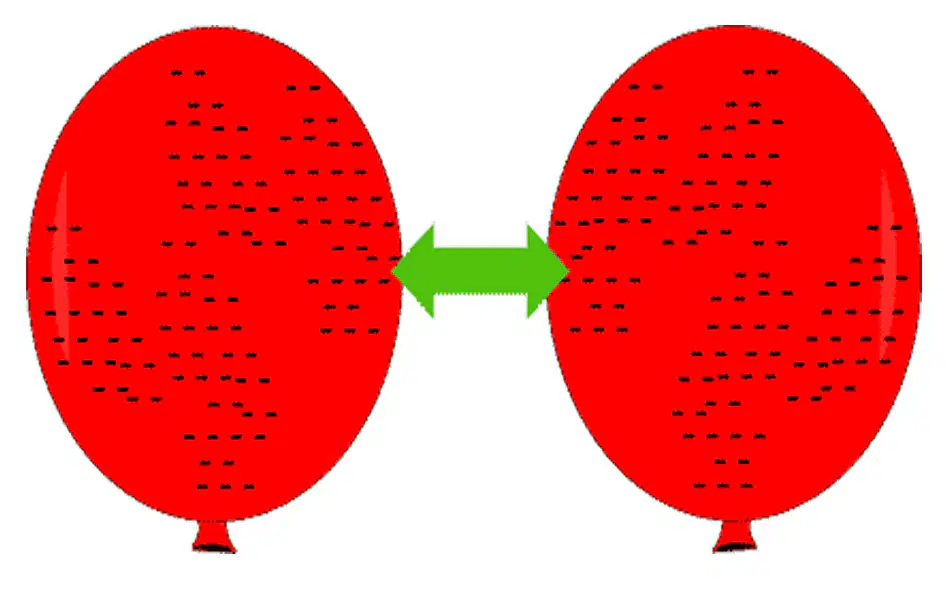
Can two negatively charged balloons move apart without ever touching? Why or why not?
No, because objects have to touch to exert forces that attract and repel.
No, because the space between objects is actually filled with charged particles that all interact.
Yes, because electric charges have electric fields surrounding them that allow them to exert forces on other objects without touching them.
Yes, because electrons from one balloon jump to the other and push it
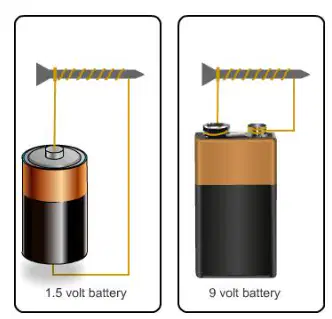
The image shows an electromagnet made with a 1.5-volt battery.
How would the magnetic field be affected if you replaced its 1.5-volt battery with a 9-volt battery while using the same nail and coil?
The magnetic field strength would decrease.
The magnetic field strength would increase.
The magnetic field would not be affected by this change
The magnetic field would change direction more frequently.
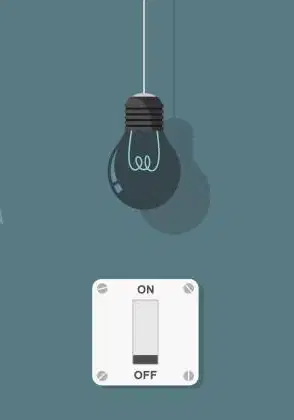
Why does a light go out when the wall switch is turned off?
The switch changes the direction of the flow of electrons.
The switch changes the circuit from series to parallel.
The switch causes a break in the circuit.
The switch absorbs the electrical energy.
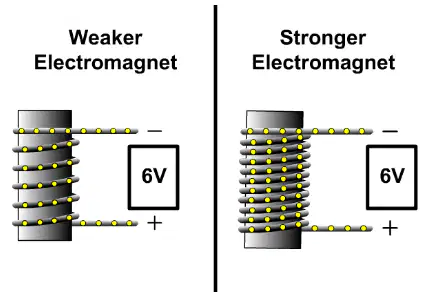
If an electromagnet is made using a battery circuit and a steel nail, how can its magnetic strength be increased?
replace the nail with a copper rod
use a longer nail
wrap more coils of wire around the nail
remove the plastic insulation from the wire coil
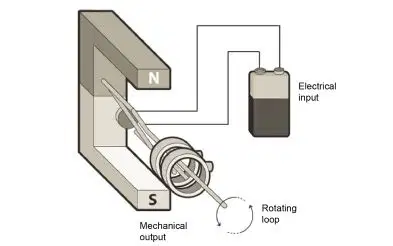
What does this diagram represent?
a motor
an electromagnet
a generator
a turbine

