
 Worksheets
Textiles Processes - in Depth
Total questions: 30
Worksheet time: 15mins
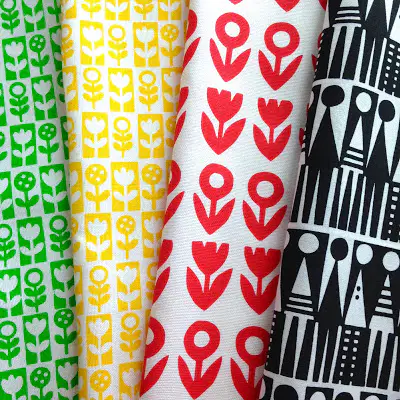
What is the process of applying ink, dye, or paint to fabric in defined patterns called?
Weaving
Printing
Knitting
Embroidery

Which method of printing involves using a carved wooden block to press ink onto fabric?
Screen printing
Block printing
Digital printing
Rotary printing

What is an advantage of flat-bed screen printing?
It is very fast
It can produce intricate patterns
It requires no setup
It uses no screens
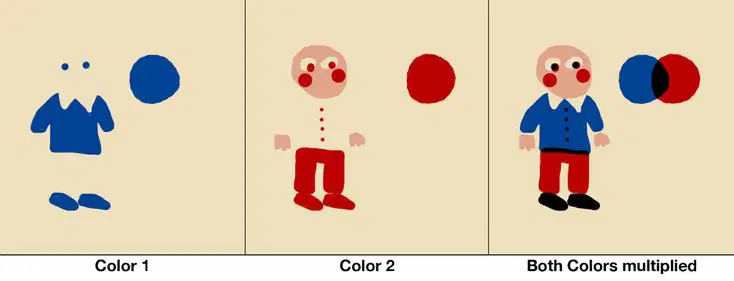
What is a disadvantage of flat-bed screen printing?
It is very fast
Each color has to be applied separately
It uses no screens
It is cost-effective for large amounts of fabric
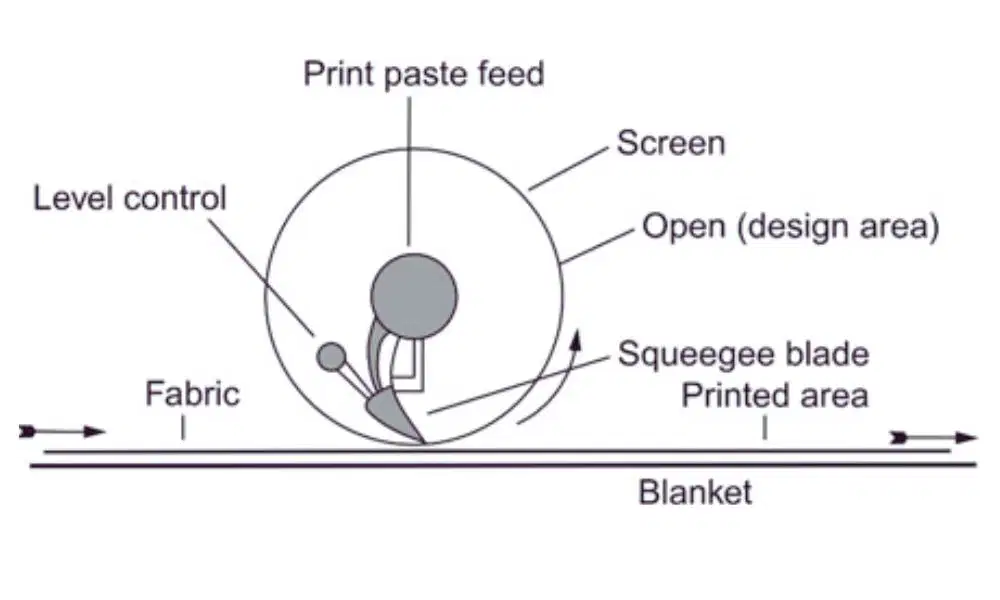
What is a characteristic of rotary screen printing?
It uses flat screens
It is a slow process
It uses screens are made as cylinders
It cannot be used for large amounts of fabric
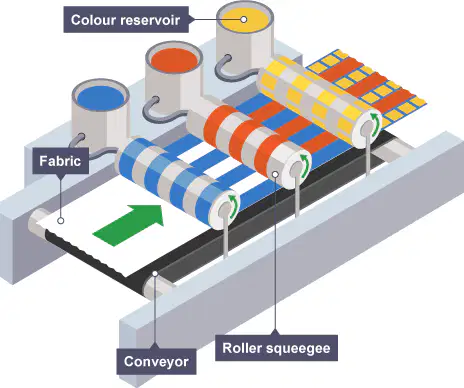
What is an advantage of rotary screen printing?
It is very slow
It is not widely used
It is computer-controlled
It cannot print large amounts of fabric
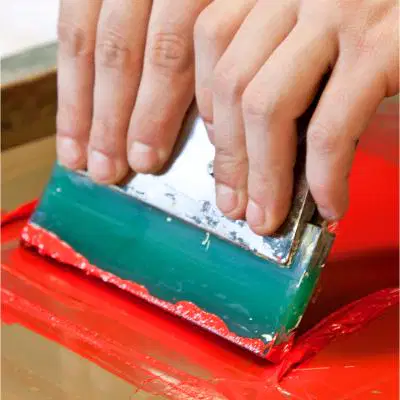
What is the purpose of a squeegee in screen printing?
To cut the fabric
To dry the ink
To push ink through the screen
To clean the screen
What is a benefit of using CAD/CAM to produce screens/stencils for screen printing?
It is slower
It is less accurate
They can be produced more quickly than if they are made by hand
It uses no ink
What is a characteristic of hand screen printing?
It is very fast
It uses no screens
It allows for intricate patterns printed in separate layers
It is computer-controlled
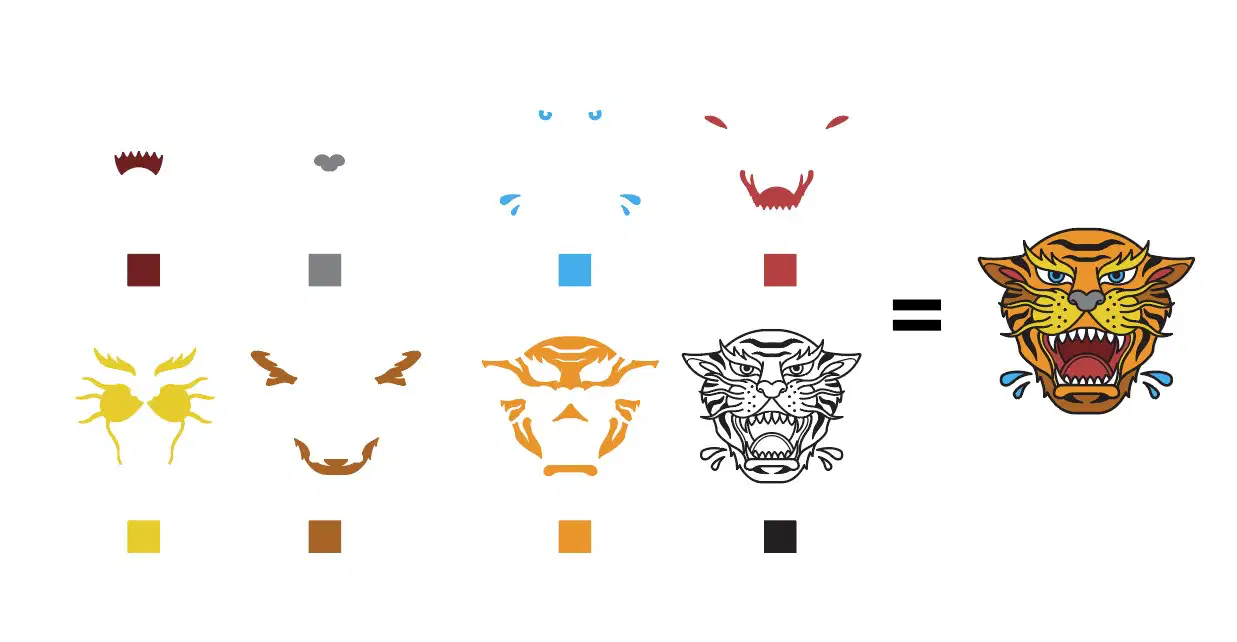
What is the main disadvantage of using multiple colors in screen printing?
It is very fast
Each color must be applied separately
It uses no screens
It is cost-effective
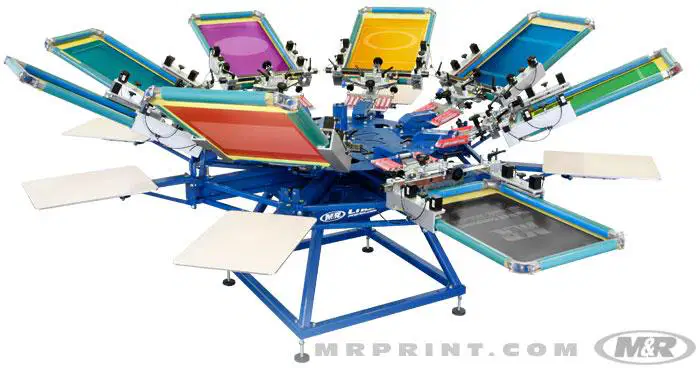
What is a benefit of using multiple screens in printing?
It is slower
It is less accurate
It allows for multiple colors
It uses no ink

What is the main purpose of using a stencil in screen printing?
To keep the mesh secure
To hold the ink
To create a picture or pattern
To keep the screen clean
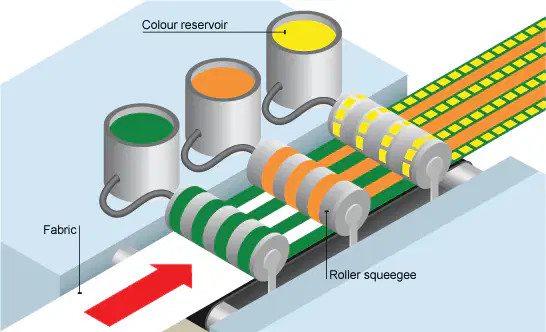
What is a characteristic of using rollers in rotary printing?
They are cheap
They are used for small amounts of fabric
They allow for continuous printing
They require no setup
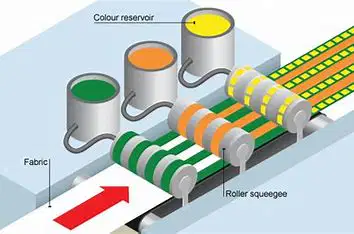
What is the main advantage of using a rotary screen in printing?
It is slower
It is less accurate
It allows for continuous printing
It uses no ink
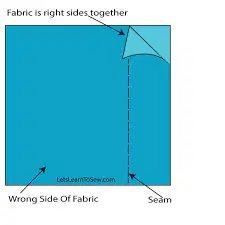
What is the simplest type of seam to do?
French seam
Flat-felled seam
Plain (flat) seam
Piping seam
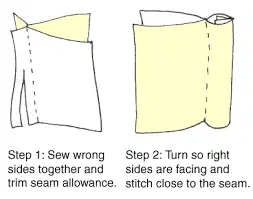
What is a key characteristic of a French seam?
Strong but bulky
Encloses the seam edges so they don't fray
Adds decoration
Uses wadding

What is a disadvantage of using wadding in quilting?
Time consuming and requires a lot of material
Creates 3D effects/patterns
Provides additional warmth
Easy to create

What technique involves pulling fabric evenly along its length?
Piping
Quilting
Gathering
Pleating
What are natural dyes made from?
Synthetic chemicals
Natural fibres
Plants, insects, and minerals
Plastic materials
What is a disadvantage of chemical dyes?
They are non-toxic
They are harmful to people and the environment
They are difficult to produce
They are less colorful
Which type of fibres are best for dyeing?
Synthetic fibres
Natural fibres like cotton, wool, and silk
Plastic fibres
Metal fibres
What happens if you dye yellow fabric with blue dye?
It turns red
It turns green
It turns orange
It turns purple
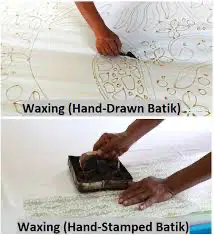
What is a disadvantage of batik?
It is time-consuming
It is very cheap
It is easy to apply
It is not suitable for natural fabrics
What type of fabrics does batik work best on?
Synthetic fabrics
Natural fabrics
Plastic fabrics
Metal fabrics
What is the purpose of using a resist (can be wax, elastic bands, bound thread or flour and water paste) in dyeing?
To make the fabric softer
To create patterns by preventing dye from reaching certain areas
To increase the dye's brightness
To make the dye last longer

What is the effect of using a mordant in dyeing?
It makes the dye fade quickly
It makes the dye colour-fast (colour doesn't come out/fade in the wash)
It makes the dye less vibrant
It makes the dye more expensive

What is the purpose of using a dye vat in batch dyeing?
To dry the fabric
To wash the fabric
To dye the fabric
To bleach the fabric
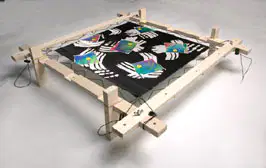
What is the purpose of using a frame in batik?
To dry the fabric
To stretch the fabric
To clean the fabric
To dye the fabric
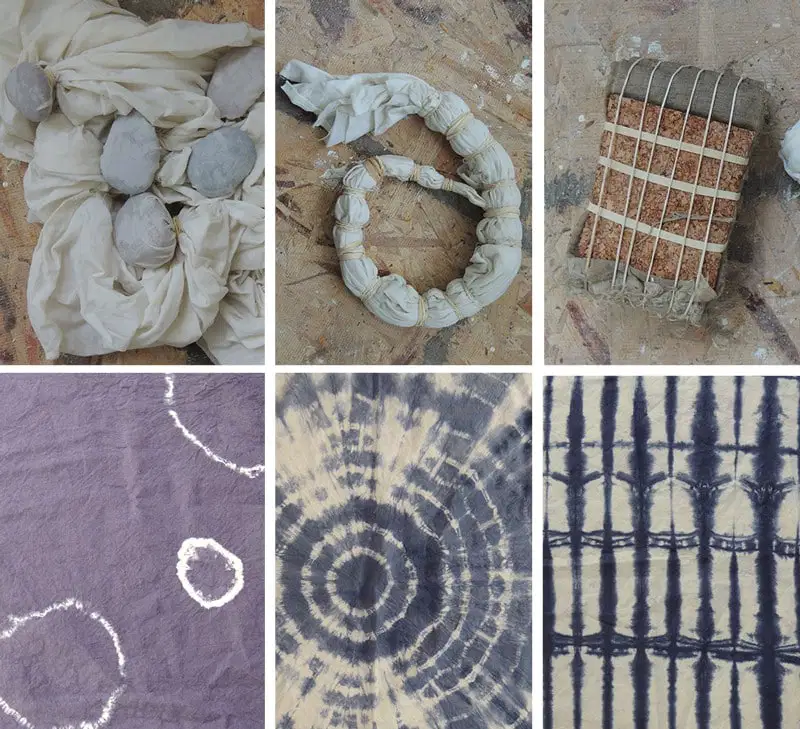
What is the main advantage of using a resist (wax, elastic bands, binding with thread or flour and water paste) in dyeing?
It creates a uniform color
It creates unique patterns
It makes the dye last longer
It makes the fabric softer
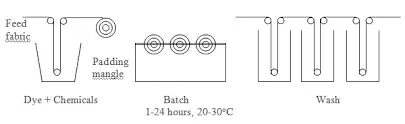
What are the characteristics of Batch Dyeing?
It is cheap to set up
It is used for dyeing small quantities of fabric
It is used on a commercial scale to dye huge quantities of fabric in one colour
You can dye multiple colours at one time

