
NEW
Font size
 Worksheets
Stemscopedia Reading Quiz
Total questions: 24
Worksheet time: 12mins
What is the definition of biodiversity?
Number of different species living in an ecosystem
Amount of rainfall in an ecosystem
Total number of animals in a zoo
Height of trees in a forest
What does photosynthetic mean?
Organisms that use carbon dioxide and sunlight to produce oxygen and glucose (food)
Organisms that consume other organisms for energy
Organisms that break down dead material for nutrients
Organisms that live without using sunlight
What does extinct mean?
Describes a species that has completely died out
Describes a species that is thriving in its environment
Describes a species that migrates every year
Describes a species that is only found in zoos
According to the passage, what percentage of the world's oxygen is produced by phytoplankton?
10%
50%
90%
100%
Which animal is the largest in the world, as mentioned in the passage?
Great white shark
Blue whale
Dodo bird
Bali tiger
True or False: The Nobel Prize in Chemistry in 2008 was awarded for research involving a chemical from the jellyfish Aequorea victoria.
True
False
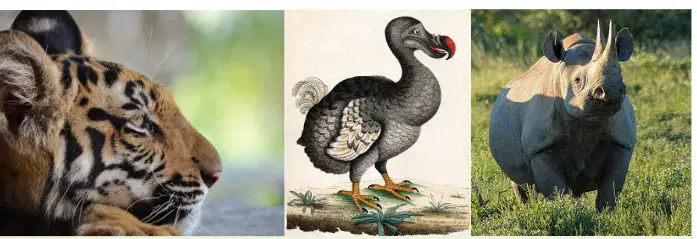
Name one extinct animal mentioned in the passage.
Bali tiger, dodo bird, or West African black rhino
African elephant
Bengal tiger
Komodo dragon
Giant panda
It is important to protect all the diverse species in our ecosystems because:
They maintain balance and support life.
They are not important for the environment.
They only provide food for humans.
They slow down ecosystem processes.
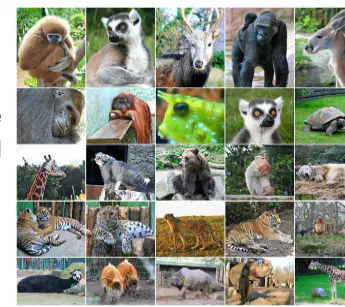
What is biodiversity?
The number of people in an area
The variety of species in an ecosystem
The amount of rainfall in a region
The temperature of an ecosystem
Fill in the blank: An ecosystem with greater biodiversity will be more _______ to harmful events, such as disease outbreaks, forest fires, and droughts.
resilient
vulnerable
fragile
unstable
If too many species are lost in an ecosystem, the ecosystem may collapse.
True
False
People rely on Earth's oceans for a wide variety of purposes. Which of the following is NOT mentioned as a reason people rely on oceans?
Transporting goods and products
Mining useful minerals and resources
Growing crops on the ocean floor
Recreational activities such as swimming and diving
Consuming ocean life as food
Fill in the blank: Oceans cover more than ___% of the planet’s surface.
70
50
30
90
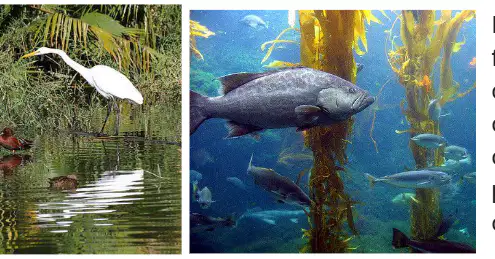
Estuaries and kelp forests are important to biodiversity.
True
False
Water pollution is the addition of harmful substances and chemicals to natural water.
True
False
What is runoff, and how does it affect ocean systems?
Runoff is water from land that flows into oceans, carrying pollutants and nutrients that can impact ocean systems.
Runoff is a type of ocean current that circulates water within the ocean.
Runoff is the evaporation of ocean water into the atmosphere, affecting weather patterns.
Runoff is the process of ocean water freezing and melting, impacting sea levels.
Reflect: What is one way pesticide runoff affects marine ecosystems?
It increases biodiversity
It poisons marine organisms
It reduces fertilizer use
It prevents oil spills
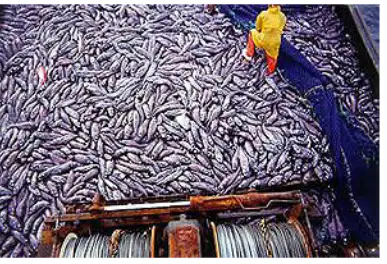
Reflect: Overharvesting involves harvesting a resource at an ________ level. Fill in the blank.
unsustainable
sustainable
moderate
legal
Reflect: What can happen if prey animal populations die off in a marine food web?
A) Predator populations may grow
B) Predator populations may die off
C) Nothing changes
D) More prey animals appear
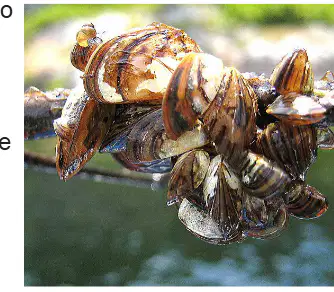
Invasive species can disrupt biodiversity and food webs by:
Supporting native species
Competing with or harming native species
Cleaning water pipes
Reducing plant growth
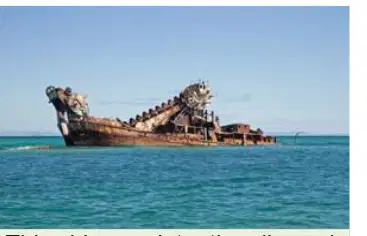
What is one way humans attempt to restore marine ecosystems?
Overharvesting
Creating artificial reefs
Introducing invasive species
Polluting the ocean
Look Out!: Artificial reefs are made out of old objects such as oil rigs, train cars, and boats.
True
False
What is a potential concern with artificial reefs?
They may release toxic chemicals into the ocean.
They always increase fish populations.
They prevent all types of marine erosion.
They are made entirely of natural materials.
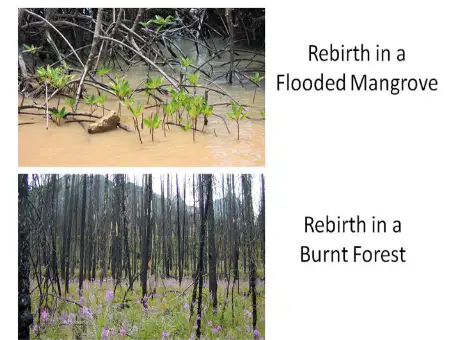
An old ecosystem might be destroyed and make way for a different ecosystem when:
A forest is burned and grassland grows in its place.
A river dries up and is replaced by a desert.
A coral reef is bleached and replaced by algae.
All of the above.

