
 Worksheets
Volcanoes
Total questions: 34
Worksheet time: 17mins

What is a divergent boundary?
A plate boundary where two plates move toward each other
A plate boundary where two plates move away from each other
A plate boundary where two plates slide past each other
A plate boundary where plates do not move

What is a convergent boundary?
A) A plate boundary where two plates move away from each other
B) A plate boundary where two plates move past each other
C) A plate boundary where two plates move towards each other
D) A plate boundary where plates do not move

Fill in the blank: A ________ boundary is a plate boundary where two plates move past each other.
transform
convergent
divergent
subduction

Fill in the blank: A _______ is a structure that forms in Earth’s crust when magma reaches the surface.
volcano
mountain
canyon
lake
What is magma? Fill in the blank: Magma is a molten mixture of _______, gases, and water.
rock-forming substances
metallic elements
organic materials
crystals

Fill in the blank: ______ is magma which has reached Earth's surface.
Lava
Granite
Basalt
Obsidian
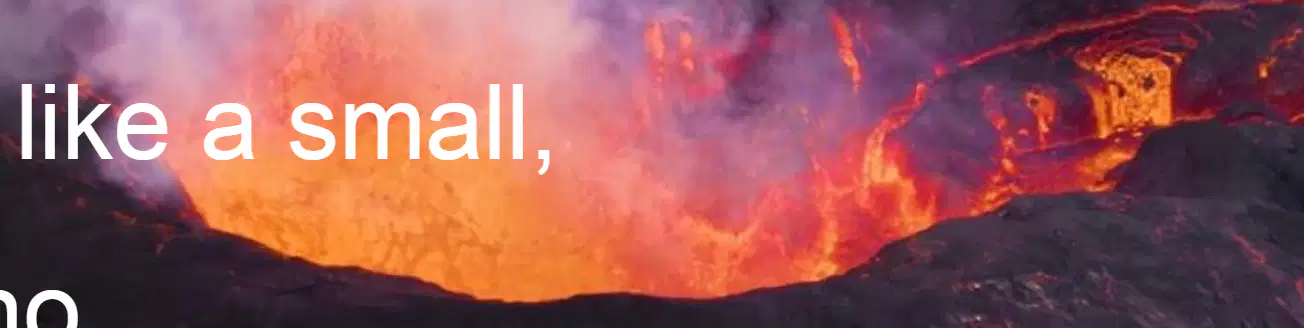
Fill in the blank: A ______ is an area where lava frequently erupts at the surface; it’s like a small, short volcano.
hot spot
crater
geyser
rift valley
Which of the following is NOT an effect of volcanoes?
Add new material to Earth’s surface
Release gases into the atmosphere
Build new islands in the ocean
Decrease habitats for organisms
Fill in the blank: Volcanoes add ________ to Earth’s surface.
new material
water
oxygen
plants
Fill in the blank: Volcanoes release ________ into the atmosphere.
gases
water
rocks
plants
Fill in the blank: Volcanoes build new ________ in the ocean.
islands
mountains
rivers
forests
Fill in the blank: Volcanoes are ________ on Earth’s crust which allow magma from the mantle to reach the surface.
structures
animals
rivers
clouds
Where does the magma that reaches the surface through volcanoes come from?
The core
The mantle
The ocean
The atmosphere
Most volcanoes are found at which types of boundaries?
Transform boundaries
Convergent and divergent boundaries
Continental boundaries
Oceanic ridges

Look at the map showing the distribution of volcanoes on Earth. What do the yellow triangles represent?
Earthquakes
Volcanoes
Mountains
Rivers

Fill in the blank: The yellow triangles on the map represent ________.
volcanoes
mountains
rivers
forests
At Divergent Boundaries: Volcanoes form at divergent boundaries when ________.
plates move apart and melted rock rises to fill the vacant (empty) space
plates collide and one sinks beneath the other
plates remain stationary and no movement occurs
plates slide past each other without creating space
At Convergent Boundaries: When a plate ________ in the process of subduction, surface rock sinks and magma rises.
dives into the mantle
rises to the surface
splits apart
moves sideways
At Convergent Boundaries: If the ________ before cooling, a volcano forms.
magma cools underground
magma reaches the surface
plate sinks
rock rises
At Convergent Boundaries: If a seamount grows large enough, it becomes a ________.
volcanic island
mid-ocean ridge
trench
guyot
Which of the following statements is true about hot spots?
Hot spots are always found at plate boundaries.
Hot spots are areas where lava frequently erupts at the surface, independent of plate boundary processes.
Hot spots do not cause volcanic activity.
Hot spots only occur in the Atlantic Ocean.

Based on the diagram, which island is currently located above the hot spot?
Kauai
Oahu
Maui
Hawaii
Below the volcano is a ________ where magma collects.
magma chamber
lava tube
crater
ash cloud
Which of the following is a type of volcano landform?
Composite volcano
Fold mountain
River delta
Sand dune
Which of the following is a type of volcano landform?
Cinder cone volcano
Glacier
Valley
Mesa
Which of the following is a type of volcano landform?
Shield volcano
Canyon
Hill
Plain
Fill in the blank: Volcanoes pose different hazards to humans and other organisms, mainly through _________
eruptions
earthquakes
floods
landslides
Which type of volcano poses very little threat of eruption?
Active volcano
Dormant volcano
Extinct volcano
All of the above
A dormant volcano poses little threat, but could reawaken someday.
True
False
An active volcano is a(n) ________ threat as it can erupt at any time.
immediate
distant
imaginary
minor
Volcano Hazards: Who are volcanists?
People who study volcanoes
People who study earthquakes
People who study weather
People who study oceans
Fill in the blank: The lava is thin and runny, and trapped gases will _________ gently.
bubble
explode
freeze
sink
The lava will be ________ and sticky, and trapped gas will explode.
hot
cold
dry
soft
What will happen to trapped gas in hot and sticky lava?
It will cool down
It will explode
It will freeze
It will evaporate

