
 Worksheets
LEVEL 2 Engineering operations Turning and milling
Total questions: 24
Worksheet time: 15mins
What is the function of the chuck on a lathe
Holds the rotating workpiece
Holds the tool
controls the speed
State the function of the coolant system
lubricates the slides
Lubricates the chuck
distributes coolant to where the tool is making contact with the workpiece
State the function of the quill on a milling machine
alters the angle of the cutting tool
allows the cutter to be raised and lowered like a drill
holds the vice in place
State the function of the interlock on a milling machine
starts the spindle
prevents operation of the milling machine when the guards are open
holds the cutting tool
State two characteristics of a collet which are different to a chuck
provides better grip on the tool
coolant can reach the tool better
stronger clamping force than a chuck
used for holding larger cutters
give two applications of a T slot and clamping on a milling machine
Holds the work piece securely
holds the cutting tool in place
Holds a dividing head in place securely
holds the machine to the floor
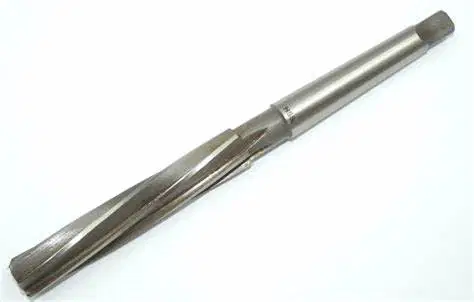
name this tool that can be used on a lathe ore milling machine
Reamer
endmill
facemill
drill
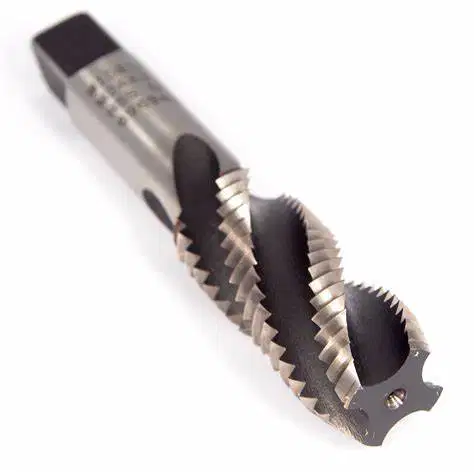
name this tool
Tapping tool
Reamer
endmill
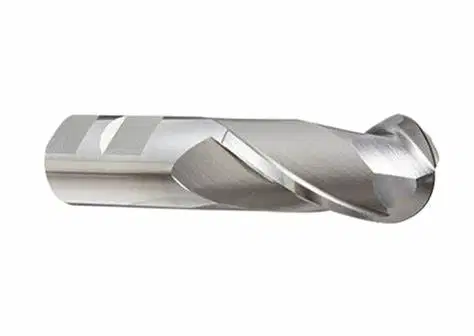
Name this cutter
Ballnose cutter
slot drill
face mill
drill
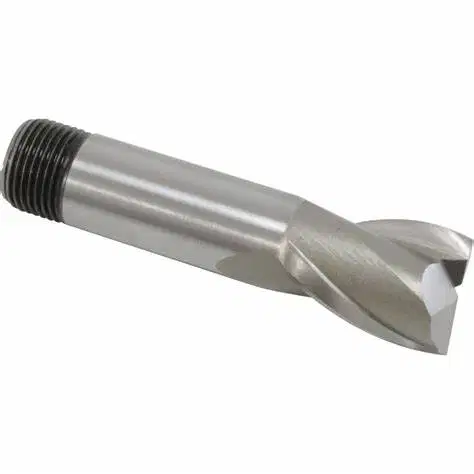
name this cutter
Side and face cutter
slot drill
endmill
twist drill
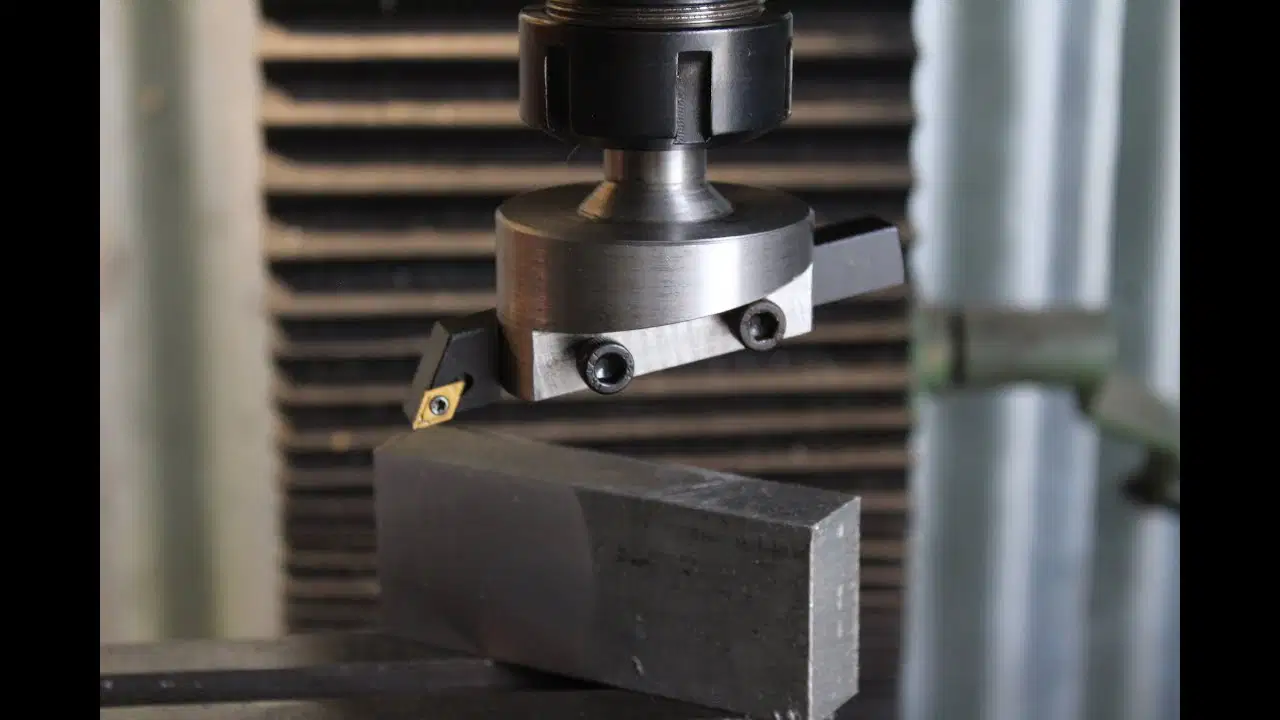
state 2 benefits of fly cutting over a a face mill cutting
fly cutter gives a better surface finish
fly cutters can take deeper cuts
Fly cutter is cheaper to buy
fly cutters are more rigid
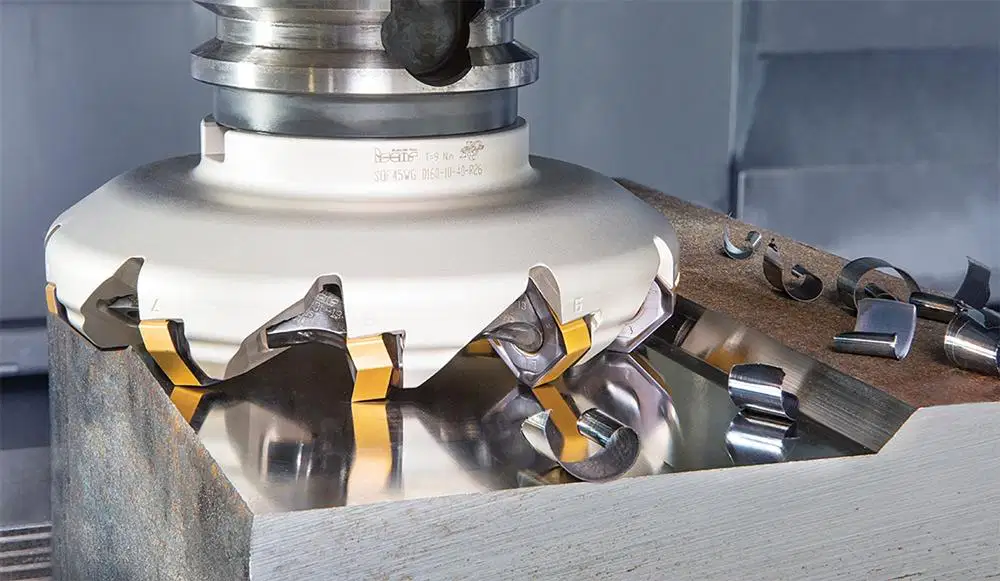
Name 2 benefits of a face mill cutter over a fly cutter
Face mill cutters are more rigid
Face mill gives a better surface finish
Face mills are cheaper to buy
Face mill cutter has a better depth of cut capability
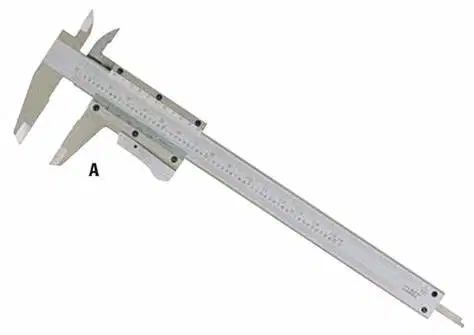
give two limitations of a Vernier caliper as a measuring tools
cannot be used to measure a part with a taper
can be used to measure internally
accuracy is limited by the Vernier scale
can be used to measure depth
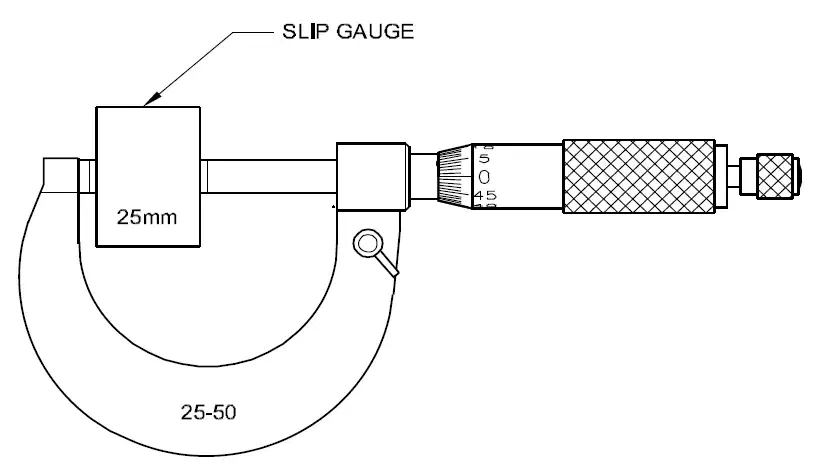
state two uses for slip gauges
check size of a gap
can be used in sets of blocks to measure a range of standard lengths
use as parallels on a milling machine
use as packing for a tool
Vernier calipers can be used to measure the diameter of a shaft state two other measuring devices that can be used
external micrometer
Rule
Dial test indicator
gauge block
state two different potential control measures to eliminate sharp edges
use chamfer tool when on a lathe
deburr any edges with a file or deburring tool
use a 90 deg face mill
use a slot drill
Describe the difference between a countersunk and a counterbored hole
a counterbored hole is straight through hole
a countersunk hole has a beveled opening a counterbored hole has a stepped opening
a countersink hole has a flat bottom
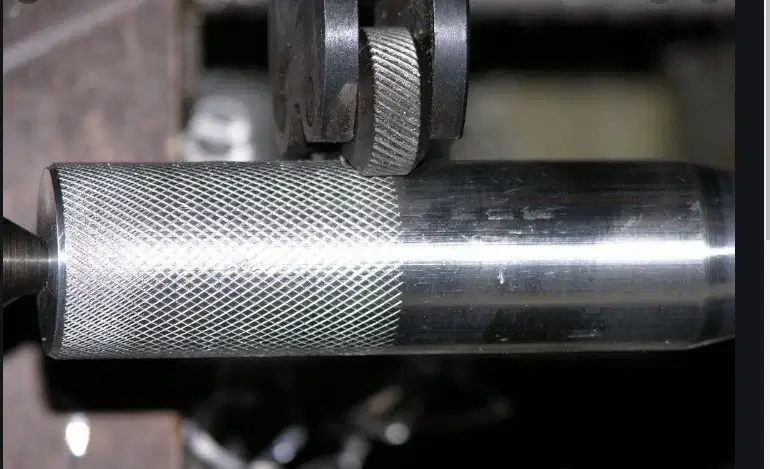
what does a knurling tool do
holds the shaft steady
puts a lined pattern on a shaft
measures the shaft
used to clamp the workpiece
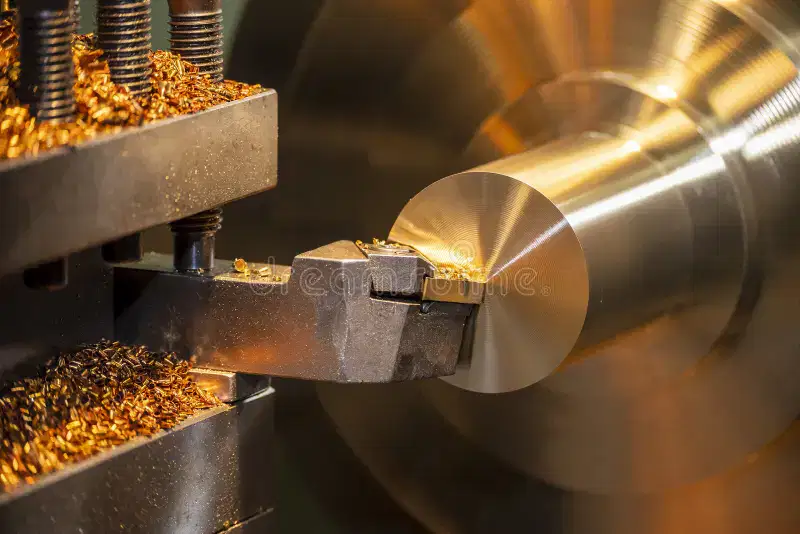
An engineering company produces a product made in steel and is considering a change to brass, Explain two considerations that should be taken into account when cutting brass ,instead of steel on a milling machine
dry cut only with brass
change coolant/cutting fluids
change cutting speeds, speeds for brass should be higher than steel
change the cutting speeds, cutting speed for brass should be lower than steel,
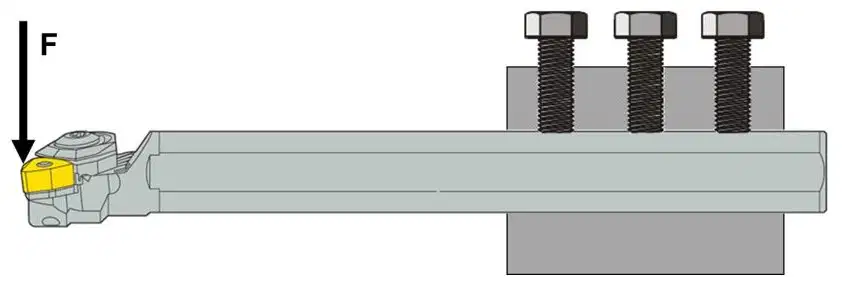
Describe two causes of poor surface finish whilst turning on a lathe
secure cutting tool
long workpiece not supported/not using tailstock
feedrate too fast
sharp cutting tool
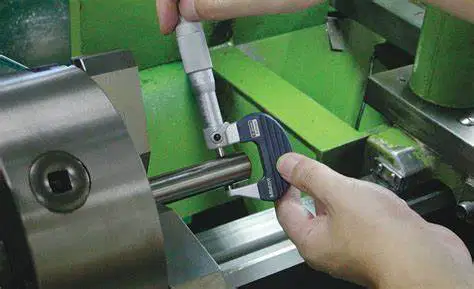
Give two ways how you could measure +/-0.25 the tolerance of a shaft?
go/no-go gauge
micrometer
rule
set square
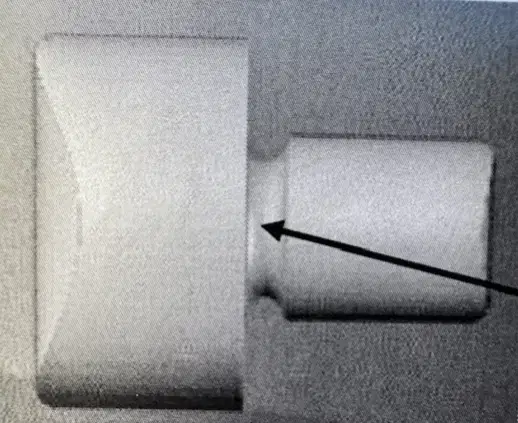
describe the feature in the picture
groove
finish pass
taper
thread
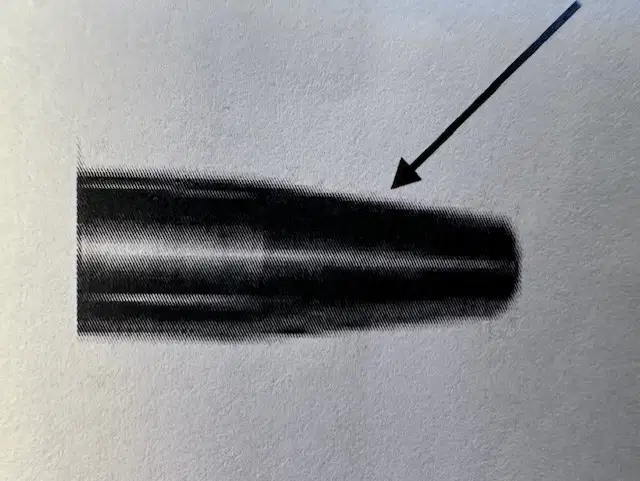
Describe the feature in the picture
screw cut
finish pass
taper
roughing pass
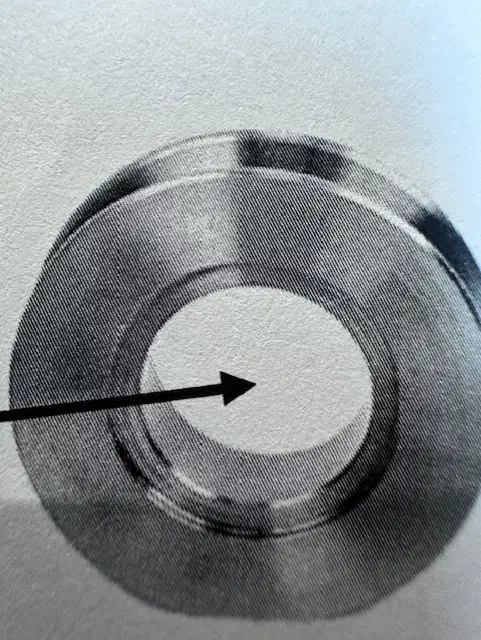
describe the feature in the picture
internal thread
a slot
A through hole

