
 Worksheets
EXAM: WOW! - COLOR THEORY (2ND PERIOD)
Total questions: 33
Worksheet time: 2hrs 39mins

What is the circular chart that shows a color's relationship to other colors?
Color Wheel
Color Spectrum
Color Palette
Color Chart
Color Picker
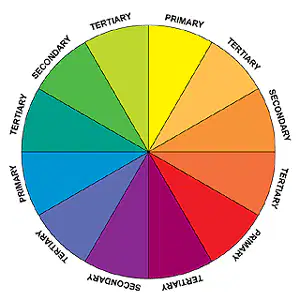
Equal parts of one primary color and one secondary color creates (a) .
Primary color
Secondary color
Complementary color

(a) colors are neighboring colors on the color wheel that are always extremely harmonious.
Triadic
Monochromatic
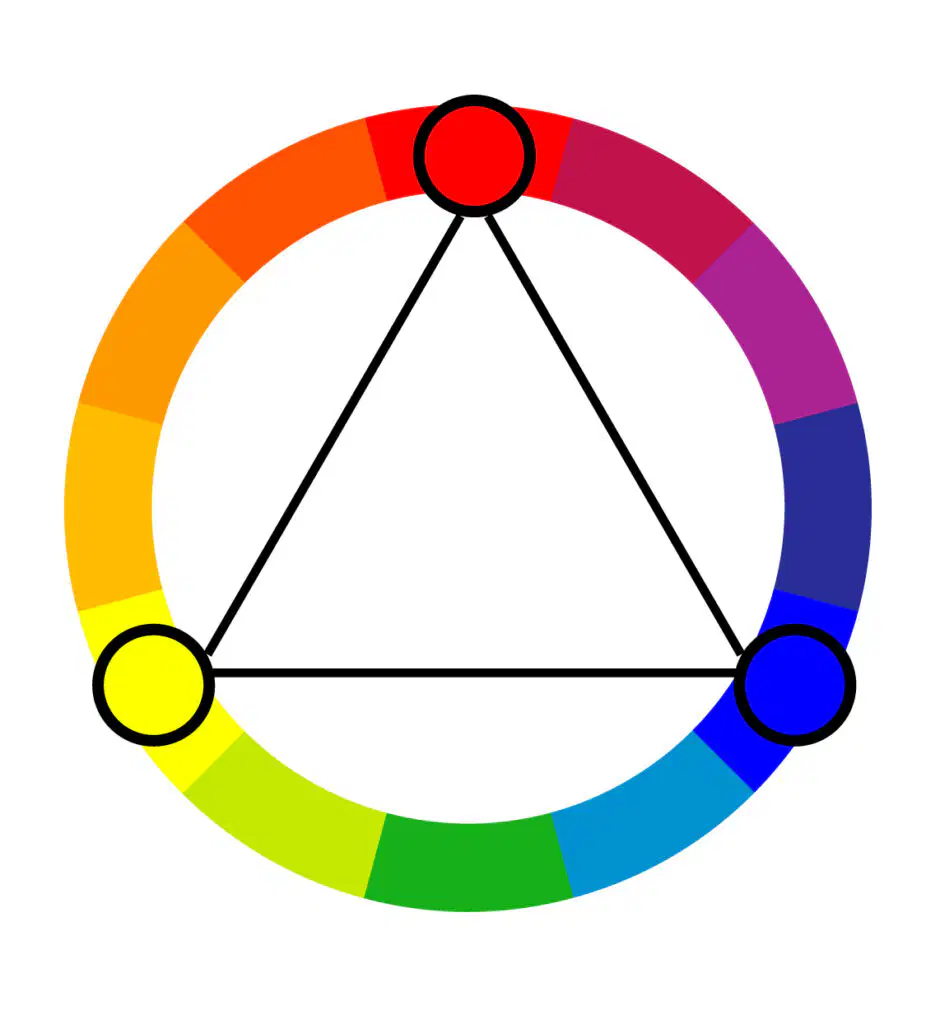
The image below illustrates what kind of color relationship?
Complementary
Analogous
Triadic
Split-Complementary
Monochromatic

The primary colors are:
Orange, Red, Yellow
Blue, Red, Yellow
Blue, Orange, Red
Green, Red, Yellow
Black, Green, Violet
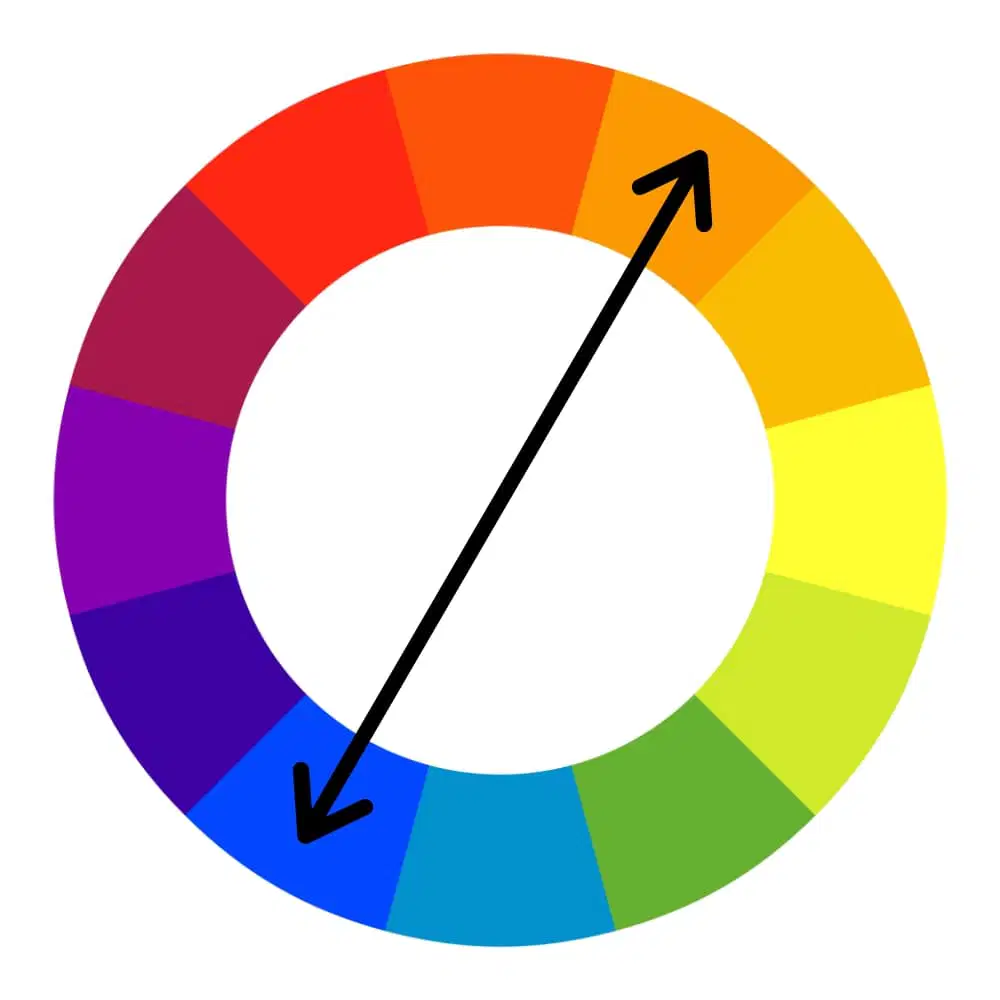
Colors directly across from each other on the color wheel are ___________.
complementary colors
analogous colors
primary colors
secondary colors
monochromatic colors
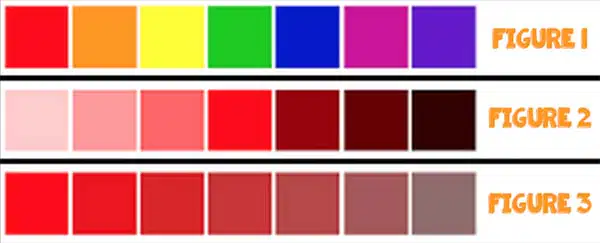
Which term describes FIGURE 2 in the image below?
(a)

Identify the color scheme used in this magazine cover design:
Complementary
Analogous
Triadic
Monochromatic
Split Complementary

The main idea behind the black, white, and gray color harmony is:
Black, white and gray don't work well with other colors
Black, white and gray should only be used with specific hues
Black, white and gray should never be used in a design
Black, white and graycan harmonize with any color combination
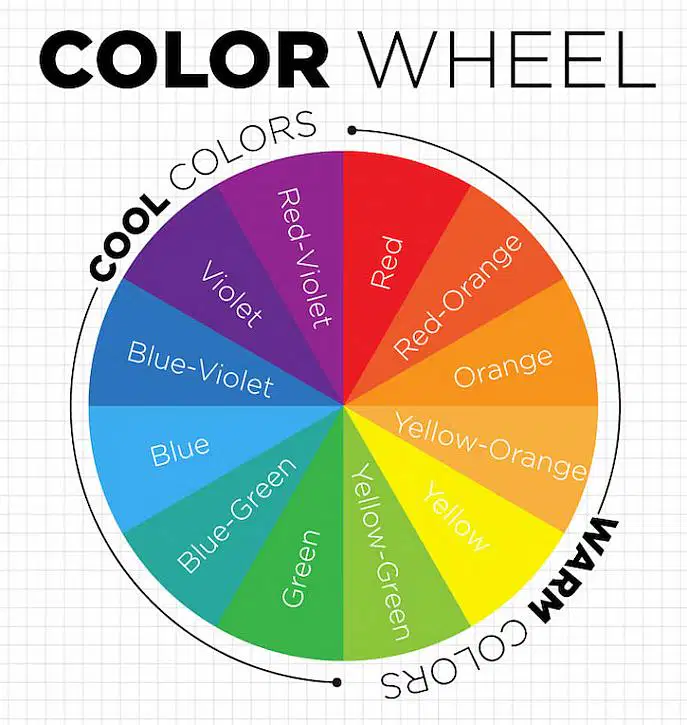
This concept describes the framework or relationship between colors based on color theory (like complementary or analogous) (a) .
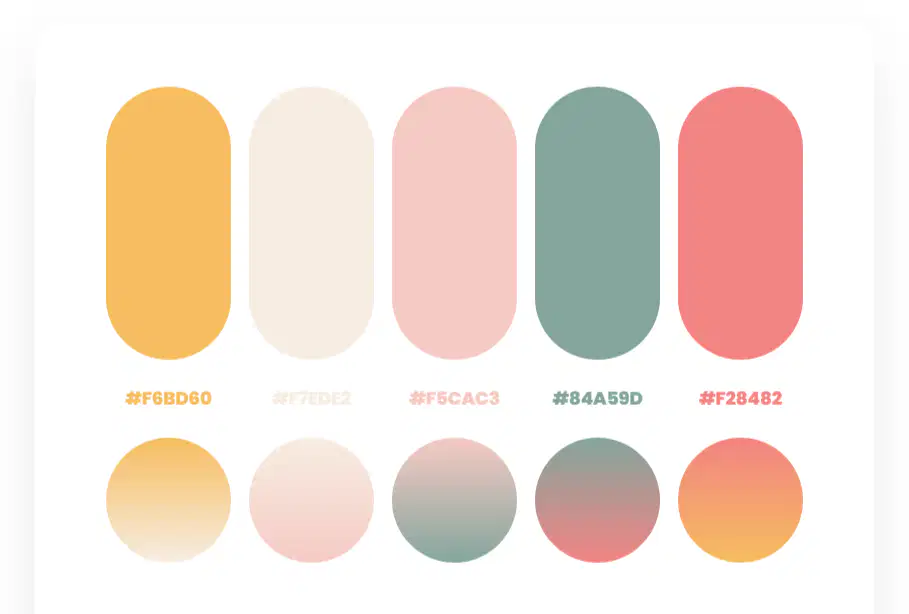
The intentional use of a (a) can affect the overall mood of artwork.
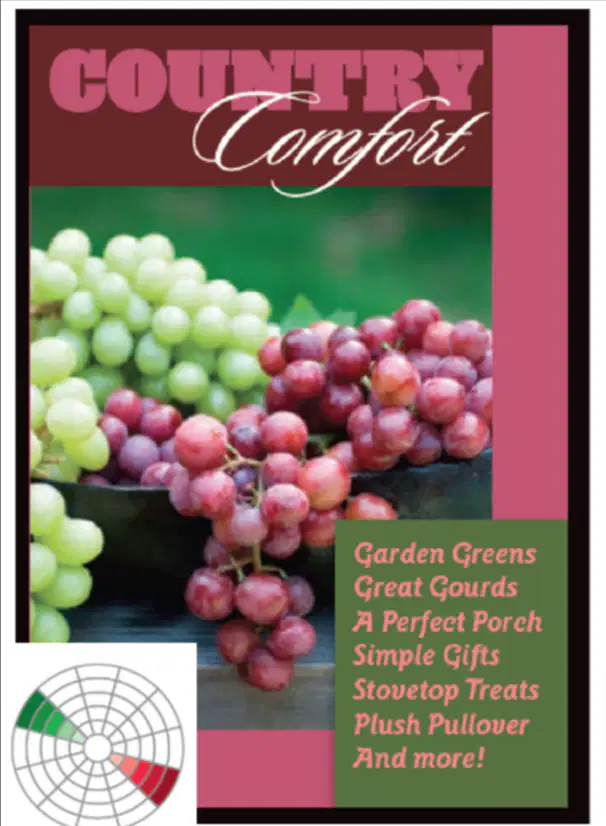
Identify the color scheme used in this magazine cover design:
Complementary
Analogous
Triadic
Monochromatic
Split Complementary
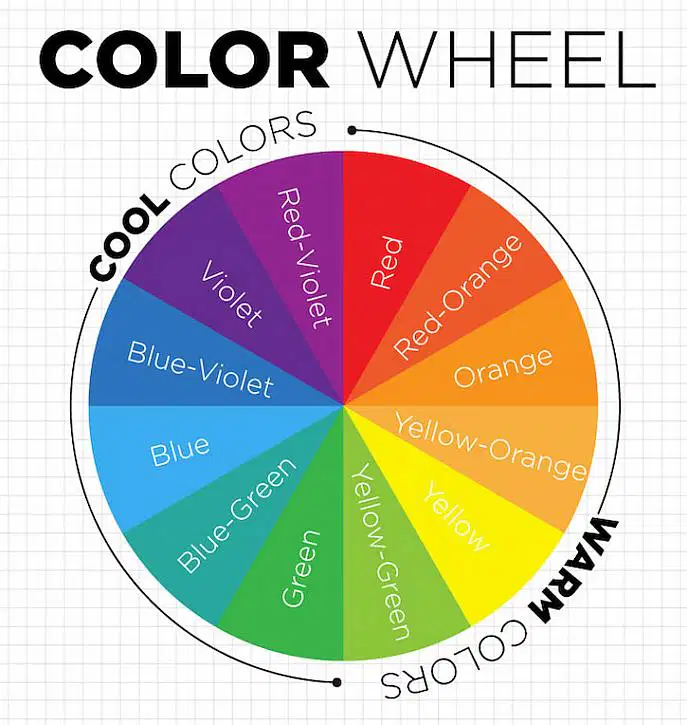
Equal parts of two primary colors creates (a)
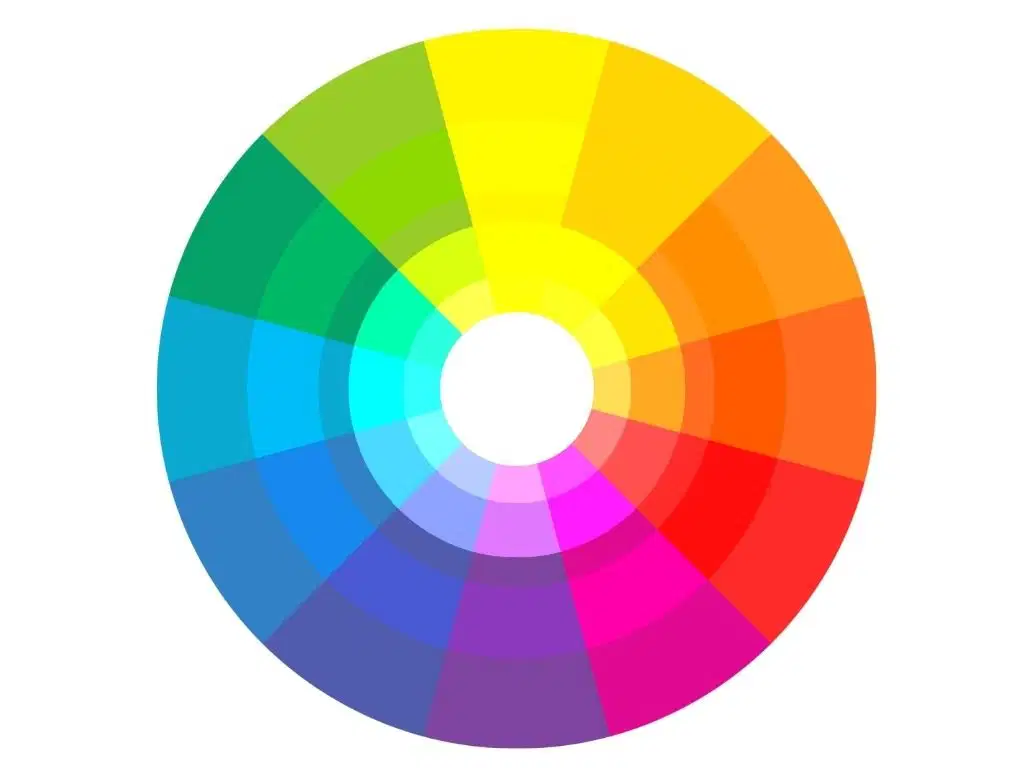
Examples of warm colors are:
Red, Orange, Yellow
Gray, Black, Green
Green, Blue, Purple
Black, Green, Blue
Violet, Red and Blue
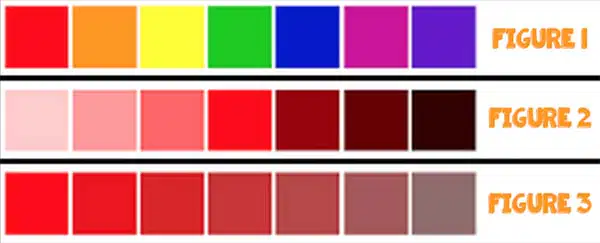
Which of the following terms describes FIGURE 1 in the image below?
Hue
Saturation
Brightness
Density
Color Range

Identify the color scheme used in this magazine cover design:
Split-Complementary
Analogous
Complementary
Monochromatic
Secondary
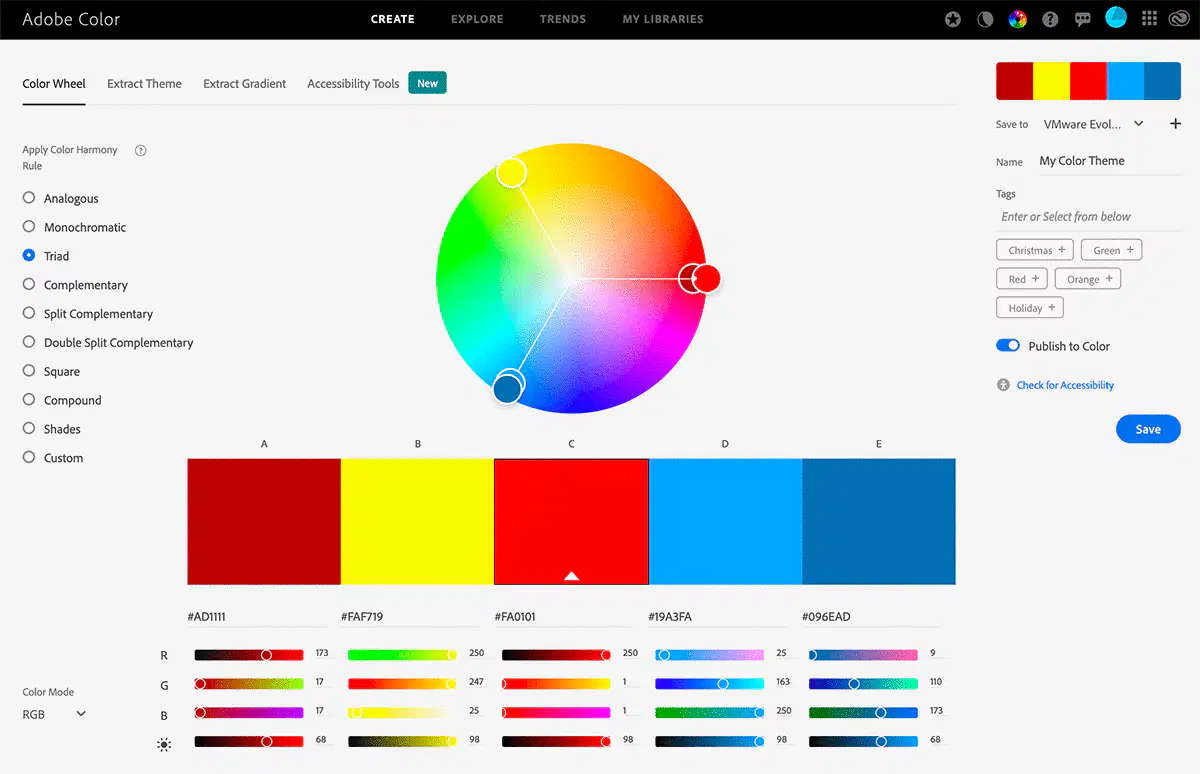
This platform allows you to create color schemes and import swatches. What is the name of this platform?
Pantone Online Color Matching
Adobe Color
Swatch Maker
Palette Pro

Mixing equal parts red and yellow (primary colors) produces what secondary color?
Purple
Blue
Orange
Green
Violet

Identify the color scheme used in this magazine cover design:
Split-Complementary
Analogous
Complementary
Monochromatic
Primary
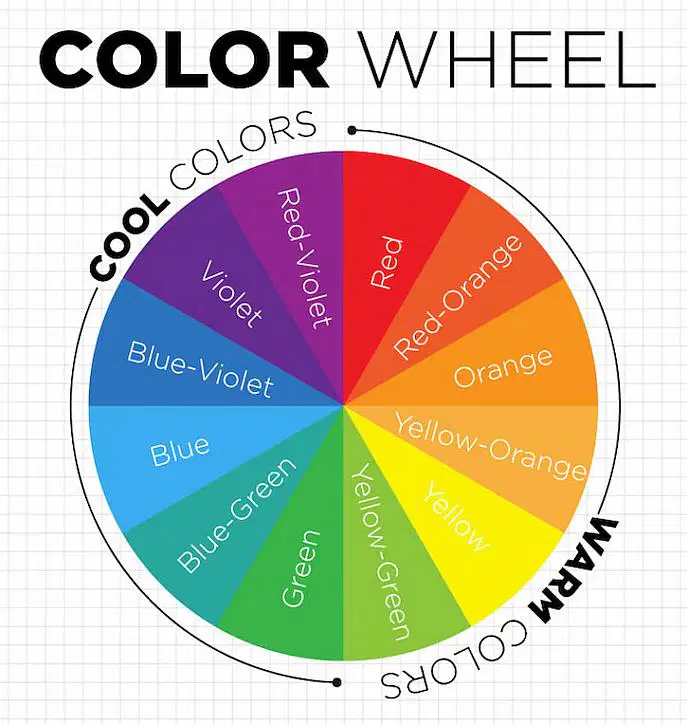
Red-orange, yellow-orange, and yellow-green are examples of:
Primary Colors
Secondary Colors
Tertiary Colors
Complementary Colors
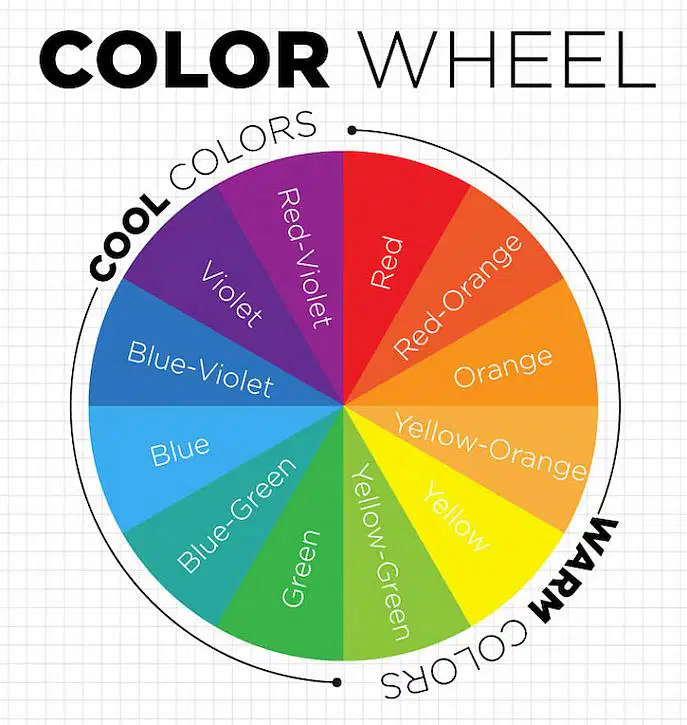
Mixing equal parts red and blue (primary colors) produces what secondary color?
Yellow
Green
Violet
Orange
What is shade?
Adding gray to a color to desaturate it
Adding black to a color to darken it
Adding white to a color to lighten it
Adding violet to a color to add contrast

What is hue?
The lightness or darkness of a color
The intensity of the color
The purity of the color
The color scheme chosen

What is saturation?
The lightness or darkness of a color
The intensity of a color
The purity of a color
The use of the color in a design
What is value?
The lightness or darkness of a color
The intensity of a color
The purity of a color
The use of the color in a design
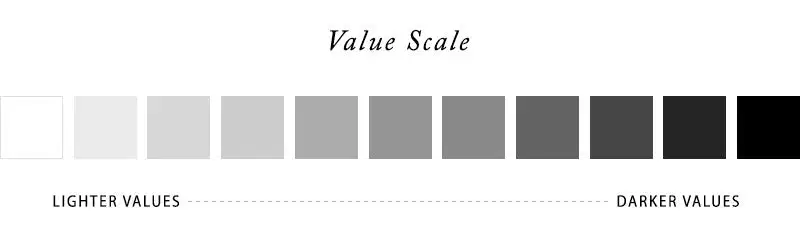
Another term for value is ______.
Brightness
Hue
Saturatiom
Gradient
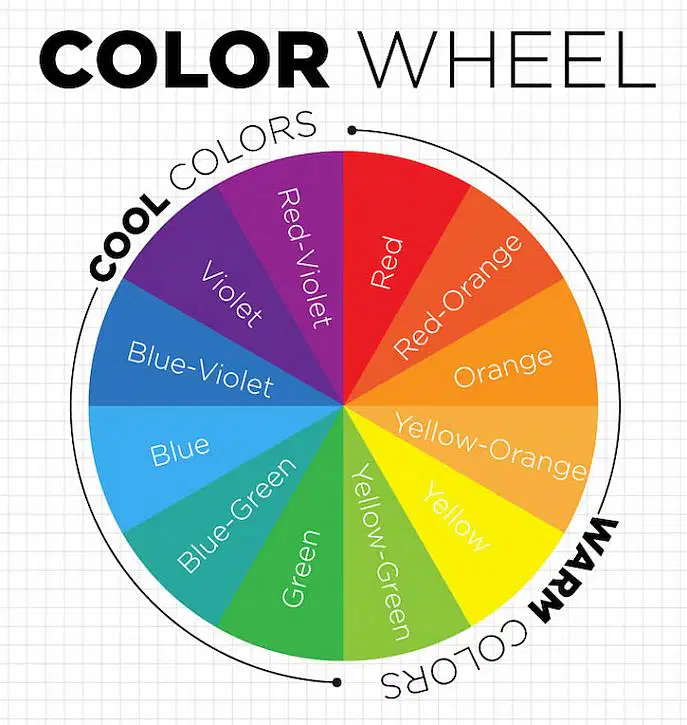
Primary colors can create other colors, but cannot be produced by different colors.
True
False
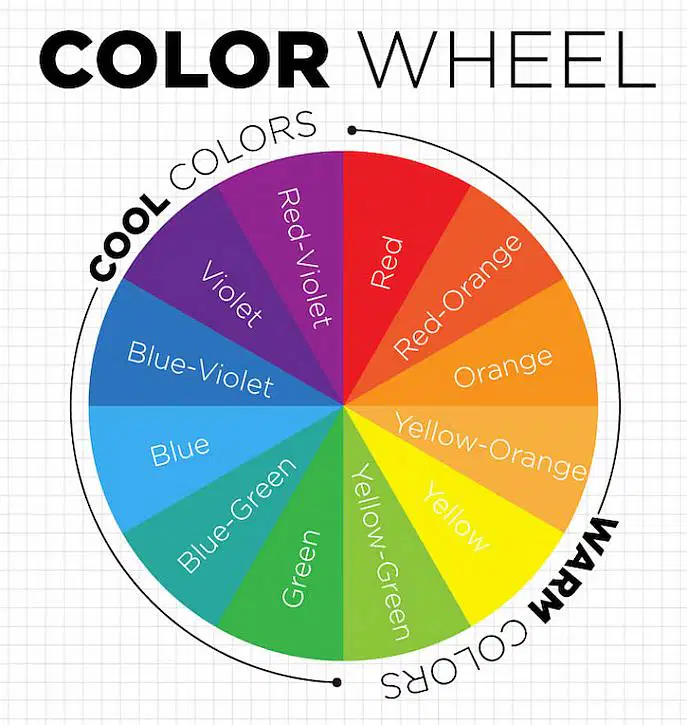
What is a tertiary color?
a color from which all other colors can be obtained by mixing
the color resulting from the mixing of two primary colors
the color resulting from the mixing of a primary color and a secondary color

What is an analogous color harmony?
a harmony consisting of three colors evenly spaced apart on the color wheel
a harmony consisting of two colors directly across from each other on the color wheel
a harmony made up of three or four colors all next to each other on the color wheel
one color, a harmony made up of the tints and shades of one color

RGB (Red, Green and Blue) is the color space for print images.
True
False
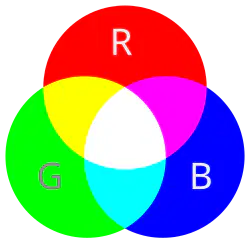
RGB colors can have as many as ________ different color combinations.
16,000
160,000
16.7 million
1.6 million

CMYK (Cyan, Magenta, Yellow and Key, or Black) is the color space for print images.
True
False

CYMK (Cyan, Magenta, Yellow, Black) are print documents that produce as many as _______ color combinations.
16,000
160,000
1.6 million
16.7 million

