
 Worksheets
Unit 9- A & B only
Total questions: 218
Worksheet time: 5hrs 47mins
What type of cell has a nucleus?
eukaryotic
prokaryotic
neither
both
Plants and animal cells are examples of ___ cells
prokaryotic cells
eukaryotic cells
both eukaryotic and prokaryotic
neither
Bacteria are considered what?
Eukaryotes
Prokaryotes

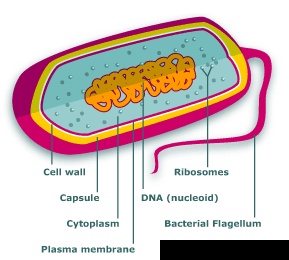
Bacteria is an example of a(n)
prokaryotic cell.
eukaryotic cell.

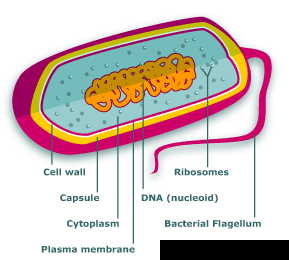
What type of organism is made up of only one cell?
Multicellular
Eukaryote
Prokaryote
Unicellular
Which of the following is an example of a multicellular organism?
Euglena
Paramecium
Amoeba
Ant
What is an autotroph?
An organism that consumes other organisms to obtain energy
An organism that is made up of many cells
An organism that is able to produce its own food through the process of photosynthesis
An organism whose cells lack a nucleus and other organelles
Which of the following is an example of a heterotroph?
Grass
Algae
Snake
Tree
What is the main difference between a prokaryote and a eukaryote?
A prokaryote is multicellular, while a eukaryote is unicellular
A prokaryote is able to produce its own food, while a eukaryote is not
A prokaryote's cells contain a nucleus and other organelles, while a eukaryote's cells do not
A prokaryote's cells lack a nucleus and other organelles, while a eukaryote's cells contain them
Which term describes an organism made up of only one cell?
Multicellular
Eukaryote
Unicellular
Autotroph
What does a heterotroph require to obtain energy?
It must produce its own food through photosynthesis
It must consume other organisms
It must have a nucleus and other organelles
It must be made up of many cells
Which process do autotrophs use to convert sunlight into chemical energy?
Cellular respiration
Photosynthesis
Fermentation
Chemosynthesis
Which of the following organisms is a prokaryote?
Fungi
Bacteria
Animals
Plants
Which of the following organisms is capable of photosynthesis?
Mushroom
Yeast
Maple tree
Lion
Which organism represents a multicellular organism?


An organism with more than one cell is known as a/an
organ system
multicellular organism
unicellular organism
A cell is-
an organism made up of one cell.
a structure that stores food and water.
the smallest unit of a living organism.
The control center of the cell is known as...
cytoplasm
mitochondria
nucleus
chloroplast
The difference between a prokaryotic cell and a eukaryotic cell is that
only one has a nucleus
they are not different
one is blue, the other is red
____________is any living thing.
Cell
Unicellular
Organisms
Multicellular
_________is a single-celled organism that does not have a nucleus or membrane-bound organelles.
Prokaryote
Eukaryote
Unicellular
Multicellular
_________is an organism made up cells that contain their DNA in a nucleus.
Prokaryote
Eukaryote
Unicellular
Multicellular
____________organisms made up of one cell.
Cell
Unicellular
Organisms
Multicellular
Autotrophs ____
Eat other organisms
Make their own food
Consume dead organisms
Only drink water
Which cell structure do all prokaryotes (bacteria) lack?
Ribosomes
cell wall
nucleus
DNA
What are the two types of cells?
Prokaryotic & Eukaryotic
Bacteria & Eukaryotic
Eukaryotic
Animal & Plant
Plant and animal cells are examples of
prokaryotic cells
eukaryotic cells
Which of the following is only found in EUKARYOTIC cells?
nucleus
DNA
cell membrane
ribosomes
The smallest unit of a living thing are
atoms
cells
DNA
organelles
Bacteria is an example of a(n)
prokaryotic cell.
eukaryotic cell.

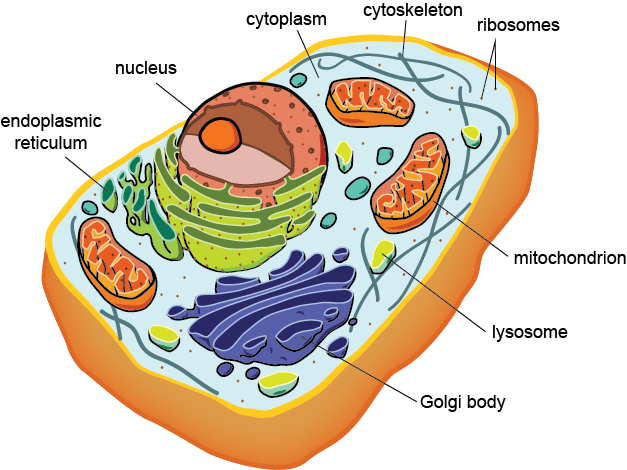
Which type of cell is this?
Prokaryote
Eukaryote


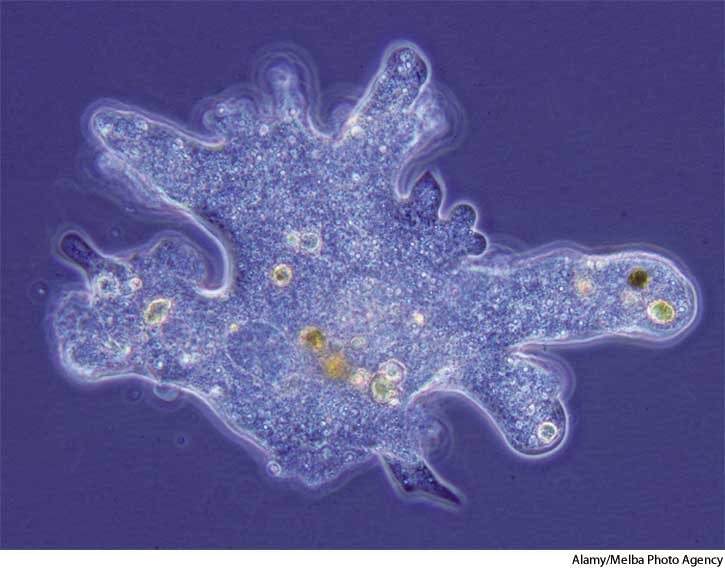
What type of organism is this?
Unicellular
multicellular
no cellular
both unicellular and multicellular

A spider is an example of...
Unicellular Organism
Multicellular Organism
Neither
Both

An alligator is an example of...
Unicellular Organism
Multicellular Organism
Neither
Both

A rock would be considered ________.
unicellular
multicelluar
nonliving
living

A bird would be an example of a(n) _________ organism.
unicellular
nonliving
multicellular

Unicellular organisms are made of . . .
one cell
many cells
no cells
Multicellular organisms are made of . . .
one cell
many cells
no cells
Check ALL the multicellular organisms.
bacteria
seaweed
human
ameoba
shark
What type of organism makes its own food?
Autotroph
Heterotroph
Which category of organism cannot make its own food?
Autotroph
Heterotroph

What are humans?
Autotrophs
Heterotrophs

What is a lion?
autotroph
heterotroph

What is a worm?
autotroph
heterotroph

What is asparagus?
autotroph
heterotroph

What is a lily pad?
autotroph
heterotroph
What is an insect?
autotroph
heterotroph

What is a reptile?
autotroph
heterotroph

What is a cactus?
autotoph
heterotroph

What is a flamingo?
autotroph
heterotroph
What type of organism uses sunlight to produce food?
autotroph
heterotroph
What do you call organisms that can make their own food?
heterotophs
autotrophs
trophies

Organisms that cannot make their own food and must get energy from eating other organisms are called...
autotrophs
heterotrophs
plants
What are producers source of energy?
animals
animal waste
sunlight
other plants
What is the name of the process that autotrophs or producers use to make food?
cellular respiration
photosynthesis
photo respiration
cellularsynthesis
What is an autotroph?
An organism that can produce its own food using sunlight or chemical energy.
A type of organism that relies on other organisms for food.
An organism that cannot produce its own food and must consume others.
A plant that grows in extreme conditions without sunlight.
What is a heterotroph?
An organism that produces its own food through photosynthesis.
An organism that cannot produce its own food and obtains nutrients by consuming other organisms.
A type of plant that grows in water.
An organism that can survive without any nutrients.
Which organisms perform photosynthesis?
Heterotrophs, such as animals and fungi
Autotrophs, such as plants and some bacteria
Decomposers, such as mushrooms
Parasites, such as tapeworms
Can you name a type of autotroph?
Fungi
Animals
Plants
Bacteria
What is a consumer?
An organism that produces its own food through photosynthesis.
An organism that eats other organisms for energy; this term typically refers to heterotrophs.
A type of plant that absorbs nutrients from the soil.
An organism that decomposes dead matter for energy.
What is another term for a producer?
Heterotroph
Autotroph
Decomposer
Consumer
What role do heterotrophs play in an ecosystem?
Heterotrophs are producers that create energy from sunlight.
Heterotrophs are consumers that obtain energy by eating autotrophs or other heterotrophs.
Heterotrophs are decomposers that break down dead organic matter.
Heterotrophs are organisms that do not require energy to survive.
What do heterotrophs rely on for energy?
They rely on photosynthesis to produce their own food.
They rely on consuming other organisms (plants or animals) for energy.
They rely on inorganic substances for energy.
They rely on sunlight for energy.
Give an example of a heterotroph.
Plants
Animals, including humans
Bacteria
Fungi
What is the main difference between autotrophs and heterotrophs?
Autotrophs produce their own food, while heterotrophs consume other organisms for food.
Autotrophs are animals, while heterotrophs are plants.
Autotrophs can only survive in water, while heterotrophs can survive on land.
Autotrophs require sunlight, while heterotrophs do not.
What is photosynthesis?
Photosynthesis is the process by which autotrophs convert light energy into chemical energy in the form of glucose.
Photosynthesis is the process by which plants absorb water from the soil.
Photosynthesis is the method by which animals convert food into energy.
Photosynthesis is the process of breaking down glucose to release energy.

Which of the following organism above are considered "Heterotrophic"?
Deer
Fern Plant
Apple Tree
Owl
Skunk
Which of the following organism above are considered "Autotrophic"?
Lemongrass
Fox
Apple Tree
Rose Plant
Sunlight
The basic unit of structure & function in living organisms. The smallest unit of life.
domain
cell
nucleus
autotroph
There are three parts of the Cell Theory. Which of the following is NOT a part?
Cells are the basic structure and function of life.
All living things are made of one or more cells.
The cell is the basic unit of matter.
All cells come from preexisting cells.
Which choice is NOT part of the cell theory.
All organisms are composed of cells.
Cells are the basic unit of life.
All cells come from previous cells.
Cells are always the same size and shape.
True or false- all organisms are made of cells.
true
false

Which of the following does NOT belong to the cell theory?
all living organisms have the same type of cell
All living organisms are composed of one or more cells
All cells come pre-existing cells
Cells are the basic unit of life
True or false- fire is made of cells
true
false
Which of the following does NOT belong to the cell theory?
all living organisms have the same type of cell
All living organisms are composed of one or more cells
All cells come pre-existing cells
Cells are the basic unit of life
There are three parts of the Cell Theory. Which of the following is NOT a part?
Cells are the basic structure and function of life.
All living things are made of one or more cells.
The cell is the basic unit of matter.
All cells come from preexisting cells.
A ________ is a living thing.
organelle
cell
organism
multicellular
Who coined the term "cell" by looking at cork?
Hooke
Leeuwenhooke
Schwann
Virchow
Which is NOT a part of the cell theory
All organisms are composed of one or more cells.
The cell is the basic unit of structure and organization in organisms.
All cells come from preexisting cells.
The invention of the microscope allowed scientist to investigate plant and animal cells.
Who is the scientist that studied plants under a microscope and realized all plants are made of cells?
Hooke
Virchow
Schwann
Schleiden
What is the name of the scientist who studied animal cells and realized all animals are made of cells?
Leeuwenhooke
Schwann
Virchow
Hooke
_________ is an instrument that makes small objects look larger.
cell
organisms
microscope
bacteria
What is the name of the scientist who provided research proving cells come from other cells?
Hooke
Schleiden
Leeuwenhooke
Virchow
___________ made his own microscope and discovered bacteria. He called them "animalcules".
Hooke
Leeuwenhooke
Schwann
Schleiden
How did the microscope influence the development of cell theory?
Let to them asking more questions and making more discoveries.
Allowed scientist to investigate plants and animals in their world.
Realized that living things are made of cells.
All of the above.


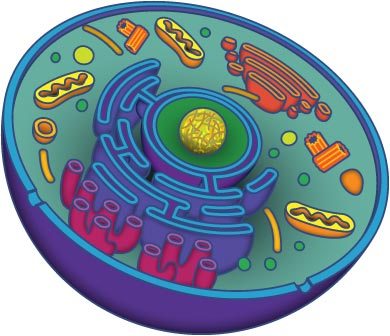

Robert Hooke
Matthias Schleiden
There are three parts to the cell theory. Which is NOT one of those parts?
All organisms are composed of one or more cells.
The cell is the basic unit of structure and organization in organisms.
Cells spontaneously arise from carbon and nutrients carried in the bloodstream.
All cells come from pre-existing cells.


The 3 parts of the Cell Theory are...?
All living things are composed of cells
Cells are the basic units of structure and function in living things
All cells are produced from other cells
All living things are composed of cells
Cells are the basic units of dance and vibes in living things
All cells are destroyed from other aliens
All living things are composed of Jell-O
Cells are the basic units of structure and function in living things
All cells are produced from factories in Canada
All living things are composed of cells
Cells do karate and practice eating whole pies in their free time
All cells are produced from other cells
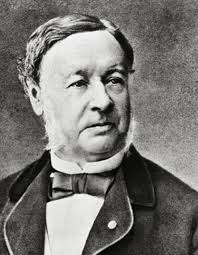
Who was Anton van Leeuwenhoek? What did he discover?
He was a biologist that made lenses for microscopes.
He was a biologist that found "animalcules" in pond water, we call them bacteria.
He discovered a way to split cells.
He was a biologist that enjoyed looking at cells.
Who was Robert Hooke? What did he identify?
He was a scientist who invented the telescope.
He was a biologist that was the first to identify cells under a microscope.
He developed the Cell Theory.
He was the first person every to look under a microscope.
The following is a statement from the Cell Theory. True or False: All cells come from preexisting cells.
True
False
The following is a statement from the Cell Theory. True or False: All living things are not made up of cells.
True
False
The following is a statement from the Cell Theory. True or False: Cells are a complex structure in living things.
True
False

Who coined the term "cell" by looking at cork?
Hooke
Leeuwenhooke
Schwann
Virchow
Who is the scientist that studied plants under a microscope and realized all plants are made of cells?
Hooke
Virchow
Schwann
Schleiden
What is the name of the scientist who studied animal cells and realized all animals are made of cells?
Leeuwenhooke
Schwann
Virchow
Hooke
What is the name of the scientist who provided research proving cells come from other cells?
Hooke
Schleiden
Leeuwenhooke
Virchow
___________ made his own microscope and discovered bacteria. He called them "animalcules".
Hooke
Leeuwenhooke
Schwann
Schleiden
How did the microscope influence the development of cell theory?
Let to them asking more questions and making more discoveries.
Allowed scientist to investigate plants and animals in their world.
Realized that living things are made of cells.
All of the above.

Which scientist contributed to the 3rd part of the cell theory
Matthias Schleiden
Robert Hooke
Rudolf Virchow
Theodor Schwann
What did Matthias Schleiden observe?
Plant Cells
Animal Cells
Bacteria
What did Theodore Schwann observe?
Plant Cells
Animal Cells
Bacteria
Where did Rudolf Virchow say cells came from?
Previous Cells
Free-Cell Formation
What are the 3 parts to the cell theory?
All organisms are composed of one or more cells.
The cell is the basic unit of structure.
All cells come from preexisting cells.
There are only plant and animal cells.

First scientist to see cells under a microscope and call them cells
Matthias Schleiden
Robert Hooke
Theodor Schwann
Rudolf Virchow
Robert Hooke
Matthias Schleiden
Cell theory states that...
cells are the basic building block of life
cells are cool
cells are microscopic
cells cannot be destroyed
Lastly cell theory states....
cells don't do much
cells are microscopic
all living things are made up of cells (either unicellular or multicellular)
bacteria aren't cells
There are three tenets of the Cell Theory. Which of the following is NOT a tenet?
Cells are the basic structure and function of life.
All living things are made of one or more cells.
The cell is the basic unit of matter.
All cells come from preexisting cells.
The German scientist, ________ concluded all animals are made up of cells.
Matthais Schleidon
Theodore Schwann
Rudolf Virchow
Anton Van Leeuwenhoek
Robert Hooke
Which of the following is NOT made up of cells?
snowflake
earthworm
tree
human
Which scientist concluded that all cells come from other cells?
Schleidon
Hooke
Leeuwenhoek
Virchow
Which instrument is credited for helping scientists develop cell theory?


Which statement was NOT included in cell theory?
All living things are composed of cells.
Living cells come only from other living cells.
Each cell contains a cell membrane, cytoplasm, nucleus, mitochondria, and endoplasmic reticulum.
Cells are the smallest structure of living things that can perform the functions necessary for life.
Who noted that all animals are made of cells and helped write the first two parts of cell theory?
Rudolf Virchow
Anton van Leeuwenhoek
Theodor Schwann
Robert Hooke
Who discovered that all cells come from other living cells and had research that lead to the last major principle of cell theory?
Matthias Schleiden
Theodore Schwann
Robert Hooke
Rudolf Virchow
What is the basic structural and functional unit of all living things?
atom
cell
bacteria
animalcules
All cells -----
come from other dead cells
come from other living cells
crystallize out of the air

All living things are made of cells
Cell Theory Part 1
Cell Theory Part 2
Cell Theory Part 3
Cell Theory Part 4
The cell is the most basic unit of structure and function
Cell Theory Part 1
Cell Theory Part 2
Cell Theory Part 3
Cell Theory Part 4
All cells come from pre-existing cells
Cell Theory Part 1
Cell Theory Part 2
Cell Theory Part 3
Cell Theory Part 4
Said that all plants are made of cells
Hooke
Virchow
Schleiden
Schwann
Said that all animals are made of cells
Hooke
Virchow
Schleiden
Schwann
Proposed that all cells come from other cells
Leeuwenhoek
Schleiden
Schwann
Virchow

In 1839, who was the German physician that added to the cell theory by finding all animals were made of cells?
Anton van Leeuwenhoek
Robert Hooke
Matthias Schleiden
Theodor Schwann

In 1838, who was the German botanist that found that all plants were made of cells?
Matthias Schleiden
Theodor Schwann
Rudolf Virchow
Robert Hooke

Who came up with the name "cells" while looking at a slice of cork under a microscope?
Matthias Schleiden
Anton van Leeuwenhoek
Robert Hooke
Rudolf Virchow
Which of the following is NOT made up of cells?
snowflake
earthworm
tree
human

Name the 3 parts of the Cell Theory
1. All nonliving things are composed of
cells
2. Cells are the basic unit of structure
and function in living things
3. All cells are produced by existing
cells
1. All living things are composed of
cells
2. Cells are the basic unit of structure
and function in living things
3. All cells are produced by existing
cells
1. All living things are composed of
cells
2. Cells are the secondary unit of structure
and function in living things
3. All cells are produced by existing
cells
1. All living things are composed of
cells
2. Cells are the basic unit of structure
and function in nonliving things
3. All cells are produced by existing
cells
Made of more than one cell
Eukaryotic
Unicellular
Multicellular
Prokaryotic
Made of one cell
Multicellular
Prokaryotic
Eukaryotic
Unicellular
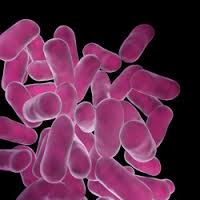

What type of cell has no nucleus?
prokaryotic
eukaryotic
plant
animal
A characteristic that all living organisms have in common is they
need similar food.
have the same life span.
live in the same climate.
are made of cells.

The picture shows a ladybug on the petal of a flower. Both the ladybug and the flower
have wings.
have antennae.
are made of cells.
are supported by stems.
What type of organisms does the cell theory apply to
bacteria
multicellular organisms
plants and animals
all of the above
There are three tenets of the Cell Theory. Which of the following is NOT a tenet?
Cells are the basic structure and function of life.
All living things are made of one or more cells.
The cell is the basic unit of matter.
All cells come from preexisting cells.
What are the two types of cells?
Prokaryotic & Eukaryotic
Bacteria & Eukaryotic
Eukaryotic
Animal & Plant
Prokaryotic cells do not have_____.
DNA
Cell Membrane
Cytoplasm
Nucleus
Which is not true of the cell theory?
All living organisms are composed of cells.
All cells have a nucleus, which acts like the brain of the cell.
All cells come from preexisting living cells.
The cell is the most basic part of a living organism.

