
NEW
Font size
 Worksheets
Effects of Force on Motion
Total questions: 43
Worksheet time: 22mins
What can happen to an object's motion when a force is applied to it?
The object's motion can speed up.
The object's motion can disappear.
The object's motion can become constant.
The object's motion can become unpredictable.
Which of the following is a possible effect of applying force to an object?
The object's motion can slow down.
The object can become invisible.
The object can change color.
The object can become heavier.
When a force is applied, what can happen to the direction of an object's motion?
The object's motion can change direction.
The object's motion can become circular.
The object's motion can become stationary.
The object's motion can become erratic.
What is a load in the context of structures?
The weight of an object itself
The force exerted on the surface of an object
The internal force within an object
The speed of an object
What is an example of an external force acting on a structure?
A person standing on a bridge
A book on a shelf
Snow on a roof
All of the above
What is an example of an external force applied to a structure?
Friction
Gravity
Internal tension
Elasticity
What must an object be supported at to withstand external forces like gravity?
Its base
Its top
Its center of gravity
Its sides
What are the two types of external forces mentioned in the document?
Dead load and Live load
Static load and Dynamic load
Permanent load and Temporary load
Fixed load and Variable load
What is a dead load?
A temporary force acting on the structure
A permanent force acting on the structure
A force that changes with time
A force that acts only during construction
Which of the following is an example of a dead load?
Wind pressure on a building
Furniture inside a building
The structure itself
People moving inside a building
What is a live load in the context of external forces on a structure?
A permanent force on the structure
A non-permanent force on the structure
A force that is part of the structure
A force that never changes
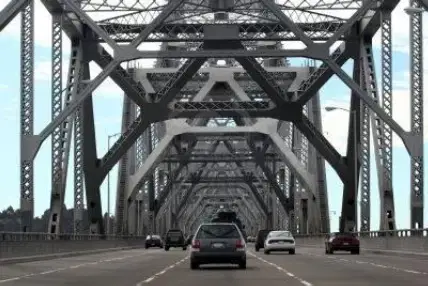
Which of the following is an example of a live load?
The weight of the structure itself
The foundation of the building
The weight of people, furniture, snow
The walls of the building
What is deformation in the context of structures?
A change in color of a structure
A change in a structure’s shape or size due to a force
The process of building a structure
The decoration of a structure
What can deformation indicate about a structure?
That the structure is new
That the structure is stressed
That the structure is colorful
That the structure is old
What can deformation result in for a structure?
Only repairable damage
Only a complete failure
Either repairable damage or a complete failure
No effect at all
Why must engineers understand external and internal forces?
To design more colorful structures
To prevent structural failure due to these forces
To make structures taller
To reduce the cost of construction
What is an internal force?
A force that acts on an object from the outside
A force that acts on an object from the inside
A force that does not cause deformation
A force that only acts on liquids
What can internal forces cause in a structure?
Stability
Deformation
Expansion
Cooling
When designing a structure, what is important to consider about materials?
Their color
Their ability to conduct electricity
Their ability to withstand internal forces
Their weight
Which of the following is NOT a type of internal force?
Tension
Torsion
Friction
Compression
How many types of internal forces are mentioned?
Three
Four
Five
Six
Which of the following is a type of internal force?
Gravity
Shear
Magnetism
Buoyancy
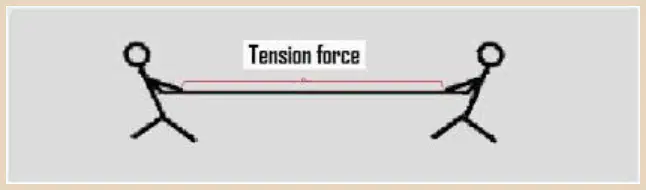
What is tension?
A force that acts to compress objects
A force that acts to stretch or pull objects apart
A force that acts to rotate objects
A force that acts to push objects together
Which of the following is an example of an object under tension?
A compressed spring
A squeezed sponge
An elastic band
A solid rock
What happens to materials when they fail under tension?
They melt
They fracture or tear
They expand
They become magnetic

What is torsion?
A force that compresses an object
A force that stretches an object
A force that twists an object by turning the ends in opposite directions
A force that bends an object
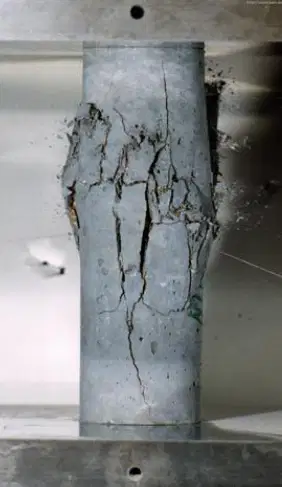
What is compression?
A force that acts to pull an object apart.
A force that acts to squeeze an object or parts of an object together.
A force that acts to twist an object.
A force that acts to stretch an object.
What happens to materials when they fail under compression?
They expand.
They melt.
They buckle.
They evaporate.
Which material is mentioned as having high compressive strength?
Wood
Plastic
Concrete
Glass

What is shear force?
A force that compresses materials together
A force that bends or tears a material by pressing different parts in opposite directions at the same time
A force that stretches materials apart
A force that rotates materials

What happens to materials when they fail under shear?
They melt
They expand
They tear or fracture
They become magnetic
What is bending a combination of?
Push and twist
Pull and twist
Push and pull
Twist and turn

Which of the following is an example of an object that can be bent?
Metal rod
Ruler
Brick
Stone
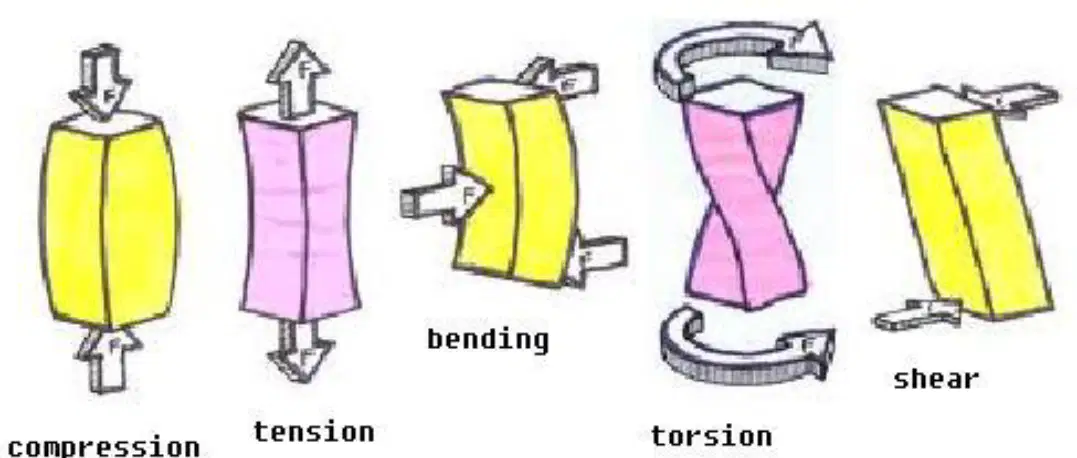
What type of force is shown when an object is being pushed together?
Tension
Compression
Shear
Torsion
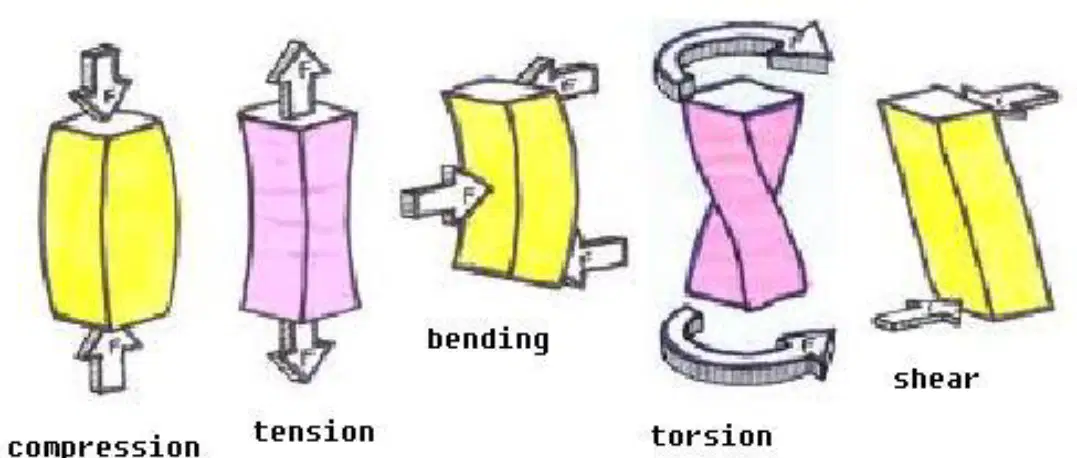
Which force involves pulling an object apart?
Tension
Compression
Bending
Shear
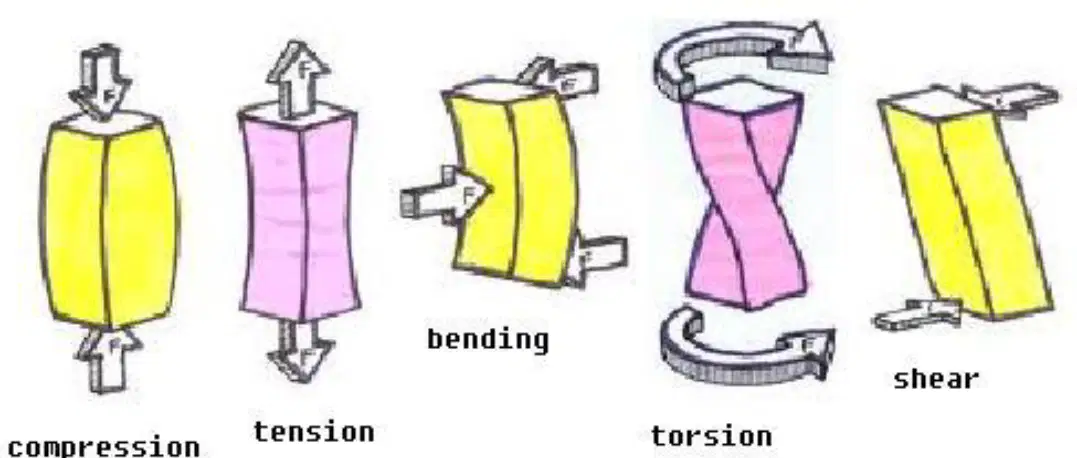
What type of force is applied when an object is twisted?
Bending
Shear
Torsion
Compression
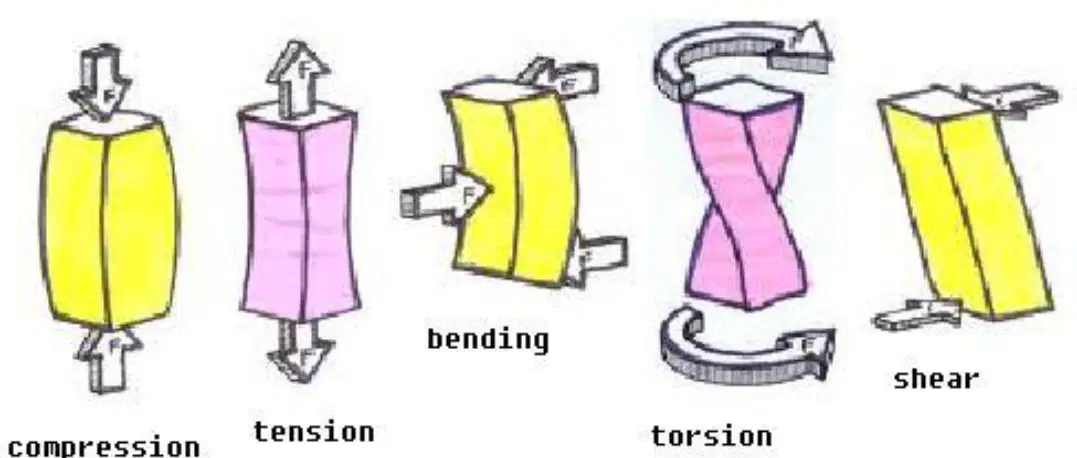
Which force is demonstrated when an object is bent?
Bending
Torsion
Shear
Compression
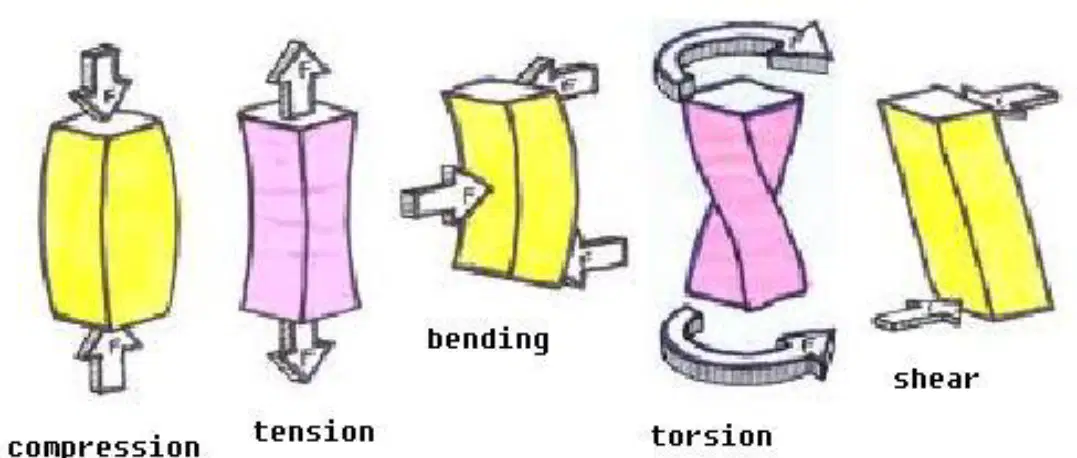
What type of force occurs when layers of material slide past each other?
Compression
Tension
Shear
Torsion
Does each of the following describe a live load or dead load: clothes hanging on a clothesline, flapping in the wind?
Live load
Dead load
Neither
Both
Does each of the following describe a live load or dead load: student sitting on a desk?
Live load
Dead load
Neither
Both
Does each of the following describe a live load or dead load: the weight of a car?
Live load
Dead load
Neither
Both
Does each of the following describe a live load or dead load: passengers riding in a car?
Live load
Dead load
Neither
Both
Does each of the following describe a live load or dead load: children running on a kitchen floor?
Live load
Dead load
Neither
Both

