
 Worksheets
Nuclear Physics-Quiz
Total questions: 20
Worksheet time: 10mins

According to the graphic, how does bird vision differ from human vision?
Birds see fewer colors than humans
Birds see the same colors as humans
Birds see more colors than humans
Birds see only black and white
Who is credited with discovering the atom in 1803?
John Dalton
Democritus
Albert Einstein
Isaac Newton
What particles are found in the nucleus of an atom?
Protons and neutrons
Electrons and protons
Neutrons and electrons
Protons and electrons
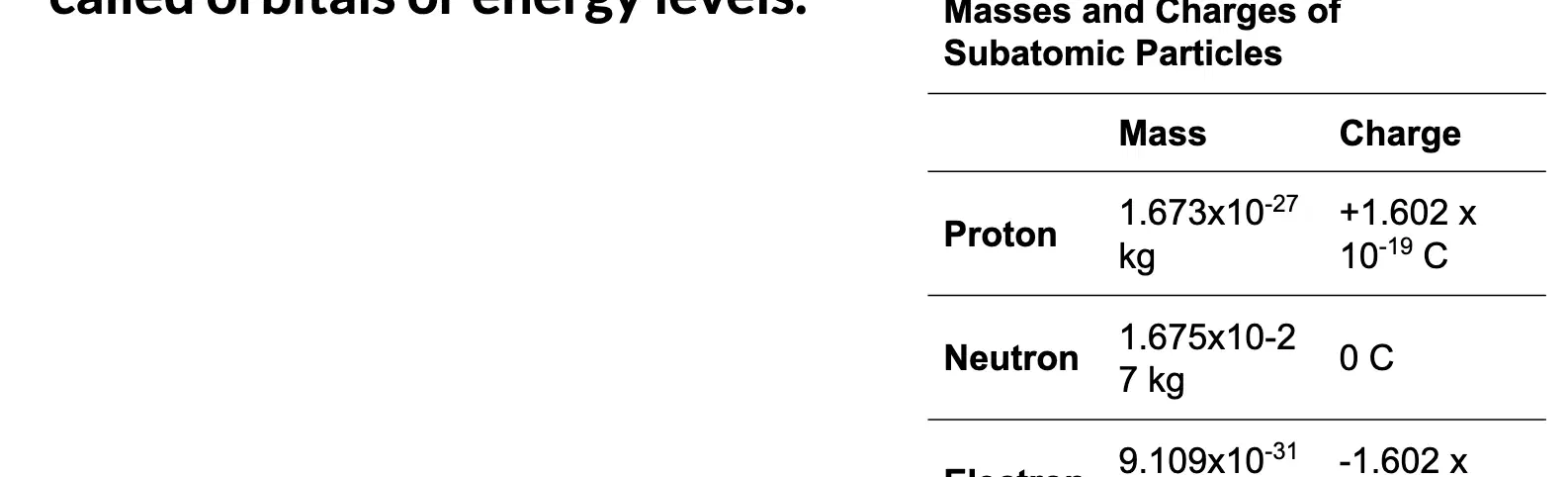
What is the charge of a proton?
+1.602 x 10^-19 C
0 C
-1.602 x 10^{-19} C
+1.602 x 10^{-18} C
Where are electrons found in an atom?
In orbitals or energy levels
In the nucleus
In the proton cloud
In the neutron field
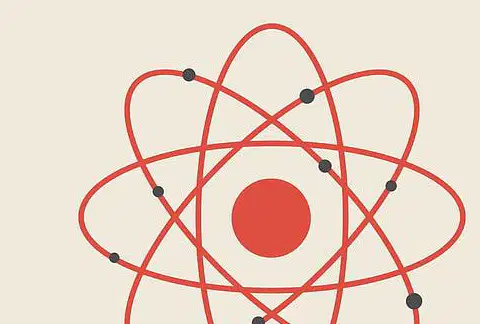
What is the central part of an atom called?
Electron
Proton
Neutron
Nucleus
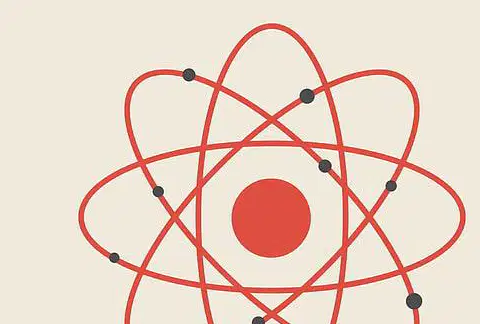
Which subatomic particle orbits around the nucleus of an atom?
Proton
Neutron
Electron
Atom
Who discovered electrons in 1897 using a cathode ray and magnets?
Albert Einstein
J.J. Thomson
Isaac Newton
Marie Curie
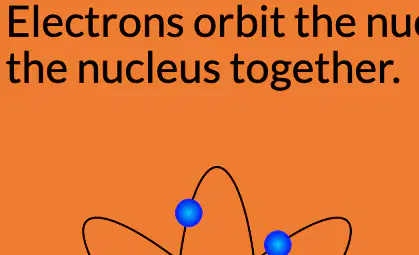
What is the role of electrons in chemical reactions?
They are tightly bound to the nucleus
They are loosely attached and "buzz" around
They do not participate in reactions
They hold the nucleus together
What charge do protons have?
Negative
Neutral
Positive
No charge
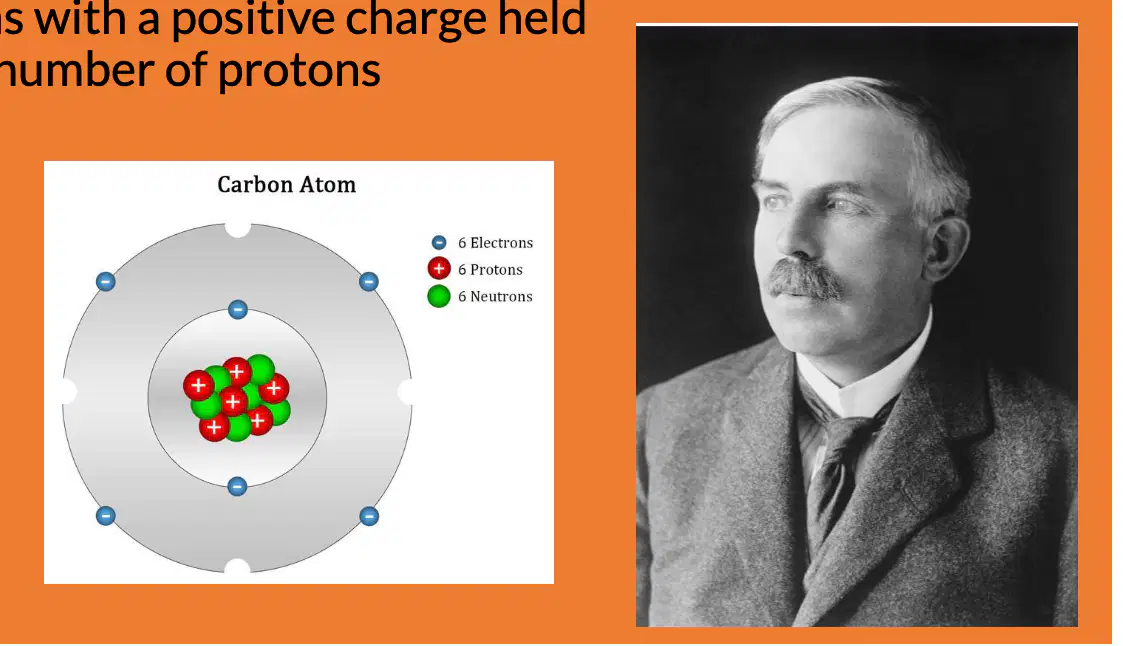
What determines an atom's "identity"?
Number of electrons
Number of protons
Number of neutrons
Atomic mass
Who discovered neutrons in 1932?
Albert Einstein
Niels Bohr
James Chadwick
Marie Curie
What charge do neutrons have?
Positive
Negative
Neutral
Variable
What determines an atom's atomic mass?
The number of electrons
The size or mass of the neutron
The charge of the protons
The number of atoms
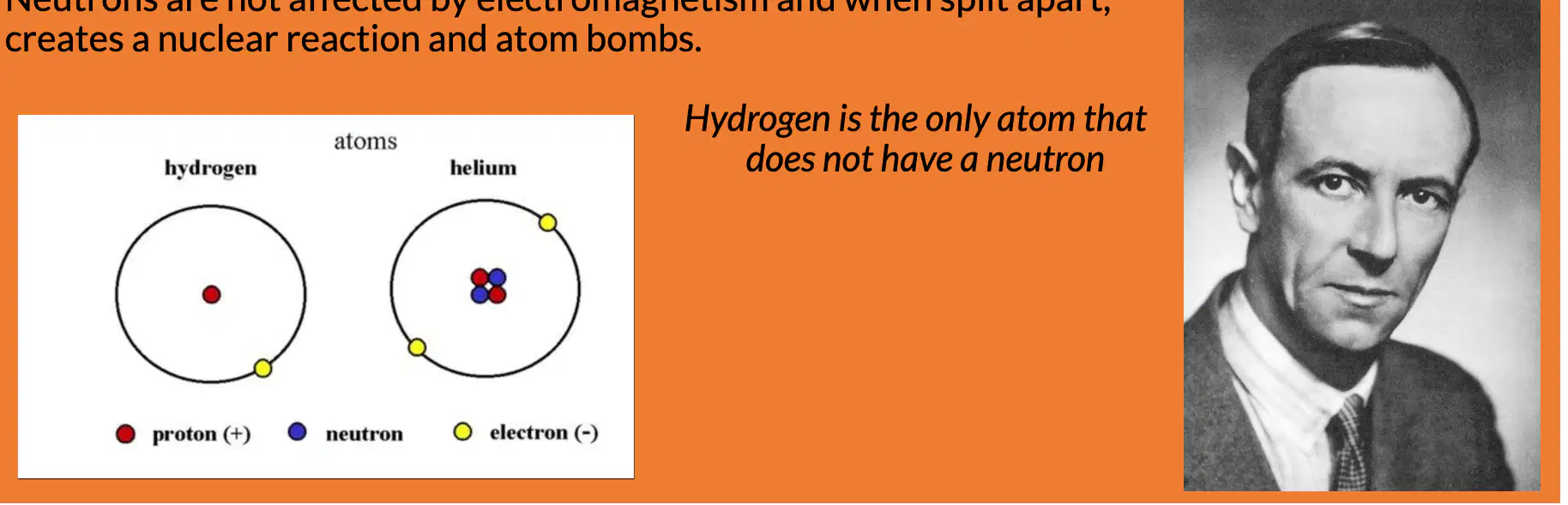
Which atom does not have a neutron?
Helium
Carbon
Oxygen
Hydrogen
Who theorized the concept of quarks in 1964?
Albert Einstein
Niels Bohr
Murray Gell-Mann
Isaac Newton
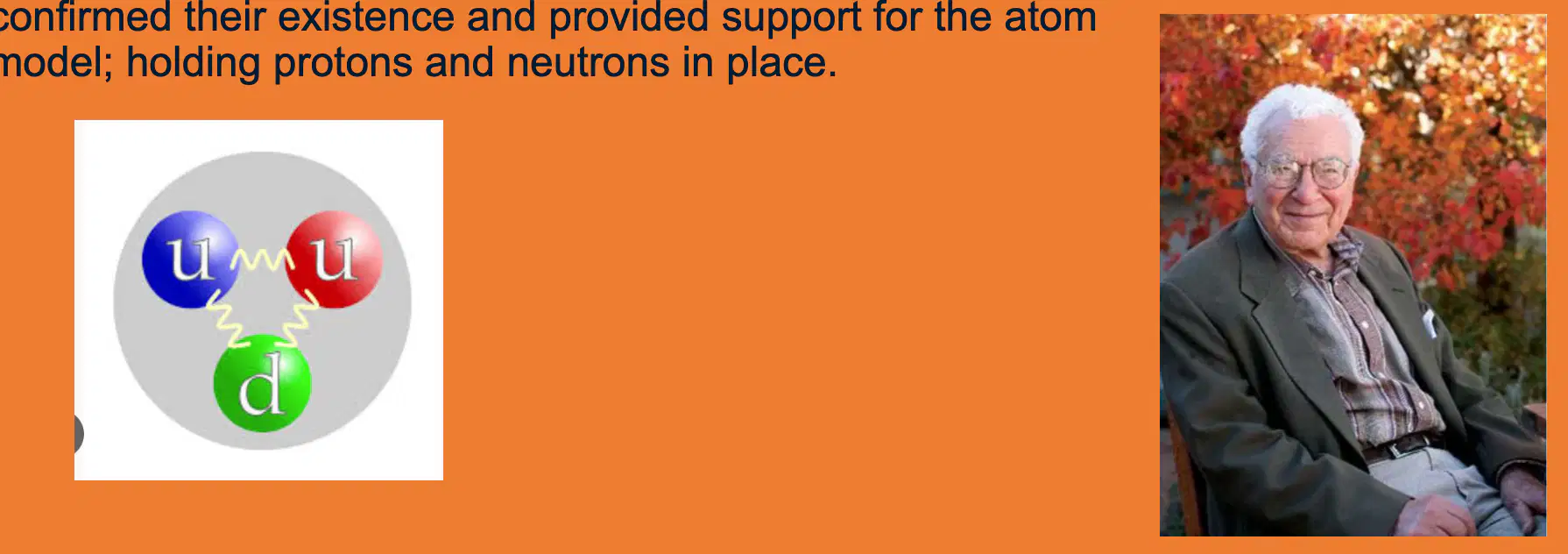
What role do quarks play in the atom model?
Holding electrons in place
Holding protons and neutrons in place
Holding molecules together
Holding atoms together
What is a characteristic of neutrinos?
They have a strong electrical charge.
They are made up of smaller particles.
They are nearly massless.
They are held together by a strong force.
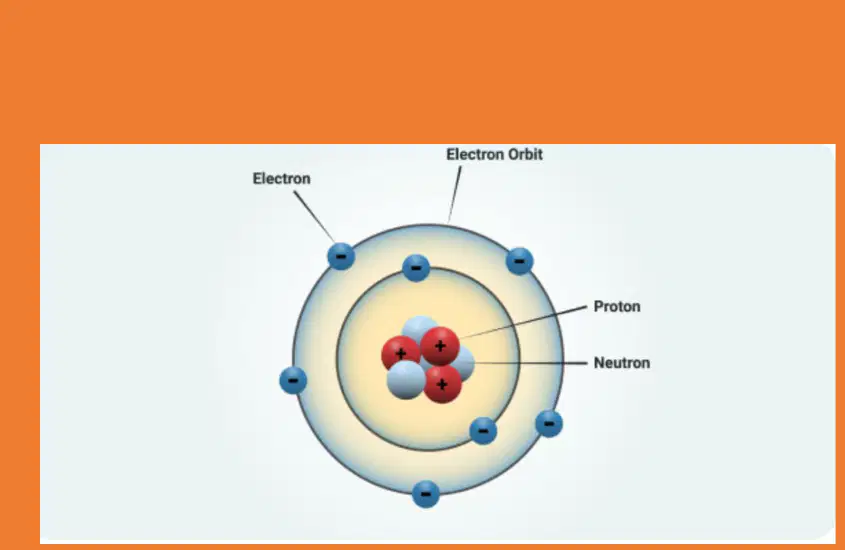
According to the Bohr model, what happens when an electron transitions between energy levels?
It remains in the same energy level
It absorbs or emits a photon
It loses its charge
It becomes a proton
What are photons?
Particles of sound that carry energy.
Particles of light and electromagnetic radiation that carry energy.
Particles of matter that carry energy.
Particles of heat that carry energy.

