
NEW
Font size
 Worksheets
REVIEW Physics Spring Semester Exam
Total questions: 40
Worksheet time: 20mins

Which graph shows constant acceleration?
A horizontal line on a velocity-time graph
A straight diagonal line on a velocity-time graph
A curved line on a position-time graph
A flat line on a position-time graph
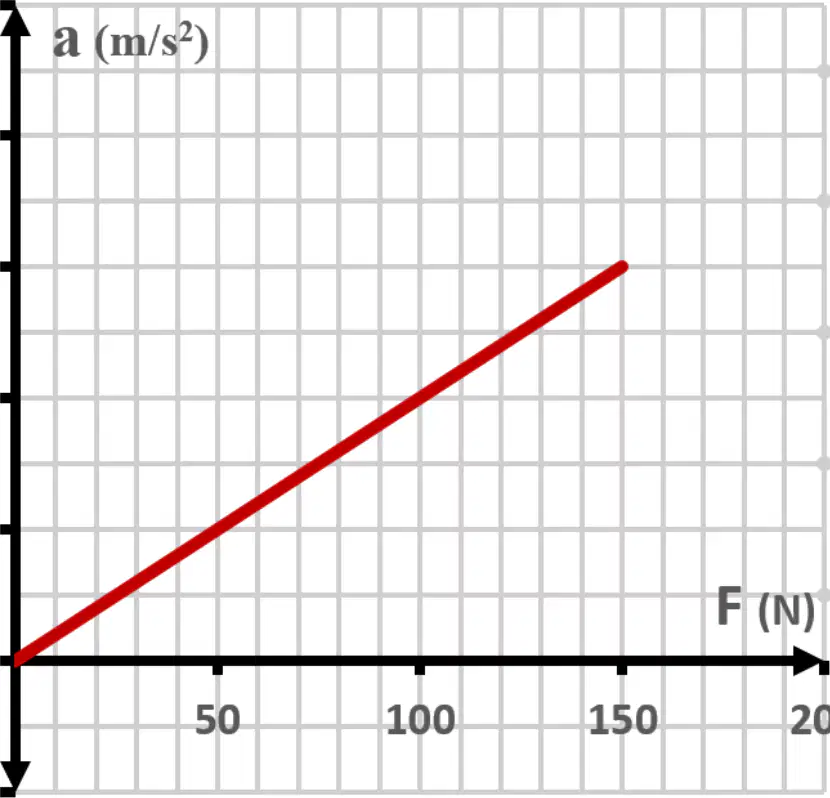
What happens to the acceleration of an object if the net force is doubled?
It is halved.
It doubles.
It stays the same.
It becomes zero.
Which of the following is true about mass and weight?
Mass depends on location, weight doesn’t
Weight is a force, mass is not
Mass is measured in newtons
Weight and mass are the same thing

An object in free fall near Earth has:
Constant velocity
Constant acceleration
Zero acceleration
Increasing mass
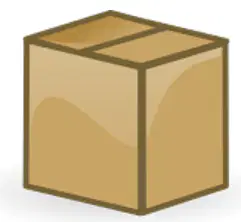
A student pushes a box and it doesn’t move. What force balances the push?
Gravity
Friction
Air resistance
Normal force

Which of the following best describes inertia?
A force that keeps objects moving
Resistance to changes in motion
The tendency to slow down
A property of only heavy objects
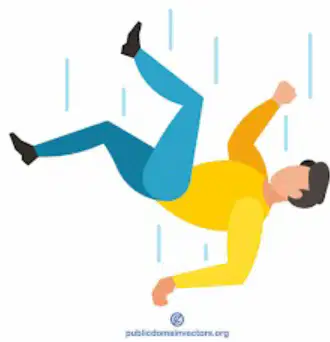
What is the direction of acceleration for an object in free fall?
Up
Down
Horizontal
It has no direction

What is the net force acting on a 10 N object sitting at rest on a table?
10 N
0 N
-10 N
Depends on the object
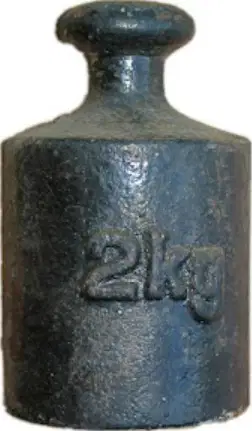
What is the force of gravity acting on a 2 kg mass on Earth? (use 10 m/s² for gravity) (f=ma)
2 N
10 N
20 N
0 N
Which situation involves balanced forces?
A car slowing down
A ball falling
A rocket launching
A book at rest on a table
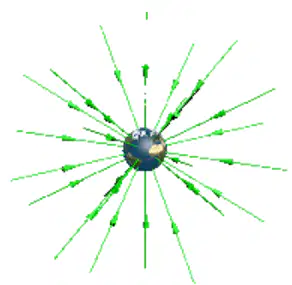
The acceleration due to gravity on Earth is approximately:
9.8 m/s
11 m/s
9.8 m/s²
11 m/s²
Which of the following describes terminal velocity?
Acceleration increases as speed increases
Air resistance equals weight
Object stops falling
Gravity becomes zero

Which quantity changes when you go to the Moon?
Mass
Inertia
Weight
Volume
What must happen for an object to accelerate?
It must change direction
A net force must act on it
It must gain speed
Its velocity must remain constant
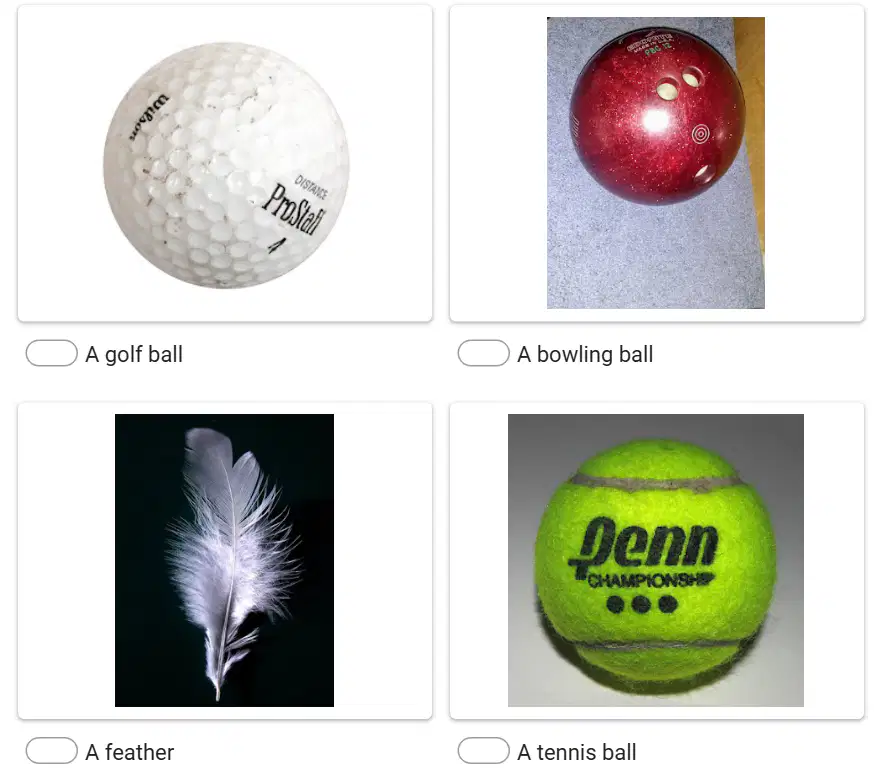
Which of the following objects would have the most inertia? Mark only one oval.
A golf ball
A bowling ball
A feather
A tennis ball
When a ball is thrown straight up, what is its velocity at the highest point? Mark only one oval.
0 m/s
9.8 m/s
10 m/s
It is still increasing
What does a horizontal line on a velocity-time graph represent?
Constant velocity
Constant acceleration
Object at rest
Constant position
Why does a projectile continue moving forward after it’s launched?
Air resistance
Gravity
Inertia
Acceleration

Two objects with different masses are dropped from the same height. Ignoring air resistance, they will:
Fall at different speeds
Hit the ground at the same time
Fall slower as they go
Accelerate differently
Which factor does not affect the amount of air resistance an object experiences?
Speed
Surface area
Shape
Mass
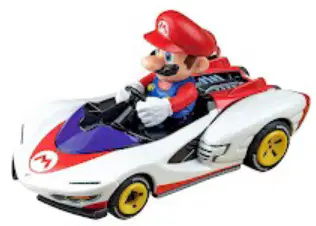
A car travels 300 m in 20 seconds. What is its speed? Speed=distance/time
10 m/s
15 m/s
20 m/s
25 m/s
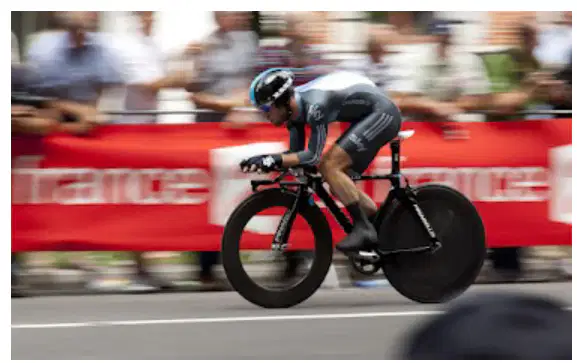
A bike accelerates from 2 m/s to 10 m/s in 4 seconds. What is the acceleration?
2 m/s²
4 m/s²
6 m/s²
8 m/s²
What is the force on a 4 kg object accelerating at 3 m/s²?
7 N
12 N
1.3 N
9 N
What is the weight of a 6 kg object? Weight = mass × gravity (use 10 m/s² for gravity)
60 N
6 N
600 N
10 N

How far does a car travel at 25 m/s for 4 seconds? Distance = Speed × Time
50 m
75 m
100 m
5.13 m
A net force of 20 N causes a box to accelerate at 4 m/s². What is its mass?
5 kg
10 kg
80 kg
16 kg
An object slows from 18 m/s to 6 m/s in 3 seconds. What is its acceleration?
Acceleration = (Final Velocity – Initial Velocity) ÷ Time
4 m/s²
-4 m/s²
-6 m/s²
6 m/s²
You run 400 m in 50 seconds. What is your speed? Speed = Distance ÷ Time
4 m/s
6 m/s
8 m/s
10 m/s
An object of 10 kg is pushed with 30 N of force. What is the acceleration? Acceleration = Force ÷ Mass
2 m/s²
3 m/s²
0.3 m/s²
4 m/s²
A bus travels at 15 m/s for 10 seconds. How far does it go? Distance = Speed × Time
150 m
100 m
75 m
200 m
Which of the following best defines a circuit?
A wire that stores electricity
A closed loop allowing electric charge to flow
A device that blocks electric flow
An open loop connected to a battery
What component in a circuit provides energy?
Resistor
Light bulb
Switch
Battery
In which type of circuit will all components stop working if one fails?
Parallel circuit
Open circuit
Series circuit
Short circuit
Which material is typically used to carry electric current in a circuit?
Plastic
Rubber
Wire
Glass
What is the unit for electric current?
Volts
Ohms
Watts
Amperes
According to Ohm’s Law (V = I × R), what is the current in a circuit with 12 V and a 4 Ω resistor? Use the formula I = V / R.
4
4/12
3
48
In a parallel circuit, what remains the same across each branch?
Resistance
Voltage
Current
Power
What is the total resistance of a series circuit with three 3Ω resistors? Use the formula Rtotal = R1 + R2 + R3
3 Ω
6 Ω
9 Ω
12 Ω
What is the total resistance in a parallel circuit with resistors of 4 Ω and 6 Ω? Use the formula 1/Rtotal = 1/R1 + 1/R2
1.5 Ω
2.4 Ω
5 Ω
10 Ω
Which circuit type is used in household wiring to keep devices working independently?
Open circuit
Series circuit
Short circuit
Parallel circuit

