
NEW
Font size
 Worksheets
Year 7 AP3 - Timbers
Total questions: 30
Worksheet time: 15mins
What is the main difference between hardwoods and softwoods?
Hardwoods come from coniferous trees, softwoods from deciduous trees
Hardwoods come from deciduous trees, softwoods from coniferous trees
Hardwoods are always harder than softwoods
Softwoods are more expensive than hardwoods
Which of the following is a manufactured board?
Oak
Pine
MDF (Medium Density Fibreboard)
Beech
Which property describes how well a material can resist being scratched or dented?
Durability
Hardness
Toughness
Flexibility

Which of the following is a typical use for softwood?
Flooring
Furniture frames
Outdoor decking
Paper production
What does the term 'durability' mean when talking about timber?
How easily it can be bent
How long it lasts before breaking down
How heavy it is
How shiny it looks
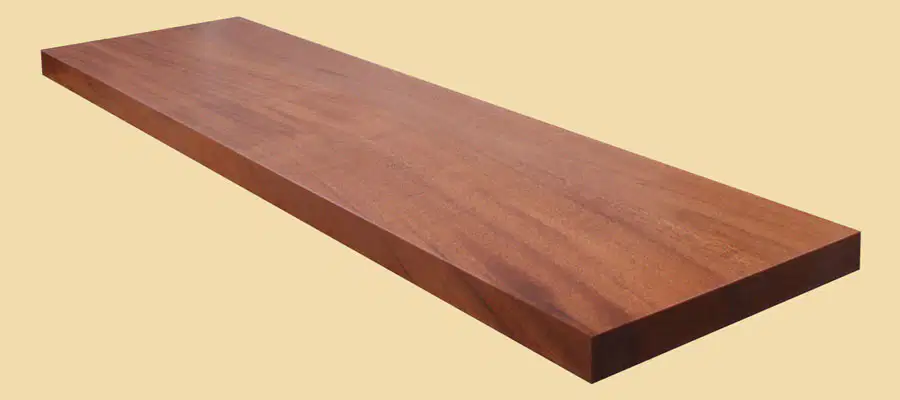
Which of the following is a hardwood?
Spruce
Cedar
Mahogany
Fir
What is a design brief?
A list of materials needed for a project
A detailed drawing of a product
A short statement explaining what a product must do
A set of instructions for making a product
Which of the following is NOT a property of timber?
Toughness
Conductivity
Hardness
Durability
Which of these is an advantage of natural timber over manufactured board?
More consistent in appearance
Usually stronger and more durable
Cheaper to produce
Made from recycled materials
What is a specification in design and technology?
A list of possible colours for a product
A detailed list of requirements a product must meet
The price of a product
The name of the designer
Which of the following is a disadvantage of natural timber compared to manufactured board?
It is more likely to warp or twist
It is made from recycled wood
It is always lighter
It is more water-resistant
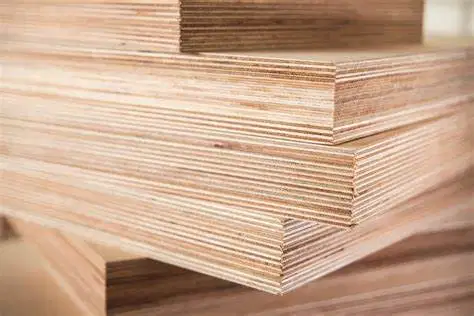
Which manufactured board is made by gluing thin layers of wood together?
Chipboard
Plywood
MDF
Blockboard
Which property describes a material’s ability to absorb energy and not break?
Hardness
Toughness
Flexibility
Elasticity
Which of the following is a typical use for hardwoods?
Cheap furniture
High-quality flooring
Paper pulp
Temporary structures
Which of these is a disadvantage of manufactured boards?
They are more likely to split along the grain
They are usually heavier than natural timber
They can release harmful chemicals if not handled properly
They are always more expensive
Which of the following is a softwood?
Ash
Beech
Pine
Mahogany
What is the main raw material for MDF?
Thin sheets of wood
Wood fibres and resin
Solid timber planks
Metal shavings
Which property is most important for a chopping board?
Flexibility
Hardness
Transparency
Elasticity
Which of the following is an advantage of manufactured boards?
They are always stronger than natural timber
They are available in large, consistent sheets
They are always waterproof
They are made from only one type of wood
Which of these is a typical use for manufactured boards?
Outdoor fencing
Kitchen cabinets
Boat building
Railway sleepers
Which of the following is NOT a hardwood?
Oak
Beech
Spruce
Ash
What is the main reason for using manufactured boards in flat-pack furniture?
They are lighter than natural timber
They are easier to shape into curves
They are more stable and less likely to warp
They are always waterproof
Which of the following is a disadvantage of natural timber?
It is always available in large sheets
It can have knots and other defects
It is made from recycled materials
It is always uniform in colour
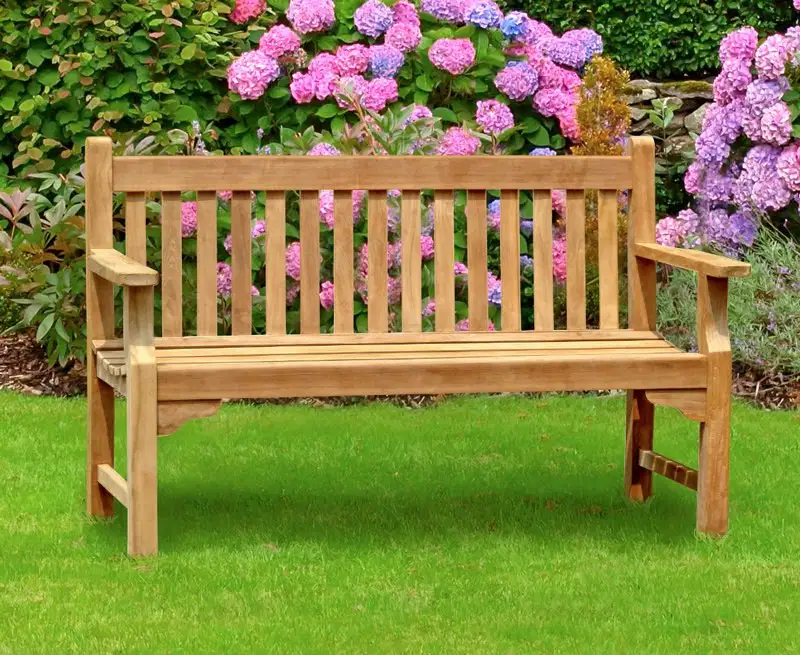
Which property is most important for a garden bench?
Durability
Transparency
Elasticity
Conductivity
Which of the following is a typical advantage of natural timber?
It is always cheaper than manufactured boards
It has a unique and attractive grain pattern
It is made from recycled wood
It is always lighter than manufactured boards
Which of the following is a property of manufactured boards?
They are always waterproof
They are made from layers or particles of wood
They are always heavier than natural timber
They are always flexible
Which of the following is a disadvantage of manufactured boards?
They are more likely to warp than natural timber
They can be damaged by water if not sealed properly
They are always more expensive than hardwoods
They are always lighter than softwoods

Which of the following is a typical use for chipboard?
Outdoor decking
Kitchen worktops (with a laminate finish)
Boat hulls
Window frames
Which of the following is a reason why manufactured boards are often used in schools?
They are always more attractive than natural timber
They are available in large, flat sheets that are easy to cut
They are always waterproof
They are always lighter than hardwoods
Which of the following best describes the property of 'toughness' in timber?
The ability to resist scratching
The ability to absorb impact without breaking
The ability to bend easily
The ability to conduct electricity

