
 Worksheets
Renewable Resources Review
Total questions: 49
Worksheet time: 28mins

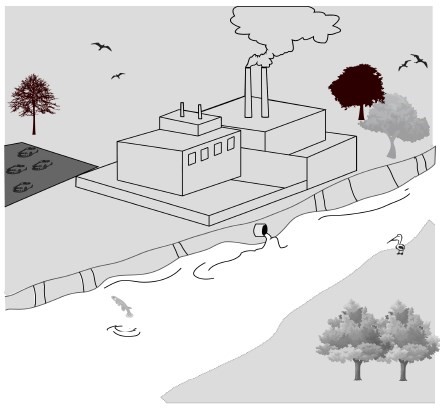

Claim: the consumption of natural resources by humans has a negative impact on the environment. What data would provide evidence for this claim?
Increased human lifespan and increased ice cap size
Increased human population and decreased habitats for plants and animals
Increased consumption of resources by humans and increased biodiversity (variety) in nature
Increased of fossil fuel burning by humans and decreased use of other resources
As the human population increases, so does the consumption of natural resources. What are some ways this impacts natural ecosystems and environments?
negative impact
positive impact
habitat loss
environmental pollution
The _____________ the human population, the ______________ the amount of resources being used.
greater, greater
greater, least
least, greater
least, least

Which is not a fossil fuel
Petroleum
Nuclear
Natural Gas
Coal

Which of the following is renewable
Petroleum
Natural Gas
Coal
Hydroelectric
Which of the following resources are carbon-based and were formed by once living things
Nuclear
Solar
Fossil Fuels
Geothermal

Kentucky Dam is an example of which type of renewable energy?
Hydroelectric
Solar
Geothermal
Wind
Which of the following is not a product made from Petroleum
Diesel Fuel
Plastics
Kerosene
Corn Oil
Which species has the greatest ability to impact our environment?
Humans
Cattle
Elephants
Whales
Which is an advantage of renewable energy
Renewable energy is sustainable
Renewable energy does not produce Carbon Dioxide
Renewable resources do not produce as much pollution
All of these
Which is not true about fossil fuels
They are limited
We are using them up faster than nature can produce them
They are more expensive that renewable energy
They produce carbon dioxide when burned
Which of the following is a renewable resource?
Coal
Minerals
Petroleum (oil)
Sunlight (solar)
Why do some power plants use fossil fuels to make electricity?
Fossil fuels are better for the environment
Fossil fuels slow down global climate change
Fossil fuels are less expensive than other power sources
Fossil fuels are renewable
Which of the following is a source of air pollution? (Select all that apply)
Coal
Nuclear
Solar
Biomass
Which of the following is an advantage of using hydroelectric power?
It doesn't harm the environment.
It doesn't pollute.
It is nonrenewable.
It only works during the daytime.
Which BEST explains what scientists are referring to when they use the term conservation?
nonliving parts of the environment
living organisms in the environment
health of the living organisms in the environment
protection, management, and renewal of resources
Which will most likely occur if fossil fuels continue to be used globally as the primary energy resource?
The amount of available food will increase.
The amount of pollution in the oceans will decrease.
The amount of greenhouse gases in the atmosphere will increase.
The amount of health concerns affecting the human population will decrease.
Some environmentally friendly options have negative consequences. Which is a correct example?
Hybrid cars use less gasoline, but their batteries are difficult to recycle.
Nuclear power plants use renewable fuel, but their waste is radioactive.
Coal power plants use non renewable energy, but they don't make any air pollution.
Which of the following is NOT true about greenhouse gases?
Using petroleum as an energy source releases greenhouse gases.
Burning coal does not release greenhouse gases.
Greenhouse gases lead to global climate change.
Carbon dioxide is the most common greenhouse gas.
Which of the following is NOT true about hydropower?
It is powered by gravity.
Dams release the water and it turns a turbine.
It doesn't cause any damage to the environment.
It uses a renewable energy source.
Which of the following is an example of humans practicing conservation?
Flushing the toilet more often.
Running smaller, more frequent loads of laundry
Letting the faucet run while brushing teeth
Collecting water in rain barrels to irrigate gardens
Which is NOT a way to conserve natural resources?
Run the dishwasher only when it's full
Take longer showers
Unplug small electronics when they're done charging
Use reusable containers when possible
Which of the following is true about using fossil fuels for energy? (Check ALL that apply)
They are nonrenewable, and will eventually run out.
They produce greenhouse gases like CO2
They cause global climate change (increase in global temperature)
They take millions of year to be created
Which energy source relies on the energy of atoms breaking up and releasing radioactive energy?
Solar
Wind
Petroleum (oil)
Uranium (nuclear)
Which energy sources come from fossil fuels? (Check ALL that apply)
Petroleum (oil)
Coal
Uranium (nuclear)
Wind
Which energy source is likely to increase in use over the next 100 years?
Petroleum (oil)
Coal
Solar
Biomass
Biomass energy can come from all of the following except which one?
Using enzymes to ferment corn and produce ethanol as fuel
Using bacteria to release methane from animal waste as a fuel
Burning wood to provide heat
Burning natural gas for heat water and turn a turbine
Which of the following is a renewable resource?
Oil
Coal
Water
Natural gas
Which of the following is a nonrenewable resource?
Coal
Wood
Water
Sunlight
Where do fossil fuels come from?
The gas station
They are the remains of plants and animals that have been compressed and heated over a long period of time
From a hydroelectric power station
It is form by plate boundaries compressing rock over time
What are natural resources?
Materials or substances that are artificially created
Man-made materials that are used by humans
Materials or substances that occur naturally in the environment and are used by humans
Materials or substances that are harmful to the environment
What is an advantage of renewable resource?
They are cost effective
They are able to be used in all locations
They are replenished within a lifetime
They can be used up if they are not conserved
What is coal?
power generated by harnessing the energy from the
movement of wind
energy that comes from extreme heat within Earth
energy produced by atomic reactions through nuclear fission
a solid energy resource produced from plant remains
What is Natural Gas?
energy produced from the movement of flowing water
power produced by harnessing the energy from the Sun’s rays
formed from the remains of small marine plants and animals
buried under heat and pressure
a flammable fossil fuel composed primarily of methane, but it also includes other hydrocarbons.
What is hydropower?
energy that comes from extreme heat within Earth
energy produced from the movement of flowing water
formed from the remains of small marine plants and animals
buried under heat and pressure
energy from recently living organisms such as leaves or plants -
can be burned to release energy
As the number of people increases, the amount of resources available for each person decreases.
True
False
What is a disadvantage in renewable resources?
Some resources are not available everywhere or can be accessed equally
All resources cause pollution and smog
Some resources are cheap and cheaply made

