
NEW
Font size
 Worksheets
The 14th and 15th Centuries
Total questions: 26
Worksheet time: 13mins

Ferdinand and Isabella banned which of the following religious groups from their country?
Buddhists
Muslim Moors
Christians
Hindus
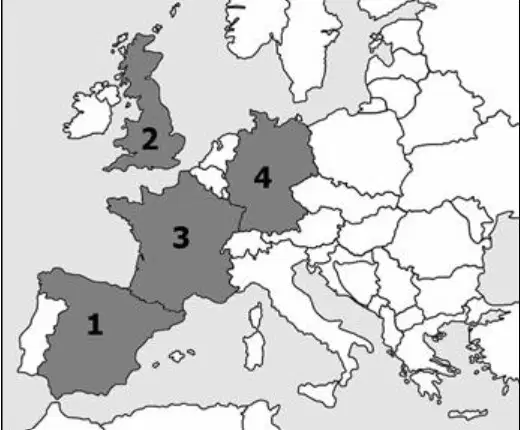
William the Conqueror is from which European country on the map?
1
2
3
4
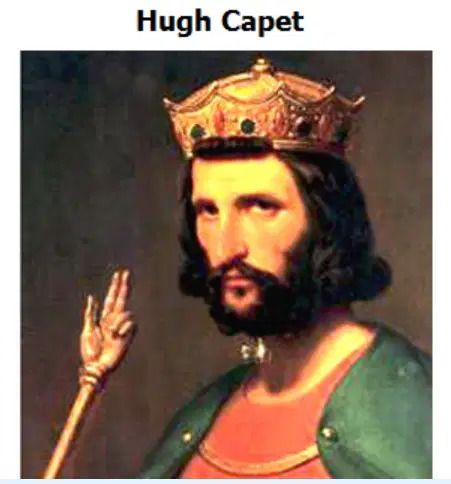
The man in the photo ruled which European country?
France
England
Spain
Portugal
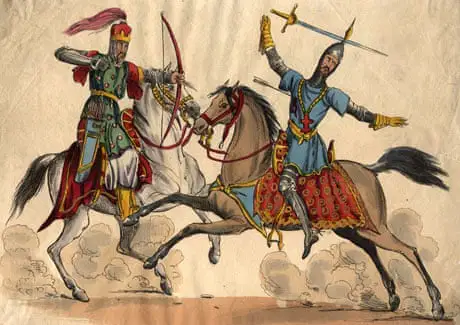
What was the objective of the crusades?
Strengthen the feudalistic system
Defeat Muslims and reclaim Spain
To reclaim Jerusalem from Muslims
End the Hundred Years' War
Which of the following statements below best explains the following quote. The crusades were: "history's most successful failure."
The Crusades brought the end of the Byzantine Empire
They prevented the Ottoman Turks from conquering Constantinople
Even though the Crusaders won the holy land, they were unsuccessful at bringing in democratic reforms
The Crusades ultimately did not reach their goal, but in turn caused major positive changes in Europe
The Mongols did NOT invade which of the following places?
Russia
Ottoman Empire
China
Asia Minor
Which of the following was an outcome of the Crusades?
Mongols lost their land to the Byzantine Empire
Increased trade between the Middle East and the West
The two churches reunited
The West gained more power
Which of the following groups from the Middle Ages were the most educated?
Serfs
Freeman
Knights
Clergy
Church scholars translated Greek and Arabic works into which language?
English
Spanish
Greek
Latin
European monasteries laid the foundation for which of the following?
Universities
guilds
favelas
markets
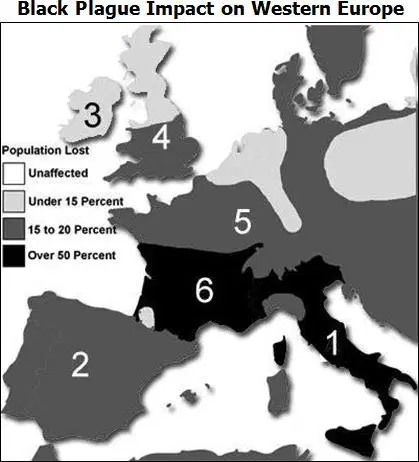
According to the map, which regions were most affected by the Black Plague?
6 and 5
3 and 4
1 and 3
1 and 6
Which of the following is another name for the Black Death?
Death Epidemic
Flea Epidemic
Bubonic Plague
Poison of the Rats
Why did Italian cities such as Venice and Genoa become significant following the Crusades?
Banking centers
Access to major trade routes between Europe and Asia
religious freedom
Large population of workers
In which European country did the Renaissance begin?
Egypt
England
Spain
Italy
Renaissance is known as the rebirth of what?
Good health following the Black Plague
Christian devotion
Art and learning
chivalry and tournaments
Which of the following best summarizes the Renaissance?
A religious theory about how the universe was created
A time of change in politics, art, society, and economics
A region in Europe that became immensely populated in the 17th century
A time period of scientific advances and exploration
Which was an effect of the European Renaissance?
Collapse of the Catholic Church in Rome
The Protestant Reformation
The end of the Pope's rule in Europe
The Great Awakening

Which of the following Renaissance philosophers is known for this quote: "the end justifies the means?"
Thomas More
Plato
Martin Luther
Nicolo Machiavelli

Which artist painted the Sistine Chapel?
Donatello
Michaelangeo
Raphael
Leonardo
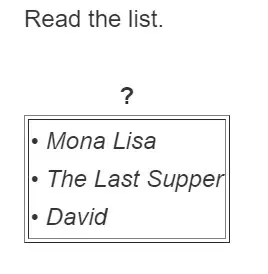
What is the best title for this list?
Medieval Literature
Medieval Artwork
Renaissance Literature
Renaissance Artwork
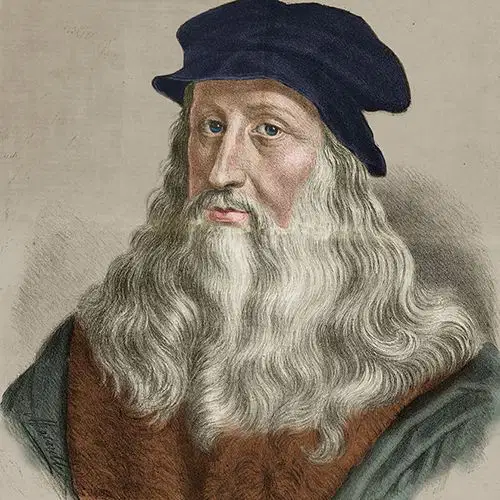
Which of the following is one of Leonardo Da Vinci's best known achievements?
David
The Prince
Mona Lisa
Eutopia
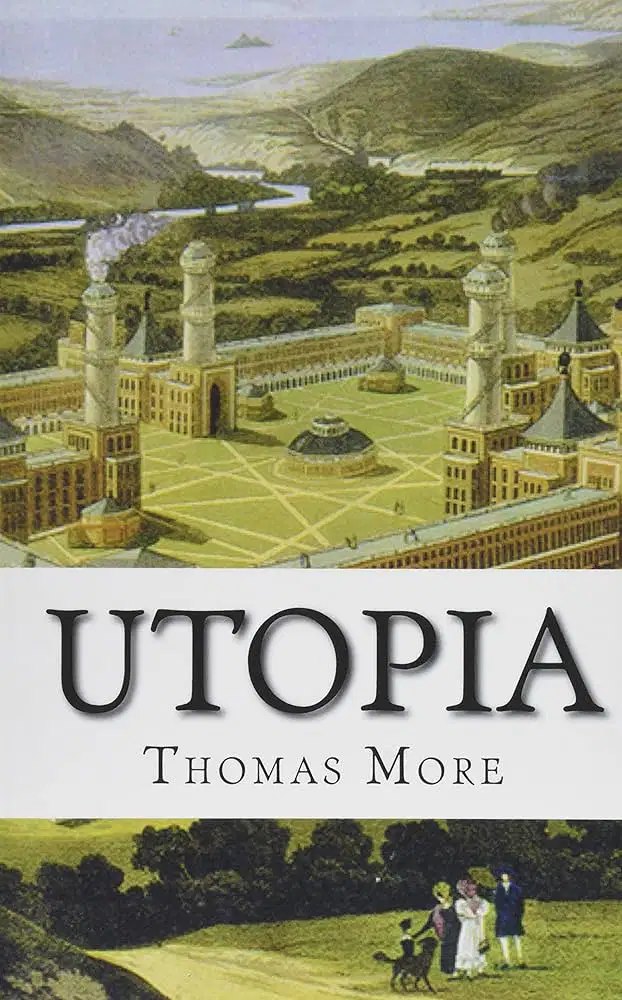
Utopia written by Thomas More centered on which of the following?
Ideal society
Ideal religion
Ideal family relationships
Ideal leadership

How did Johan Gutenberg influence the spread of ideas?
Teaching theories of Humanism
Supporting the Scientific Revolution
Creating universities for all type of social statuses to attend
His invention of the printing press
Which of the following is the correct definition of a "patron?"
A wealthy supporter of the arts
A leader of the Humanist movement
A religious missionary
A female scientist
What occurred as a result of the massive printing of books during?
Renaissance ideas spread throughout Europe
Renaissance artwork spread across Europe
Renaissance artwork spread across Asia
Renaissance ideas spread throughout Asia
Philosophers from Northern Europe combined Humanist ideas with which of the following?
Christianity
Paganism
Islamic law
Manorial system

