
 Worksheets
3003 LO4 08 RCDs Voltage Current & Equipment Class Measurement
Total questions: 18
Worksheet time: 9mins
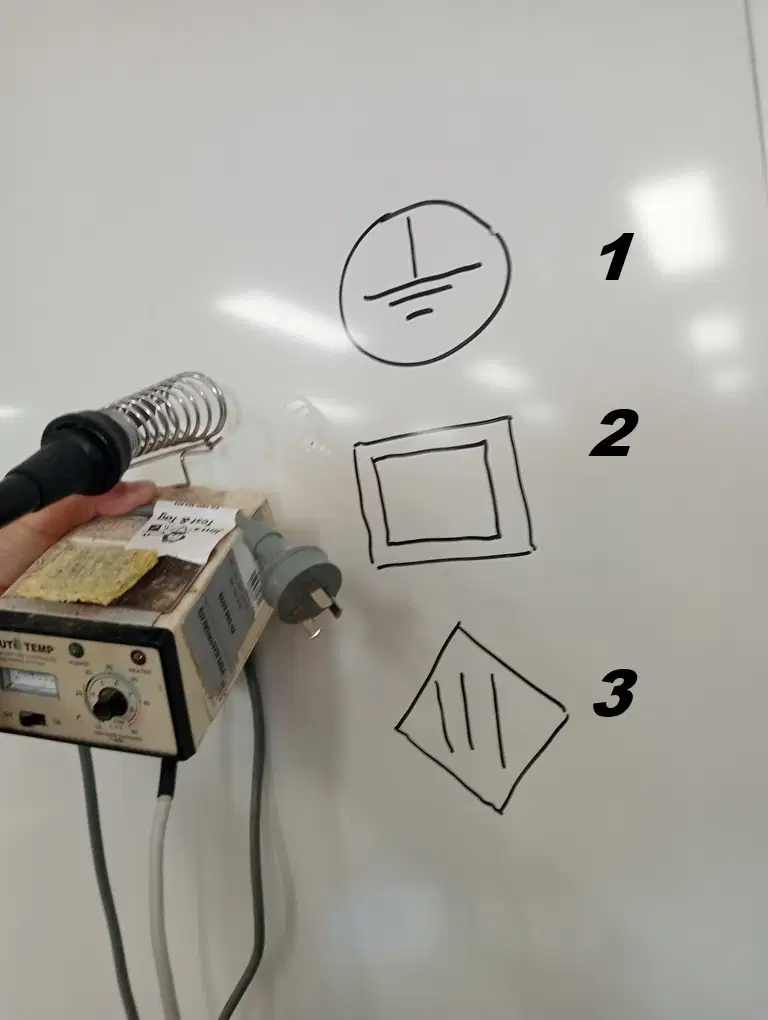
What symbol would represent the class of this appliance?
1
2
3
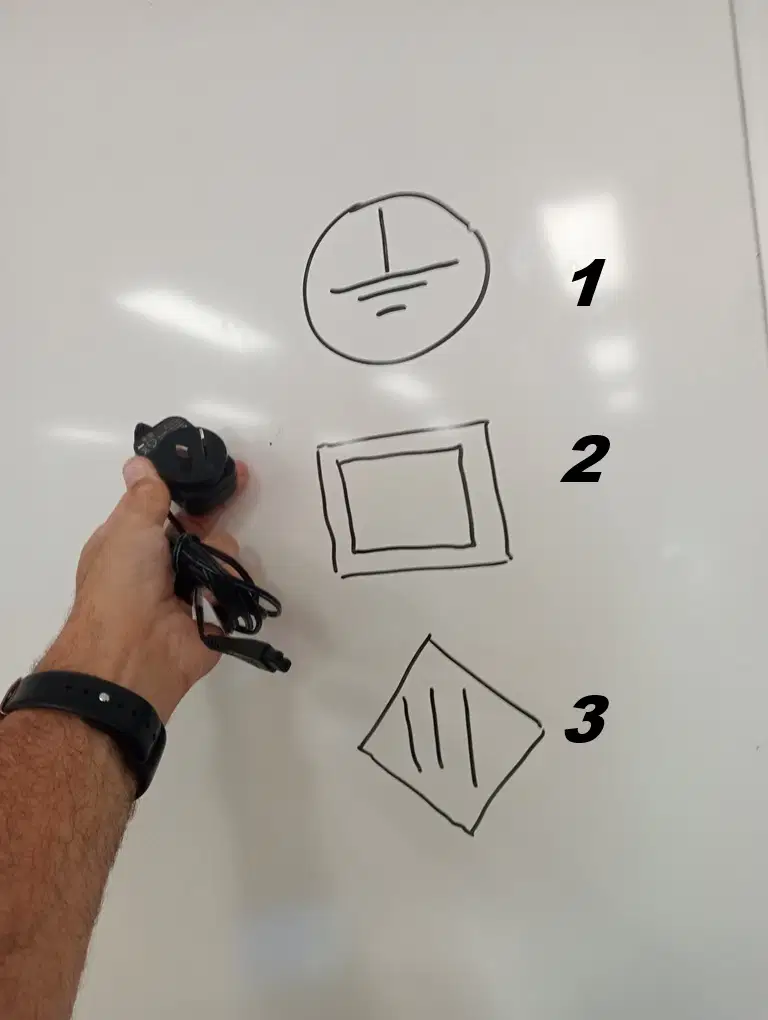
What symbol would represent the class of this appliance? (Charger for a razor)
1
2
3
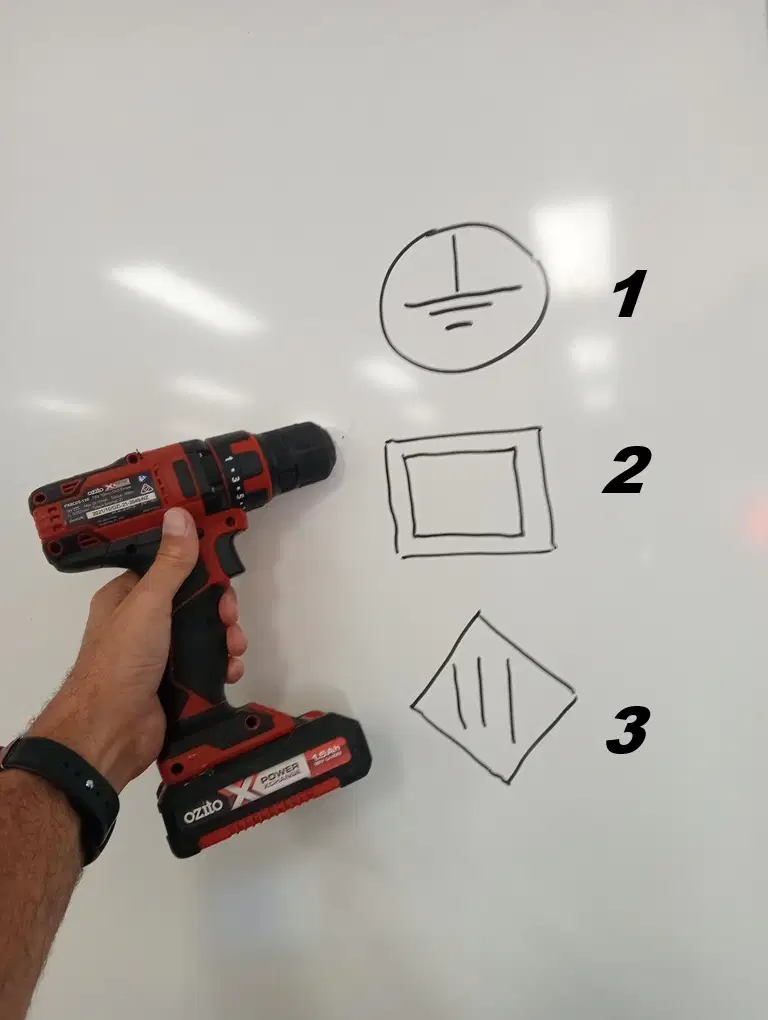
What symbol would represent the class of this appliance?
1
2
3
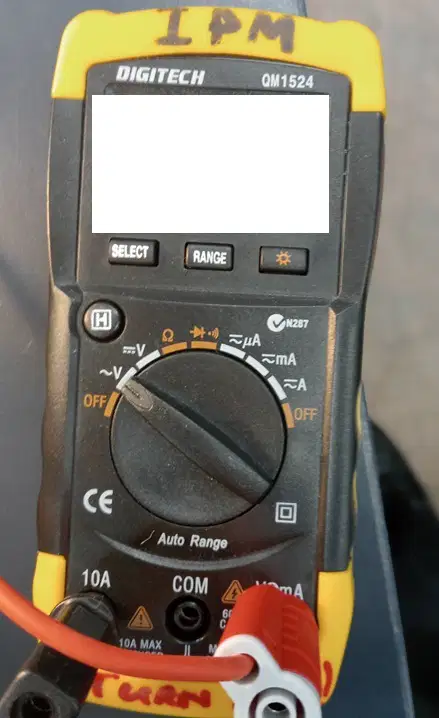
What would I read if I placed the leads in parallel with a light bulb on a 230 volt circuit?
Nothing, configuration incorrect causing damage
230 Volts AC
230 Volts DC
The load of the light bulb
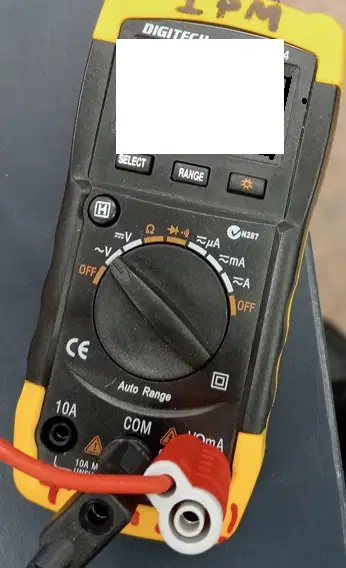
What would I read if I placed the leads in parallel with a light bulb on a 230 volt circuit?
Nothing, configuration incorrect causing damage
230 Volts AC
230 Volts DC
The load of the light bulb
What would I read if I placed the leads in parallel with a light bulb on a 230 volt circuit, but swapped the red and black lead with each other, on the meter?
Nothing, configuration incorrect causing damage
230 Volts AC
230 Volts DC
Negative 230 Volts AC
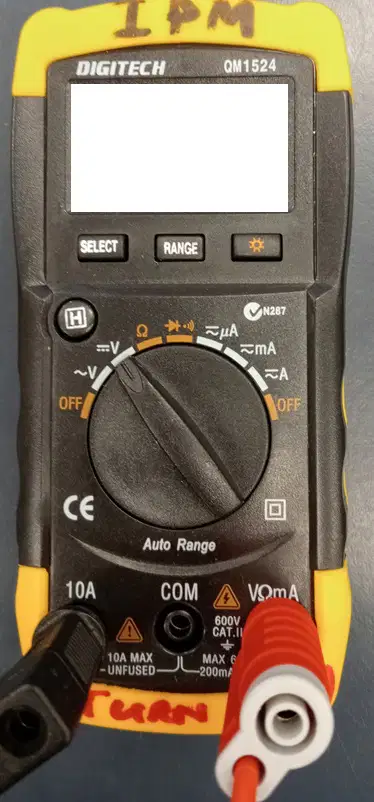
What would I read if I placed the leads in parallel with a light bulb on a 230 volt AC circuit?
230V DC
230V AC
0V DC as there is only AC on the circuit
Nothing, won't work
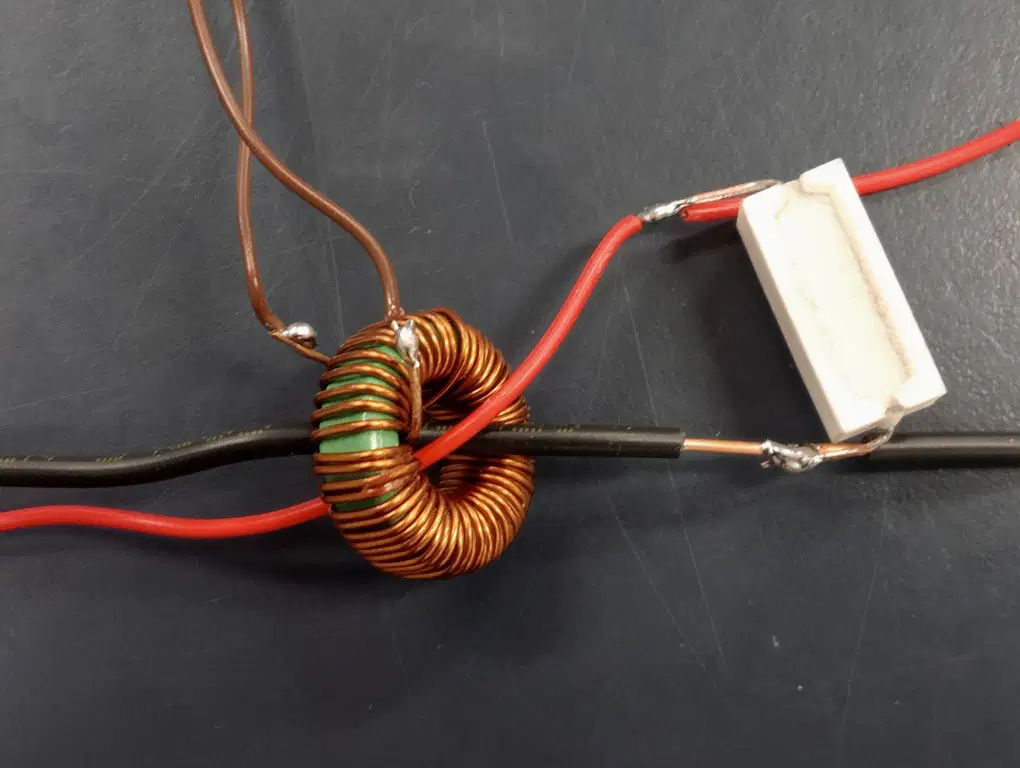
This is internal circuitry of an RCD, which is connected to a light bulb of about 100 Ohms. If the resistor is added (On the secondary side) for testing the RCD, would it trip if the resistor was 33K Ohms?
The RCD imbalanced detection current is too small
Yes
No. There is no imbalance between the phase and neutral
The resistor should have higher Resistance, over 100K Ohms, and then it would trip
The resistor value should be less than about 3.3 K Ohms, then it would trip.
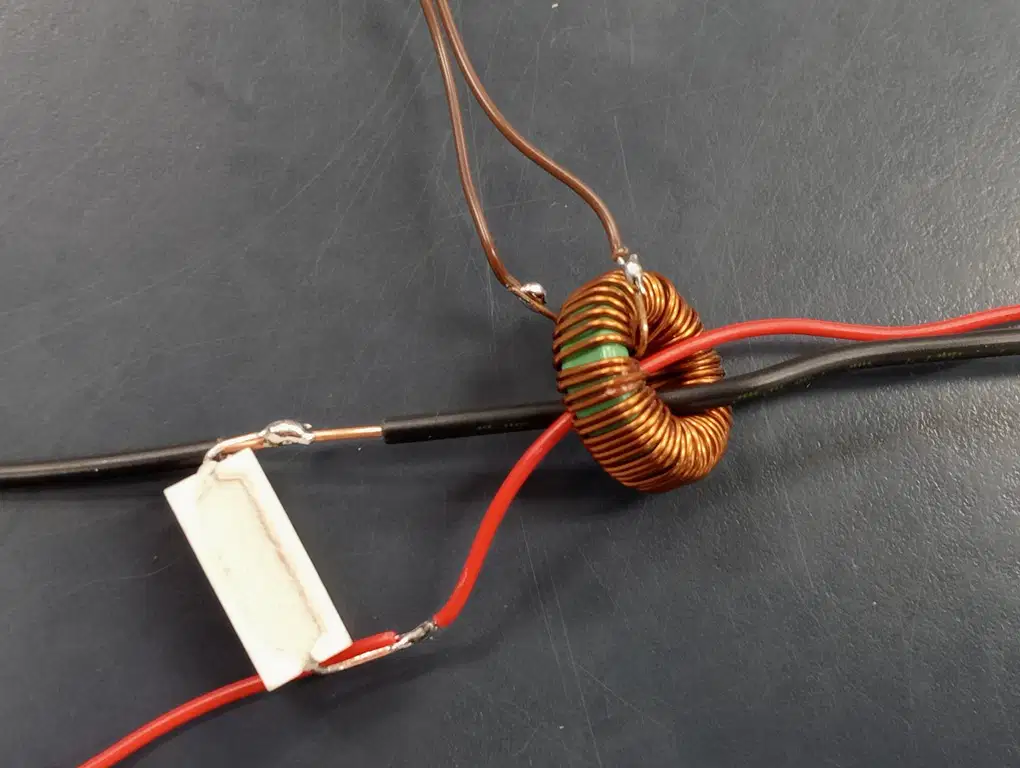
This is internal circuitry of an RCD, which is connected to a light bulb of about 100 Ohms. If a resistor is added (On the supply side) for testing, would the RCD trip if it was 33K Ohms?
The RCD imbalanced detection current is too small
Yes
No. There is no imbalance between the phase and neutral
The resistor should have higher Resistance, over 100K Ohms, and then it would trip
The resistor value should be less than about 3.3 K Ohms, then it would trip.
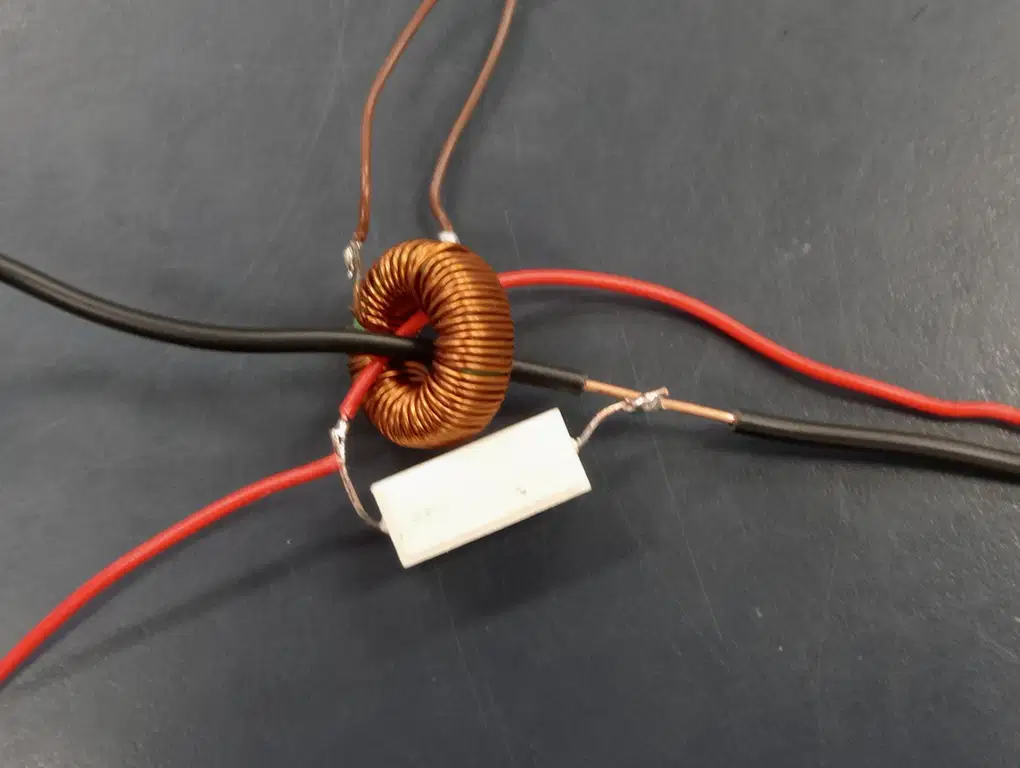
This is internal circuitry of an RCD, which is connected to a light bulb of about 100 Ohms. If a resistor is added for testing (connected around coil), would the RCD trip if it was 33K Ohms?
The RCD imbalanced detection current is too small
Yes
No. There is no imbalance between the phase and neutral
The resistor should have higher Resistance, over 100K Ohms, and then it would trip
The resistor value should be less than about 7.6 K Ohms, then it would trip.
This is internal circuitry of an RCD, which is connected to a light bulb of about 100 Ohms. If a resistor is added for testing (Around the coil), would the RCD trip if it was 1 K Ohms?
The RCD imbalanced detection current is too small
Yes
No. There is no imbalance between the phase and neutral
The resistor should have higher Resistance, over 100K Ohms, and then it would trip

Why would I measure from the plug earth pin to the metal body of the appliance?
To check continuity so that if there is a fault, the leaking current would flow through the earth wire.
To check resistance so that the voltage is not too low on the appliance
To check the current flow for heat loss
If I measure from the plug earth pin to the metal body of the appliance, what am I measuring?
Resistance, so that the current flow in event of a fault would not be hindered
To check resistance so that the voltage is not too low on the appliance
To check the current flow for heat loss
Current flow because current flows through the wire
When testing for resistance, doing a continuity test, what result should I get to "Test and Tag" an appliance
A resistance of less than 1 Ohm
A resistance of more than 1 Ohm
A resistance of less than 1 Mega Ohm
A resistance of more than 1 Mega Ohm

What does this meter do?
Measures insulation resistance. Makes sure no current leaks between the earth and any one of phase and neutral conductors
Measures maximum voltage of the appliance
Measures the resistance loss inside an appliance between phase and neutral
Measures the appliance voltage limit if there is a fault in the appliance
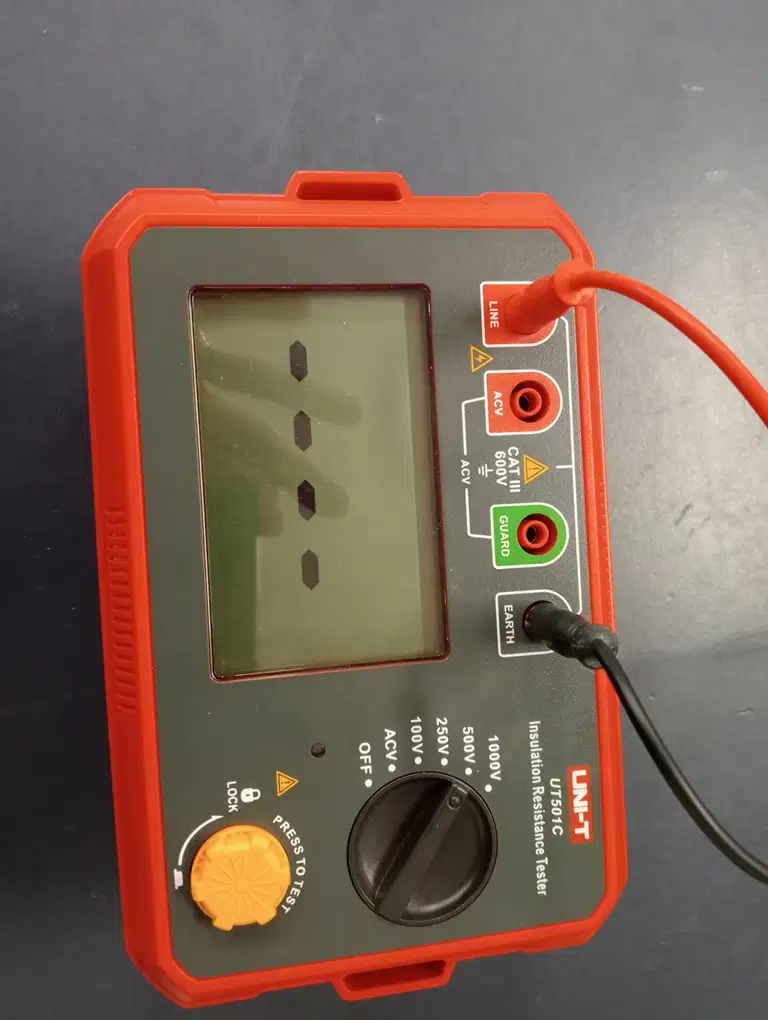
What voltage setting do we select, according to AS/NZS 3760, when testing the insulation resistance of an appliance?
100 V
250 V
500 V
1000 V
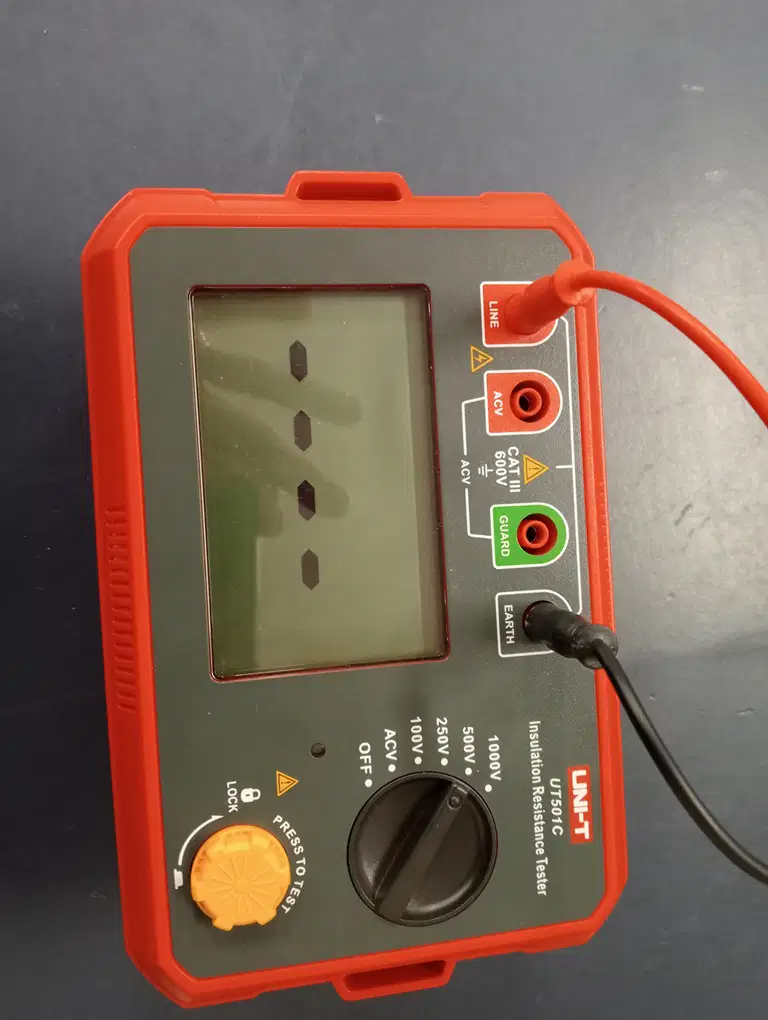
Why would the standard use 500 volts for testing insulation resistance of an appliance?
A 230 volt AC supply peaks at around 300 volts, so we need to test at a higher voltage to see if current is leaked
We don't, we use 250 volts
We don't, we use 100 volts
Current only leaks at 500 volts in the modern plastics that we use for appliances
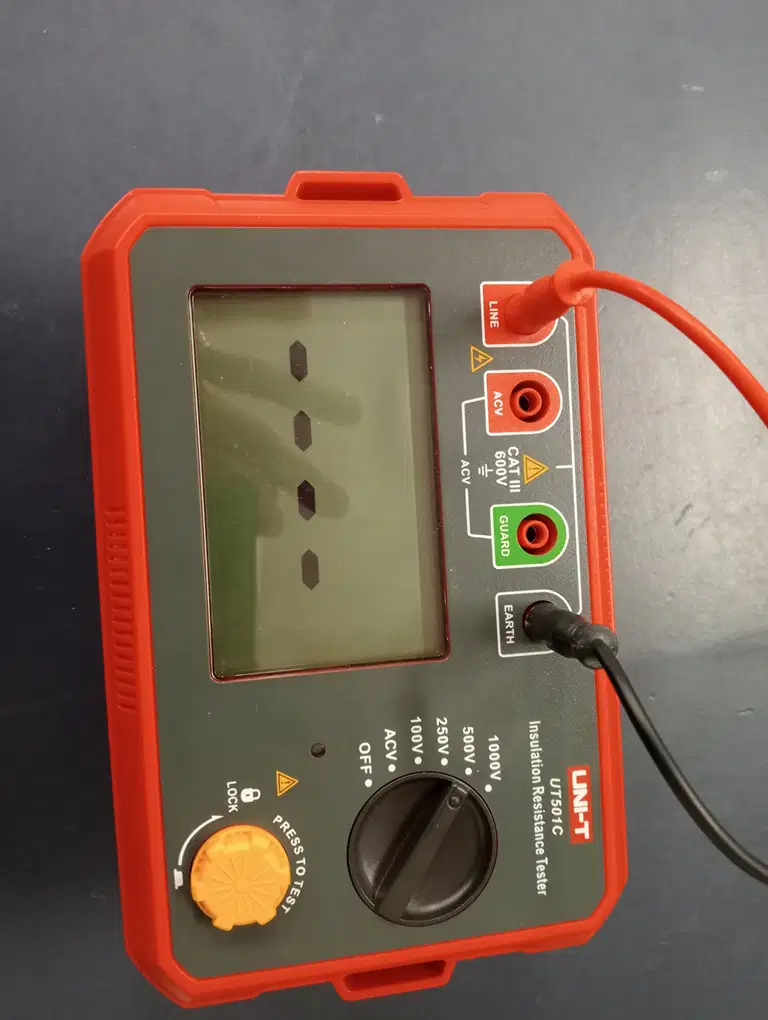
What reading would make this a pass for insulation testing?
The reading must be over 1 Mega Ohms to have as little current leaking as possible, because of the high resistance
The reading must be below 1 Mega Ohm so that some current can be detected in the meter
The reading must be below 1 Ohm as this is the standard for appliances laid out in AS/NZS 3760
The reading must be above 1 Ohm, so that the circuit can deliver enough current to trip the RCD
The reading must be less than 7666 Ohms.
230 Volts / 30mA = 7666 Ohms

