
Font size
 Worksheets
Types of Organisations BUSINESS ENVIRONMT MAY 25D TERM 1 WEEK 1
Total questions: 84
Worksheet time: 55mins
Which type of organisation is owned by individuals or shareholders and has the main goal to generate profit for owners or shareholders?
Private Sector
Public Sector
Non-profit Organisation
Government Agency
Which type of organisation is owned and controlled by the government and its primary purpose is to provide services for citizens?
Public Sector
Private Sector
Non-Governmental Organization
Cooperative Society
Which type of organisation is also called non-profit or third sector and works for social or environmental causes?
Voluntary Sector
Private Sector
Public Sector
Corporate Sector
What is the definition of a private sector organisation?
Businesses owned and operated by individuals or groups, not controlled by the state.
Businesses owned and operated by the government.
Non-profit organisations run by volunteers.
Organisations funded by public donations.
What is the primary goal of private sector organisations?
Maximising profit for owners and shareholders through commercial activities.
Providing free services to the public.
Supporting government policies.
Reducing unemployment rates.
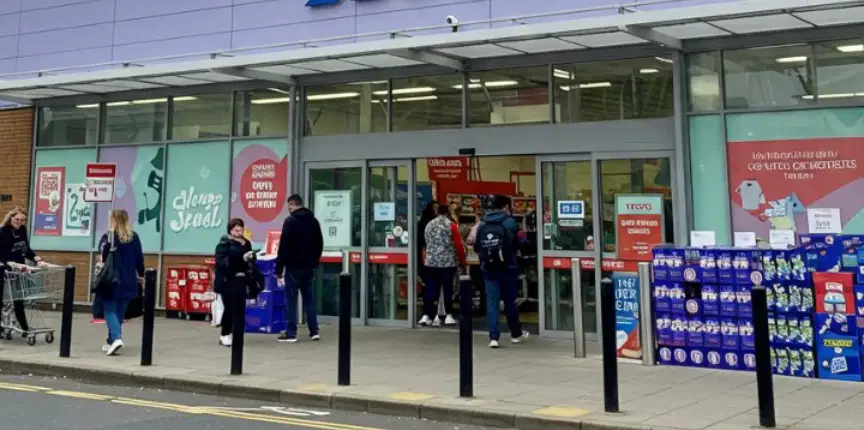
Which of the following is an example of a private sector organisation in the UK?
Tesco
NHS
BBC
HM Revenue & Customs
What is the definition of the public sector?
What is the primary goal of the public sector?
Provide essential services for public benefit rather than generating profit.
Maximize shareholder wealth and dividends.
Expand international market share for private companies.
Reduce government regulations on private businesses.
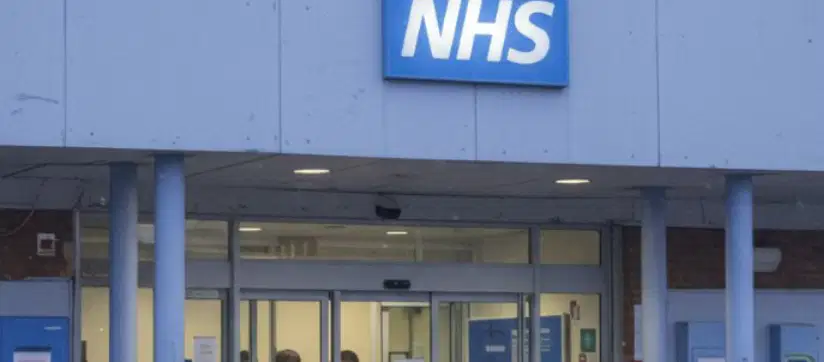
Which of the following is an example of a public sector organisation in the UK?
NHS
BBC
Royal Mail
All of the above
How many staff does the NHS employ?
1.3 million
468 million
8 billion
2 million
What is the definition of Voluntary Sector Organisations? Fill in the blank: Voluntary Sector Organisations are non-profit organisations driven by social or environmental causes rather than ______ motives.
profit
political
educational
cultural
What is the primary goal of Voluntary Sector Organisations? Fill in the blank: The primary goal is to benefit society or specific groups through ______ activities and advocacy.
charitable
commercial
political
recreational
Which of the following is an example of a Voluntary Sector Organisation in the UK?
Oxfam
Tesco
Amazon
Greenpeace campaigns in 55 countries as a Voluntary Sector Organisation.
True
False
How much does Cancer Research UK invest annually? Fill in the blank: Cancer Research UK invests £______ million annually in research.
400
200
600
100
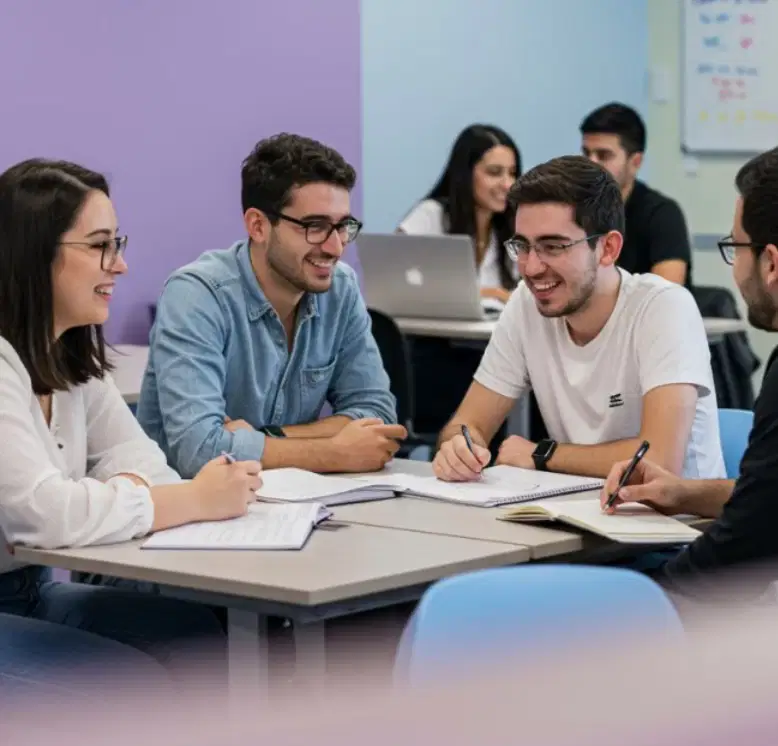
How would you organize your group and assign roles?
By assigning tasks based on each member's strengths
By letting everyone choose their own roles
By randomly assigning roles
By not assigning any roles
Identify which of the following is an organisation you might interact with regularly in your daily life.
A. Grocery store
B. Space agency
C. Mountain expedition team
D. Deep-sea research lab
Class Activity: Identifying Organisation
Classify: The Red Cross is an example of which sector?
Private
Public
Voluntary
Discuss Impact: Analyse how each organisation affects your daily life and community. What impact do these organisations have?
They have no impact on daily life or the community.
They provide services and support that benefit daily life and the community.
They only affect people in other countries.
They make life more difficult for everyone.

According to the Business Size Classifications chart, how many employees does a Large business have?
0-9
10-49
50-249
250+

According to the Business Size Classifications chart, which classification does a business with 0-9 employees fall under?
Small
Medium
Micro
Large

Fill in the blank: A business with 10-49 employees is classified as ______ according to the Business Size Classifications chart.
Small
Micro
Medium
Large

Match the business size classification to the correct employee range according to the Business Size Classifications chart:
0-9 employees
D
10-49 employees
C
50-249 employees
B
250+ employees
A

According to the Business Size Classifications chart, which classification helps determine eligibility for funding, tax obligations, and regulatory requirements?
Business size classifications (Large, Medium, Small, Micro) help determine eligibility for funding, tax obligations, and regulatory requirements.
Geographical location of the business helps determine eligibility for funding, tax obligations, and regulatory requirements.
The color of the company logo helps determine eligibility for funding, tax obligations, and regulatory requirements.
The number of products offered helps determine eligibility for funding, tax obligations, and regulatory requirements.
What is the definition of a micro business? Fill in the blank: A micro business is a business with fewer than ___ employees and annual turnover up to £___ million.
10, 2
20, 5
50, 10
5, 1
Which of the following is a characteristic of micro businesses?
Highly flexible
High overheads
No owner involvement
Large number of employees
What is one of the main challenges faced by micro businesses? Fill in the blank: Micro businesses face limited resources, difficulty accessing ___, and high vulnerability to ___ changes.
finance, market
technology, legal
labor, political
infrastructure, environmental
Which of the following is an example of a micro business?
Local corner shop
International corporation
Government agency
Large supermarket chain
What is the definition of a small business? Fill in the blank: A small business is a business with ___ to ___ employees and annual turnover up to £___ million.
10-49; £10
50-249; £25
1-9; £1
100-499; £50
Which of the following is a characteristic of small businesses?
Less structured operations
Specialised roles
Decreasing market presence
No specialised roles
Give an example of a small business mentioned in the text. Fill in the blank: BrewDog started with ___ founders in 2007 and grew to ___ employees by 2011. Graze began in 2008 with ___ staff.
2; 45; 30
3; 60; 25
1; 20; 15
4; 100; 50
What is the impact of small businesses in the UK? Fill in the blank: Small businesses employ ___ million people in the UK, creating ___% of private sector employment.
12.9; 48
10.2; 35
8.5; 25
15.0; 60
What is the definition of medium-sized businesses?
What are the characteristics of medium-sized businesses?
Which of the following is an example of a medium-sized business?
Fever-Tree employs around 200 people.
Hotel Chocolat has 150+ stores and approximately 1,200 employees.
Both A and B
What is the typical growth path for many medium-sized businesses?
What is the minimum number of employees required for a business to be classified as a large business in the UK?
250+
50+
100+
500+
What is the minimum annual turnover required for a business to qualify as large in the UK?
£50M+
£10M+
£5M+
£100M+
What percentage of the UK GDP is contributed by large businesses?
(a)
How many large businesses are operating in the UK?
(a)
Which of the following is NOT an example of a large business mentioned in the image?
Rolls-Royce
GlaxoSmithKline
HSBC
Tesco
How many employees does Rolls-Royce have, according to the image?
(a)
HSBC has 220,000 employees globally, according to the image.
True
False
According to the table on the Importance of Business Size, what is the typical funding access for a small business?
Multiple sources, larger amounts
Limited, often personal
Government grants only
No funding required
According to the table on the Importance of Business Size, which type of business can shape industry trends in market influence?
Small Business
Large Business
Both
Neither
According to the table on the Importance of Business Size, small businesses have ______ regulatory requirements compared to large businesses.
fewer
more
the same
stricter
According to the table on the Importance of Business Size, which type of business is highly flexible in adaptability?
Small Business
Large Business
Both
Neither
According to the table on the Importance of Business Size, large businesses have more resources but ______ in innovation speed.
bureaucracy
flexibility
growth
profitability
Fill in the blank: _______ business operations involve operating across multiple countries and continents.
Global
Local
Regional
Domestic
Fill in the blank: _______ business operations involve operating throughout a single country.
National
International
Regional
Local
Fill in the blank: _______ business operations involve operating within a specific community or region.
Local
International
Global
Virtual
Which type of business operation involves operating across multiple countries and continents?
Local
National
Global
Match the type of business operation with its correct definition:
Global
Operating across multiple countries and continents
National
Operating throughout a single country
Local
Operating within a specific community or region
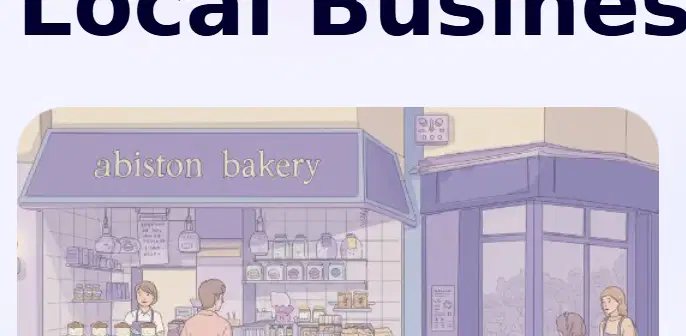
What is one way local businesses often differ from larger businesses?
They focus on global markets
They often focus on specific community needs and preferences
They have more employees
They offer fewer products
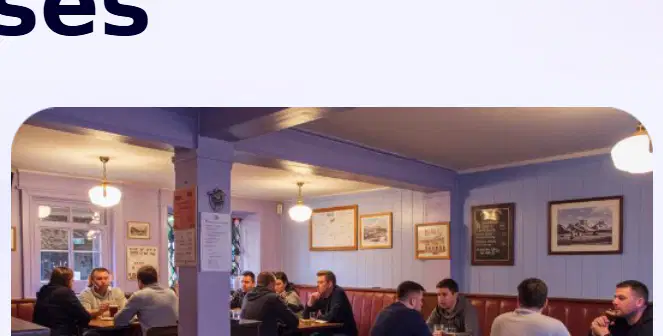
How do local businesses build strong relationships?
By advertising on television
By building strong relationships with local customers and suppliers
By offering discounts online
By expanding internationally

Local businesses provide tailored experiences that larger businesses cannot (a) .
What is a national business? Fill in the blank: National businesses operate across an entire ____. They typically have standardised offerings, centralised management, and nationwide distribution networks.
country
city
continent
region
Which of the following is a challenge faced by national businesses?
A) Maintaining consistency while adapting to regional preferences
B) Operating only in one city
C) Having no distribution network
D) Focusing only on international markets

Which of the following is an example of a national business shown in the images?
Marks & Spencer
Sainsbury's
Boots
John Lewis
All of the above
Refer to the bar graph titled 'Global Businesses'. Which company operates in the highest number of countries?
Unilever
BP
Vodafone
GSK
How many employees (in thousands) does BP have?
Refer to the bar graph titled 'Global Businesses'. Which company has the lowest number of employees?
Unilever
BP
Vodafone
GSK
Refer to the bar graph titled 'Global Businesses'. Unilever operates in about (a) countries.
80
100
150
170
Global businesses operate across multiple countries. They manage complex international supply chains and adapt to diverse cultural and regulatory environments. True or False: Global businesses only operate in one country.
True
False
When and where did Pret A Manger open its first shop?
(a)
By what year did Pret A Manger grow to 155 UK shops?
(a)
How many countries does Pret A Manger operate in as of the case study?
10 countries
5 countries
15 countries
20 countries
What is Pret A Manger's target for the number of shops globally by 2025?
700 shops
500 shops
1000 shops
1200 shops
Pret maintained its fresh food philosophy throughout expansion while adapting to local tastes in each market.
True
False
Select a Business: Choose a well-known company you're familiar with (e.g., Costa Coffee, ASOS, Tesco). Which business have you selected for your analysis?
Costa Coffee
ASOS
Tesco
Starbucks
Research History: Investigate how it started and how it expanded over time. The business began as a small family-owned shop and expanded into a national chain over several decades. Which of the following best describes the history of the business?
It started as a small family-owned shop and expanded into a national chain.
It was always a large corporation.
It started as an online business only.
It never expanded beyond its original location.
Identify Progression: Map its journey through local, national, and global stages of development. The business progressed through which of the following stages?
Local, National, Global
Global, National, Local
National, Local, Global
Local, Global, National
Analyse Challenges: At each growth stage, what did the business face and what did it seize?
Obstacles and opportunities
Profits and losses
Employees and customers
Products and services
Present Findings: What is the main purpose of sharing your analysis with the class in a 2-minute summary?
To summarize your findings and analysis of the business
To ask questions about the business
To present a detailed report
To conduct a group discussion
Fill in the blank: The private sector focuses on (a) . The public sector provides essential services. The voluntary sector addresses social needs.
Which sector addresses social needs?
Private sector
Public sector
Voluntary sector
National sector
Fill in the blank: Local businesses serve ______. National businesses operate countrywide. Global businesses cross borders.
communities
continents
governments
industries
Which type of business operates across borders?
Local businesses
National businesses
Global businesses
Public businesses
Fill in the blank: Size classification affects resources, market power, and ______ requirements. Each size has distinct advantages.
regulatory
financial
technological
marketing
Understanding organisation types, business size, and operational scope helps analyse business strategies and growth potential in (a) scenarios.
We will examine sole traders, partnerships, limited companies, and cooperatives in detail. Name the four types of business structures mentioned.
Sole traders, partnerships, limited companies, cooperatives
Sole traders, franchises, corporations, partnerships
Limited companies, franchises, cooperatives, corporations
Partnerships, sole traders, franchises, corporations
Ownership structures can impact decision-making in a business by:
Centralizing authority and influencing who has control over key decisions.
Increasing the number of employees in the business.
Reducing the need for any formal management processes.
Eliminating the need for business planning.
Research different legal forms of business. Identify two examples of each structure.
Examples: Sole trader - freelance writer, local shop owner; Partnership - law firm, medical practice; Limited company - tech startup, manufacturing company; Cooperative - credit union, food co-op.
Examples: Sole trader - bank manager, airline pilot; Partnership - supermarket, car dealership; Limited company - street vendor, taxi driver; Cooperative - fast food chain, private school.
Examples: Sole trader - hospital, university; Partnership - government agency, charity; Limited company - public library, fire department; Cooperative - police station, embassy.
Examples: Sole trader - software engineer, nurse; Partnership - bakery, florist; Limited company - lemonade stand, dog walker; Cooperative - law court, city hall.
What should you do if you have questions about today's lecture?
Ask now or email the instructor.
Ignore your questions and move on.
Wait until the end of the semester to ask.
Ask your classmates instead of the instructor.

