
 Worksheets
B9 Respiration, exercise and the heart
Total questions: 19
Worksheet time: 14mins

What is Resting Heart Rate?
220 - Your Age
An exercise
The number of times your heart beats per minute at rest
The minimum number of heartbeats in a given amount of time
Which sentence is TRUE?
Your heart is a muscle that can grow
The heart does not beat when you sleep
Blood vessels are only inside your heart
Greasy, salty foods are good for the heart
The primary role of the capillary is to...
Carry blood away from the heart at high pressure
Return blood to the heart
Allows gaseous exchange of oxygen and carbon dioxide at the lungs and muscle sites
When breakdown of glucose occurs with the use of oxygen it is called
aerobic respiration
anaerobic respiration
cellular respiration
anaerobes
Respiration takes place in
the cells
the lungs
the heart
the brain
Respiration is a chemical reaction.
True
False

For respiration to take place glucose needs to react with substance A. Select substance A.
Carbon dioxide
Water
Oxygen
Ozone

When respiration takes place, energy is produced along with another two substances B and C. Select substances B and C.
Carbon dioxide
Water
Oxygen
Hydrogen
The glucose used during respiration is provided by our
digestive system
respiratory system
circulatory system
The oxygen used during respiration is provided by our
digestive system
respiratory system
circulatory system
The glucose and oxygen used during respiration is delivered to each and every cell by the
digestive system
respiratory system
circulatory system
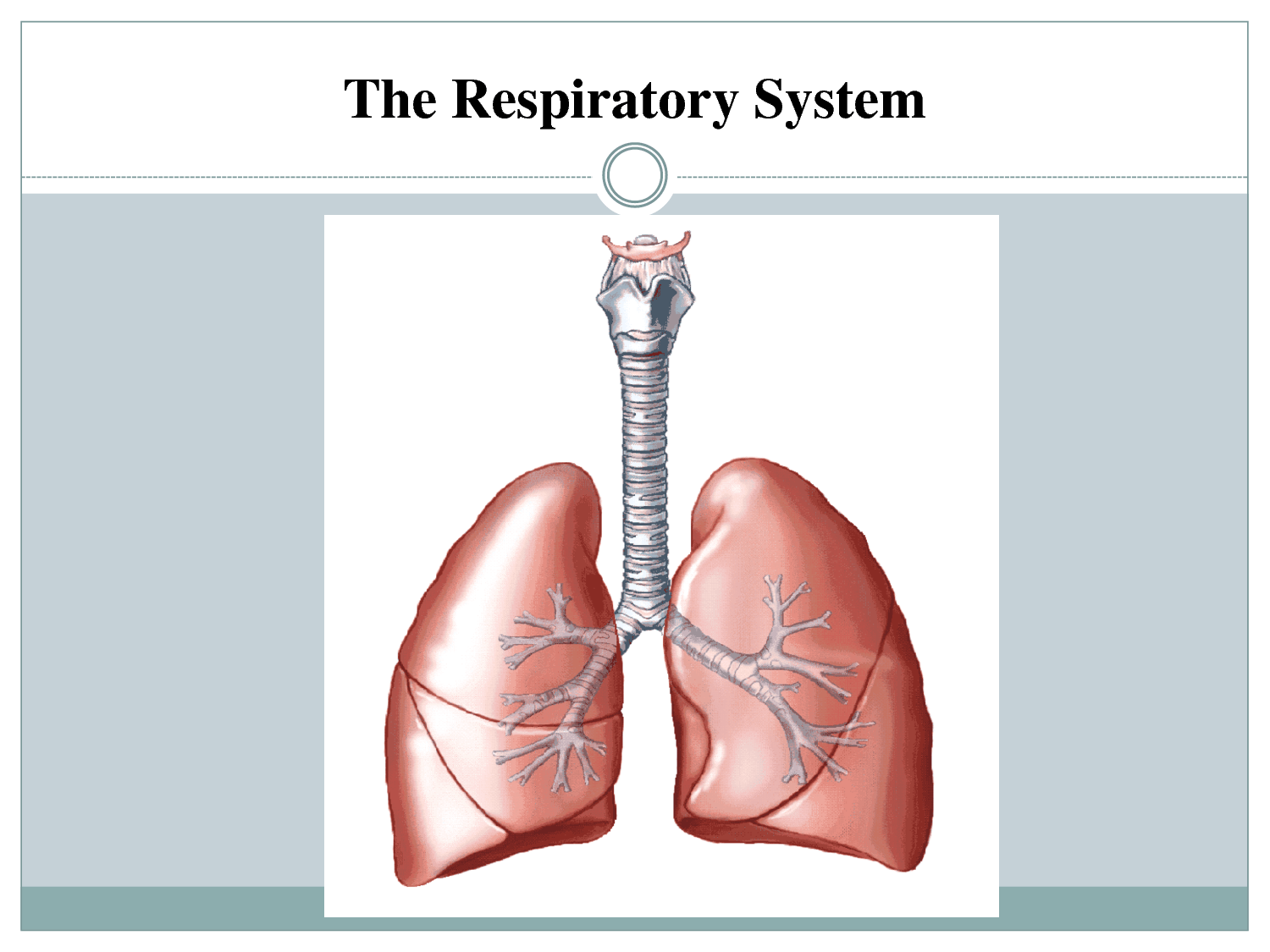
What is the main function of the respiratory system?
to provide oxygen and remove carbon dioxide from the body
o break down food and absorb nutrients
to remove oxygen from the body and deliver carbon dioxide

What type of cells carry oxygen in the blood?
red blood cells
white blood cells
Which statement is MOST TRUE about the movement of oxygen molecules between the lungs and cells of the body?
A. Oxygen molecules enter and leave the body by way of lungs, but they do not move between the lungs and the blood.
B. Most oxygen molecules move from cells of the body to the lungs by moving through the circulatory system and then leaving the circulatory system by way of capillaries at the lungs.
C. Most oxygen molecules move from the lungs directly to the body by way of special respiratory tubes where the oxygen molecules mix with the blood.
D. Most oxygen molecules move from the lungs to cells in the body by entering microscopically small blood vessels (capillaries) and then move to the heart which pumps it to the cells of the body.
Which statement best describes why your heart rate increases while exercising?
Her bones needed more oxygen because they were moving faster.
Her stomach needed more oxygen because it was digesting food faster.
Her brain needed more blood to coordinate her rapid exercise movements.
Her muscles needed more glucose and oxygen because they were working harder.
Which list below correctly describes the sequence that blood takes as it travels through the body?
heart-lungs-body-heart
heart-body-lungs-heart
heart-lungs- body-lungs
heart-lungs-heart-body

