
 Worksheets
Wellbeing QUIZ
Total questions: 113
Worksheet time: 1hrs 24mins

the first world you see:
(a)
for a physical well being :


for a social wellbeing


having a happy family
social wellbeing
physical wellbeing
mental wellbeing
emotional wellbeing
for our wellbeing
do something fun
eat healthy
drink water
eat non-healthy food
for a strong and healthy mind


personal care is important to our wellbeing
yes
no

friendship is important to our wellbeing
yes
no

going to the doctor is important
no
yes
maybe

is it important to drink water ?
no
yes

I feel .................. when I have good friends
sad
angry
happy
for our well being we have to


What is the first step in managing stress?
Ignore the stress
Take a nap
Identify the reason of stress
Eat junk food
Eating a balanced diet.


Avoids getting sick easily by taking multivitamins.
Do not exercise nor rest.
Staying up late night when studying.
Always eat too much or too little.
Using the eyeglasses of your mom or dad.
Not borrowing toothbrush from other person.
Avoid scratching the eyes when itchy.
Brushing teeth twice or thrice a day.
Taking a bath everyday.
Using skin moisturizers which are not fit on your age.
Cleaning the ears gently.
Putting pointed and tiny objects inside your nose.
Drinking at least 8 glasses of water everyday.
Looking directly at the sun without wearing sunglasses.
Who can help when you are bad?


I can calm myself.


I am _______________
sad
happy
scared

I am _______________
happy
calm
silly

I hurt myself when I am angry.
Yes
No

I kick to the wall when I am angry.
No
Yes

When I am tired, I will ___________


When I am tired, I will ____________


What subject is this?
Wellbeing
Global Skills Project
Maths


Who can help when I am sad.
Mom, Dad, Grandparents
Teacher, Friends
A man/ woman ( I don't know)
Doctors

Yes
No

Yes
No

Healthy food
Unhealthy food

Healthy food
Unhealthy food

Healthy food
Unhealthy food

When I move my body,...........
I am healthy.
I have fun.
I sleep.

What is exercise?
Doing nothing.
Moving and being active.

What happens to your heart when you are active?
My heart beats faster.
My heart beats slower.
My doesn't beat.

What do you feel when you are active?
I feel cold and sweaty.
I feel cool and sweaty.
I feel hot and sweaty.

What do you feel after exercising?
thirsty
not thirsty
Which boy is exercising?


Why do we exercise?
Because it makes us feel happy.
Because it makes us feel sad.
Because it makes us feel bored.

How can exercise help you?
Exercise helps me to learn worse.
Exercise helps me to learn better.
Exercise doesn't help me.

How does exercise help your muscles?
It helps my muscles stronger.
It helps my muscles weaker.

How long should you exercise each day?
5 minutes
30 minutes
60 minutes

What does exercise give you?
Exercise gives me energy.
Exercise gives me illness.

What happens when you don't move for a long time?
I can sleep well.
I can't sleep well.

Tom doesn't exercise. What happens to him?
He can't learn well.
He can learn well.
Which is a healthy after-school snack?


Eating a balanced and healthy diet means eating foods from ________________
The group that contains meat, fish and eggs
All four food groups
The milk and dairy group
The fruit and vegetable group

How often should we eat healthy food?
Every Tuesday
On your birthday
Every day
On Christmas only

Which one is NOT a fruit?
Peach
Potato
Pear
Pineapple

Cereal is part of which food group?
Dairy
Protein
Grains
Vegetables
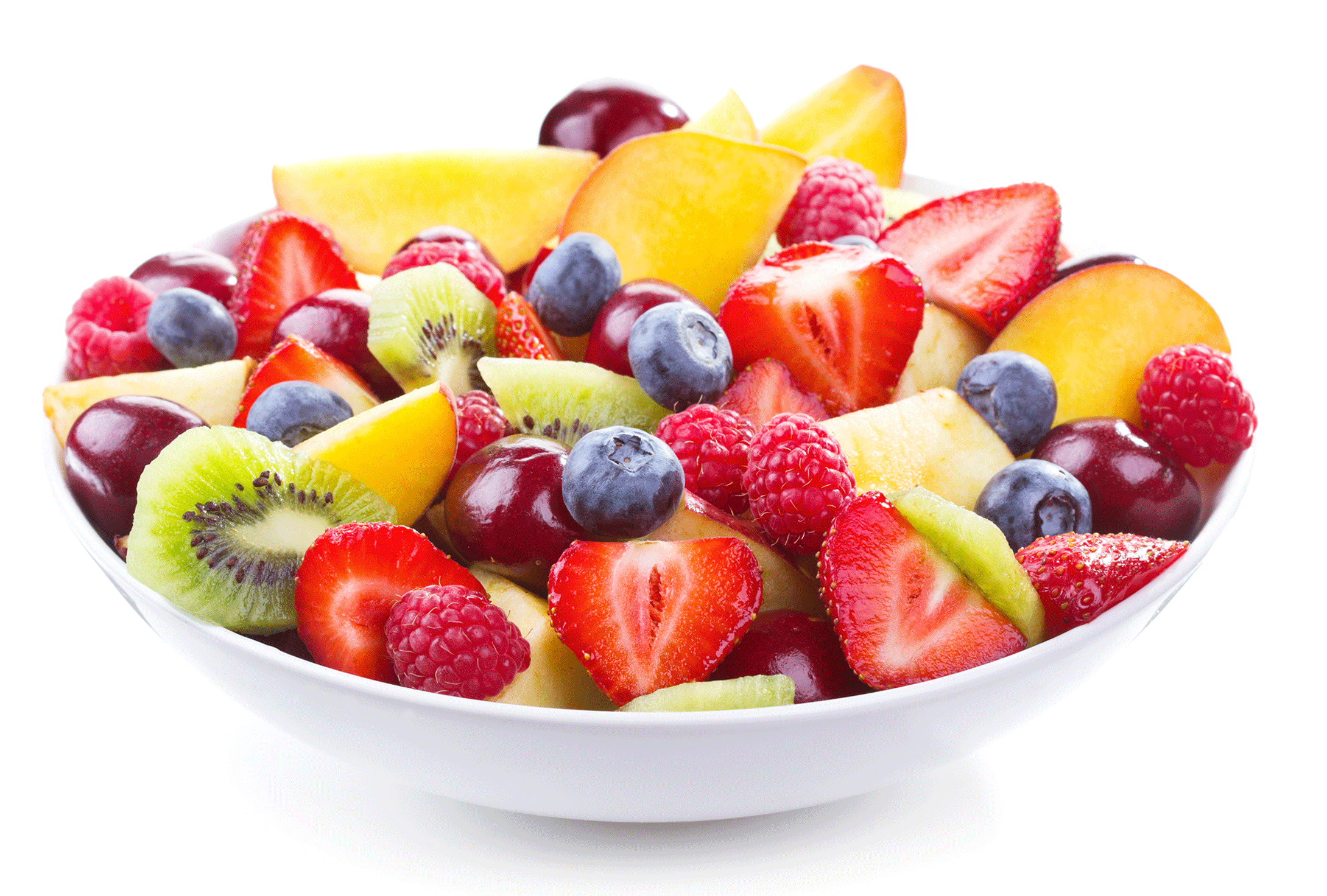
To be healthy, I should eat more __________.
Fried chicken
French fries
Fatty food
Fruits
Click on the vegetable


Which food group is this?
Protein
Grains
Fruits and vegetables
Dairy

Healthy eating means..
Eating chocolate
Eating a variety of healthy foods
Eating vegetables

Playing sports is...
healthy
unhealthy

Drinking soda every day is...
unhealthy
healthy

True or False: Colouring helps you to practise mindfulness.
True
False

True or False: You can practice mindfulness while eating.
True
False

True or False: Being inside is the best place to practice mindfulness.
True
False

John is angry because his team lost a basketball game. What can he say to feel better?
I wish our team had practiced more.
I should quit the basketball team.
I'm mad, and that's O.K.
I should never feel mad.

What can John do to practice mindfulness?
Pay attention to his breathing.
Read books.
Watch a movie while playing a game.
Eat dinner while doing his homework.

Mindfulness helps us focus on:
the past
the future
the present
all of the above

Is this person being mindful?
Yes
No

Mindful practice can help you _______ strong emotions in difficult situations.
ignore
push down
control
share
How are you feeling today?
Great! I am ready to learn!
Good. Let's do this.
Meh.
I am just here today.
I don't feel well. I may have trouble concentrating.
How did you sleep last night?
****
Great
***
Good
**
Not very well
*
Not good at all
When was your last meal?
Breakfast
Lunch
Dinner last night
I had a snack not long ago.
Tell me about one of your favorite things, and tell me why you love it so much.
Is there anything that you would like for me to know today?
Why does good sleep help us to learn better?
We can concentrate better.
We get to school on time.
We remember more things.
How else does sleep help us?
Our bodies grow when we sleep.
It gives us more energy.
It stops us being bored.
What is in a balanced diet?
Oxygen and water
Protein and fats
Carbonhydrates and fibre
What should we not eat lots of?
Vegetables
Salt
Fat
How does exercise help us learn better?
It sends oxygen to our brain.
It sends water to our brain.
It sends blood to our brain.
How does exercise help our body?
It makes our body tired.
It makes our heart stronger.
It makes our muscles and bones stronger.
How does stretching our bodies help us?
Our muscles get stronger.
We become more flexible.
It does not help us learn better.
How does exercise help our brain?
It makes them more tired.
It wakes our brains up.
Our brains get more blood and oxygen.

What does the word "wellbeing" mean?
Which activities help take care of wellbeing? (Check all that apply)

Getting enough sleep

Watching TV

Talking with friends

Yelling at others

Eating vegetables and fruits
Wellbeing only means being free of illness.
TRUE
FALSE
Which emotions indicate good wellbeing?

Anger

Jealousy

Happiness, contentment, gratitude, love

Fear
What did we do in the project to learn new words related to wellbeing?
We learned new words related to wellbeing created an English Dictionary 3D
Taking care of wellbeing means completely avoiding rest.
True

Why is sleep important for wellbeing?

What were the "Puzzle Emotions" in our project?
The puzzles only showed positive emotions.
The puzzles only showed negative emotions.
The puzzles depicted emotions and situations in which we feel them.

How does art help in taking care of wellbeing?
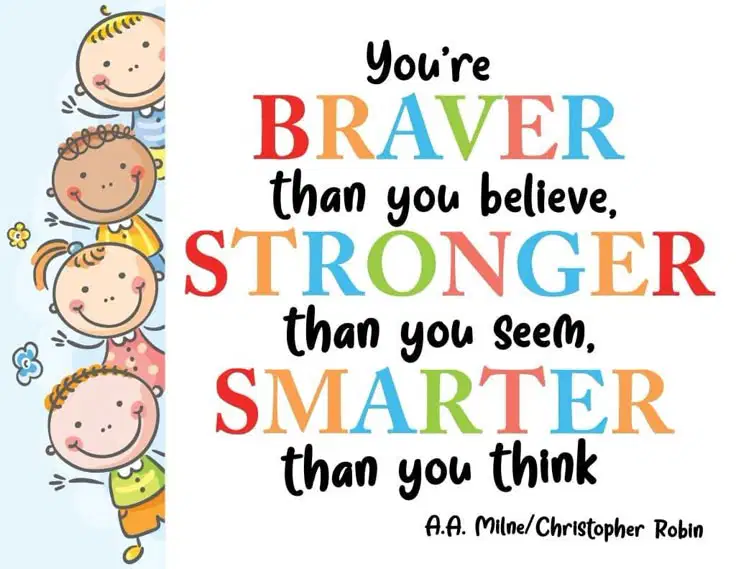
What did we create in the project to motivate ourselves and others?
Rap songs
Motivational posters
Computer games
Short stories.
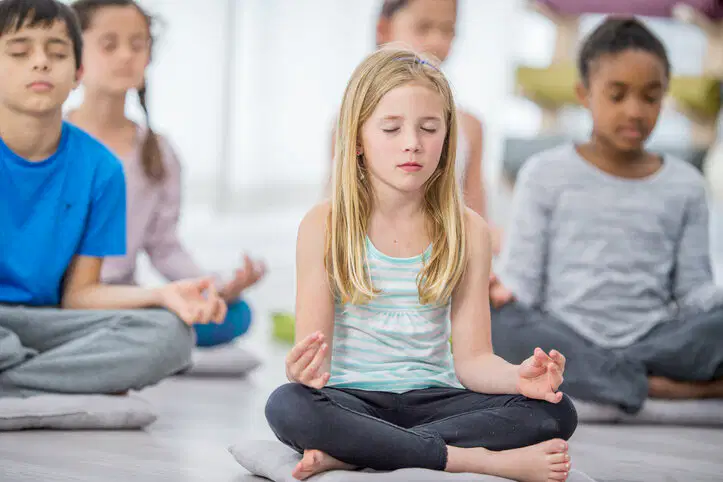
What types of activity can improve our wellbeing?
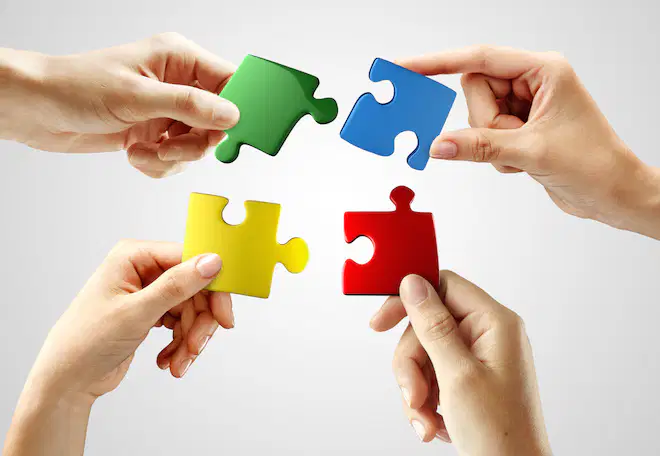
How did we collaborate with project partners?
By exchanging work and creating joint projects
By competing in sports contests
By writing letters about our feelings
Technology (T in STEAM) can help with development if used wisely.
TRUE
FALSE
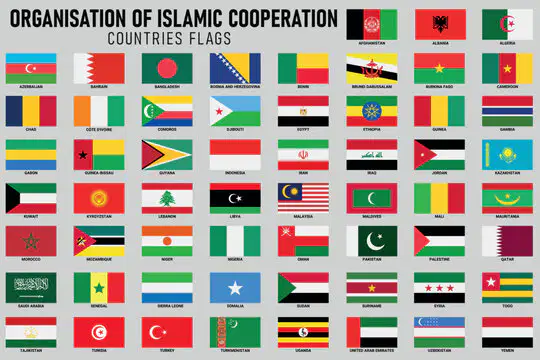
Which countries did we collaborate with in the project?
Greece, Italy, Turkey, Lithuania, Croatia, Romania, Czech Republic, Slovakia, Poland
Canada, Egypt, Australia, Peru, Mexico
Spain, Portugal, Brazil, China, Latvia
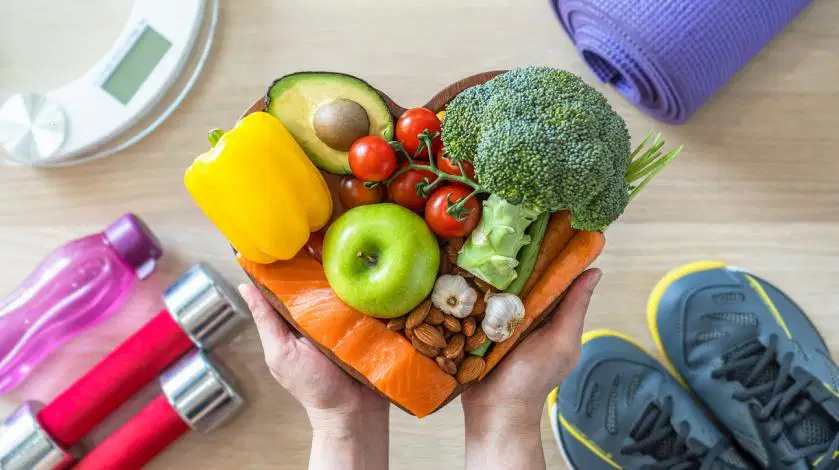
What is a healthy lifestyle?
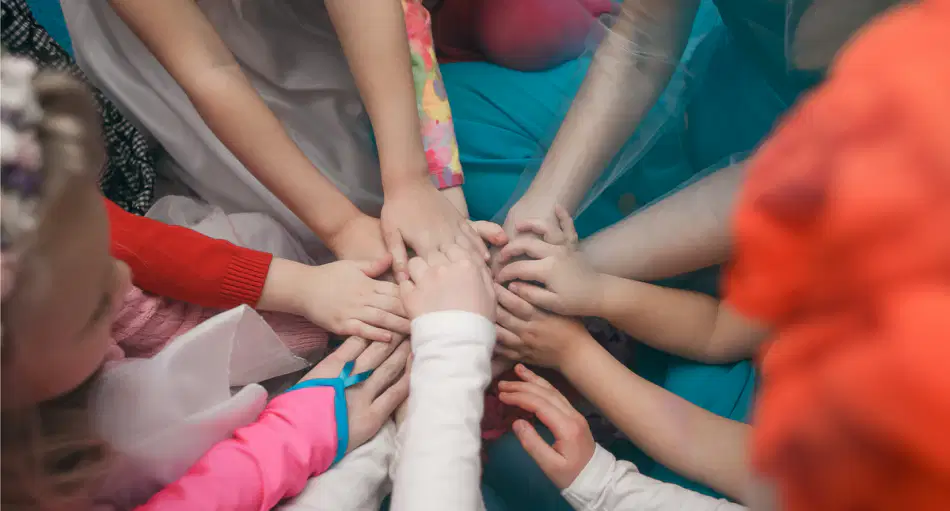
What does creating things together with others, like mandalas or puzzles, teach us?
It fosters teamwork, patience, and the ability to appreciate different perspectives
It encourages individualism and personal achievement above all
It focuses solely on the speed of completion rather than the process.
It teaches us that mistakes should be avoided at all costs
Complete the sentence: By taking care of our wellbeing, we learn to be (a) towards ourselves and others.

What does the acronym STEAM stand for?
Sports, Dance, Ecology, Astronomy, Music
Science, Technology, Engineering, Arts, Mathematics
Jumps, Training, Emotions, Activity, Motivation
What tools did we use in the project to develop creativity?
Graphic programs, online apps, and digital technologies
Toys and computer games
Only paper books
Why is it valuable to combine learning with creativity in the STEAM method?
It helps us finish tasks faster
It helps us understand things better and solve problems
It makes learning only about memorizing facts
It focuses only on art and ignores science
What did we learn during the "STEAM for Wellbeing" project?
How to complete homework faster
How to take care of our wellbeing and develop creativity in different areas.
Only how to do homework faster
Only how to use the internet

