
 Worksheets
Basic Car Knowledge Assessment
Total questions: 40
Worksheet time: 24mins
A car’s warranty may become void if _____ are used.
incompatible fluids
incorrect service procedures
improper intervals
All of the above.
Should the engine be warm or cold when you check the oil level in an automotive engine?
Yes warm
Maybe cold
No warm
Can I ask a friend
The oil level should be between the _____ and _____ _________________________________________________ marks on the dipstick.
add
Full
add (low), full
Don't know where the dipstick is
Which of the following is not one of the procedures to follow when changing the oil in an automotive engine?
Warm up the engine
Place a catch pan under the oil drain plug
Wipe some clean oil on the O-ring and install the new filter
Using an oil filter wrench, screw the new filter on
When changing the fluid and filter in an automatic transmission, you should
warm the engine and transmission
position the new pan gasket using an approved sealer
start all the pan bolts with your fingers
All of the above
The gear selector should be in _____ when checking the fluid level in an automatic transmission or transaxle.
Reverse
1st gear
Park
3rd gear
Where is the fill plug normally located on an automotive differential?
left rear tire
The fill plug will normally be on the front, back, or side of the differential.
Oil Pan
Does not have one
Why should engine coolant be changed periodically?
Is less expensive in the winter
Make the car run faster
It will change color
The coolant will deteriorate after prolonged use
Power steering fluid level
should be checked regularly
should be checked with the engine off
can be checked on some vehicles by removing a dipstick from the power steering pump
All of the above.
The fluid level in an automotive master cylinder should be checked
every other year
every other month
at least twice a year
None of the above.
When should an air filter be replaced?
Every oil change
Once a Year
An air filter should be replaced when it becomes extremely dirty
Every other Oil change
Modern fuel systems often use _____ fuel filters between the fuel tank and the engine
In the tank
inline
Next to the Water Pump
Could not find it
Name at least four types of hazardous wastes produced by automotive maintenance.
Windshields
Roof
Exhaust System
Used motor oil; discarded lubricants; used parts; cleaners and degreasers contaminated from parts-cleaning operations; fuel injection system cleaners; rust removers; paint thinners or reducers; worn out batteries; tires; catalytic converters.
List three reasons why oil is a hazardous chemical
Oil is a significant fire hazard that can ignite with or without a flame
Oil spills are a slip hazard
Oil can irritate skin and cause skin diseases, including cancer
All of the Above
What is the benefit of having tires inflated to the proper air Pressure
Better fuel economy
Better Steering
Longer tire life
All of the above
How often should you change the Oil in a vehicle?
3 months or 3000 miles
Google any vehicle
Manufacturer's Recommendations
Ask your Mom
A lead-acid battery with removable caps should be filled with only:
carbonated water.
distilled water.
sulfuric acid.
tap water.
When windshield wiper blades are torn, which would be the correct fix?
No repair the blades is needed.
Clean the blades.
Replace the blades.
Resurface the blades' edges.

Technician A says this battery is maintenance free. Technician B says that you should fill a battery with tap water only. Who is correct?
Technician A
Technician B
Both
Neither
What is the primary purpose of engine oil in a vehicle?
To cool the engine
To lubricate engine parts
To clean the engine
To fuel the engine
Which component of a car's cooling system is responsible for dissipating heat?
Radiator
Thermostat
Water pump
Coolant reservoir
Which type of brake fluid is most commonly used in modern vehicles?
DOT 3
DOT 4
DOT 5
DOT 5.1
What is the main advantage of using synthetic oil over conventional oil in engines?
Lower cost
Better fuel economy
Longer oil change intervals
Higher viscosity
Which part of the car is primarily responsible for converting electrical energy into mechanical energy?
Alternator
Starter motor
Battery
Ignition coil
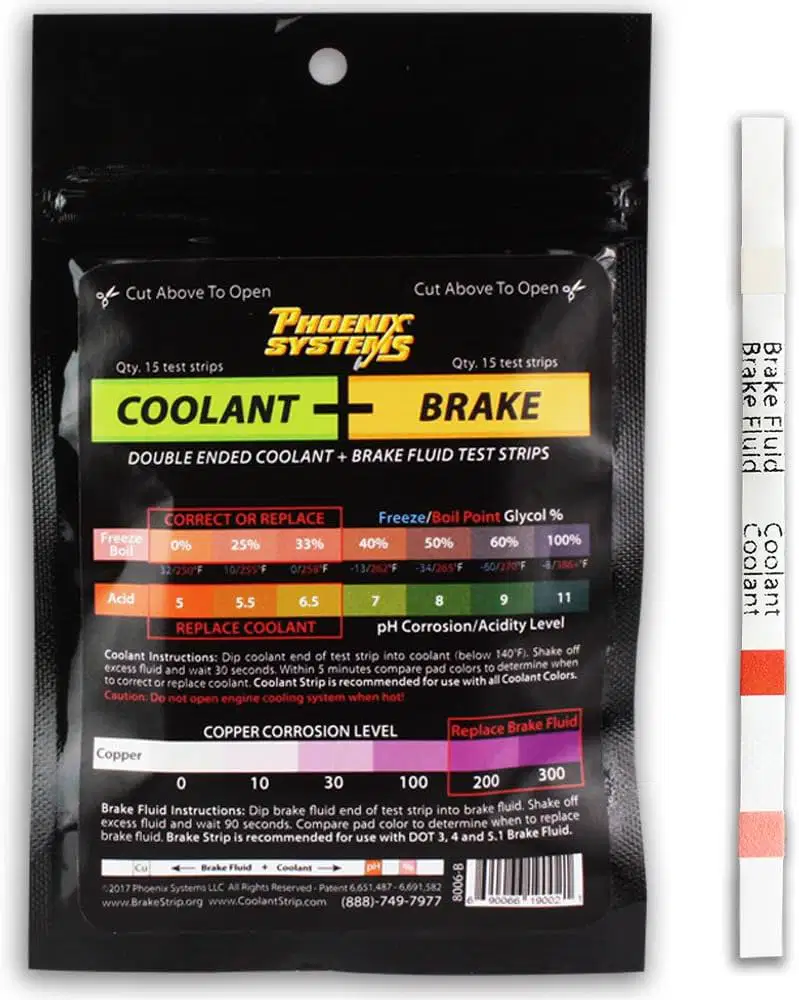
What does a coolant test strip measure?
The level of brake fluid in the system
The freeze point, boiling point, and pH level of coolant
The oil viscosity in the engine
The transmission fluid temperature

What is a dipstick used for?
Stick used to help walk without wheelchair
The stick used to oil levels
The knob on the radio

True or False? Always check antifreeze in radiator when car is hot.
False, it can burn you!
True, it will be at it's fullest height.
What are some common causes of car battery failure?
low fuel level, dirty battery terminals, loose battery connections
lack of regular maintenance, overcharging the battery, using incorrect battery size
excessive use of headlights, faulty alternator, leaving the radio on overnight
old age, extreme temperatures, excessive use of electrical accessories, leaving lights or other electrical components on when the engine is off, and a faulty charging system
Name three vital fluids that should be regularly checked in a car.
windshield washer fluid
engine oil, coolant, brake fluid
power steering fluid
transmission fluid
What are the basics of car maintenance?
Using any type of oil for the engine, never replacing the air filter, never cleaning the car
Regular oil changes, checking and replacing fluids, inspecting and replacing filters, maintaining tire pressure, replacing worn-out tires, replacing brake pads, and cleaning the car.
Washing the car once a year, ignoring any warning lights, never checking the tire pressure
Changing the car's color, adding decorative accessories, installing a sound system
Describe the odor of coolant
Metallic
Odorless
Sweet
Bitter
Why do we allow the engine to warm up before we drain the oil?
To make solids suspended in the oil.
To make solids settle in pan
To make oil flow better and drain from more areas
We DO NOT allow the engine to warm up first
What is required to work in the shop?
Safety Glasses
Shorts
Sandals
Hat
all wheels should be torqued to:
100 ft lbs
140 ft lbs
Manufacturers Specifications
Tight as you can go
What does vin number stand for
Vehicle Identification Number
Vehicle Industry Number
Vehicle Independent New
Volume Indicator Number
What is the first step in changing a flat tire
Jack up vehicle
Make sure your vehicle has a spare tire
Torque the wheel
Loosen the lug nuts
A (a) wrench is used to torque vehicle wheels.

What is this tool?
Hose remover
Wheel remover
Oil filter wrench
Air filter wrench
Charcoal cabin air filters are sometimes used in vehicles in order to:
save expense
save space
trap moisture
trap odors

Name the component displayed
Spark plug
Glow plug
Electrical plug
Sink plug

