
 Worksheets
Final Exam (Topics 12 & 13)
Total questions: 75
Worksheet time: 18hrs 18mins

The Mexican Revolution was a violent conflict that lasted from (___ to ___)
1925 to 1925
1920 to 1930
1890 to 1900
1985 to 2005
1910 to 1920

He implemented land reforms and nationalized Mexico's oil industry in the 1930s. He was one of Mexico's most popular presidents.
Porfirio Díaz
Venustiano Carranza
Francisco Villa
Lázaro Cárdenas
Emiliano Zapata
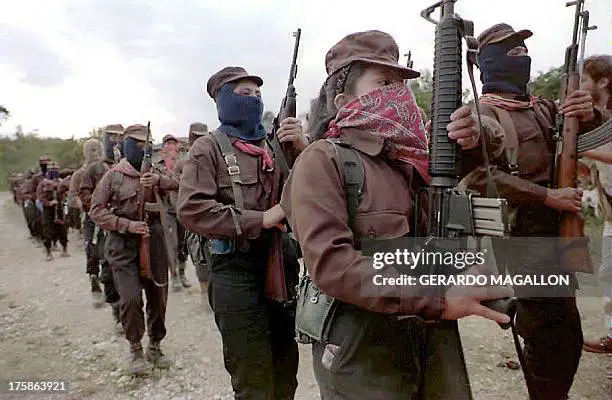
_____ is a far-left political and militant group that currently controls a substantial amount of territory in Chiapas, the southernmost state of Mexico
National Liberation Army (ELN)
Revolutionary Armed Forces of Colombia (FARC)
Zapatista Army of National Liberation (EZLN)
Chiapas Liberation Movement
The Shining Path
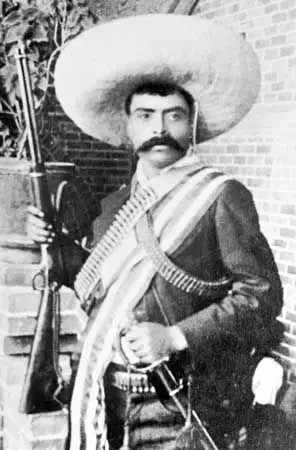
____ led a peasant revolt in southern Mexico. This rebel group was named after this leader and is still active in Mexico today. Their battle cry was 'Tierra y Libertad', 'Land & Freedom".
(a)
Lázaro Cárdenas
Francisco Villa
Porfirio Díaz
Venustiano Carranza

What was the primary goal of the people who fought for the Mexican Revolution?
Military expansion
Industrialization
Religious freedom
Land reform
Foreign investment
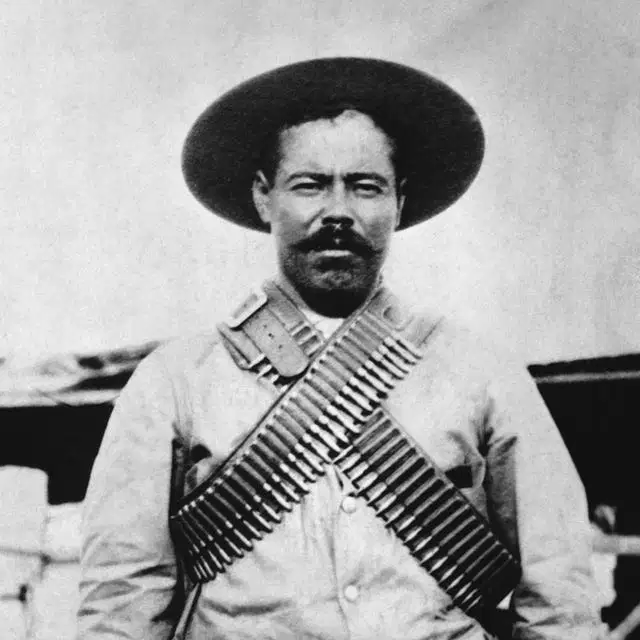
Which revolutionary leader was known for his role in the northern part of Mexico during the Mexican Revolution?
(a)
Venustiano Carranza
Porfirio Díaz
Lázaro Cárdenas
Emiliano Zapata
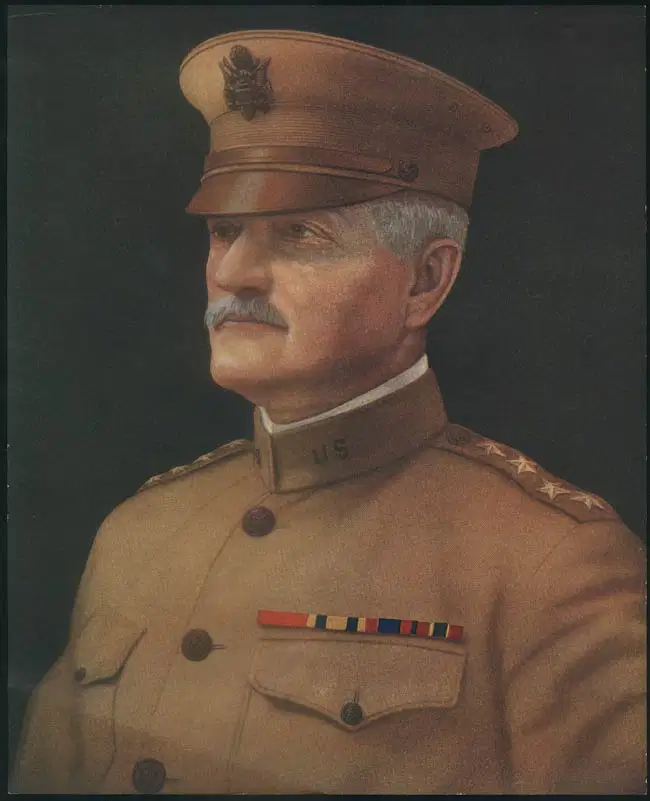
____ led a force of approx.ately 10,000 U.S. soldiers across the Rio Grande into Mexico in pursuit of Pancho Villa.
John J. Pershing
George Patton
Omar Bradley
Dwight D. Eisenhower
Douglas MacArthur
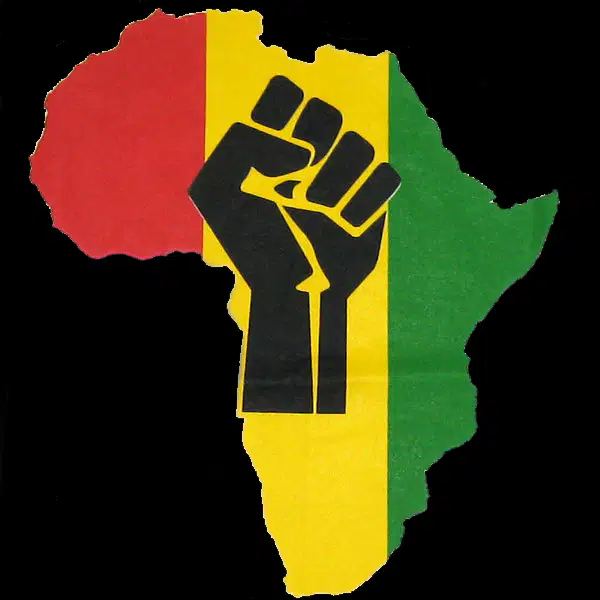
___ represents the idea that people of African descent should be unified
Colonialism
Cultural Relativism
Pan-Africanism
Globalism
African Nationalism

He led the Turkish National Movement which resisted partitioning of Ottoman Empire among victorious Allied powers after WW I. He also founded the Turkish Republic in 1923.
Ali Fethi Okyar
Sultan Mehmed VI
Enver Pasha
Mustafa Kemal Atatürk
Ismet İnönü
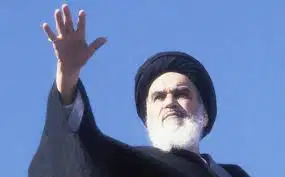
____ was an Islamic religious cleric. He became the supreme leader of Iran after the Pahlavi dynasty was overthrown in 1979. Iran replaced their pro-Western monarchy with an anti-Western Islamic State.
Mohammad Reza Pahlavi
Ayatollah Khomeini
Imam Ali
Hassan Rouhani
Ayatollah Sistani

Today, Iran is considered to be the leader of the _____ Islamic world.
Zaydi
Wahhabi
Sufi
Shia
Sunni
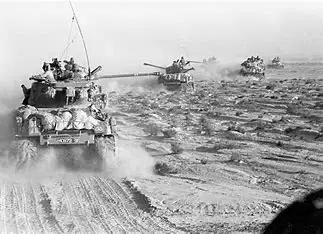
___ is the name of a conflict fought by Israel against Egypt, Syria, and Jordan in 1967. It resulted in the expulsion of about 350,000 Palestinians from the West Bank and 130,000 Syrians from the Golan Heights. Israel ended up occupying the Gaza Strip, the West Bank, and the Golan Heights
The 2nd Intifada
Yom Kippur War
Six-Day War
Palestine War
Battle of Fallujah
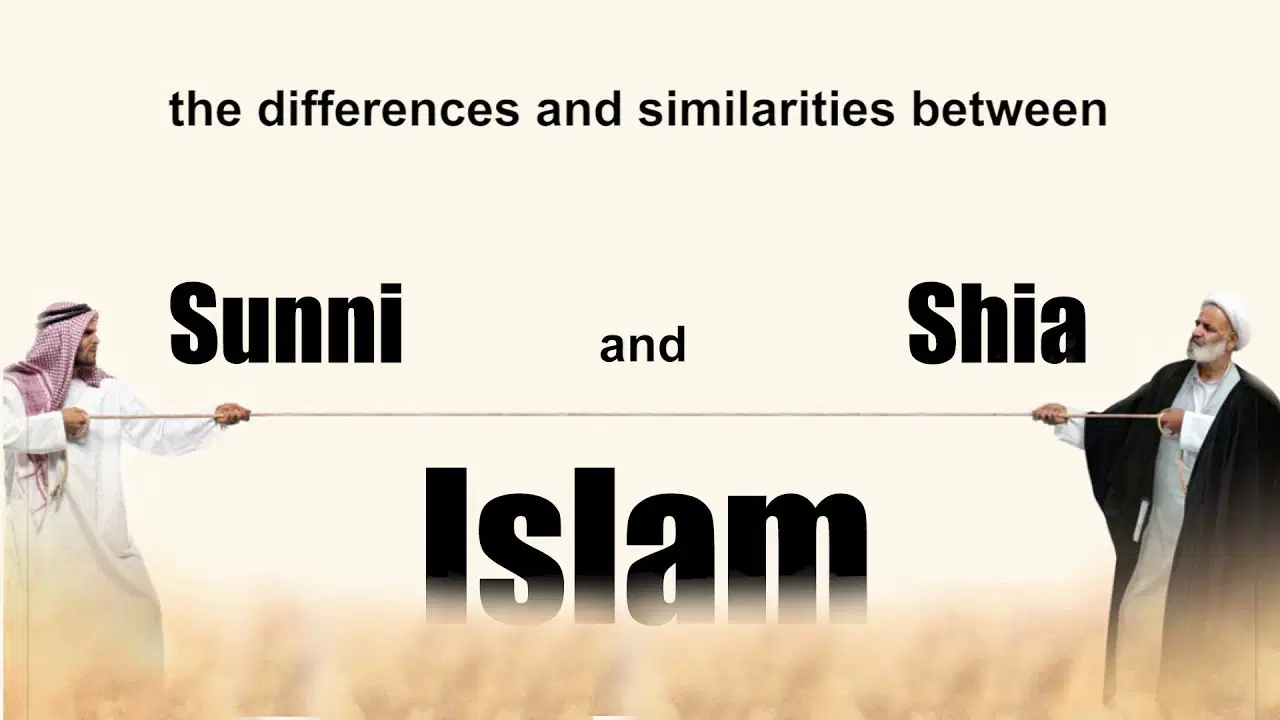
____ is the country which leads the Sunni sect of the Islamic World.
Iran
Egypt
Turkey
Saudi Arabia
Pakistan
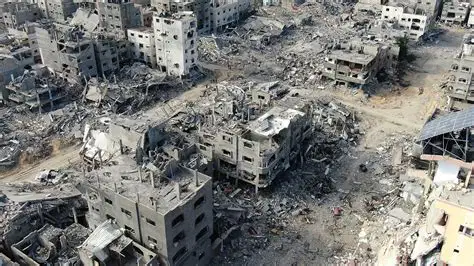
____ is a conflict that began on Oct. 7th, 2023. It is currently ongoing. As of February, 2025, it has resulted in the deaths of over 1,706 Israelis, 48,219 Palestinians, 166 journalists, 120 academics, and 224 humanitarian aid workers. More than 2 million Palestinians have been displaced.
Kashmir Conflict
Syrian Civil War
Ukraine-Russia War
Gaza War
Yemen Conflict

Brutality and exploitation in the name of King Leopold II of _______, perpetrated against the people of Congo to maximize rubber production, resulted in 8 to 16 million deaths among the natives from 1885 to 1908
France
Germany
Belgium
Portugal
Spain

___ involves segregation of public facilities and social events, separated housing, and employment opportunities. It includes laws making it illegal to pursue sexual relations across racial lines in South Africa from 1948 to early 1990s
socialism
discrimination
apartheid
colonialism
fascism
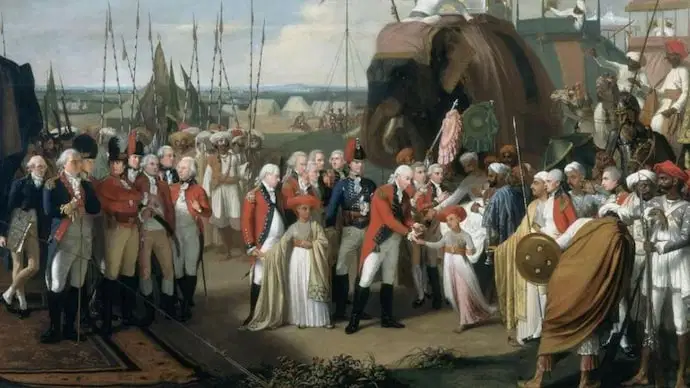
Which nation controlled India as their colony?
France
Britain
Germany
United States
Spain

___ refers to when the British fired upon a large crowd of peaceful protesters, most of them Sikhs, in an enclosed field in northern India. Nearly 400 people were killed and 1,100 wounded.
Amritsar Massacre
Punjab Uprising
Arab Spring
British Colonial Massacre
Jallianwala Bagh Massacre

___ led the October Revolution and the establishment of the first socialist state under Communist rule. He abolished the private ownership of land, nationalized the banks and major industries, and withdrew Russia from World War I. He was the leader of the Soviet Union till his death in 1924.
Leon Trotsky
Joseph Stalin
Nikita Khrushchev
Mikhail Gorbachev
Vladimir Lenin

Angry peasants resisted collectivization by growing just enough food for themselves. In response the government seized all their grain for the cities, purposely leaving the peasants to starve. This ruthless policy combined with poor harvests resulted in the ____ ____, with 5 to 8 million people dying in of starvation in Ukraine alone.
The Red Famine
Slavic Famine
Czechoslovak Starvation Crisis
Soviet Food Shortage
Holodomor
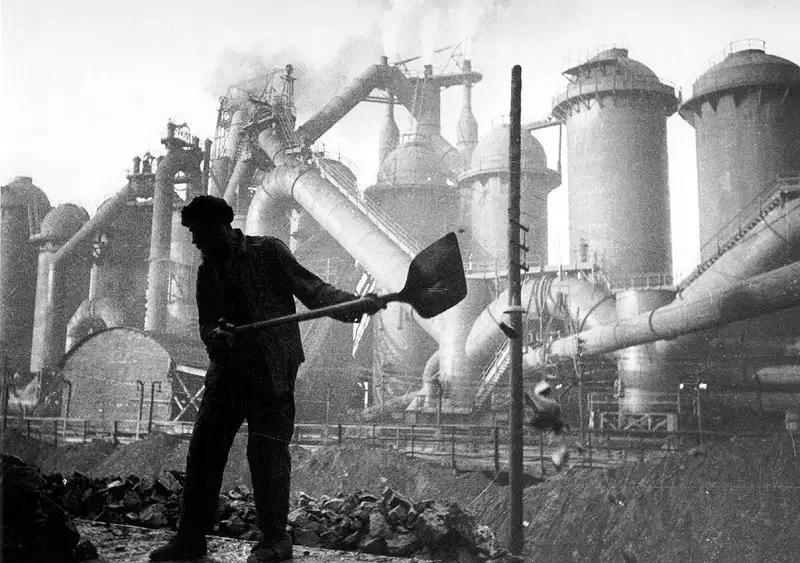
Stalin’s ‘five-year plans’ were aimed at...
confiscating the land of wealthy factory owners
building heavy industry and improving transportation
allowing limited capitalism to help the economy grow
raising the standard of living of the peasantry
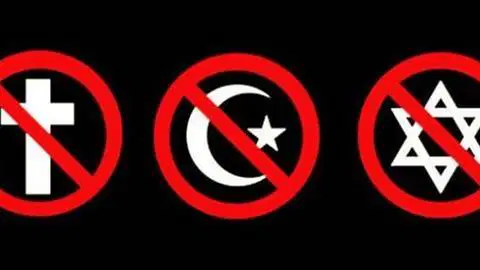
In accordance with the ideas of Marx, ____, or the belief that there is no god, became the official policy of the Soviet Union. The Communists seized most religious property, converted churches into offices and museums, and sentenced priests and religious leaders to die in prison camps. Portraits of Stalin replaced religious icons in homes.
deism
theism
agnosticism
atheism
spiritualism
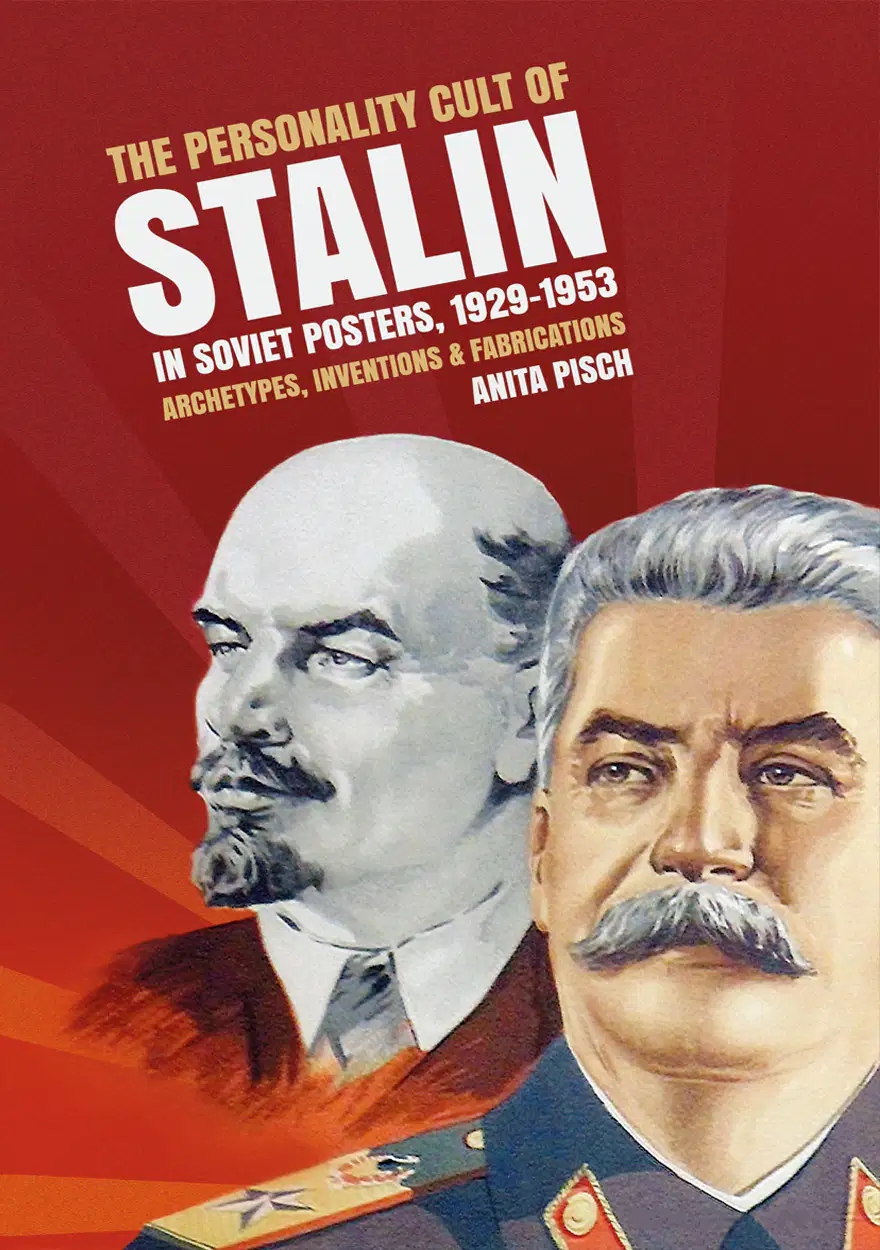
Stalin tried to boost morale and faith in the communist system by making himself a godlike figure. He tried to do this by distributing propaganda, censoring opposing ideas, imposing Russian culture on minorities, and replacing religion with communist ideology. He used propaganda as a tool to build up a "___ __ ____" around himself.
a cult of personality
revolutionary leader
cultural icon
political dynasty
heroic narrative

The ____was the system of the Soviet forced-labor camps. They housed political prisoners as well as actual criminals and became a symbol of political repression in the Soviet Union.
Gulag
Prisoner of War Camps
Reeducation Centers
Political Asylum Centers
Labor Reform Facilities

In the furtherance of Stalin's efforts to create a modern industrialized economy for the Soviet Union, a policy of forced _______ was implemented where peasants were stripped of their private property and forced to the state on farms. Anyone who refused was beaten, shot, or sent to a labor camp.
decentralization
industrialization
privatization
nationalization
collectivization

Nikolai Yazov, the head of Stalin's secret police, at only five feet tall was nicknamed the ____ ____ due to his enthusiasm for torturing victims
little terror
bloody dwarf
petite villain
short menace
tiny monster

Under Stalin, hundreds of thousands of the Soviet people were convicted of crimes like espionage, wrecking, sabotage, agitation, and conspiracy, often without a trial. These people were sentenced to ___, a system of brutal labor and concentration camps.
Internment
Reeducation
Shibuya
Gulag
Ghettos

The Soviet Union existed from 1947 till it was dissolved in ___, ending the Cold War rivalry between the USA and the capitalist Western Bloc and the USSR and communist Eastern Bloc.
2000
1991
1995
1987
1975

The ____was signed exactly five years after the assassination of Archduke Franz Ferdinand, bringing an end to World War I.
Treaty of Paris
Treaty of Versailles
Treaty of Brest-Litovsk
Treaty of Ghent
Treaty of Trianon

Germans of all classes blamed the Weimar Republic for the hated Treaty of _____, with its 'war guilt clause' and heavy 'reparations'. Many scapegoated Marxists or Jews for Germany's economic and political problems
Geneva
Paris
Versailles
Brussels
London

The Munich (Beer Hall) Putsch was significant because it...
Immediately resulted in Hitler becoming Chancellor.
Marked the first successful Nazi takeover of Germany.
Led to Hitler’s imprisonment, during which he wrote "Mein Kampf."
Ended the Occupation of the Ruhr.

Germany fell behind in their reparations payments in 1923. In response, France occupied the coal rich Ruhr Valley. taking over its iron, coal and steel industries. In turn, the German government printed huge quantities of paper money resulting in the German 'mark' becoming almost worthless. Such extreme rapid and sharp increase in prices is known as _____.
economic stability
deflation
stagflation
recession
hyperinflation

While in prison for a failed coup attempt, Hitler wrote ___ ___ (My Struggle), which became the book of Nazi goals and ideology. This book says that Germans belong to a superior 'master race' of Aryans, light skinned Europeans, whose main enemies were the Jews.
Mein Kampf
Mein Leben
The Prince
Das Kapital
The Communist Manifesto
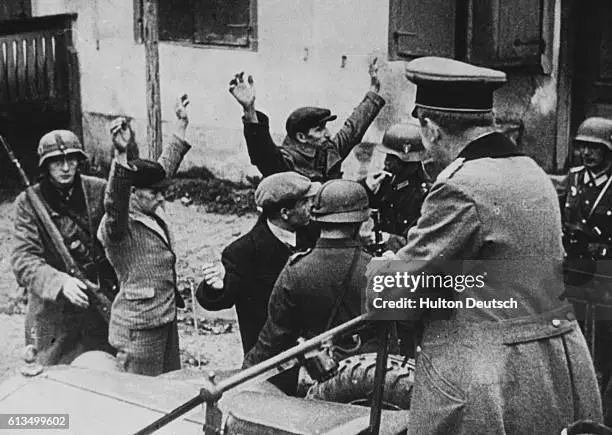
The ___ were the official secret police of Hitler and Nazi Germany, formed by Heinrich Himmler in 1934
Wehrmacht
Gestapo
SA (Sturmabteilung)
Luftwaffe
SS (Schutzstaffel)

The ____ prepared girls to be productive wives, emphasizing the importance of nurturing Aryan children and teaching German traditions and Nazi ideology
German Girls League
Hitlerjugend
Gestapo
Reichsarbeitsdienst
Nazi Eugenics Program

The ____ was introduced by Hitler in 1938. It was awarded to German mothers who had four or more healthy 'Aryan' children. Bronze was awarded for 4 to 5 children, silver for 6 to 7, and gold for 8 or more.
Mother's Cross
Eagle Order Cross
Iron Cross
Semitic Cross
War Merit Cross

World War II lasted from ___ to ___ It pitted the Axis powers against the Allies, which eventually included Britain, France, the Soviet Union, China, the United States, and 43 other nations.
(a)

The Nazi invasion of Poland revealed the power of Hitler's _____, or lightning war. The Germans used tank and air power technology was used strike devastating blows against their emeries.
Guerrilla Tactics
Siege Warfare
Naval Blockade
Blitzkrieg
Trench Warfare

In 1939, Germany attacked Poland from the west while the _____ attacked Poland from the east. Within a month, Poland ceased to exist as an independent nation.
France
Japan
Italy
Soviet Union
United Kingdom

During the winter of 1940, the French hunkered down behind the ____ ____, a border they had created in the 1930s to protect them from German invasion. Britain sent troops to wait with them. The Germans did not appear.
Maginot Line
Great Wall of China
Berlin Wall
Hindenburg Line
Siegfried Line

In May 1940, German forces surprised the French and British by attacking through the Ardennes Forest in _____, an area that was considered invasion-proof. Bypassing the Maginot Line, German troops poured into France. Retreating British troops were trapped between the Nazi army and the English Channel
Germany
Finland
Switzerland
Luxembourg
Belgium

The British sent all available naval vessels, merchant ships, and fishing and pleasure boats across the channel to rescue their stranded troops off the beach of ____. Despite German air attacks, they ferried more than 300,000 troops to safety in Britain.
Calais
Dieppe
Dunkirk
Boulogne
Cherbourg

Germany attacked France from the north, and Italy attacked from the South. France surrendered on June 22, ___. Hitler forced the French to sign surrender documents in the same railroad car that Germany signed the armistice to end World War I.
1931
1936
1938
1940
1942

Who said
"We shall defend our island, what the cost may be, we shall fight on the beaches, we shall fight on the landing grounds, we shall fight in the fields and in the streets, we shall fight in the hills, we shall never surrender"
(a)
Harry S. Truman
Dwight D. Eisenhower
Franklin D. Roosevelt
George S. Patton

Beginning in 1940, relays of German aircraft showered England's capital, London, with firebombs and high explosives. The bombing continued for 57 days in a row and then sporadically until May 1941. These bombing attacks are known as "___ ___"
the Blitz
the Bombing
the Siege
the Attack
the Invasion

In 1941, Hitler broke the Nazi-Soviet Pact. He launched an invasion of the Soviet Union, known as Operation _____. He wanted to gain 'living space' for Aryans and to control regions rich in natural resources. About 3 million German soldiers invaded. The Soviets lost about 2.5 million soldiers attempting to fight off the Germans. The Nazis were poised to take the cities of Moscow and Leningrad (St. Petersburg)
Barbarossa
Sea Lion
Market Garden
Torch
Overlord

The Nazi's began a siege of the Soviet city of _____ in 1941. This lasted for two and a half years. Desperate people trapped within this city ate almost anything. For example, they boiled wallpaper scraped off the walls because its paste was said to contain potato flour. Although more than a million of this city's people died, the city did not fall.
Warsaw
Kiev
Leningrad
Stalingrad
Moscow

In 1941, Japanese airplanes torpedoed and bombed the American fleet at Pearl Harbor in Hawaii. The attack took the lives of about ____ people and destroyed battleships and aircraft. The next day, the United States declared war on Japan. Then, Japan's allies, Germany and Italy, declared war on the United States.
1000
5000
2400
3000
1500

About how many soldiers were rescued from the shores of Dunkirk?
about 300
about 3,000
about 30,000
about 300,000
about 3,000,000

Which of the numbers below represents the country that was
under Axis control throughout most of World War II?
4
2
3
1

Which country did Italian forces invade in October 1940?
Egypt
Greece
Turkey
Bulgaria
Austria
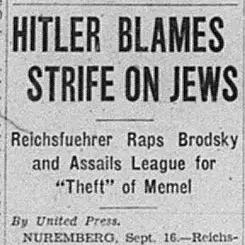
Which was a cornerstone of Hitler’s anti-Semitic policies?
He falsely blamed Jews for Germany’s defeat in World War I.
e feared that Jews would soon outnumber Aryans in Germany?
He was a strong supporter of German Christian churches.
He resented Jewish opposition to the Weimar government.

Which of the following is a reason why Western countries refused to accept more Jewish refugees in the late 1930s?
Western countries were not aware of Hitler’s racial theories.
Western countries needed to commit all their resources to the war effort.
Western countries did not want to provoke war with Germany.
Western countries were burdened with the effects of the Great Depression.
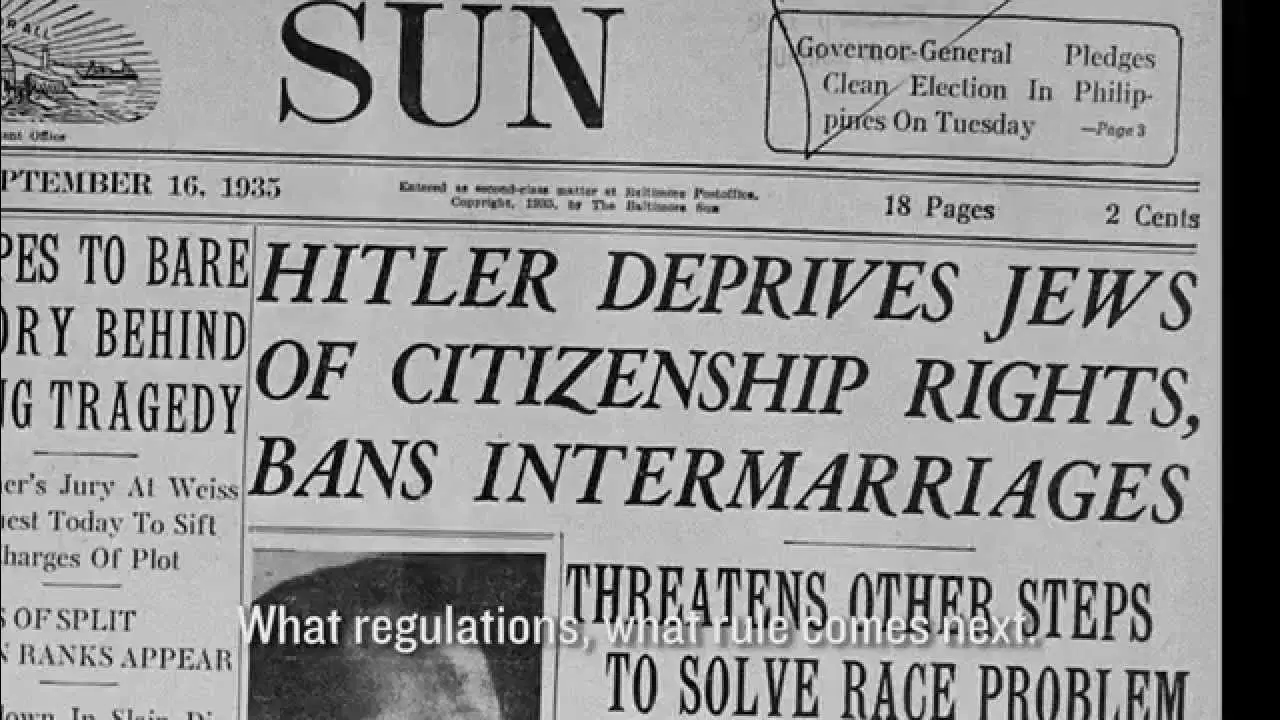
The _____ ___ of 1935 put Nazi racist ideology into practice. They removed citizenship from German Jews and banned marriage between Jews and non-Jews. Before long, the Nazi's forced the Jews from their jobs and homes; and escalated violence against the Jews.
Dawes Plan
Pact of Steel
Nuremberg Laws
Treaty of Versailles
Munich Agreement

Certain sections of cities were set aside to imprison Jews, these sections were called...
NIMBY zones
the projects
ghettos
government assisted housing developments
coffin home neighborhoods

What was the program where Adolf had all the handicapped killed during the holocaust?
Deutsch Program
T-4 program
25-Point Program
Austrian Party Program
Final Solution

Anti-Sematic propaganda triggered an attack on Jews in 1938. Nazi-led mobs smashed windows, looted, and destroyed Jewish homes, businesses, and synagogues. This wave of violence in Germany and Austria is known as the Kristallnacht or ___
The Purge
Week of Violence
Evening of Destruction
Hitler's Judgement
Night of Broken Glass
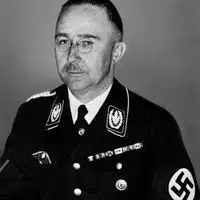
____ ____ was the person who was in charge of Germany's concentration camps beginning in 1934
Adolf Eichmann
Rudolf Hess
Heinrich Himmler
Hermann Göring
Joseph Goebbels

Hitler and the Nazis devised what they called the "Final solution to the Jewish question." Their goal was the extermination of all European Jews. This campaign eventually became known as the _____.
Holocaust
European Resettlement Initiative
Nazi Purification Campaign
Purge
The Final Countdown

Hitler had six "___" built in Poland, where Nazis shipped Jews and others marked for extermination from all over occupied Europe. Upon arrival, prisoners were stripped and had their heads shaved. The men, women, and children were separated. The young children, the elderly, and the sick were murdered immediately, gassed in the shower rooms.
detention centers
refugee camps
labor camps
death camps
transit camps
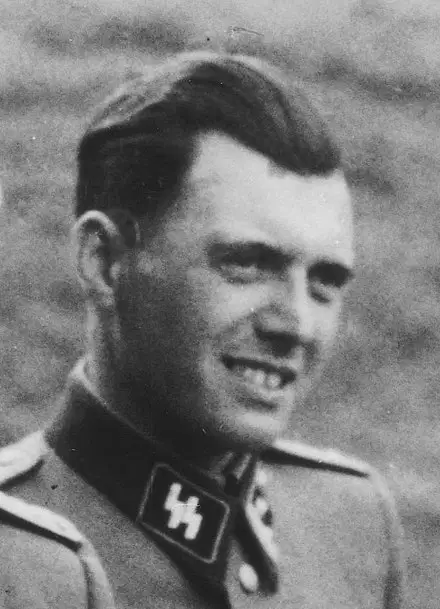
__ ___ was a physician at the Austrian concentration camp. He is notorious for conducting brutal experiments to see how different ethnic groups responded to contagious diseases like malaria or yellow fever.
Rudolf Hess
Heinrich Himmler
Adolf Eichmann
Josef Mengele
Joseph Goebbels

By June 1945, the Nazis had massacred more than ____ million Jews. Almost as many "undesirable" people were killed as well.
10
8
6
4
2

___ was the largest death camp that was built by the Nazis and is located in southern Poland.
Majdanek
Auschwitz
Sobibor
Belzec
Treblinka
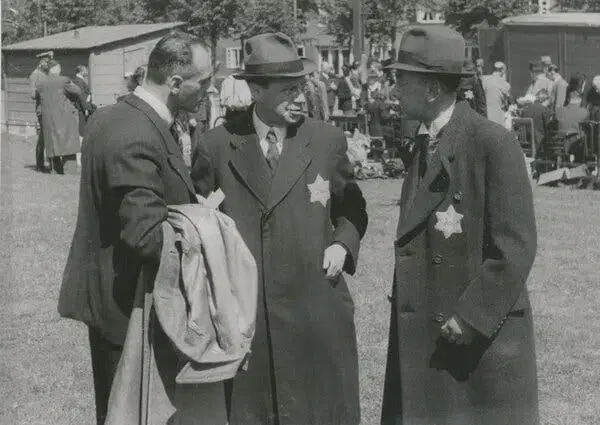
Which of the following countries had the highest population of Jews in 1933?
Germany
France
Italy
Poland
Echolalia
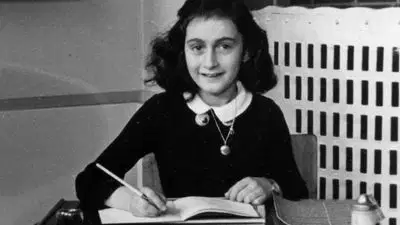
____ ____ was one of over a million Jewish children who were murdered by the Nazis. She and her family lived in hiding in Amsterdam (Netherlands) for over two years before being discovered and sent to a concentration camp. Her diary remains a key document of the Holocaust.
Anne Frank
Margot Frank
Eva Braun
Tanner Evans
Pachacuti

Many of the Jews in Germany and Austria wanted to migrate to escape the increasingly dangerous persecution of the Nazis. Most countries, including the United States, were not willing to accept them as refugees. In the midst of the ___ ___, most Americans worried that refugees would take away jobs.
World War I
Industrial Revolution
Cold War
Roaring Twenties
Great Depression

The Nazis had massacred some six million Jews during the Holocaust. This was ___ ___ of all the Jews in Europe. Nearly five million other people were killed as well.
approximately 25% or 1/4th
approximately 10% or 1/10th
approximately 66% or 2/3rds
approximately 33% or 1/3rd
approximately 50% or 1/2
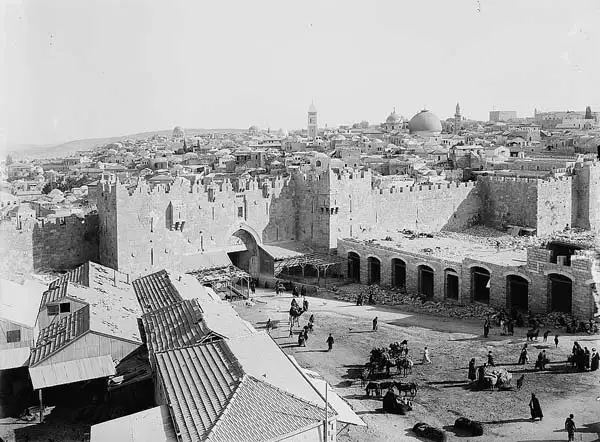
Jewish leader David Ben-Gurion proclaimed the State of Israel in the former British mandate of ____ in 1948. Many displaced holocaust survivors immigrated here for a new start.
(a)
Syria
Lebanon
Egypt
Jordan

(a) was the main gas used by the Nazis to exterminate Jews.
Helium gas
Propane gas
Mustard gas
Chlorine gas
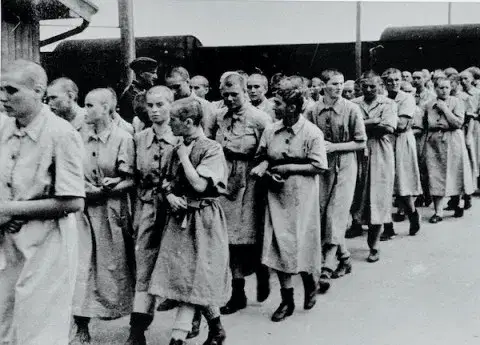
The Nazis shaved the hair from the heads of their Holocaust victims. This hair was then sent to ___ , a felt company located in Bavaria, Germany, to be used for the production of various products.
Bavarian Felt Co.
Alex Zink Feltworks Inc.
Textile Innovations
Rohm & Haas
Volkswagen Wool Supplies
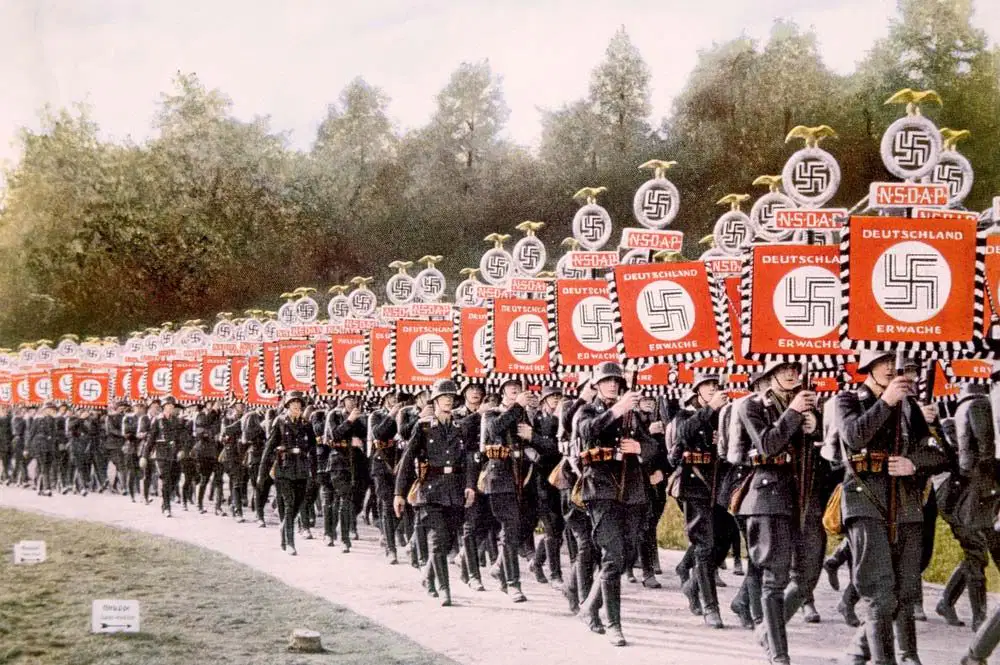
The name for the Nazi regime in Germany from January 1933 to May 1945 was called the...
Final Solution
Third Reich
The S.S.
The Gestapo
Kuomintang

Approximately how many people were killed by the Nazi's and their collaborators during the Holocaust (this is the total, not just Jews)?
6 million
250,000
40 million
12 million
2 million

In 1941 the ____ (Tuvia, Asael, and Zus) fled to the woods in Belarus after the Nazis murdered their parents and two of their siblings. They rescued Jews from ghettos and moved them to the forest. Their camp grew to include some 1,200 people by 1944. These partisans were dramatized in the film Defiance [2008].

____ was the largest Jewish uprising during World War II. It began with about 700 young Jewish fighters. It resulted in about 7,000 Jews being killed as the fighting expanded. Another 7,000 Jews were captured and deported to a killing center in Treblinka.
Select the three most infamous leaders from World History that we learned about during this half of the year. These three leaders carried out purges on their own poeple.
(a) (b) (c)Mahatma Gandhi

