
 Worksheets
Dark Ages Review
Total questions: 40
Worksheet time: 20mins
What is the name of the holy Islamic city?
Mecca
Jerusalem
Baghdad
Taraq
Who was Bede during the Dark Ages?
A Monk who hand-wrote and preserved centuries of history.
A Viking that discovered Vinland (modern day Newfoundland).
A Byzantine ruler that helped push education and Christianity in his conquered lands.
A messiah that helped spread the word of God and share the teaching of Christianity.
What do you call a follower of the Islamic faith?
Judaist
Islamite
Muslim
Quran
The belief in one god or goddess is ...
Polytheism
Monotheism
Solotheism
Atheistic
Are the religions of Christianity, Judaism and Islam monotheistic or polytheistic?
Monotheistic
Polytheistic
Were the Vikings monotheistic or polytheistic?
Monotheistic
Polytheistic
What was the name of the Germanic tribe that lead to the downfall of Rome and lead to the Dark Ages?
Vikings
Visigoths
Mongolians
Huns
True or False: Very few of the Vikings were warriors who attacked other European cities, while the majority stayed in Scandinavia and lived on farms or in villages.
True
False
Would traders and merchants travel the entire 4000 miles of the Silk Road or only parts of it?
Traders and merchants traveled the entire Silk Road
Traders and merchants only traveled on parts of the Silk Road
Traders and merchants would travel on both the maritime and overland routes to make the entire 6000 km trip as quickly as possible
The holy book of Islam is the...
Quran/Koran
Torah
Bible
The holy book of Judaism is the...
Quran/Koran
Torah
Bible
The holy book of Christianity is the....
Quran/Koran
Torah
Bible
What are the religious laws of the Torah?
Old Testament
10 Commandments
New Testaments
Haj
What part of the Christian Bible is the Torah?
Old Testament
New Testament
Book of Revelations
10 Commandments
The Bible is comprised of the Old Testament and the New Testament; the New Testament is composed of...
New religious laws.
The story of Jesus life.
A new set of religious teachings.
Corrections to the Old Testament.
Jesus practiced what religion during his lifetime?
Judaism
Christianity
Islam
What is the Islamic place of worship called?
Mosque
Church
Synagogue/Temple
What is the Jewish place of worship called?
Mosque
Church
Synagogue/Temple
What is the Christian place of worship called?
Mosque
Church
Synagogue/Temple
What animal / insect carried the bacteria that caused the Bubonic Plague outbreak?
Rats & Mosquitos
Cats & Fleas
Dogs & Fleas
Rats and Fleas
The Arabic or Islamic name for God is....
Muhammad
God
Allah
Yahweh
Charlemagne is responsible for helping to spread which religion?
Islam
Christianity
Judaism
What are the 2 major ways the religion of Islam spread?
Word of mouth and books
Books and Trade
Trade and Conquest
Conquest and word of mouth
True or False: Muslims, Christians and Jews all pray to the same god, as according to them, there is only one god.
True
False
True or False: Bandits, harsh terrain and bad weather, like sandstorms, made the Silk Road dangerous.
True
False
Which religion is the oldest?
Islam
Judaism
Christianity
Which religion is the newest?
Islam
Judaism
Christianity
Who is the messiah for Islam?
Muhammad
David
Jesus
Moses
Who is the messiah for Judaism?
Muhammad
David
Jesus
Moses
Who is the messiah for Christianity?
Muhammad
David
Jesus
Moses
True or False : Lief Eriksson and his Viking crew were the first Europeans to discover North America, doing so almost 500 years before Christopher Columbus (1492)?
True
False
Which countries make up the region known as "Scandinavia", the place where Vikings originally lived?
England, France and Spain
Norway, Sweden and Denmark
Denmark, Finland and Greenland
Iceland, Sweden and Denmark
True or False : Viking longships/longboats were technological marvels because they used sails, could glide over waves, had cannons, and could carry men and horses quickly over long distances.
True
False
The Bubonic Plague took out nearly what percent of Europe's population?
25%
35%
50%
55%
Groups of travelers on the Silk Road were called ...
Caravans
Sand Traders
Footsmen
Roadies
Which word best describes the scope of the Silk
Road?
Interminable
Intergalactic
Intercontinental
Interstate
Which of the following contributed most to the
completion of the overland Silk Routes?
The growth of powerful empires in Europe and Asia
Trade between small, neighboring tribes
China's hunger for foreign goods
Competition from the maritime Silk Routes
Which of these famous structures owes its
existence at least partially to the Silk Road?

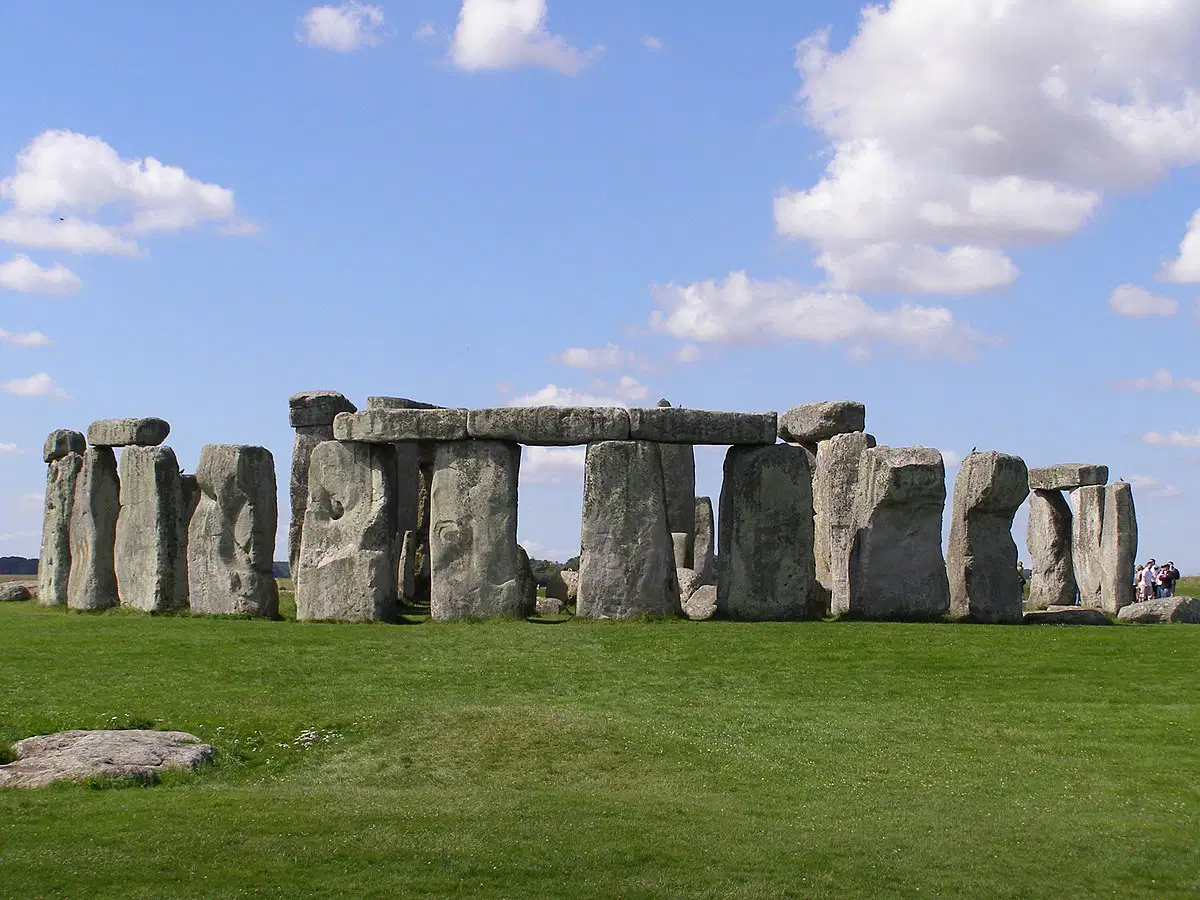

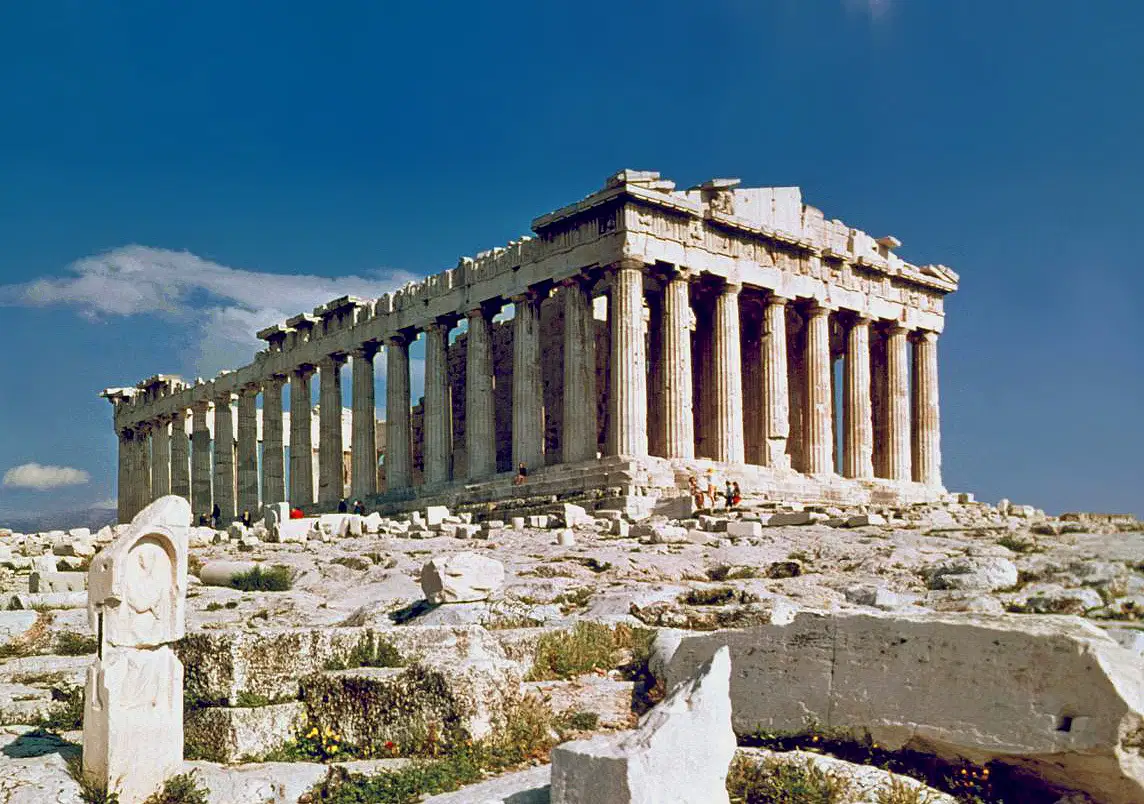
Which of the following examples provides the best
analogy for the movement of goods along the Silk
Road?
A waiter bringing food to a diner
An electric signal moving down a wire
A mail carrier delivering a package to a home
A runner passing a baton in a relay race
Which of the following Empires/Nations did not impact the success of the Silk Road?
Macedonian
Mongol
Han
Franks

