
 Worksheets
S1 Energy Part 1
Total questions: 69
Worksheet time: 43mins


Which is an example of convection?
Touching a hot pot
Gases rising and falling in the atmosphere
Cooking a burger
What is an example of convection currents
Feeling the heat from a bonfire with your friends
Touching a hot curling iron
The movement of air in a circular motion in the atmosphere
What is an example of a convection current?
Touching a hot spoon that was in a soup bowl.
Feeling the suns rays on a nice summer day.
Touching an iron skillet after cooking and feeling the heat.
Movement of gas in a hot air balloon.
Can convection currents occur in a solid?
No.
just in a liquid and gas.
Yes.
In a solid, liquid, and gas.
When do particles move faster?
In hot water
In cold water
......is a bad conductor of heat
copper
iron
plastic
Aluminium
What is an example of a good insulator?
wood
copper wiring
stones
concrete floor tiles

Properties of gas
Fixed shape, fixed volume, low density, compressible
No fixed shape, fixed volume, low density, compressible
No fixed, no fixed volume, low density, compressible
No fixed volume, no fixed shape, compressible, high density

Liquids have fixed volumes and fixed shapes
True
False

Properties of solid
Fixed, shape & volume, high density, hard and rigid
Fixed volume, high density, no fixed shaped
No fixed shape and volume, high density, hard and rigid
High density, fixed shape, hard and rigid, no fixed volume
What happens to the molecules in a solid as it gets hotter?
vibrate faster
start vibrate
vibrate slower
To measure how hot or cold something is called…
thermal
thermometer
temperature
What happens to the molecules in a liquid as it gets hotter?
speed up
slow down
stay at same speed

Heat is transferred from _____ objects to ______ objects
big,small
cold,hot
hot,cold
Temperature is ____________
thermal energy
a measure of how hot or cold an object is,
is the transfer of energy from one object to another.
Temperature is measured in ________
degrees
grams
Joules
Heat is measured in ________
degrees
grams
Joules
Heat is a form of ________
power
energy
temperature
Heat and Temperature are ______
same
different
opposites
The picture showing the energy conversion
electrical → heat and light
is:


The picture showing the energy conversion
Chemical → light & heat
is:


The picture showing the energy conversion
Electrical → light
is:

The picture showing the energy conversion
Chemical → light ONLY
is:
The picture showing the energy conversion
Chemical → kinetic
is:

The picture showing the energy conversion
Chemical → heat
is:

Name the Energy Conversion of a dryer.
Chemical→ Thermal and Light
Electrical → Elastic, Heat and Sound
Gravitational → Nuclear, Sound and Heat
Electrical → Heat, Kinetic and Sound
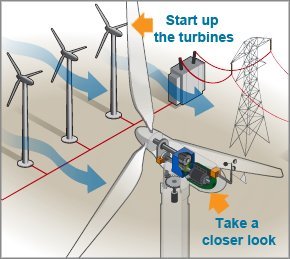
What is the energy conversion when a wind turbine turns to provide energy to a power supply?
electrical to potential
potential to kinetic
kinetic to electrical
nuclear to heat
What is an example of non-renewable energy?
Coal
Solar
Wind
Hydropower

A battery converts what type of energy to another?
sound to kinetic
light to heat
kinetic to electrical
chemical to electrical

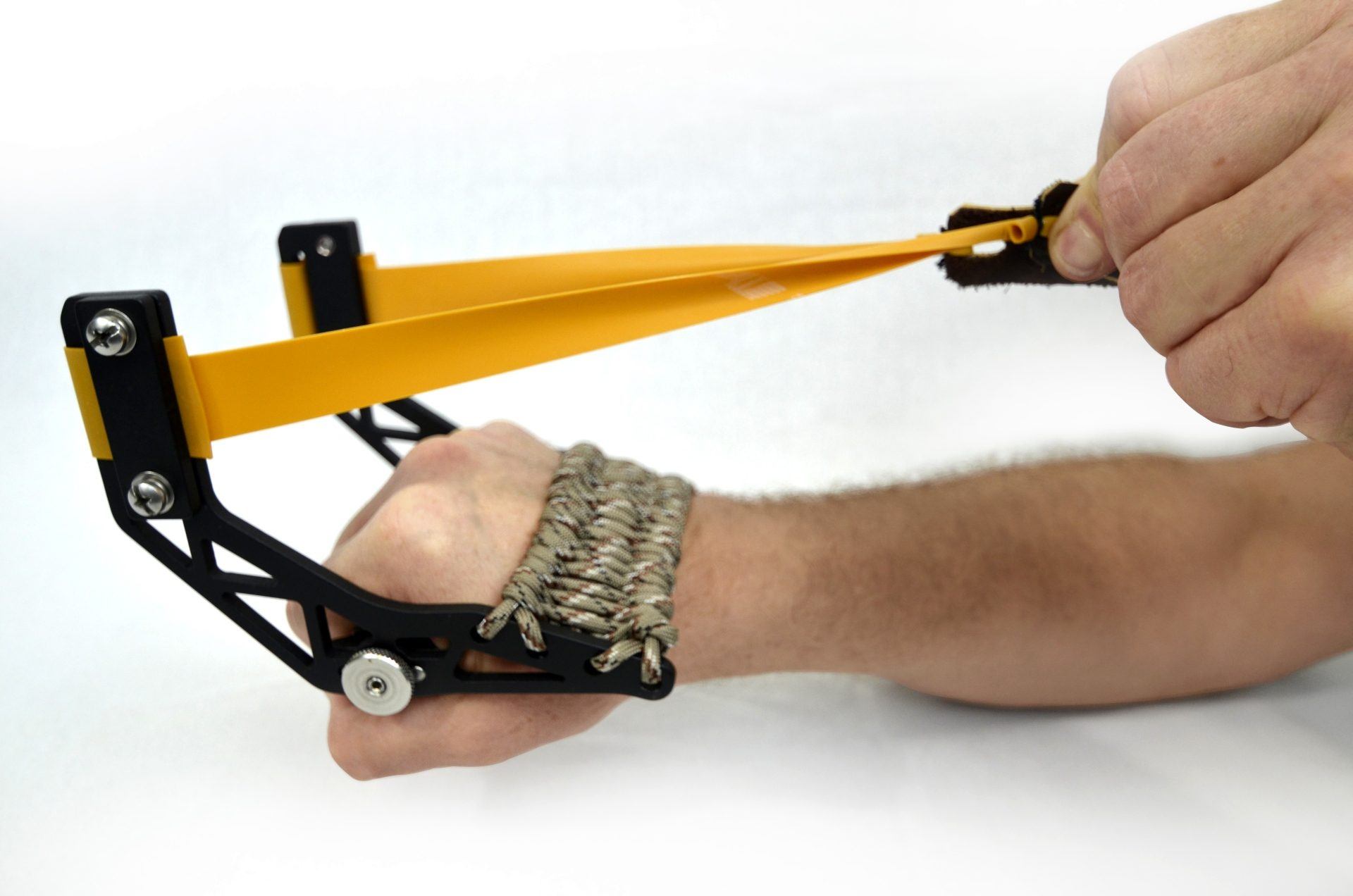
What kind of energy is represented in this picture?
Heat
Potential
Nuclear
Electrical
What type of energy do we get from the food we eat?
light
thermal
chemical
sound
What is energy measured in?
joules
newtons
kilograms
metres
What is kinetic energy?
moving energy
potential energy
stored energy
renewable energy
Which layer is made of liquid metal (Fe and Ni)?
crust
mantle
outer core
inner core
Which layer is made of slightly molten rock?
crust
mantle
outer core
inner core
Which layer is the thinnest?
crust
mantle
outer core
inner core
Which layer is the hottest?
crust
mantle
outer core
inner core
The correct order of the Earth's layers starting from the OUTSIDE going IN is
crust, inner core, mantle, outer core
mantle, outer core, inner core, crust
crust, mantle, outer core, inner core
inner core, outer core, mantle, crust
Where can geothermal energy be used best?
Near a river
Near a volcano
In a mountain
In the sea
What is an advantage of geothermal energy?
It produces carbon dioxide
It is expensive
It produces little to no pollution
It runs on oil
At what time is geothermal energy available?
Day
Night
All day
Never available
Geothermal energy produces pollution: True or False?
True
False
Who used geothermal energy for bath houses?
Celts
Americans
Romans
Victorians
What is geothermal energy?
Energy from the Sun
Energy made by wind spinning a turbine
Energy collected using the heat of the Earth
Energy collected by a hamster running on a wheel connected to a generator
How can you prevent heat lost from the windows?
Loft insulation
Cavity wall Insulation
Double Glazing
Draft Proofing
How can you prevent heat lost from the wallls?
Loft insulation
Cavity wall Insulation
Double Glazing
Draft Proofing
How can you prevent heat lost from the roof?
Loft insulation
Cavity wall Insulation
Double Glazing
Draft Proofing
Where is most of the heat lost from a house?
The walls
The windows
The roof
The floor
Which of these are ways that heat is lost through the home? (tick three)
the roof
the walls
the windows
the floor
When a candle is lit hydrocarbons are combusting. An exothermic reaction is occuring. Energy is being _________________ .
absorbed
frozen
destroyed
released
What instrument would you use to detect an endothermic or exothermic reaction?
triple beam balance
ruler
thermometer
Exo means out or ________.
absorbed
released
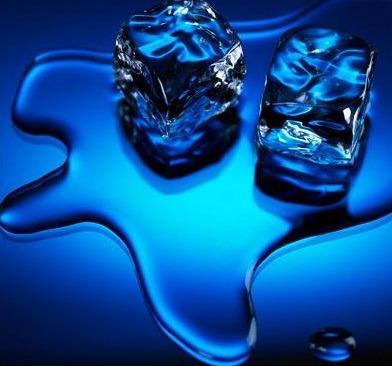
____ reactions usually feel cold.
endothermic
exothermic
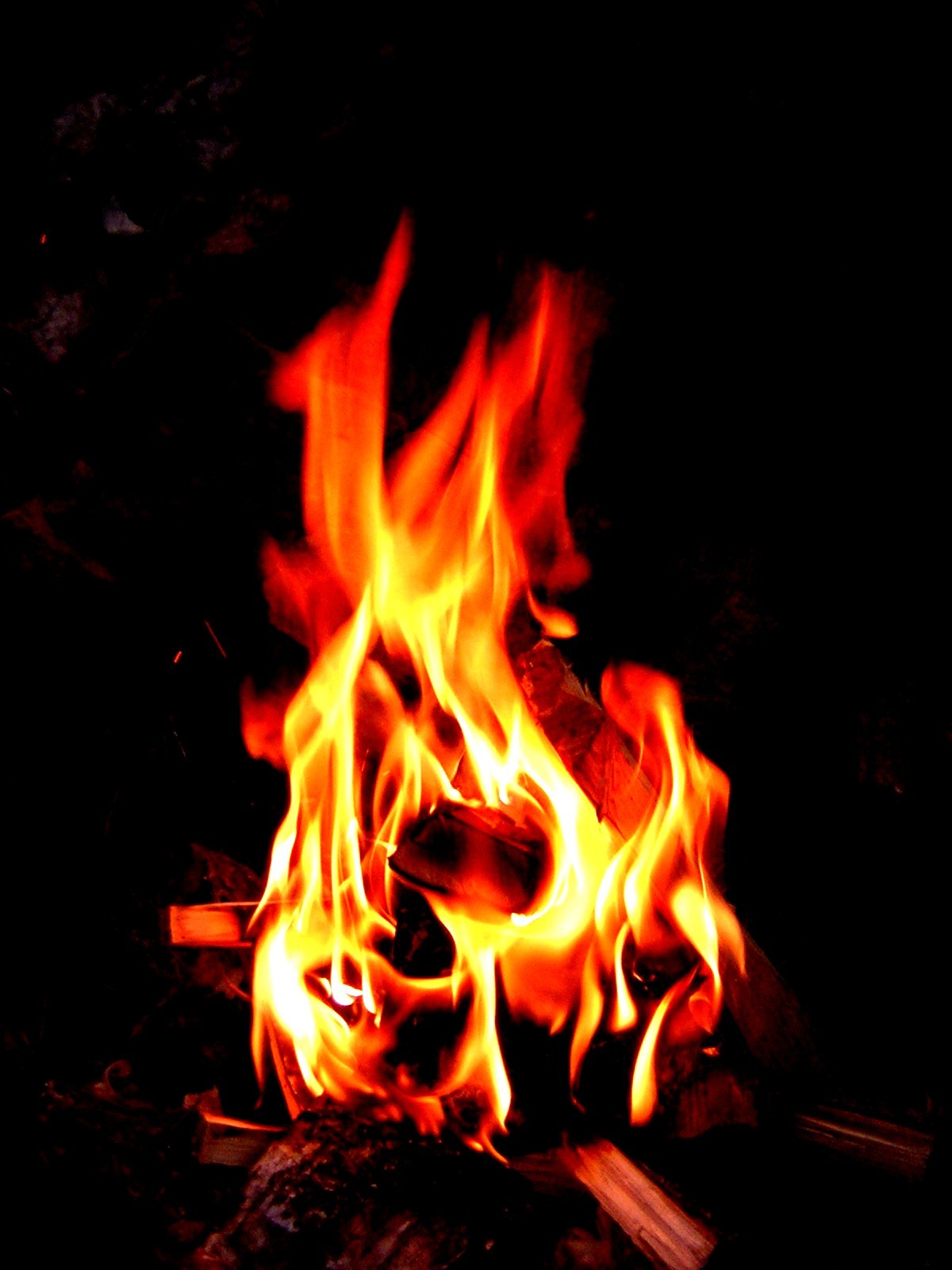
_____ reactions usually feel hot!
endothermic
exothermic
In an endothermic reaction, energy is _________.
absorbed
released

