
 Worksheets
Asian Civilizations Review
Total questions: 30
Worksheet time: 15mins
Name
Class
Date
1.

Which invention made it easier and cheaper to print books in ancient China?
a)
Gunpowder
b)
Paper money
c)
Movable type
d)
Porcelain
2.
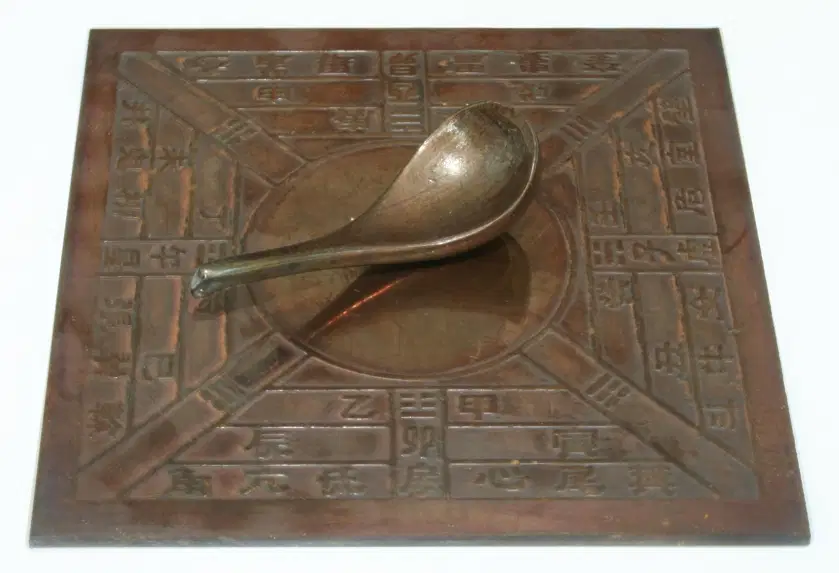
What Chinese invention allowed sailors to navigate without the sun or stars?
a)
Astrolabe
b)
Magnetic compass
c)
Telescope
d)
Cross-staff
3.
What belief helped spread Buddhism from India to other parts of Asia?
a)
Reincarnation
b)
Comfort and hope after suffering
c)
Karma
d)
Nirvana
4.
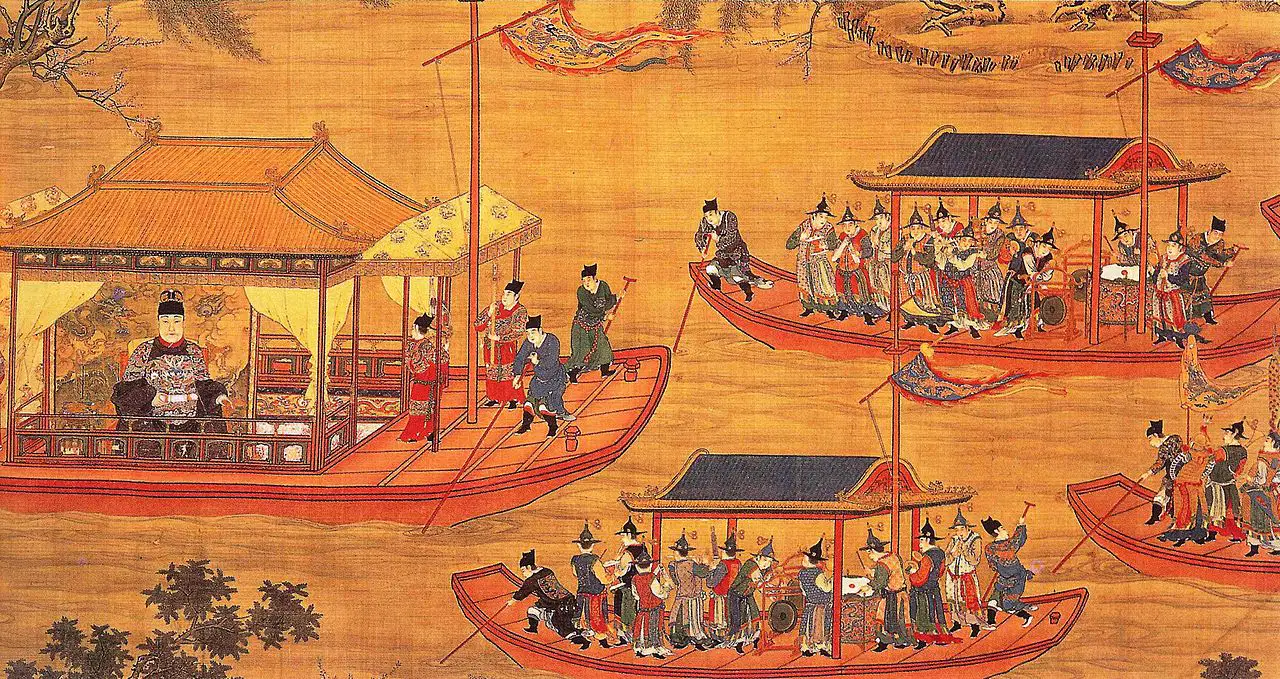
Which group of people helped spread Buddhism from India to China?
a)
Samurai and shoguns
b)
Foreign traders and missionaries
c)
European crusaders
d)
Chinese scholars
5.

Confucianism teaches the importance of:
a)
Meditation and isolation
b)
Equality and freedom
c)
Respect, duty, and loyalty to family
d)
Worshiping many gods
6.

What material did the Chinese NOT invent?
a)
Paper
b)
Porcelain
c)
Concrete
d)
Fireworks
7.
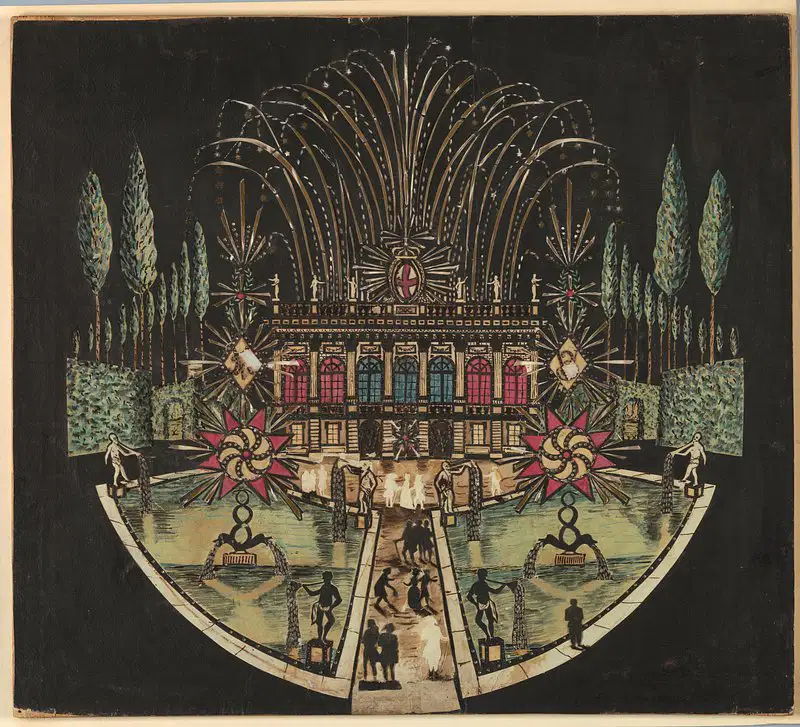
The invention of gunpowder led to the creation of:
a)
Ships and sails
b)
Cannons and fireworks
c)
Pyramids
d)
Aqueducts
8.
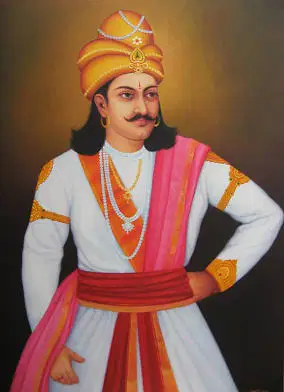
Which Indian emperor promoted Buddhism and spread it beyond India?
a)
Akbar the Great
b)
Chandragupta
c)
Ashoka
d)
Babur
9.

Which religion began in India and spread widely across Asia?
a)
Islam
b)
Buddhism
c)
Christianity
d)
Confucianism
10.

The Khmer Empire was located in present-day:
a)
Thailand
b)
Cambodia
c)
Vietnam
d)
Indonesia
11.

What massive temple complex did the Khmer Empire build?
a)
Borobudur
b)
Angkor Wat
c)
Taj Mahal
d)
Shwedagon Pagoda
12.
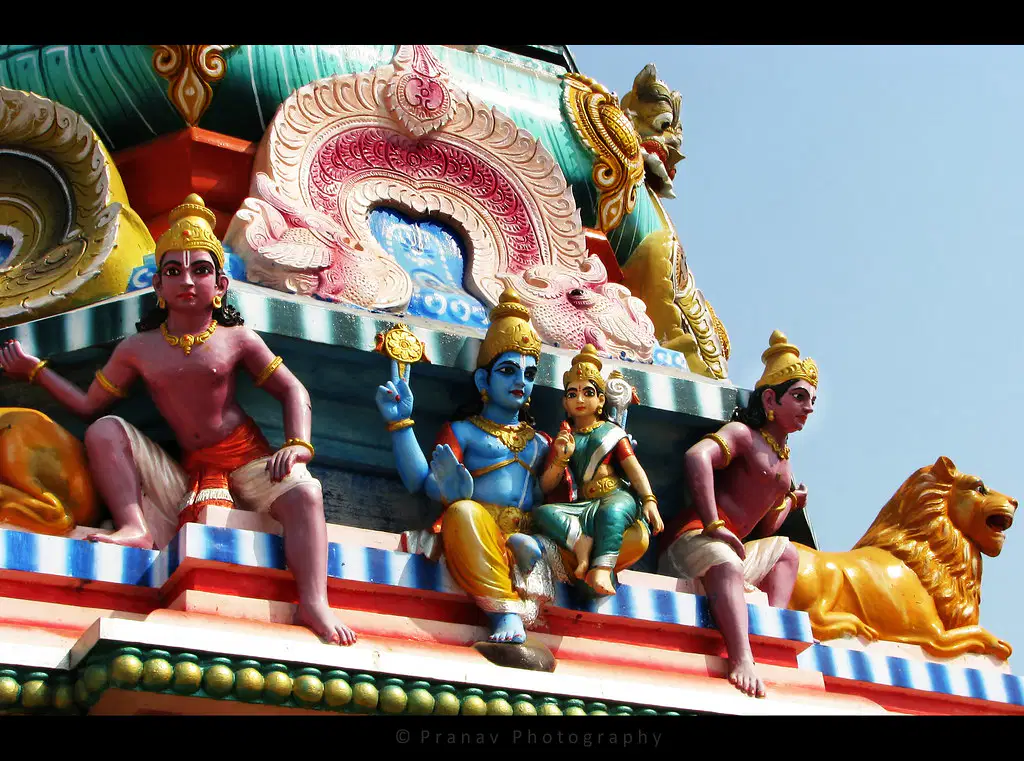
The religion that greatly influenced Khmer architecture was:
a)
Christianity
b)
Islam
c)
Hinduism
d)
Judaism
13.

What Japanese religion is based on the worship of spirits in nature?
a)
Buddhism
b)
Confucianism
c)
Daoism
d)
Shinto
14.
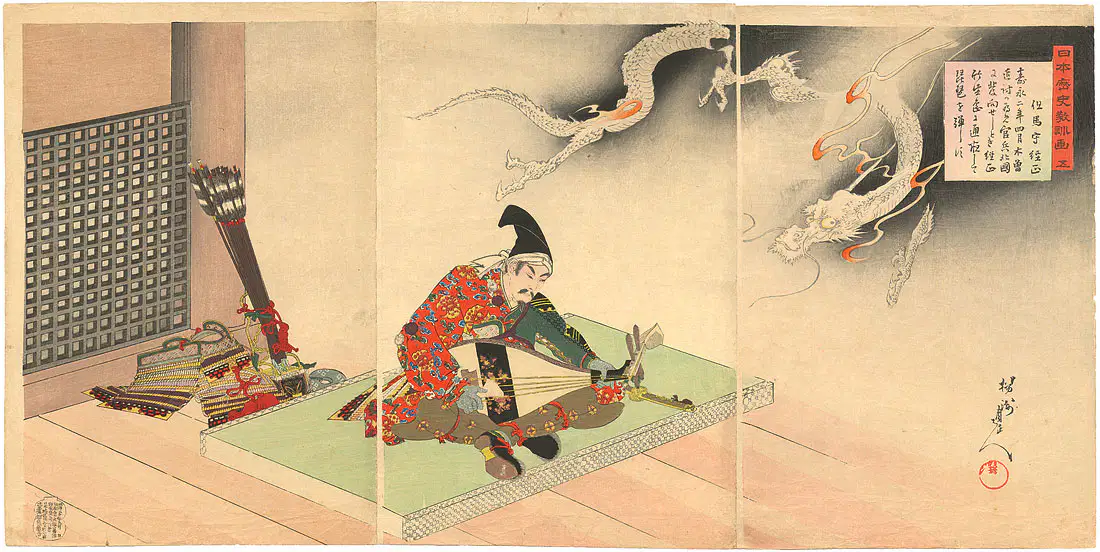
The spirits that are worshipped in Shinto are called:
a)
Kami
b)
Karma
c)
Buddha
d)
Nirvana
15.
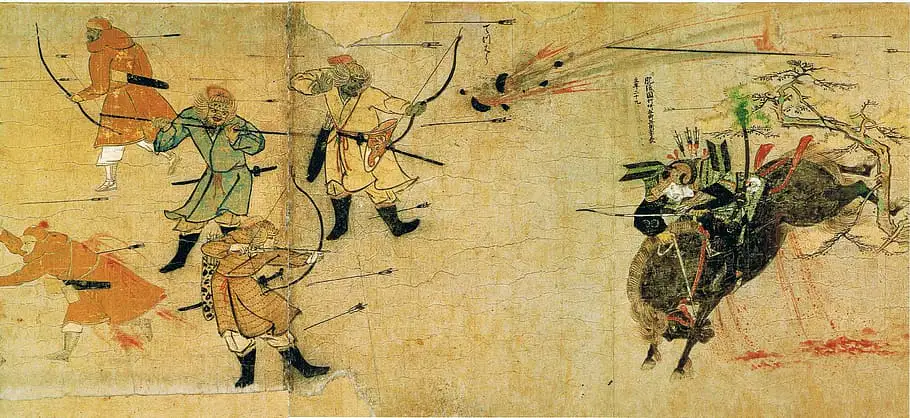
Which ancient Japanese culture introduced metalworking and farming?
a)
Ainu
b)
Jomon
c)
Yayoi
d)
Samurai
16.

What system in Japan helped organize society with lords and warriors?
a)
Democracy
b)
Feudalism
c)
Capitalism
d)
Theocracy
17.

Who were the powerful landowners in feudal Japan?
a)
Samurai
b)
Shoguns
c)
Daimyo
d)
Monks
18.

What role did samurai play in feudal Japan?
a)
Farmers
b)
Teachers
c)
Warriors
d)
Priests
19.
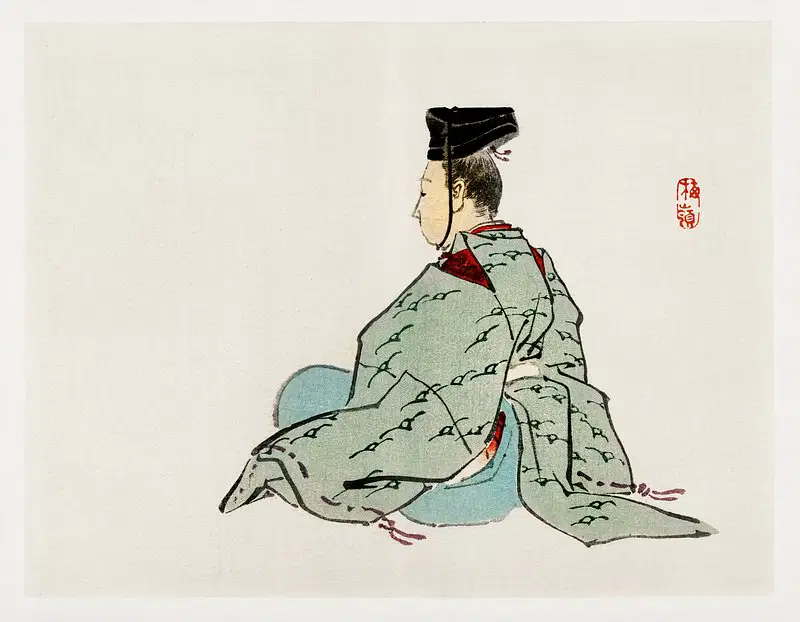
Why was the emperor of Japan considered a figurehead?
a)
He ruled absolutely
b)
He was a religious leader only
c)
He had little political power
d)
He was elected by the people
20.

What was one benefit for samurai under the feudal system?
a)
Free trade
b)
Respect and status
c)
Access to schools
d)
Freedom from war
21.
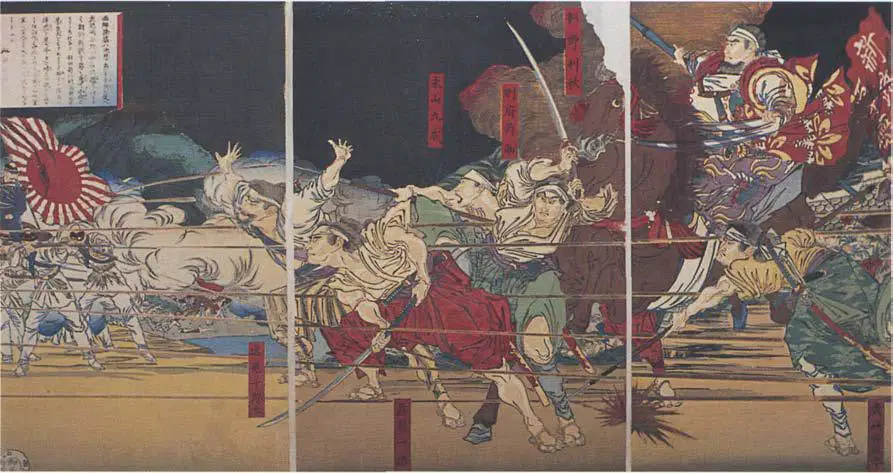
What was a major risk for samurai?
a)
Boredom
b)
High taxes
c)
Death in battle
d)
Harsh winters
22.

Why was feudalism helpful in Japan?
a)
It allowed for fast democracy
b)
It created structure and safety
c)
It encouraged isolation
d)
It supported industr
23.
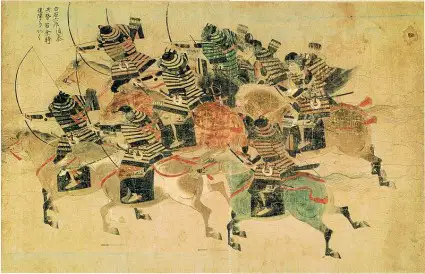
What was a drawback of feudal Japan?
a)
Too many elections
b)
No schools
c)
Constant warfare
d)
Equal rights
24.
Paper money was first used in:
a)
India
b)
China
c)
Japan
d)
Persia
25.

What ancient art form was enhanced by Chinese inventions?
a)
Music
b)
Calligraphy
c)
Sculpting
d)
Dancing
26.

Why did Buddhism appeal to many people?
a)
It focused on wealth
b)
It promised power
c)
It offered hope during suffering
d)
It rejected kindness
27.

Which of these was not invented in China?
a)
Gunpowder
b)
Movable type
c)
Zero
d)
Magnetic compass
28.

What is porcelain?
a)
A type of silk
b)
A strong metal
c)
A type of fine ceramic
d)
A paper-like fabric
29.

How did the magnetic compass impact world history?
a)
It helped build buildings
b)
It improved farming
c)
It enabled sea exploration and trade
d)
It was used in war tactics
30.
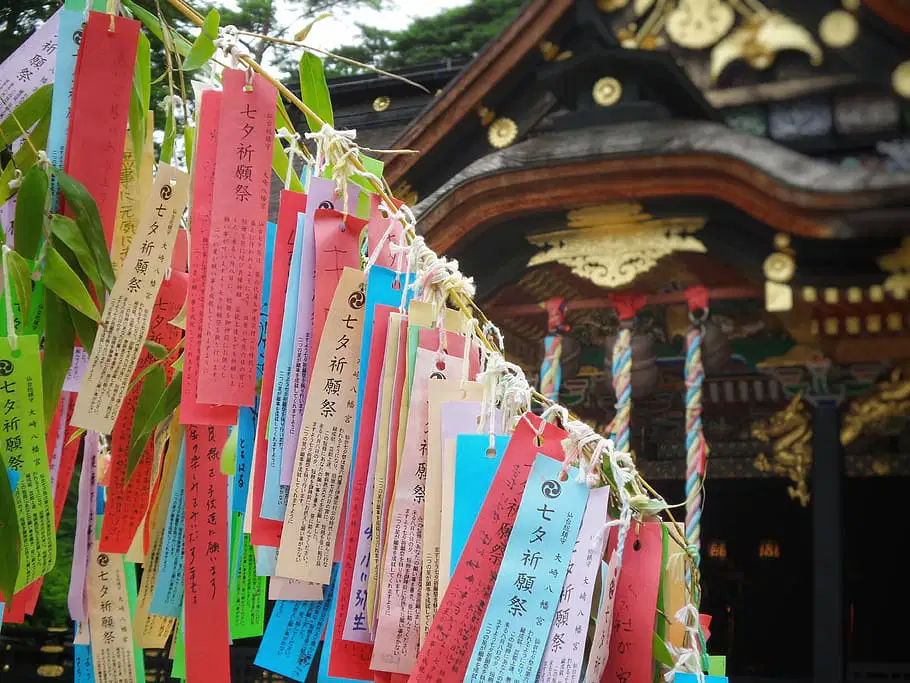
Which religion or belief system helped Japanese people value nature?
a)
Hinduism
b)
Confucianism
c)
Christianity
d)
Shintoism
100 %

