
 Worksheets
Waves Practice Assessment
Total questions: 21
Worksheet time: 11mins
Name
Class
Date
1.

Notice the image below. What word describes this picture?
a)
Reflection
b)
Scattering
c)
Diffraction
d)
Absorption
2.

What is this?
a)
Pinna
b)
Ear Canal
c)
Ear Drum
d)
Cochlea
e)
Auditory Nerve
3.
The _______ nerve sends the electrical signals to the brain.
a)
Auditory
b)
Pinna
c)
Cochlea
d)
Stirrup
4.
Occurs when waves bend around a barrier
a)
Absorption
b)
Transmission
c)
Scattering
d)
Diffraction
5.
Light bounces off of a smooth and shiny surface. This is an example of ---.
a)
reflection
b)
absorption
c)
refraction
d)
transparent
6.
Which part converts light waves into electrical signals?
a)
Retina
b)
Optic Nerve
c)
Blind spot
d)
Sclera
7.
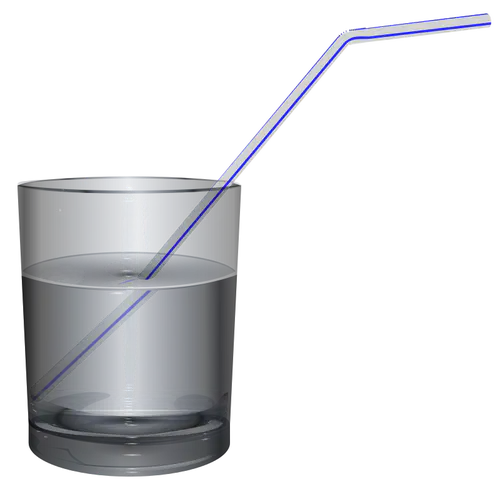
Notice the image below. The straw appears broken or bent. What word describes this picture?
a)
reflection
b)
absorption
c)
refraction
d)
transparent
8.
Which part supports the eyeball and provides attachment for muscles?
a)
Retina
b)
Optic Nerve
c)
Blind spot
d)
Sclera
9.
An example of this is when light passes through a window
a)
Reflection
b)
Absorption
c)
Transmission
d)
Refraction
10.

What is this?
a)
Hammer
b)
Pinna
c)
Ear Canal
d)
Ear Drum
e)
Cochlea
11.

What is this?
a)
Ear Drum
b)
Pinna
c)
Ear Canal
d)
Cochlea
e)
Auditory Nerve
12.
The ________ has tiny hairs that convert sound waves into electrical signals.
a)
Pinna
b)
Stirrup
c)
Anvil
d)
Cochlea
13.

What is this?
a)
Ear Canal
b)
Pinna
c)
Ear Drum
d)
Cochlea
e)
Auditory Nerve
14.
Which part allows for passage of light into the eye and focuses the light?
a)
Cornea
b)
Pupil
c)
Iris
d)
Sclera
e)
Lens
15.
Which part controls the amount of light entering the eye?
a)
Cornea
b)
Pupil
c)
Iris
d)
Sclera
e)
Lens
16.

What is this?
a)
Anvil
b)
Pinna
c)
Ear Canal
d)
Ear Drum
e)
Cochlea
17.
The ____ and the ______ are part of the outer ear
a)
pinna, cochlea
b)
cochlea, anvil
c)
pinna, ear canal
d)
hammer, ear canal
18.

What is this?
a)
Auditory Nerve
b)
Pinna
c)
Ear Canal
d)
Ear Drum
e)
Cochlea
19.
The number of waves produced in a given amount of time is the wave's
a)
amplitude
b)
wave speed
c)
wave length
d)
frequency
20.
What is the range of visible light that human eyes can
detect?
a)
100-400
b)
200-500
c)
300-600
d)
400-700
21.
Which part allows us to see near and far?
a)
Cornea
b)
Pupil
c)
Iris
d)
Sclera
e)
Lens
100 %

