
Font size
 Worksheets
Lesson 1 – What is democracy?
Total questions: 100
Worksheet time: 50mins
What does the word 'democracy' mean?
Rule by one person
People power
Rule by the wealthy
Rule by the military
The word 'democracy' comes from two Greek words: demos meaning 'the people' and ______ meaning 'power'.
kratos
polis
logos
ethos
The decision making experiment we have done in class is not a very fair way to make decisions on behalf of people. What is the fairer way to make decisions called?
democracy
autocracy
oligarchy
dictatorship
Democracy is _________.
a type of government where the power is in the hands of the people.
a system where only one person rules for life.
a government run by a king or queen.
a type of government where the military holds all power.
In a democracy, people can use their power directly or through _________
people who represent them
laws only
military leaders
judges
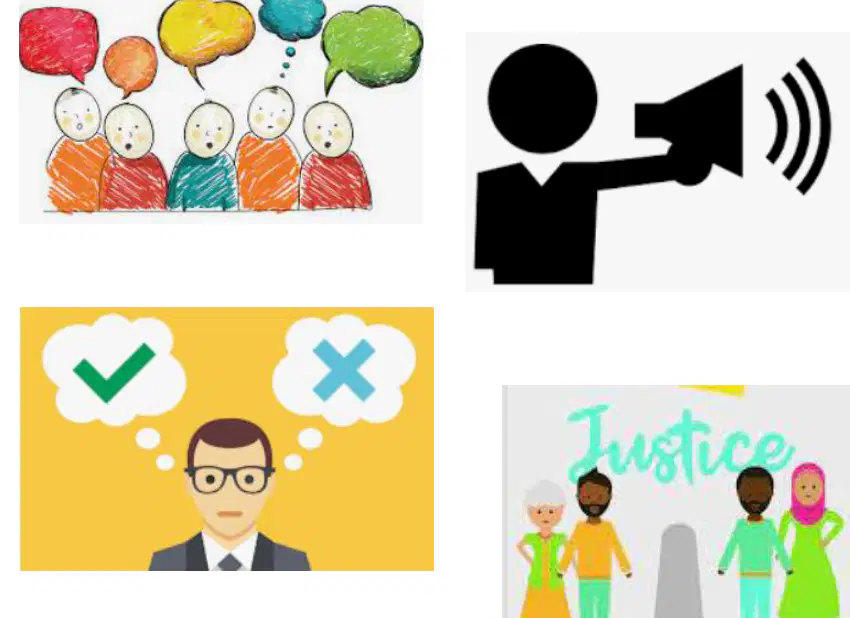
According to Lesson 1 – What is democracy?, what is meant by power? Fill in the blank: The power to have an _______.
opinion
argument
election
organization
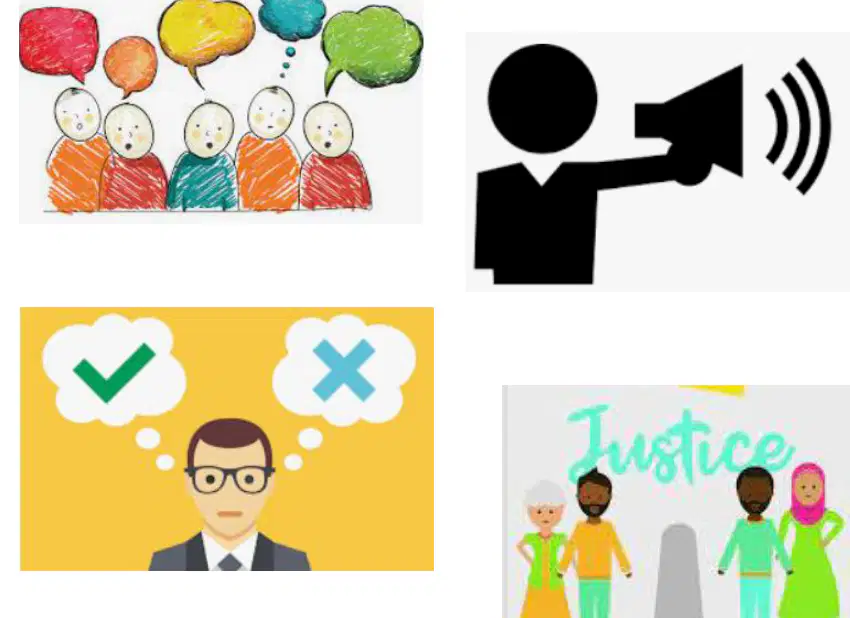
According to Lesson 1 – What is democracy?, what is meant by power? Fill in the blank: The power to express your _______.
opinion
money
age
height
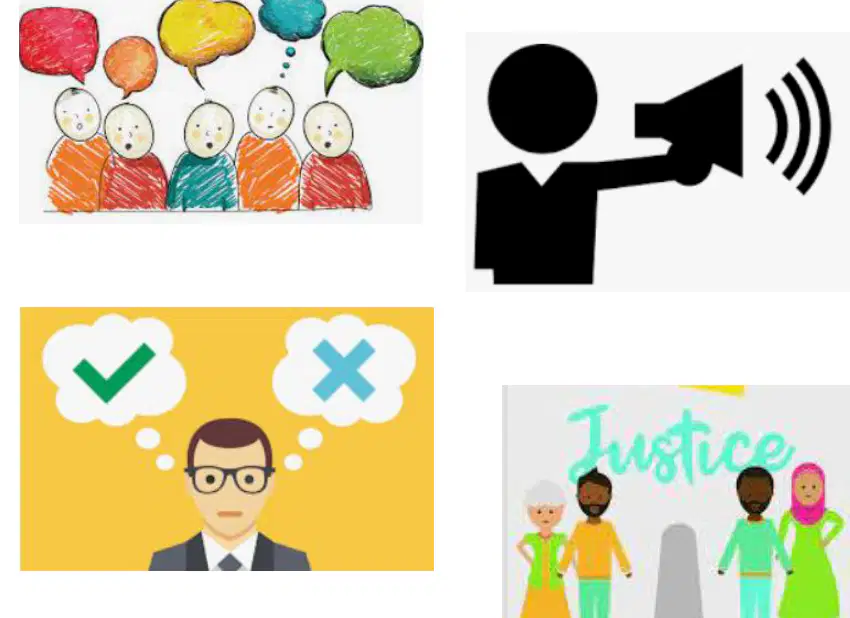
According to Lesson 1 – What is democracy?, what is meant by power? Fill in the blank: The power to be part of _______ making.
decision
money
law
group
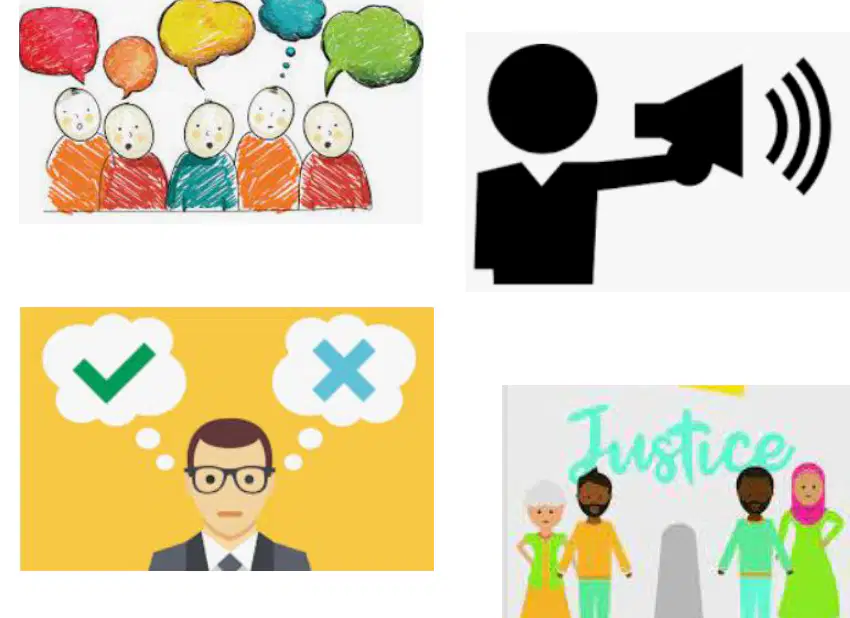
According to Lesson 1 – What is democracy?, what is meant by power? Fill in the blank: The power to be treated _______.
fairly
quickly
loudly
randomly
According to the lesson, how many levels of government does Australia have?
One
Two
Three
Four
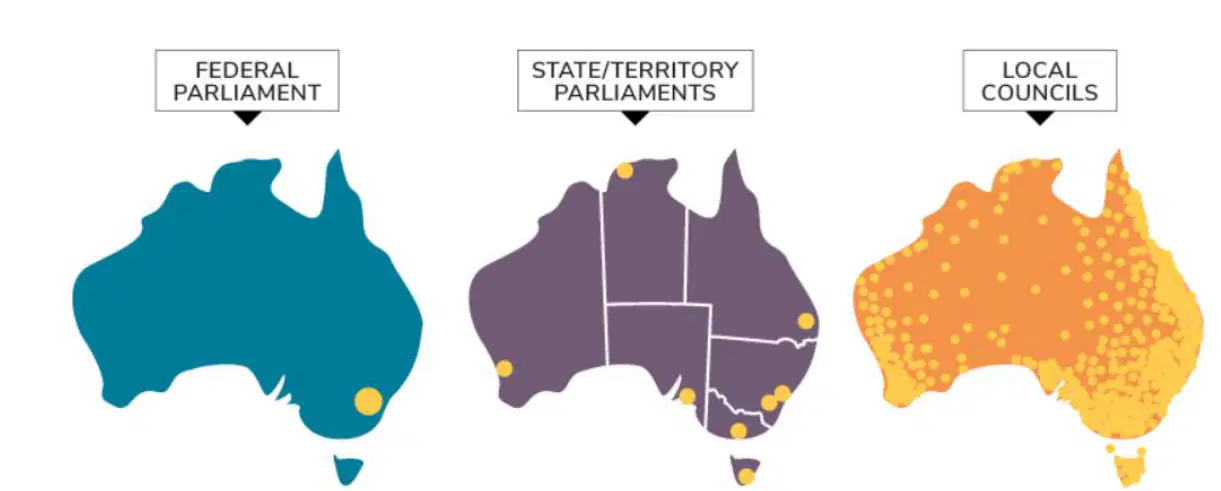
Name the three levels of government in Australia as shown in the diagram: Federal Parliament, State/Territory Parliaments, and _________?
Local Councils
Supreme Court
Prime Minister's Office
National Cabinet
The citizens of Australia have chosen representatives in both houses of parliament to make the laws that govern all Australians.
True
False
The main responsibility of the representatives chosen by the citizens of Australia is:
To make and change laws on behalf of the people
To enforce laws
To judge legal cases
To collect taxes
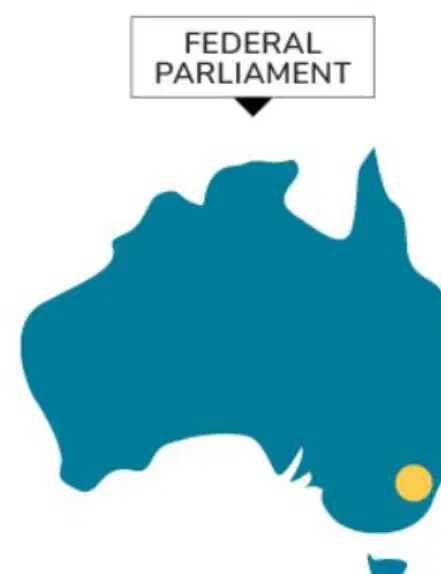
Which level of government makes laws for the whole of Australia?
State/Territory Parliaments
Local Councils
Federal Parliament
City Councils
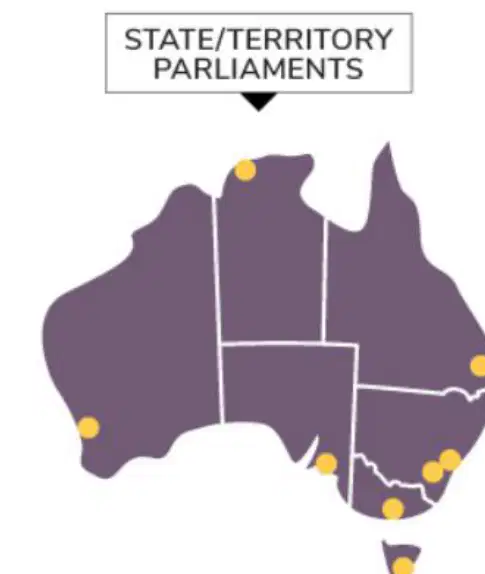
How many state and territory parliaments are there in Australia?
6 state and 2 territory parliaments
7 state and 3 territory parliaments
5 state and 1 territory parliament
8 state and 4 territory parliaments
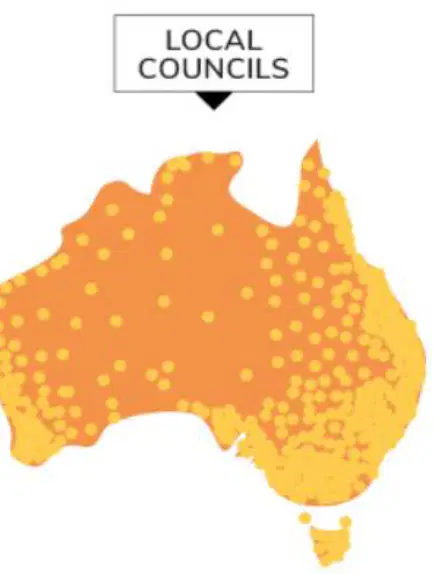
Over how many local councils make local laws (by-laws) for their region or district in Australia?
Over 500 local councils
Over 50 local councils
Over 100 local councils
Over 200 local councils
The Federal Government raises money through taxing incomes, spending and businesses. They make laws about which of the following?
Town planning
Medicare
Local roads
Rubbish collection
The State Government receives more than half their money from the Federal Government and also collects taxes. They make laws about which of the following?
Defence
Immigration
Roads
Foreign policy
Local Councils collect taxes from all local property owners and receive money from the Federal and State governments. They make laws about which of the following?
A) Immigration
B) Sewerage
C) Defence
D) Medicare
Fill in the blank: The Federal Government makes laws about ________, defence, immigration, and foreign policy.
Medicare
Transport
Education
Tourism
Fill in the blank: The State Government makes laws about roads, housing, prisons, public transport, and ________ services.
police and ambulance
postal and telegraph
foreign and defense
currency and banking
trade and commerce
Fill in the blank: Local Councils make laws about town planning, sewerage, local roads, and ________ collection.
rubbish
water
electricity
According to the image, what is one of the Australian Democratic Values?
Freedom of election and being elected
Freedom of assembly and political participation
Freedom of speech, expression and religious belief
All of the above

Fill in the blank: One of the Australian Democratic Values is ________ of election and being elected.
Freedom
Obligation
Restriction
Limitation
Fill in the blank: The value that allows people to gather and participate in politics is called Freedom of ________ and political participation.
assembly
speech
religion
press
Fill in the blank: The value that protects the right to express opinions and practice religion is called Freedom of speech, expression and ________ belief.
religious
political
economic
scientific

Fill in the blank: The principle that everyone must follow the law is called the ________ of law.
Rule
Power
Exception
Privilege

Fill in the blank: Australian Democratic Values include other basic ________ rights.
human
animal
property
voting
'Freedom of religion' means:
The right to practice any religion or no religion at all
The right to vote in elections
The right to free speech
The right to own property
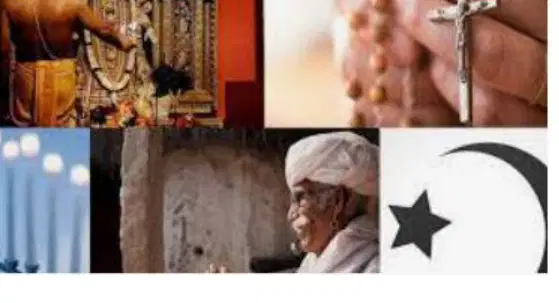
Most religious principles are respected in Australia, as long as they don’t go against the laws. For example, you can’t get married if you’re a minor, even though some religions allow it.
True
False
'Freedom of speech and expression' means:
The right to express one's opinions freely
The right to vote in elections
The right to own property
The right to a fair trial
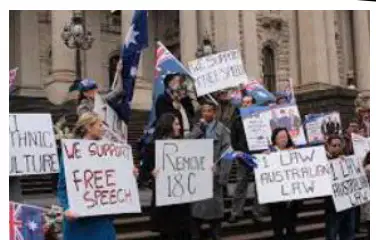
Freedom of speech is important in a democracy because:
It allows citizens to express their opinions and hold the government accountable.
It restricts people from sharing their views.
It prevents people from voting.
It limits access to information.
Does freedom of speech mean anyone can say whatever they want?
Yes
No
In Australia, your right to free speech does not mean you can express opinions based on _______ or _______ and you cannot encourage others to be _______ or _______.
racism, hatred, racist, violent
love, kindness, generous, peaceful
wealth, status, rich, famous
age, gender, young, old
How many levels of government does Australia have?
Three
Two
Four
Five
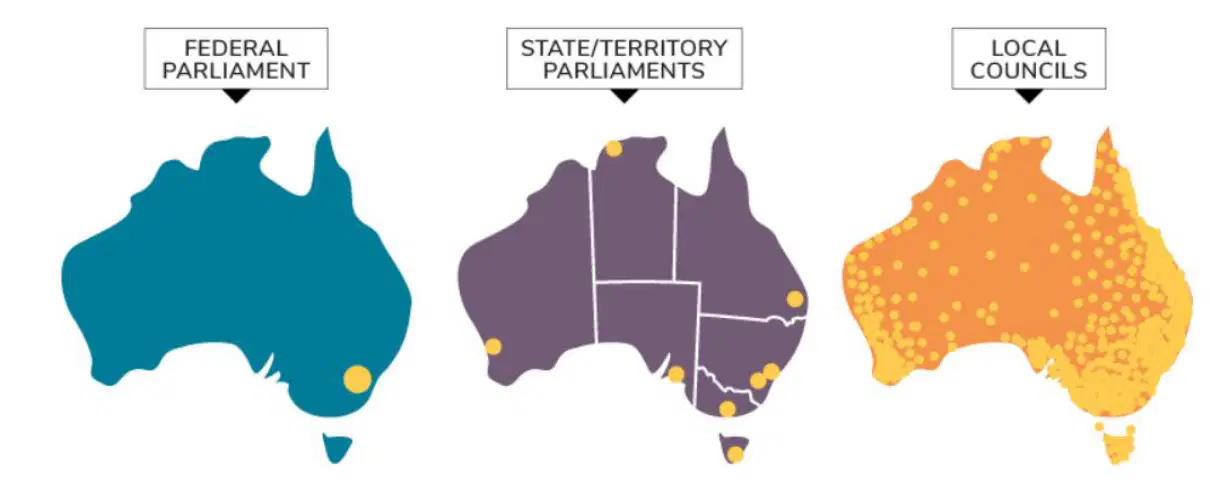
Which of the following is NOT a level of government in Australia?
Federal Parliament
State/Territory Parliaments
Local Councils
Provincial Senate
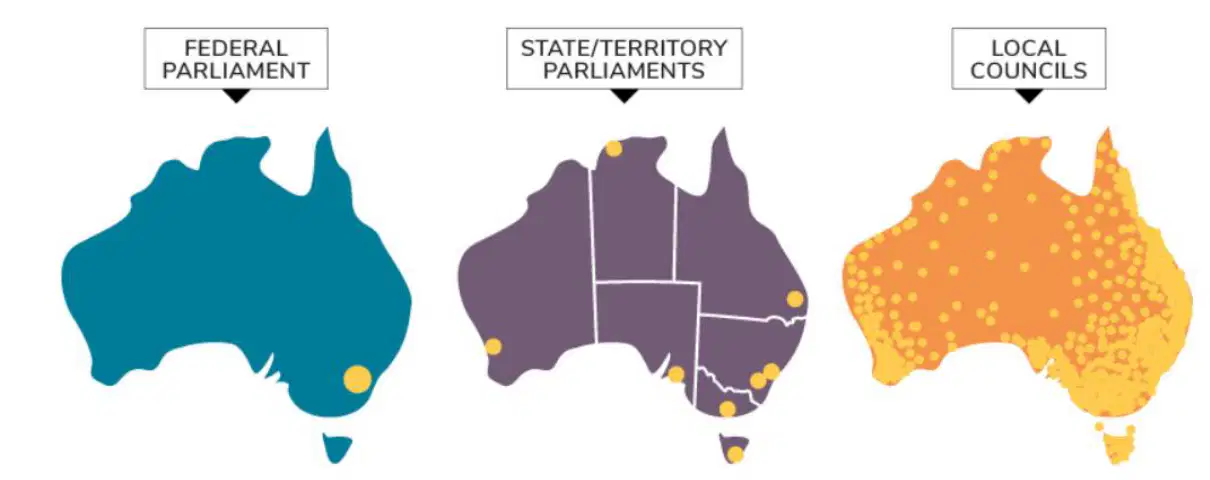
Name the three levels of government in Australia.
Federal Parliament, State/Territory Parliaments, Local Councils
Supreme Court, High Court, Local Court
Prime Minister, Governors, Mayors
Cabinet, Senate, House of Representatives
Who have the citizens of Australia chosen to make the laws that govern all Australians?
Representatives in both houses of parliament
The Prime Minister alone
The High Court judges
State Governors

Which level of government raises money through taxing incomes, spending, and businesses?
The Federal Government
The Municipal Government
The Provincial Government
The School Board
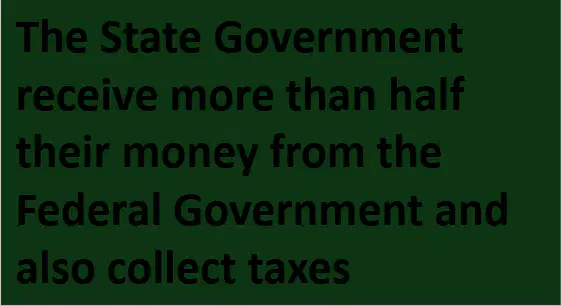
Which level of government receives more than half their money from the Federal Government and also collects taxes?
The State Government
The Local Government
The City Council
The School Board

Which level of government collects taxes from all local property owners and receives money from the Federal and State governments?
Local Councils
Federal Government
State Parliament
High Court
Which of the following is a federal matter?
Roads
Medicare
Town Planning
Housing
Which of the following is a state matter?
Defence
Immigration
Public Transport
Rubbish Collection
Which of the following is a local matter?
Foreign Policy
Sewerage
Prisons
Defence
The Federal Government makes laws about immigration.
True
False
The State Government makes laws about police and ambulance services.
True
False
Local Councils make laws about rubbish collection.
True
False
What is one of Australia's democratic values related to elections?
Freedom of election and being elected
Mandatory military service for all citizens
Appointment of leaders by the monarchy
Restriction of voting rights to property owners

What is one of Australia's democratic values related to political participation?
Freedom of assembly and political participation
Mandatory military service for all citizens
Monarchical rule without elections
Censorship of political opinions

What is one of Australia's democratic values related to speech and belief?
Freedom of speech, expression and religious belief
Mandatory military service for all citizens
State-controlled media and press
Single-party political system
Which principle ensures that everyone is subject to the law in Australia?
Rule of law
Separation of powers
Judicial review
Parliamentary sovereignty
What is a general category of rights protected as part of Australia's democratic values?
Other basic human rights
Property rights
Taxation rights
Commercial rights
Fill in the blank: ________ is a type of government where the power is in the hands of the people.
Democracy
Monarchy
Dictatorship
Oligarchy
Fill in the blank: ________ is caring enough to consider how words and actions impact others.
Respect
Bravery
Curiosity
Ambition
Fill in the blank: ________ are a person's or society’s beliefs about good behaviour and what things are important.
Values
Opinions
Habits
Skills
What is the definition of 'freedom'?
The power or right to act, speak, or think as one wants
The ability to run fast
The right to own property
The power to control others
Fill in the blank: _______ is the power or right to act, speak, or think as one wants.
freedom
punishment
restriction
obedience
Freedom of speech, expression and religious belief means:
The right to express opinions and follow any religion freely
The right to vote in elections
The right to own property
The right to travel anywhere
Why is freedom of speech important in a democracy?
In countries without free speech, people might be afraid to say what they think.
It allows the government to control all information.
It prevents people from voting in elections.
It encourages only one political party.
Freedom of speech (or expression) is the right to ______ your opinions and ideas without being stopped or punished.
state
hide
ignore
forget

What does the image showing 'FREEDOM OF SPEECH' represent?
The right to express opinions without censorship
The right to vote in elections
The right to privacy
The right to a fair trial
What does the right to peaceful assembly protect in Australia?
The right to peaceful assembly protects the right of individuals and groups to meet and to engage in peaceful protest.
The right to peaceful assembly protects the right to own property without interference.
The right to peaceful assembly protects the right to a fair trial in court.
The right to peaceful assembly protects the right to free healthcare for all citizens.
Does the right to peaceful assembly in Australia mean you can protest about anything?
Pretty much! The right extends to all gatherings for peaceful purposes, regardless of the degree of public support for the purpose of the gathering. However, the right applies only to peaceful assemblies, not to those involving violence.
No, the right only applies to government-approved protests.
No, you can only protest if you have a permit from the police.
No, the right only applies to protests about political issues.
What happens if people are protesting about something you don’t believe in?
As long as they are not violent or expressing an opinion based on racism or hatred, they have a freedom to assemble together and express their point of view.
You should try to stop them from protesting.
They should be arrested immediately.
Their protest should be ignored by everyone.

Why is the freedom of assembly and political participation important in a democracy?
It is important because it means people can join together with others and express their point of view, publicise what they believe in, and have the freedom to criticise the government without fear of getting in trouble.
It is important because it allows the government to control public opinion and limit criticism.
It is important because it ensures only one political party can participate in elections.
It is important because it prevents people from gathering and discussing their beliefs.
'Freedom of election and being elected' means:
The right to vote and to stand as a candidate in elections
The right to travel freely
The right to free education
The right to own property
Our democracy in Australia allows people to choose and replace their representatives through ______ and ______ elections.
free, fair
open, closed
public, private
random, selective
Fill in the blank: The Australian Electoral Commission makes sure elections are open, free and fair by ________ candidates follow the rules.
ensuring
ignoring
preventing
guessing
Fill in the blank: The Australian Electoral Commission makes sure elections are open, free and fair by producing the ________ and keeping them secure.
ballot papers
voting booths
campaign posters
voter ID cards
Fill in the blank: The Australian Electoral Commission makes sure elections are open, free and fair by educating the public on Australian voting systems, enrolling to vote and how to ________ correctly.
vote
campaign
register
count
Fill in the blank: The Australian Electoral Commission makes sure elections are open, free and fair by training staff to run ________ places.
polling
voting machines
counting rooms
debate halls
Fill in the blank: The Australian Electoral Commission makes sure elections are open, free and fair by maintaining the ________ roll.
electoral
voting
citizen
census
Which of the following is a responsibility of the Australian Electoral Commission?
Educating the public on voting systems
Running schools
Building roads
Providing healthcare
According to Lesson 4 – Free elections and voting, a country cannot call itself a democracy unless its elections are ______, free and fair for all citizens who are eligible to vote.
open
restricted
compulsory
secret
Fill in the blank: In Australian elections, elections are ________, free and fair.
open
restricted
mandatory
secret
Fill in the blank: In Australia, citizens have the right to vote when they are over ____.
18
16
21
25
Fill in the blank: Eligible candidates have the right to ________ for election in Australia.
stand
vote
register
campaign
Fill in the blank: In Australian elections, voters elect ____________.
representatives
judges
mayors
governors
Fill in the blank: Representatives make policies and laws that govern __________ society.
Australian
Martian
Ancient Roman
Medieval
Fill in the blank: One vote one value means that each person's vote has the ________.
same value
different value
higher value
lower value
Fill in the blank: Secret ballot means a person is able to vote for the candidate of their choice in ________.
private
public
groups
open
Fill in the blank: Preferential voting means a person puts the number 1 in the box on the ballot paper for his or her first choice and the ________ number for their last choice.
last
first
middle
random
Let's check if it was a free and fair election! Was there: One vote one value?
Yes
No
Maybe
Not sure
Let's check if it was a free and fair election! Was there: Secret ballot?
Yes
No
Maybe
Not sure
Let's check if it was a free and fair election! Was there: Preferential voting?
Yes
No
Maybe
Not sure

Do you think this is a fair system?
Yes, it is fair.
No, it is not fair.

If the people you personally voted for didn’t get elected, is this still fair?
Yes, because everyone has an equal vote and the majority decides.
No, because only the winners' votes count.
No, because your choice was not selected.
Yes, because elections are always fair.
Can you think of any ways to make it any fairer?
Yes, by giving everyone an equal chance.
No, it is already fair.
Yes, by changing the rules.
No, fairness cannot be improved.
After we vote, the votes are counted and someone gets _______.
elected
painted
ignored
delayed
A candidate standing for election must get more than what percentage majority to be elected?
25%
50%
75%
100%
What does it mean when a candidate gets an absolute majority?
It means the candidate gets more than 50% majority of the votes.
It means the candidate gets exactly 50% of the votes.
It means the candidate gets the least number of votes.
It means the candidate is chosen by a random draw.
In our democracy, we have the opportunity to elect representatives at more than one level of government. What are the three levels of government?
A) Local Government, State and Federal Government, Federal Government
B) Local Government, State Government, National Government
C) City Government, State Government, Country Government
D) Local Government, State and Federal Government, International Government
In our democracy, we have the opportunity to elect representatives at more than one level of government. Fill in the blank: The three levels of government are ________, ________, and ________.
Local Government, State Government, Federal Government
Local Government, Regional Government, National Government
Municipal Government, Provincial Government, Federal Government
City Government, State Government, National Government
People are free to criticise all their elected leaders and representatives, and to look closely at how they govern.
True
False
Which of the following is an example of expressing criticism towards elected leaders?
I’m not happy with that.
That’s not very good.
I think you’re wrong about that.
I disagree.
All of the above.
What is one of Australia's democratic values related to elections?
Freedom of election and being elected.
Mandatory military service for all citizens.
Appointment of leaders by the monarchy.
Restriction of voting rights to property owners only.

Which democratic value allows people to gather and participate in politics in Australia?
Freedom of assembly and political participation.
Compulsory voting for all citizens.
Monarchical rule and hereditary leadership.
Economic equality for all residents.

Which value protects the right to express opinions and practice religion in Australia?
Freedom of speech, expression and religious belief.
Compulsory voting for all citizens.
Right to trial by jury in all cases.
Mandatory military service.
What is the principle that ensures everyone is subject to the law in Australia?
Rule of law.
Majority rule.
Separation of powers.
Judicial review.
What is a fundamental right that all people in Australia have?
Other basic human rights.
The right to vote in every country.
The right to free public transport.
The right to own a business without rules.

