
 Worksheets
grade 5 q4 revision
Total questions: 172
Worksheet time: 3hrs 32mins
CHOOSE THE WRONG ANSWER
CHOOSE THE WRONG ANSWER
when water changes from a liquid to a gas - caused by heat
evaporation
condensation
freezing
melting
when water vapor (a gas) is cooled and forms liquid water
evaporation
condensation
freezing
melting
What must be done to change water from liquid to solid?
Raise the temperature.
Lower the temperature.
What must be done to change water from solid to liquid?
Raise the temperature.
Lower the temperature.
What must happen to water vapor (gas) to become liquid water?
It must be heated.
It must be cooled.
What must happen for liquid water to evaporate (become a gas)?
It must be heated.
It must be cooled.
The particles of matter making up a ________are packed together tightly.
Solid
Liquid
Gas
Piece
Three states of matter are...
density, weight, and gas
buoyancy, mass, shape
solid, liquid, and gas
gas, liquid, and mixture
Which state of matter takes the shape of the container and takes up the same amount of space?
Solid
Liquid
Gas
All 3
To change from a solid into a liquid is to _________
Heat
Melt
Freeze
burn
Water is in a_________ state in the form of ice.
liquid
solid
gas
A gas does not keep its shape.
True
False
When water is turned into water vapour, this is called __________ .
Condensation
Evaporation
Melting
Freezing
When water vapour is cooled down, this is known as ______.
Condensation
Evaporation
Helium is a ________.
Solid
Liquid
Gas
________ materials always take up the same amount of space. They do not spread or flow.
Gas
liquid
solid
water
What is not a chemical change
It involves a bond breaking
Spoiled food is an example
Cutting wood I an example
Odor is a clue to it
A change in appearance only
Chemical change
Physical change

When you fold a piece of paper, which physical property changes?
The color
The texture
The size
When we cut a piece of paper into triangles, which physical properties change?
The smell and taste
The texture and smell
The size and shape

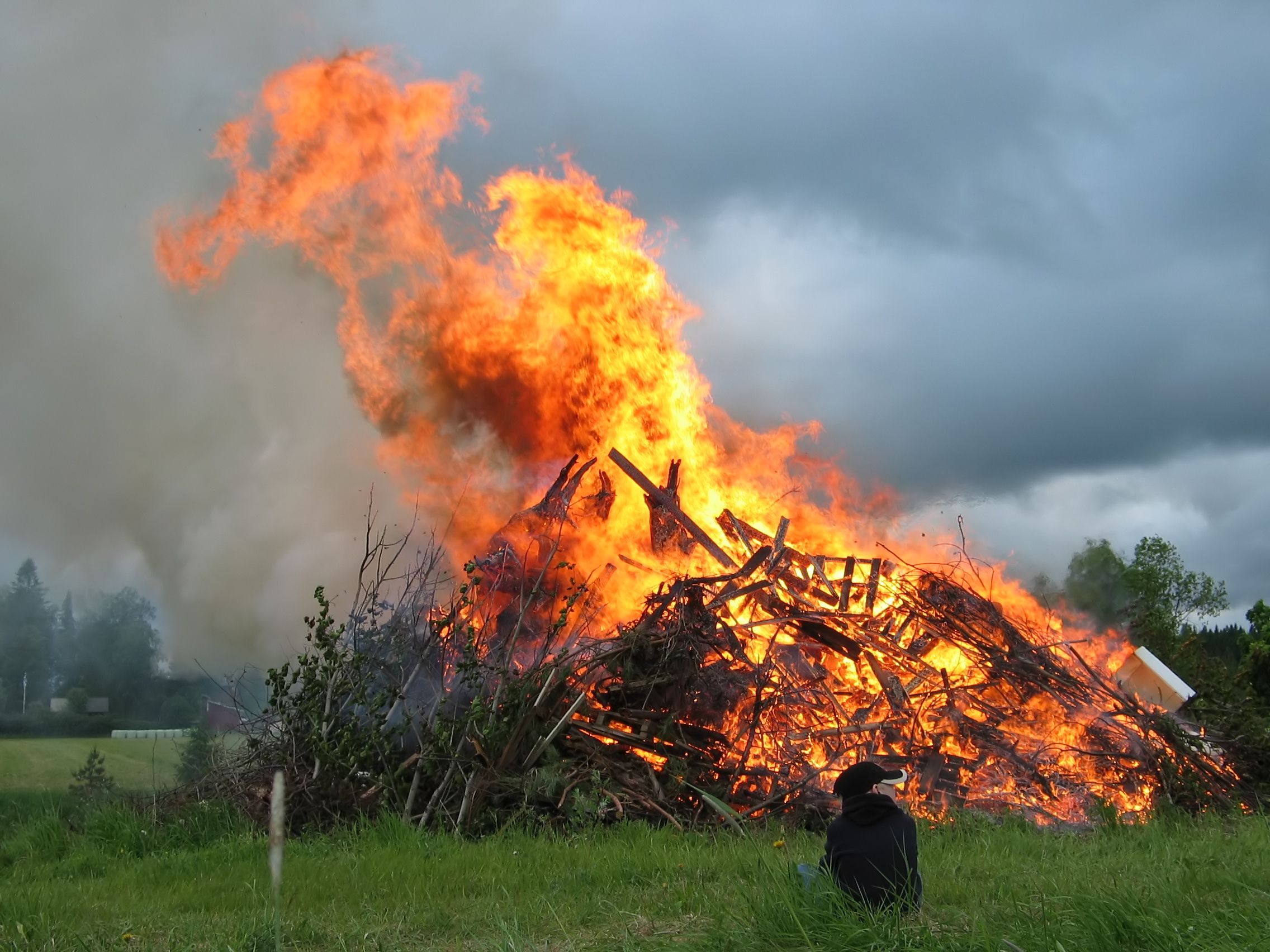
Wood that is burning in a brush pile has heat, and produces ashes.
Physical
Chemical
What is a change in which new substances are formed?
Physical
Chemical
What is a chemical change?
Forming a new substance
When two or more substances combine to make a greater one
When two or more substances combine to make a new chemical substance
Combing substances
Which of the following would be considered a physical property?
Colour
Flammability
pH
Reactivity
What is matter?
A synonym to the word weight
A state of molecules
Anything that takes up space
Which of the following are physical properties?
Mass
Color
Shape
Name
Texture
A chemical property describes
how a substance reacts with other substances
how much energy a substance has
how dangerous a substance is
how something tastes
What is matter?
A synonym to the word weight
A state of molecules
Anything that takes up space
Which of these is NOT a PROPERTY of matter?
size
color
shape
quantity
When molecules move in a crazy, no patterned way, what state of matter is it?
solid
liquid
gas
When molecules are barely moving and all stuck in one spot, they are what?
solid
liquid
gas
When molecules are close, but not super close, you are referring to a ....
solid
liquid
gas
What are the three states of matter?
Solid, Liquid, Texture
Solid, Liquid, Gas
Solid, Gas, Color
Plastic, wood, Glass
What kind of change results in a new substance?
Chemical change
Physical change
What change does not change the substance?
Chemical change
Physical change
Why is a mixture a physical change?
It creates a new substance
It has multiple ingredients
It can be separated
Which of the following is NOT an indication of a chemical change?
production of light
production of gas
production of odor
production of water
Roasting a marsh mellow
chemical change
physical change
ice cream melting
chemical change
physical change
glass breaking
chemical
physical
burning of wood
chemical
physical
baking a cake
chemical
physical
Putting a bunch of fruit into a fruit bowl (fruit salad)
chemical
physical
splitting a chocolate bar
chemical changes
physical changes
nail rusting
chemical
physical
bread molding
chemical
physical
making a paper airplane
chemical
physical
Sound is a result of vibrating ________.
matter
light
Sound is a form of _________.
light
energy
matter
What is sound?
Energy caused by vibration you can hear.
To move back and forth very quickly.
How high or low a sound is.
The ability to make something move or change.
What is vibrate?
Energy caused by vibration you can hear.
To move back and forth very quickly.
How high or low a sound is.
The ability to make something move or change.
What is energy?
Energy caused by vibration you can hear.
To move back and forth very quickly.
How high or low a sound is.
The ability to make something move or change.
How does sound travel?
As a wave
Travels slow
Travels by bumping into eachother

Sound is...
a beautiful thing
a wave or vibration
a kind of music
a musical instrument

The sound travels through...
two states of matter
four states of matter
three states of matter
five states of matter

The three states of matter are...
solid, liquid and wood
solid, metal and gas
solid, liquid and light
solid, liquid and gas

Why do we hear a sound?
because of the vibrations that travel into our ears through waves
because we love music
because we pay attention
because we can play the guitar
Sound can be heard!
True
False
When an object vibrates, it produces:
Colours.
Nothing.
Sound waves.

Sound is a result of vibrating ________.
matter
light
What is sound?
Energy caused by vibration you can hear.
To move back and forth very quickly.
How high or low a sound is.
The ability to make something move or change.
What is vibrate?
Energy caused by vibration you can hear.
To move back and forth very quickly.
How high or low a sound is.
The ability to make something move or change.
The sound travels through...
two states of matter
four states of matter
three states of matter
five states of matter
The part of a sound wave where the molecules are pressed together is called _______________.
Rarefaction
Compression
Wavelength
Amplitude
Sound travels slowest through _________.
solid
liquid
gas
Sound travels fastest through __________.
solid
liquid
gas

This sound wave demonstrates ________ pitch.
high
low
The number of sound waves produced over a certain time is called ________________.
pitch
ranges
compression
frequency
True or False:
High frequency = High pitch.
True
False
True or False: Sounds waves can travel through wood
True
False
In spaces where there is just vacuum...
Sound can travel.
Sound can´t travel.
The loudness of sound is meassured in volume.
True
False
The highest part of the wave is the ...........
wave length
amplitude
crest
trough
The lowest part of the wave is the ...........
wave length
amplitude
crest
trough
The distance from one crest to another is..............
wave length
amplitude
crest
trough
The distance from one crest to the middle line of a wave is..............
wave length
amplitude
crest
trough
Amplitude tells how much ________________ the wave carries.
energy
particles
matter
volume

The loudness of a sound is its..........
patch
volume
frequency
softness
The highness or lowness of a sound is called.....
pitch
volume
frequency
softness
The number of vibrations in a unit of time is.......
pitch
volume
frequency
softness
The disturbances that transmit energy is a
(a)
Select one of the pictures 1, 2, 3, and 4 to indicate the speed at which sound waves travel the fastest through each kind of matter.


Number 2 refers to ..........
wave amplitude
wave length
wave crest
wave trough

This is the .............. of a wave
wave amplitude
wave length
wave crest
wave trough

Number 1 refers to ..........
wave amplitude
compression area
wave crest
wave trough

Number4 refers to ..........
wave amplitude
wave length
wave crest
wave trough

Number 5 refers to ..........
wave amplitude
wave length
wave crest
wave trough

Which wave has the highest frequency?
1
2
3
4
What is the crest?
Height of the wave
Peak of the wave
Length of the wave

The higher the pitch, the higher the frequency. Which diagram shows the highest pitch?
A
B
C
D

Which diagram shows the smallest amplitude?
Choose 2
A
B
C
D
The greater the frequency the __________ the pitch.
higher
lower
slower

This is an example of a
high pitch sound
low pitch sound

This is an example of a
high pitch sound
low pitch sound
What does sound need to travel?
A medium
Water
Air
Music

Sounds speed depends on...
the temperature
the frequency
the medium it travels trough
the sound of the guitar

Which sound wave has long wavelength?
A
B
If a sound wave is having long wavelength it means that it has more frequency.
True
False

1. Select the type of material that the definition and the picture represent.
Transparent
Translucent
Opaque

Which of these provides the best explanation for why the pencil appears broken?
The pencil absorbs the light rays that hit it.
Water reflects light rays away from the pencil.
Light rays are bent by the water in the glass.
The surface of the water reflects the light rays.

What makes it possible to see an object when looking through a periscope?
It contains mirrors that reflect the object.
It magnifies small objects so they can be seen.
It absorbs the light rays passing through it.
It separates the light into different colors.
How does the light travels?
in parallel
in a straight line
on its own orbit
on its own path

How to increase the size of the shadow on the screen?
Move the light source farther from the object
Move the object closer to the screen
Change the type of object used
Move the object closer to the light source

There is no shadow formed on the screen. Why?
The object is opaque
The light source is too dim
The object is transparent
The object is translucent

This investigation is carried out to show that
light travels in a straight line
light can be seen through the holes
light penetrates a transparent object
light travels in many ways


Light is a form of
energy
matter
gas
rainbow
________ is the intensity of light (how much light is being seen).
visibility
color
brightness
_____________________ can be seen when white light is separated through a prism.
visibility
color
brightness
_____________________ is when an object gives off its own light or reflects light.
visibility
color
brightness
When light is _____________, it does not pass through or reflect from a material. It remains in the material as another form of energy.
reflected
refracted
absorbed
When light is _____________, it bounces back from a surface.
reflected
refracted
absorbed
When light is _____________, it passes from one transparent material to another and changes direction.
reflected
refracted
absorbed
When light strikes a smooth, shiny object like a mirror, the image is _________________________
reflected
refracted
absorbed
When light travels through a magnifying glass, it changes direction and we see a larger view of the object. This is an example of ....
reflection
refraction
absorption
When a pencil is viewed in a glass of water, the light passes through the water and the air and causes the path of light to bend. This is an example of...
reflection
refraction
absorption
Barry wants to see how white light can separate into different color. Which object could he hold in front of the sun to see this happen?
mirror
silver spoon
prism
A rainbow shows all the colors in white light. These colors always appear in the same order. Which is the correct order?
red, yellow, green, indigo, violet, orange
red, green, indigo, yellow, orange, blue
orange, yellow, blue, red, violet, green, indigo
red, orange, yellow, green, blue indigo, violet
Stan can see the moon at night because the moon
glows in the dark
reflects light from the sun
is very large
makes its own light
When all light is able to pass through, the material is __________________________
transparent
translucent
opaque
When no light is able to pass through, the material is __________________________
transparent
translucent
opaque
When some light is able to pass through, the material is __________________________
transparent
translucent
opaque
If you see a yellow banana, it is because the color yellow is being ____________
absorbed
refracted
reflected
If you see a yellow banana, all of the colors EXCEPT yellow are
absorbed
refracted
reflected
Light travels
in a straight line until it strikes an object
in a wavy line and continues when it hits an object
in a straight line and through every object
Why do we see the color white?
All colors are being absorbed.
All colors are being reflected.
All colors except for white are being reflected.
All objects around us can move by the effect of ......................
pushing force only
pulling force only
pushing and pulling forces
sound and light energies
When an object is in motion, this means that its .................... changes.
color
shape
size
position
A ball may move away from the foot of a football player by the effect of ..................................
pushing force only
pulling force only
pushing and pulling forces
sound energy only
When you sit on a chair, the force of gravity is ................ and holding you on the chair.
pulling you upward
pulling you downward
pushing you upward
pushing you downward
Which of the following will cause an object to move?....................
Balanced forces
Unbalanced forces
In the tug-of- war game, two teams ...................................
pull the rope in the same direction
push the rope in the same direction
pull the rope in the opposite directions
push the rope in the opposite directions
Which of the following is an example of unbalanced forces?......................
Two children push the box with the same force in opposite directions.
Two children play on a seesaw, that moves up and down
Two children play on a seesaw, without its moving up and down
Two teams play the tug-of-war game while the rope doesn't move.
All of the following are examples of motion, except ...........................
a running person
a ball travelling through the air
a flying bird
a sleeping dog
You can see the movement of the following objects, except the movement of................................
a flying airplane
a running horse
sea waves
the planet Earth
Two equal forces act at the same time on a stooping object but in opposite directions. Which sentence describes the object's state?..................................
The object stays in its place without moving
The object speed increases
The object speed decreases
The object speed doesn't change

